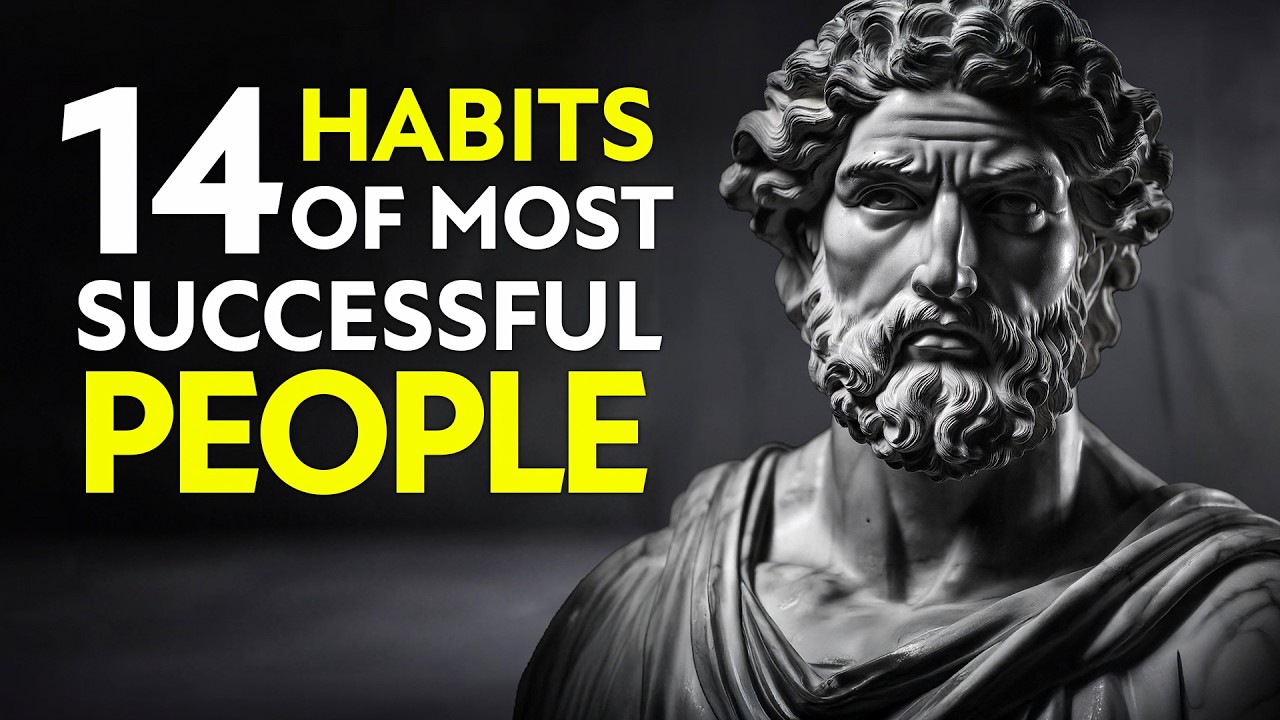
hey there are you stressed and wondering how to stay calm when everything feels out of control you're in the right place because today we're diving into seven powerful stress relief techniques that will help you manage stress and feel calmer instantly stress is everywhere it's in the emails we can't escape the endless news feeds and the expectations pulling us in a 100 directions it feels Relentless like no matter how much you do there's always more waiting but here's something you might not know stress isn't the problem it's how we face it that truly matters we'll be
focusing on strategies from stoicism unlike Quick Fix Solutions stoicism offers something deeper a mindset that transforms how we deal with stress you don't need to spend hours meditating or completely change your life small shifts in how you think and act can make a huge difference before we begin don't forget to hit that subscribe button and tap the notification Bell to stay tuned for more videos on being the best version of yourself are you ready to take control let's get started Focus only on what you can control stress loves to drag us into the uncontrollable worrying
about what might happen what others think or how things will unfold it's exhausting isn't it the stoics believed that this endless focus on external factors is a key source of anxiety but there's a simple way out focus only on what's in your control epic tetus one of stoicism's greatest teachers framed it perfectly some things are up to us and some things are not your thoughts actions and choices yours to command the opinions of others the weather or the economy completely outside your influence by learning to separate the two you free yourself from wasting energy on
things you can't change think of it like standing in a storm you can't stop the rain but you can choose to carry an umbrella focusing on what you can control control gives you the same kind of shelter from life's chaos start by making two simple lists what's in my control for example my attitude effort priorities what's outside my control for example other people's reactions past mistakes when stress starts creeping in use these lists to guide your thoughts ask yourself am I spending my energy on something I can influence or am am I caught up in
what I can't change this simple practice can redirect your focus in Moments When Everything feels overwhelming and here's a mantra to carry with you I release what I cannot control repeat it when your mind starts to spiral you'll feel the tension ease as you bring your attention back to what's within your power try to think of stress as an opportunity stress often feels like a roadblock an unyielding Force standing between you and peace it can be overwhelming even paralyzing as though life is throwing too much at you all at once but here's the thing stress
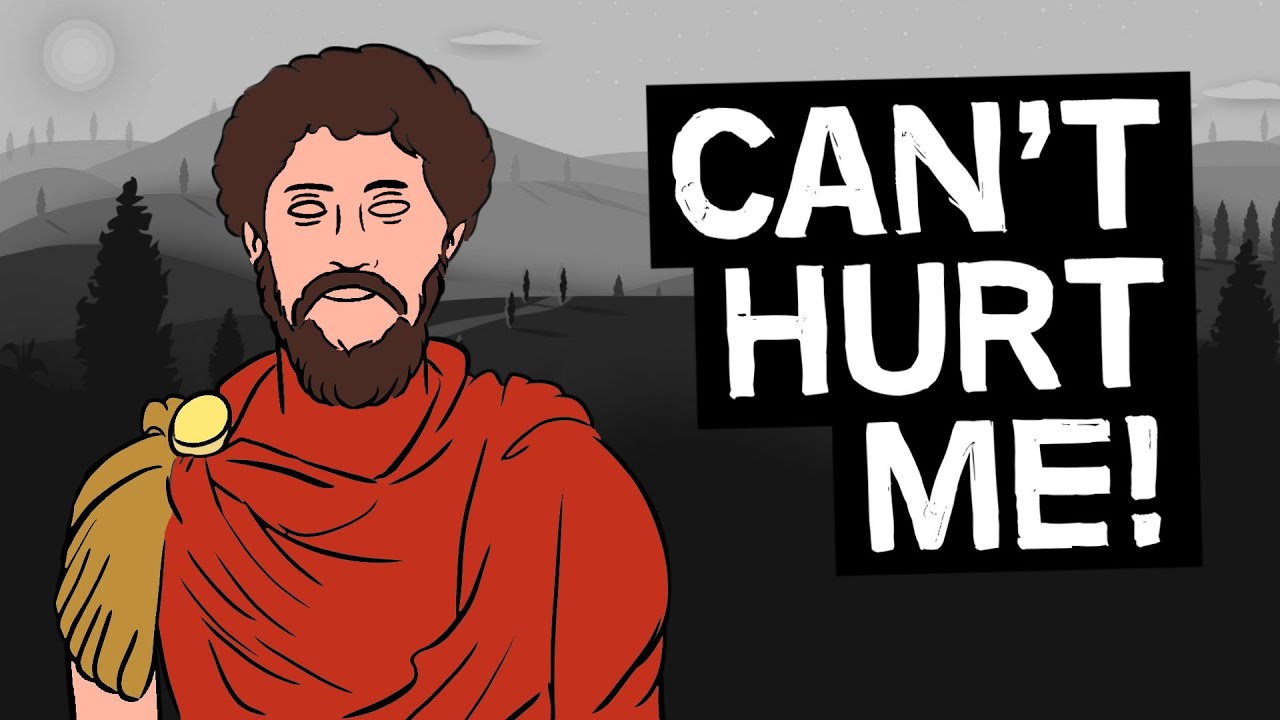
doesn't have to be an enemy with the right mindset it can become your greatest teacher Marcus Aurelius one of history's most renowned stoic philosophers wrote wrot the impediment to action advances action what stands in the way becomes the way in other words the very things that challenge us can also shape us pushing us to grow stronger smarter and more resilient it's not the presence of stress that harms us it's how we interpret it think of stress as physical exercise when you first pick up a heavy weight it feels impossible to lift your muscles hurt and
you want to give up but over time that resistance builds strength the same is true for your mind and emotions stress when approached with the proper perspective becomes an opportunity to build inner strength and resilience it's not easy but it's worth it reframing stress begins with a simple question what is this trying to teach me instead of resisting the pressure lean into it and explore what you can gain from the experience for example if you're overwhelmed at work it might be an opportunity to refine your time management or set healthier boundaries if a relationship feels
strained it could be a moment to practice patience or improve communication if life throws unexpected challenges your way it might be teaching you to adapt and remain steady in the face of uncertainty when you view stress as a teacher it loses its power to crush you it becomes a partner in your growth something to navigate rather than fear some practical ways to shift your mindset when it comes to stress include keeping a stress Journal at the end of each day write down one stressful moment and ask yourself what happened how did I react what did
I learn over time you'll notice patterns and start seeing how stress has pushed you toward positive changes practice identifying one benefit in every stressful situation for example if a project deadline feels overwhelming focus on how it's helping you develop discipline or creativity Under Pressure try affirmations like stress is my training ground or every challenge helps me grow stronger these phrases can serve as reminders when life feels overwhelming in moments when you feel deeply stressed take a step back and ask yourself will this matter a year from now this question often puts things into perspective showing
that even the most intense challenges are temporary when you start seeing stress as an opportunity life's obstacles become less intimidating you're no longer a victim of circumstance you're an active participant in your growth Marcus aelius believed that every hardship had a purpose and by embracing that perspective you'll find the strength you didn't know you had the next time stress creeps into your day pause and ask how is this helping me become the person I'm meant to be you might be surprised by the answer practice voluntary discomfort Modern Life has has conditioned us to seek Comfort
at every turn we're constantly surrounded by conveniences instant food climate controlled homes and endless entertainment at the push of a button while these luxuries make life easier they also make us more fragile when stress or discomfort inevitably arises it feels unbearable the stoics understood this and proposed an unconventional solution embrace discomfort on purpose senica one of stoicism's most practical thinkers recommended set aside a certain number of days during which you shall be content with the scantiest and cheapest fair with coarse and rough dress saying to yourself the while is this the condition that I feared
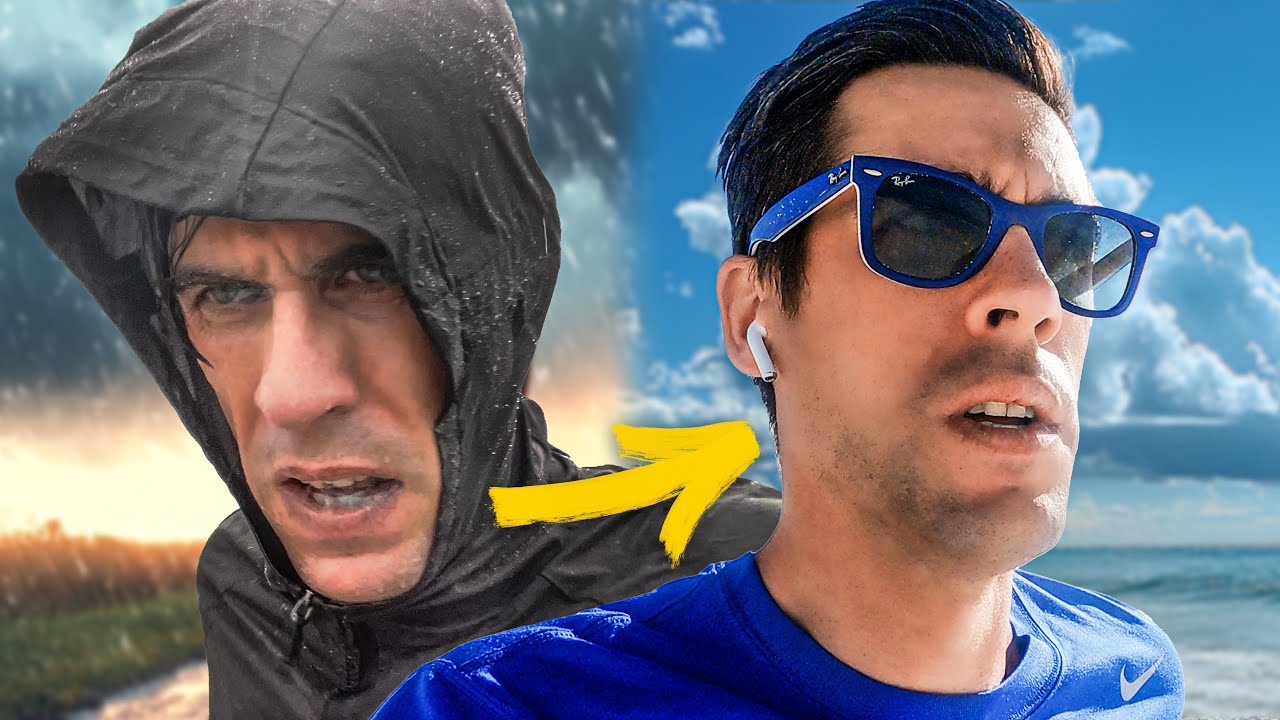
by voluntarily stepping into discomfort we build resilience and learn that our fears are often overblown try to think of stress as a storm if you've never experienced bad weather the first storm might leave you panicked and unprepared but if you've practiced braving the rain by camping Outdoors or walking in rough conditions you'll know how to stay calm and work through it voluntary discomfort works the same way It prepares your mind for challenges by exposing it to manageable doses of hardship this practice isn't about punish ing yourself or living a life of deprivation it's about strengthening
your inner resolve so that when unexpected stress hits you've already built the mental muscle to handle it you can practice this by trying fasting skip a meal or two and pay attention to how your body and mind react you'll realize that hunger isn't as terrifying as it seems and this awareness builds mental toughness take a cold shower or turn on the heating for a day it's uncomfortable yes but it trains your mind to stay calm when faced with adversity spend a day without your phone social media or streaming services it might feel strange at first
but it teaches you to find peace in Stillness push yourself beyond your comfort zone with activities like running hiking or yoga the discomfort of physical exertion translates into mental resilience over time after each Act of voluntary discomfort reflect on what you learned ask yourself did I survive this discomfort what did I discover about my strength how has this prepared me for future challenges when you practice voluntary discomfort regularly you reframe your relationship with stress challenges no longer feel insurmountable because you've already proven to yourself that you can endure difficulty you're building a kind of mental
armor that that protects you when life throws curveballs your way senica believed that by confronting discomfort headon we rob it of its power to intimidate us and he was right the more you Embrace discomfort the more unshakable you become the next time you feel overwhelmed remember you've faced discomfort before and you've come out stronger let that knowledge guide you through pause before reacting stress often feels most overwhelming in moments when we react impulsively you know the feeling a sharp email hits your inbox and your fingers fly to the keyboard in frustration or a careless comment
from a friend stirs anger before you've even processed what they said these snap reactions not only escalate our stress but also pull us further from the calm collected version of ourselves we strive to be Marcus Aurelius once advised you have power over your mind not outside events realize this and you will find strength that strength begins with a pause by stopping to think before reacting we give ourselves the space to choose a better response one aligned with logic and wisdom rather than fleeting emotions think of your mind as a glass of muddy water when shaken
it's cloudy and chaotic but when left undisturbed the sediment settles and the water becomes clear again pausing works the same way it allows the mud of stress and emotion to settle so you can see the situation clearly and respond with intention in a world that rewards speed instant replies quick fixes immediate decisions pausing feels counterintuitive yet it's one of the most effective ways to reduce stress and regain control of your emotions you can try the three breaths method to practice when faced with a stressful situation pause and take three slow deep breaths this simple act
interrupts your fight ORF flight response and shifts your focus from reaction to reflection breathe deeply through your nose for a count of four hold your breath for four counts exhale slowly through your mouth for a count of six repeat this three times by the end your mind will feel calmer and you'll be in a better position to respond thoughtfully try to ask yourself questions before reacting ask what outcome do I want from this situation will my reaction help or hurt these questions force you you to engage your rational mind instead of letting emotions take over
if possible step away from the situation entirely whether it's a 5-minute walk or simply closing your eyes for a moment a short break can prevent a hasty reaction the habit of pausing doesn't just help in the moment it transforms how you handle stress long term by making space between stimulus and response you weaken the grip of impulsive emotions over time you'll notice that stressful situations no longer control you the way they once did stoicism teaches us that while we can't control life's events we can control how we respond pausing allows you to embody this principle
fully turning emotional chaos into calm composure daily negative visualization most of our stress stems from Fear fear of losing something or someone fear of failure fear of the unknown these fears keep us anxious always anticipating the worst but what if we could confront those fears headon instead of letting them control us this is the power of negative visualization a core practice in stoicism that trains your mind to prepare for challenges without falling apart senica advised he robs present ills of their power who has perceived their coming beforehand negative visualization doesn't mean dwelling on negativity it's
about mentally rehearsing the worst case scenario so that you're ready to face it with courage and Clarity think of this every morning you spend a few Quiet Moments imagining potential challenges in your day what if your presentation doesn't go as planned what if you lose your wallet what if your car breaks down instead of avoiding these thoughts you allow yourself to sit with them and consider how you'd cope this practice does two powerful things it reduces the fear of the Unknown by making you mentally prepared it enhances gratitude for the things you have knowing they're
not guaranteed to practice spend 5 10 minutes in the morning visualizing possible difficulties ask yourself what's the worst that could happen today how would I handle it for example if you're worried about a difficult conversation imagine it going poorly visualize staying calm choosing your words carefully and ending the conversation with dignity after Imagining the loss of something a job a relationship your health reflect on its value by acknowledging its transient State you'll appreciate it more deeply this pairing of gratitude and preparation transforms fear into a balanced perspective when planning a project or decision imagine it
failing ask what could go wrong this allows you to foresee obstacles and prepare Solutions in advance reducing stress when challenges arise negative visualization helps you accept the unpredictable nature of Life instead of resisting uncertainty you train your mind to face it calmly it's like rehearsing a fire drill when the real fire comes you'll know exactly what to do Marcus Aurelius frequently reminded himself that loss and change are inevitable you could leave life right now let that determine what you do say and think far from being morbid this perspective liberates you from fear and helps you
focus on what truly matters when you've rehearsed the worst case scenario it loses its power to intimidate you you'll find yourself appreciating the present moment more deeply and life's challenges won't catch you off guard they'll feel like something you've already prepared for negative visualization is like building mental armor it doesn't mean you're wishing for bad things to happen it means you're ready to meet them with strength if they do live in the now stress often takes us out of the present dragging our minds into a swirl of wh ifs and Regrets We worry about deadlines
replay embarrassing moments from the past or fear what tomorrow might bring the stoics believed that this mental time travel is one of the most excellent sources of human suffering their solution to this problem was to Anchor yourself firmly in the present Marcus IUS captured this beautifully confine yourself to the present you have power over your mind not outside events realize this and you will find strength stress loses its grip when you focus on the now the only moment you truly have you might be wondering why being present reduces stress think of your mind as a
camera lens when you're caught up in worry or regret the lens zooms out capturing in a blurry overwhelming scene of everything that could go wrong but when you focus on the present the lens sharpens bringing Clarity and calm living in the moment grounds you it prevents your energy from being scattered across past failures and future uncertainties allowing you to tackle what's directly in front of you if you're interested in cultivating living in the present in your daily life you can use the grounding techniques when stress pulls you into a mental spiral try this simple 5
4 3 2 1 exercise identify five things you can see touch four things around you listen for three distinct sounds smell two sents or focus on your breath if no scents are present notice one thing you can taste this exercise roots your awareness in the physical world pulling your attention away from racing thoughts you can also set presence alarms use your phone or watch to set a daily reminder with a message like am I fully here when the alarm goes off pause and assess whether you're living in the moment or lost in worry also practice
microm meditation you don't need a fancy setup to meditate spend 60 seconds focusing on your breath whenever you feel overwhelmed inhale deeply for 4 counts hold for four then exhale for six this simple act calms your nervous system and pulls you back into the now try to engage fully in simple activities as much as possible whether it's washing dishes walking or drinking coffee practice doing one thing at a time notice the textures sounds and Sensations without letting your mind wander being present doesn't mean ignoring the past or future it means choosing to engage fully with
the task or moment in front of you when you train yourself to live this way you'll find that stress Fades because it thrives on distraction as Marcus Aurelius said forget everything else keep hold of this alone and remember it each of us lives only now this brief instant let that wisdom guide you let go of attachment to outcomes one of the most subtle but powerful sources of stress is our attachment to how things should turn out we set rigid expectations success at work a perfect relationship or a Flawless performance and when reality doesn't align frustration
and anxiety take over but stoas is offers a freeing perspective let go of attachment to outcomes and focus instead on your efforts epic is taught make the best use of what is in your power and take the rest as it occurs in other words control what you can your actions and mindset and release the rest the results this isn't about apathy it's about finding peace in doing your best without clinging to to specific results you might be wondering how detaching from outcomes reduces stress think of a surfer they don't control the waves they can only
control how they ride them if they obsess over making every wave perfect they'll end up frustrated and defeated however by focusing on their technique and staying adaptable they find joy and Mastery in the process when you stop tying your selfworth to outcomes stress diminishes you become free to give your best effort without the fear of failure hanging over your head it might be challenging to practice letting go but you can start by setting intentions not rigid goals goals often imply specific results while intentions focus on your effort and values for example instead of I must
get promoted try I'll give my best at work and remain open to Opportunities instead of this conversation must go perfectly think I'll communicate with honesty and patience at the end of the day ask yourself did I do my best with what I could control this question shifts your focus from external validation to internal satisfaction you can also use mantras to reframe your mindset try phrases like I release the need to control the outcome my job is to try not to guarantee these mantras remind you to focus on the process rather than obsessing over the results
life will always be unpredictable when you Embrace this reality instead of resisting it you free yourself from the stress of trying to force outcomes imagine preparing for a job interview you can't control the interviewer's mood or the other candidates qualifications what you can control is your preparation your attitude and how you present yourself by focusing on these you'll not only feel more confident but you'll also experience less stress regardless of the result thank you for exploring these seven stoic stress relief techniques we hope this journey offered you practical tools and meaningful insights to bring more
calm Clarity and strength into your life remember stress doesn't have to control you you always have the power to choose chose your mindset and your response stoic philosophy teaches us that peace comes from within not from avoiding challenges by focusing on what's in your control embracing the present and letting go of attachment to outcomes you take a powerful step toward mastering your inner World each small effort you make brings you closer to becoming the resilient grounded person you're meant to be thanks again for watching don't forget to like And subscribe for more content that empowers
you to live with wisdom and purpose stay calm stay strong and we'll see you next time