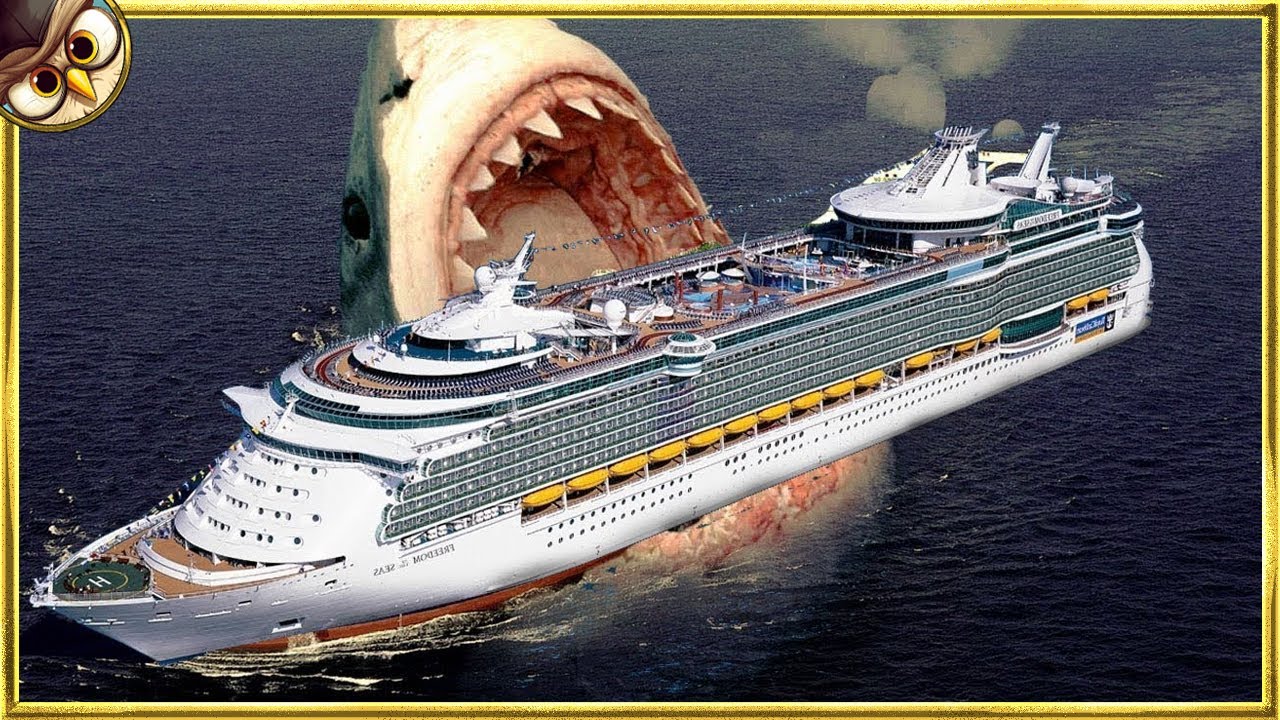
hey welcome to a new video are you fascinated by animals that roamed our Earth a long time ago millions of years ago some of the largest and most terrifying creatures we have ever known existed some of these animals were also extremely dangerous from the imposing T-Rex to the Colossal Megalodon today we're going to show you 20 dangerous animals that have gone extinct are you new to this channel make sure to subscribe to the notification Bell and before we start also like the video number 20. the Megalodon was an impressive species of shark that first appeared on Earth about 18 million years ago and went extinct about 2. 6 million years ago with a length of nearly 59 feet or 18 meters this shark was a dominant predator and had few natural enemies the Megalodon was closely related to the modern white shark and primarily hunted large sea creatures such as whales dolphins and sea turtles fossil teeth of the Megalodon Are regularly found and are easily recognizable due to their unique shape and size some teeth are quite large and scientists speculate that the shark may have survived until 12 000 years ago when humans first appeared on Earth although scientists agree that the Megalodon is extinct there are still some people who believe that this huge shark still exists numerous videos on YouTube claimed to have evidence of the Megalodon but these claims have never been scientifically proven it is therefore highly unlikely that this shark still exists there's no recent evidence has been found supported furthermore the presence of a shark of this size in the current time would certainly have been noticed number 19.
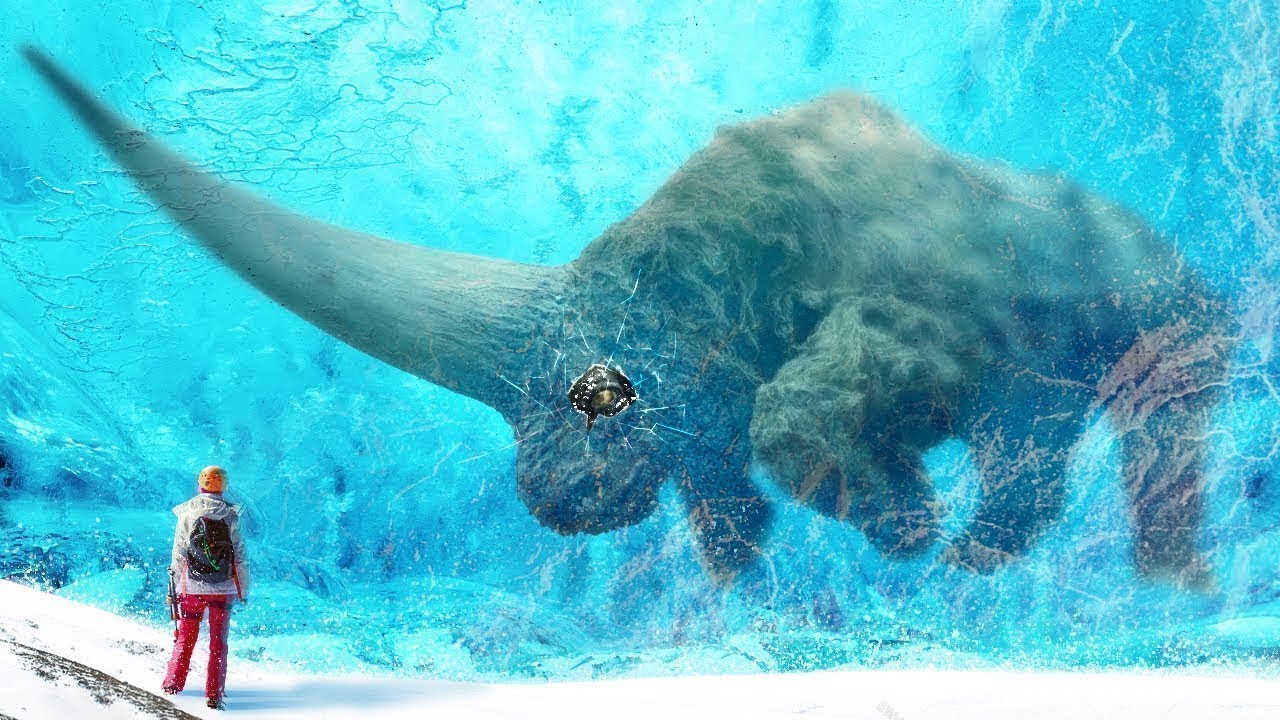
the Plata belladon a prehistoric mammal closely related to today's elephants roamed in large herds between 23 and 4 million years ago across Africa Europe Asia and North America it was a huge herbivorous elephant known for its peculiar shovel-shaped lower teeth the Plata belladon lived in the marshy areas of the savannas and could reach up to 20 feet or 6 meters in length NB 9 feet or 2. 8 meters tall as well as weighing up to four and a half tons it searched for food with its trunk in nearby Lakes scientists have observed wear patterns on the Plata belladon's teeth suggesting that the lower tusks were used to peel bark off trees although it looks like its tusks were designed for a different purpose the Plata belladon used its teeth to graze on grass leaves and tree bark in contrast to Modern elephants which have long cylinder-like tusks the Plata belladon had smaller and more stretch tusks giving it a unique appearance these impressive animals lived during the miocene and pilocene eposh and were an important part of the prehistoric ecosystem number 18. the Titanoboa is one of the most fascinating and frightening creatures to have ever lived this enormous extinct snake belonged to the giant snake family and lived 58 to 60 million years ago in what is now Colombia they measured almost 43 feet or 13 meters in length and weighed up to 2 500 pounds or 1135 kilograms fossils of this giant snake were only discovered in 2009 in one of the Korean coal mines in La guajira Colombia interestingly the huge size of this animal was likely due to the extremely hot climate of that time the titanoboa's diet consisted mainly of reptilian Birds giant turtles fish and even crocodiles what many people don't know is that scientists believe the Titanoboa may have been capable of climbing trees something unusual for snakes fossil remains of a closely related snake were found to have the ability to climb and take refuge in trees indicating that the type tanoboa was probably also capable of climbing trees another interesting fact is that the scientists have discovered that the Titanoboa had a high oxygen demand this is because the snake's gigantic size required a tremendous amount of muscle power to move to operate those muscles the Titanoboa needed a lot of oxygen so the animal probably lived near aquatic areas where humidity was high and there was more oxygen number 17.
this the saber-toothed tiger also known as Smilodon is one of the most iconic Predators from prehistoric times however it was not a true Tiger but a distinct species that went extinct between 2. 5 million and 12 000 years ago the similadon was a large feline that lived in North and South America standing about seven feet or 2. 2 meters tall weighing between 350 and 615 pounds or 160 to 280 kilograms and it had huge teeth that could grow up to 12 inches or 30 centimeters long it was an incredibly powerful Hunter and could surprise and attack its prey with deadly Precision interestingly the Smilodon may have hunted in groups unlike many other large cats that hunt alone this Cooperative method may have contributed to the Fearsome reputation of the Smilodon additionally it ate a variety of prey including mastodons extinct elephants deer horses and bison what many people don't know is that the smilodon's fan gangs were actually more fragile than those of Modern Cats this was because the fangs were very long and thin making them easier to break during the hunt despite this fragility the smelodon's fangs were still deadly and it's one of the most feared predators of its time number 16.
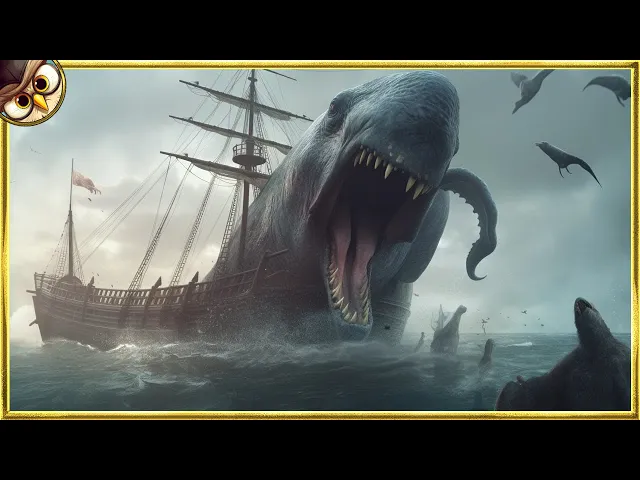
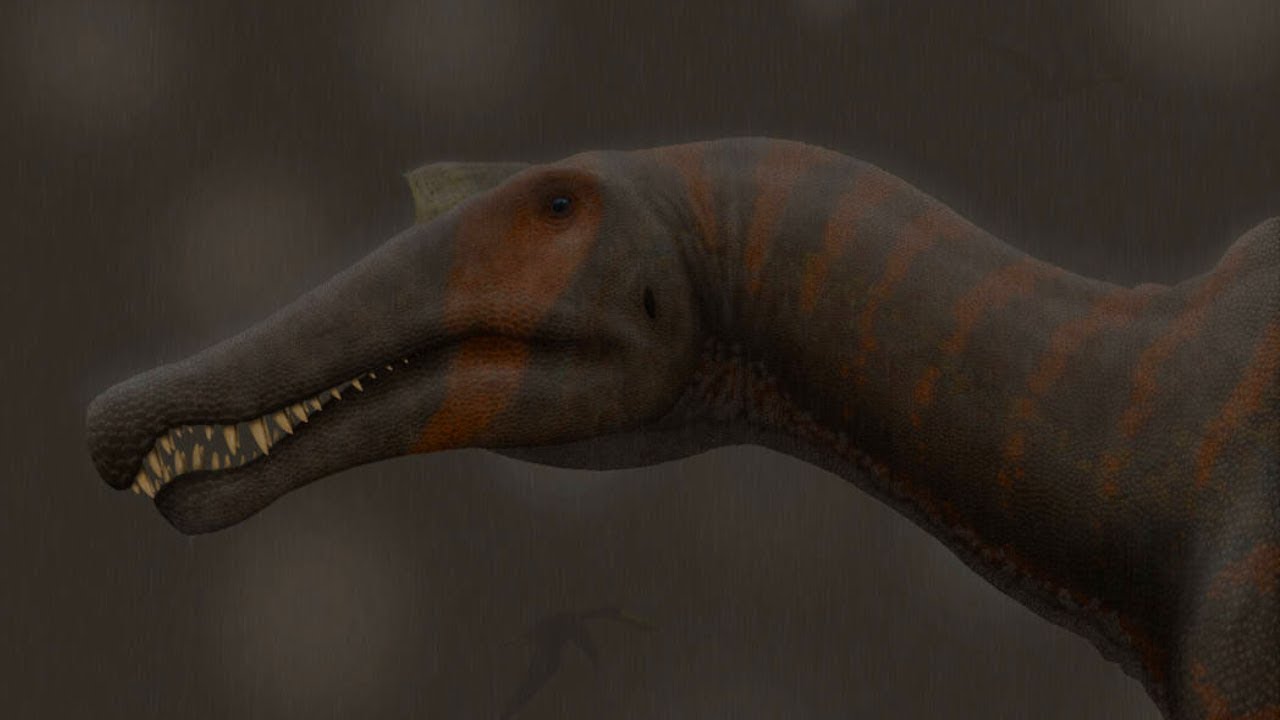
imagine standing on the coast of Peru 12 to 13 million years ago and seeing a shadow moving beneath the waves it would have been the liviaten the largest prehistoric whale ever to have lived the Colossal animal shared the water with another giant Predator the terrifying Megalodon shark the libyadden weighed about 110 000 pounds or 50 000 kilograms and was up to 56 feet or 17 meters long in 2008 fossils of this prehistoric animal were discovered by a Dutch researcher from the Natural History Museum in Rotterdam it's believed that oliviaden had strong jaw muscles that allowed it to hunt whales of 23 to 33 feet or 7 to 10 meters this Mighty animal hunted a variety of species and no animal was safe from this ruler of the ocean although the leviaden is now extinct its closest living relative is the sperm whale number 15. the spinosaurus was a striking dinosaur that lived during the late Cretaceous Period approximately 112 to 93. 5 million years ago the dinosaur had a long narrow skull that resembles that of a modern crocodile and it had a distinctive Sail on its back that likely helped regulate its body temperature the spinosaurus was capable of hunting both on land and in water and scientists have recently discovered that it was also a good swimmer and able to hold its breath for long periods of time while it's believed that the spinosaurus primarily ate fish there's ongoing debate about whether it also hunted smaller animals on land interestingly many of the original fossils of the spinosaurus were destroyed during World War II leaving scientists with a very limited material to study it was only in recent years that new specimens were found allowing scientists to gain better insight into this incredible creature an interesting fact is that some scientists suggest that it was the largest meat-eating dinosaur or that ever lived measuring approximately 50 to 60 feet or 15 to 18 meters in length and weighing up to 20 tons this means that the spinosaurus was likely larger than the famous T-Rex number 14.
the Tyrannosaurus Rex also known as the king of the dinosaurs continues to Fascinate people from all over the world to this day but what makes this prehistoric creature so special firstly the T-Rex is one of the largest meeting no no no no firstly the T-Rex is one of the largest median dinosaurs that ever lived with fossils found in what is now Western North America but there's more the T-Rex had strong and high Heim legs that allowed it to move remarkably quickly its four limbs were actually quite powerful despite their small size and could grip prey while it delivered its deadly bite moreover the T-Rex had an excellent hearing and vision and its bite force was unparalleled in fact scientists estimate the T-Rex had the strongest bite force of any land animal that ever lived the T-Rex was not only one of the deadliest but also one of the last dinosaurs to roam the Earth before they all went extinct with dozens of recent discoveries of T-rex skeleton scientists have learned even more about this fascinating creature and are able to reconnect what it looked like and how it behaved something interesting that not many people know about the T-Rex is that some scientists think it had a feathered coat this feathered coat may have provided protection against parasites and diseases while there's no direct evidence of feathers on T-Rex fossils feathers have been found on other theropod dinosaurs closely related to the T-Rex however much more research is needed to find a definite answer if the T-Rex did indeed have feathers it would drastically change our view of this prehistoric animal and its place in the evolution of birds additionally scientists have discovered that the T-Rex shared some physical characteristics with birds such as hollow bones in agility comparable to that of a modern bird number 13. the mosasaurus was one of the largest and last extinct carnivorous reptiles the creature exclusively lived in the water about 66 million years ago the name mosasaurus has derived from the river moss in the Netherlands where the first fossils were discovered the mosasaurus was a formidable Hunter and preyed on fish large sea turtles smaller mosasaurus and even Birds it had an impressive jaw that could open wide enough to consume almost anything it wanted what many people don't know is that the mosasaurus also played an important role in history of paleontology in 1794 fossils of the mosasaurus were discovered in Saint Peter's Mountain in Maastricht these fossils were the first remains of an animal that did not belong to the Contemporary fauna the discovery of the mosasaurus was therefore a crucial step in understanding the evolution of life on Earth Additionally the mosasaurus was reportedly the inspiration for the mythical sea monsters that appear in many stories in the 18th century it was not yet known that these were extinct animals therefore it was believed that monsters had lived in the seas in the past and the mosasaurus was seen as evidence of that number 12. the forest cesidai also known as the tarot birds were a family of extinct flightless birds that roamed South America Antarctica about 70 million years ago these birds ranged in size from 2.
4 inches to 6 centimeters to 9. 8 feet or 3 meters these birds ranged in size from 2. 4 inches or 6 centimeters to 9.
8 feet or 3 meters and were known for their terrifying appearance unlike other birds the terror Birds did not have wings but had strong legs that allowed the larger species to reach speeds of up to 31 miles per hour or 50 kilometers an hour they were carnivores and used their powerful legs which scientists believed were adapted to kick prey to catch both smaller animals and larger Predators although the exact cause of their Extinction remains unknown it speculated that they disappeared about 2 million years ago shortly after the arrival of humans an interesting fact that many people do not know about the tear Birds is that they have discovered that Terror birds with long and slender beaks probably ate insects and small animals while those with short and Powerful beaks likely hunted larger prey such as other birds and mammals this insight has contributed to a better understanding of how Terror Birds fed and thrived in their prehistoric environment number 11. the megatherium was a colossal sloth that once roamed the lands of South America and was as large as an elephant measuring up to 20 feet or 6 meters in length and weighing about four tons despite its size the giant sloth mainly found on plants and used its powerful claws to pull branches off trees but what's even more intriguing is that scientists are currently debating whether the megatherium could move on two legs and be carnivorous adding a new layer of mystery although it became extinct between 5 million and 10 000 years ago the immense size and possible bipedal movement make the megatherium one of the most fascinating prehistoric creatures that ever existed number 10. sharks have always been intimidating creatures but they pale in comparison to the helicoprion which swam in the oceans of Earth 280 million years ago this species managed to survive the Permian triceric mass extinction a catastrophic event that wiped out 95 percent of all marine life unfortunately helicoprion eventually went extinct what made this shark-like creature so terrifying was its lower jaw which resembled a circular saw experts believe that helicoprion could grow up to 40 feet or 12 meters long almost twice the size of a modern white shark meeting this creature while diving in the ocean would have been a nightmare it was also cunning and often hidden schools of fish before ambushing its prey with its frightening Jaws number nine carbon Emmys was a prehistoric creature known for its gigantic size and impressive hunting abilities this extinct species of turtle roamed the Earth about 60 to 58 million years ago in what is now Northwestern Columbia the discovery of this turtle species in a coal mine in Korean in 2005 provided valuable insights to the remarkable features of carbon Emmys the animal shell was an astonishing 5.
5 feet or 1. 7 meters long making it one of the largest Turtles to ever have existed it's hard to imagine animals of such immense size walking the Earth so long ago but carbon Emmys was indeed a powerful carnivorous reptile with massive Jaws strong enough to kill crocodile-like creatures the name of the genus comes from the Latin word carbo which means coal as a reference to the mine where the first species was found interestingly carbonemies were not the only giant reptile that existed at the same time and place it shared its environment environment with the Colossal titanoboa the idea of these two enormous Predators living in the same environment is quite terrifying don't you think number eight jacalopterus was a giant sea scorpion and not something you would want to encounter while diving into the sea about 390 million years ago it had strong defense mechanisms including spikes Claws and armor to protect itself from predators fortunately this species has been extinct for a long time based on a found claw of 18 inches or 46 centimeters scientists estimate that the Scorpion could reach a length of 8. 5 feet or 2.