Hello. This tutorial will help you find and identify scientific primary source articles. You may be familiar with primary sources from other disciplines.
Things like government documents, diaries, photographs, newspaper articles, and music are primary sources in the sense that they are first-hand accounts or direct evidence from a specific time. However, in the sciences, primary source articles are something very specific. They are original material published in a scholarly journal or presented at conferences, presenting new data, research or theories, and written by the scholars who conducted the research.
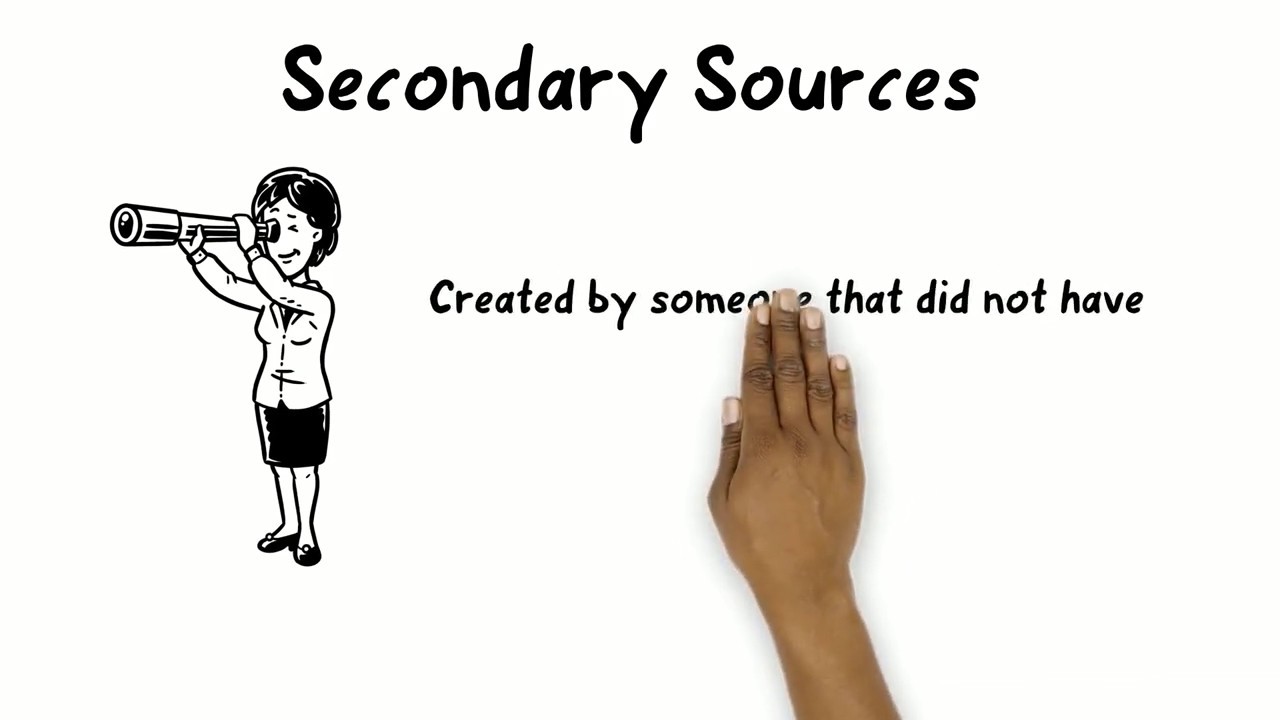
When you're searching you may also come across secondary source articles. These articles take primary sources and make the findings easy for non-scientists to understand. So, how can you tell if you're looking at a primary or secondary source?
Here are some clues to look for. This is a secondary source. It's explaining a primary research study, describing work done by others.
It does not assume that the reader is aware of the topic. And so, it defines terms, like here: "the eruptions would have filled the atmosphere with fine particles called aersols. " A primary source would assume high level knowledge on the part of the reader.
Also, it's freely available on the web and it includes ads and photographs. In opposition to these characteristics of secondary sources, primary sources look very different. The first clue to look for is that the article is from a scholarly journal.
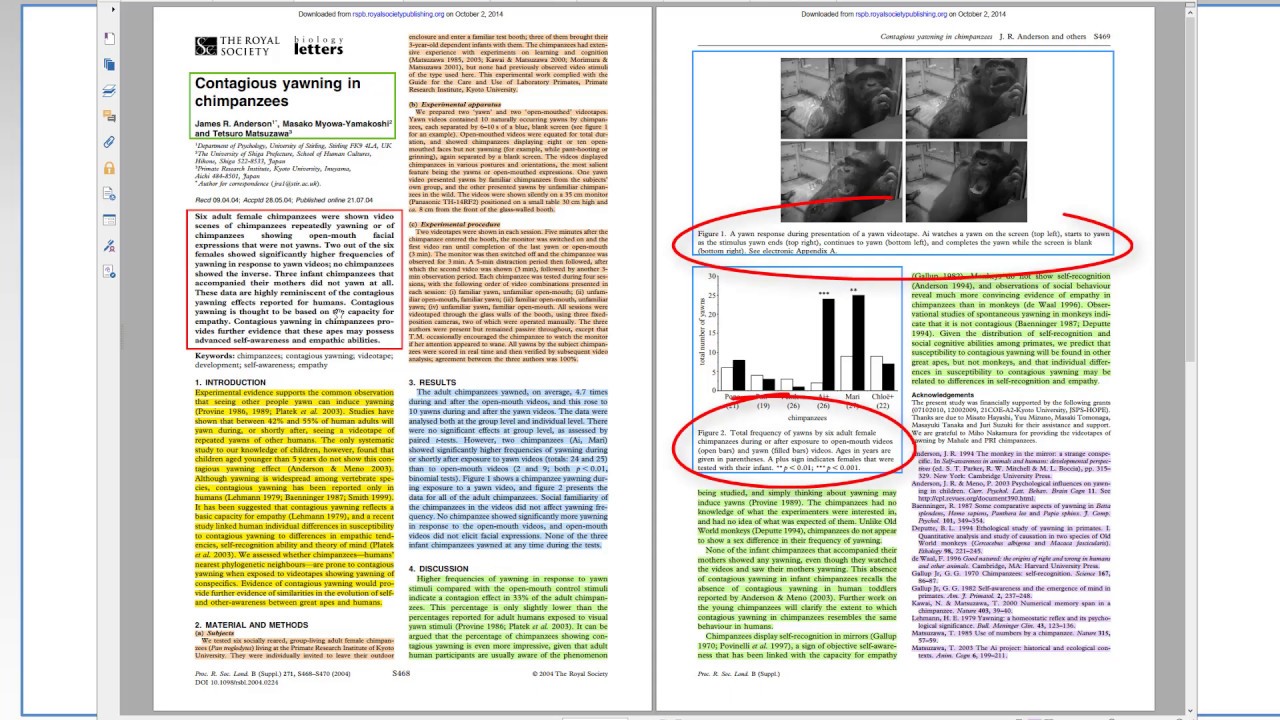
In this case "Paleoceanography. " Often, the article will have multiple authors, sometimes very, very many people. Primary sources will also have an abstract, which we will talk more about in a moment.
In the abstract, look for keywords, like research, model, experiment, study, measure. These types of words indicate that an actual experiment was conducted by the researchers. In addition to the abstract, your primary source should have the following sections: Introduction, Methods, Materials or Experiments or some combination of these, Results, Discussion, and References.
Let's talk about what each of these sections covers. And Abstract is a summary of the article that explains what the researchers did and what the major findings were. It's important to read this first to determine if the entire article is relevant to you.
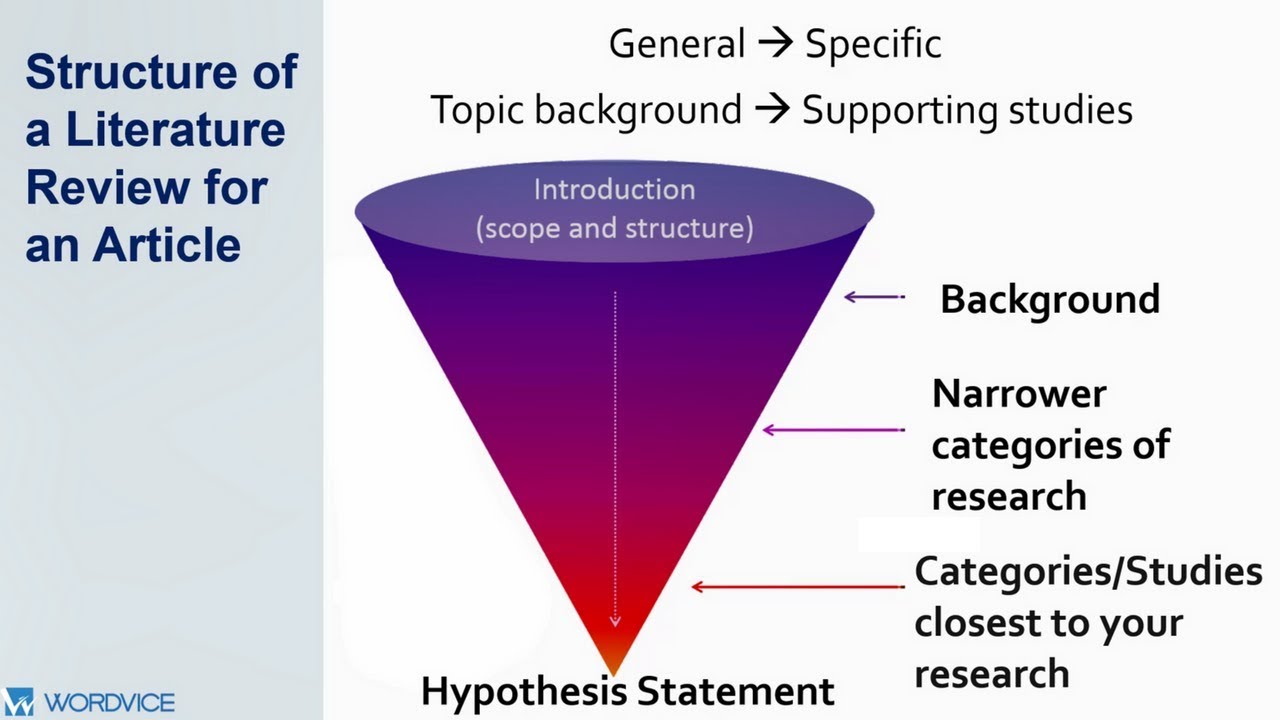
Next will be the Introduction. This portio puts the research into context and explains what will be covered in the article. Next is Methods/Materials/Experiments.
This is the "meat" of the article, where the researchers tell you what they actually did, the ACTIONS they went through to do the research. After that, will be results. What did the research CREATE.
What data and observations have the researchers come up with? There will often be charts and graphs in this section to better to illustrate that to the reader. Then the discussion.
Why did they do this research? What did they find out? Why is it useful?
The researchers will go over the data, explain its significance, and draw conclusions about it. They will then talk about what remains to be known on the topic and make suggestions for further research to follow up on what they have discovered. Lastly, there will be a set of References.
Just like you need to cite your sources, Primary Research Articles will also have a list of citations at the end. This list will usually be very long, in some cases multiple pages. When you find an article that may be a Primary Source, before taking the time to read it entirely, scan it to see if it has all six sections.
They should be clearly marked as these are, but occasionally they might have different terms. If you have any questions make sure you ask. It is also important to look for these other clues that may help you determine.
In the general appearance it should be long, at least 6-8 pages, maybe many more. It won't have pictures, but it could have illustrations in the form of charts and graphs and it will have complicated technical language with minimal definitions, assuming the reader already knows. Now that we know what we're looking for, where can we find a Primary Source Article?
You are ready to search! Scholarly Articles are not freely available on the web most of the time. The best place to look for articles is in a Library Database.
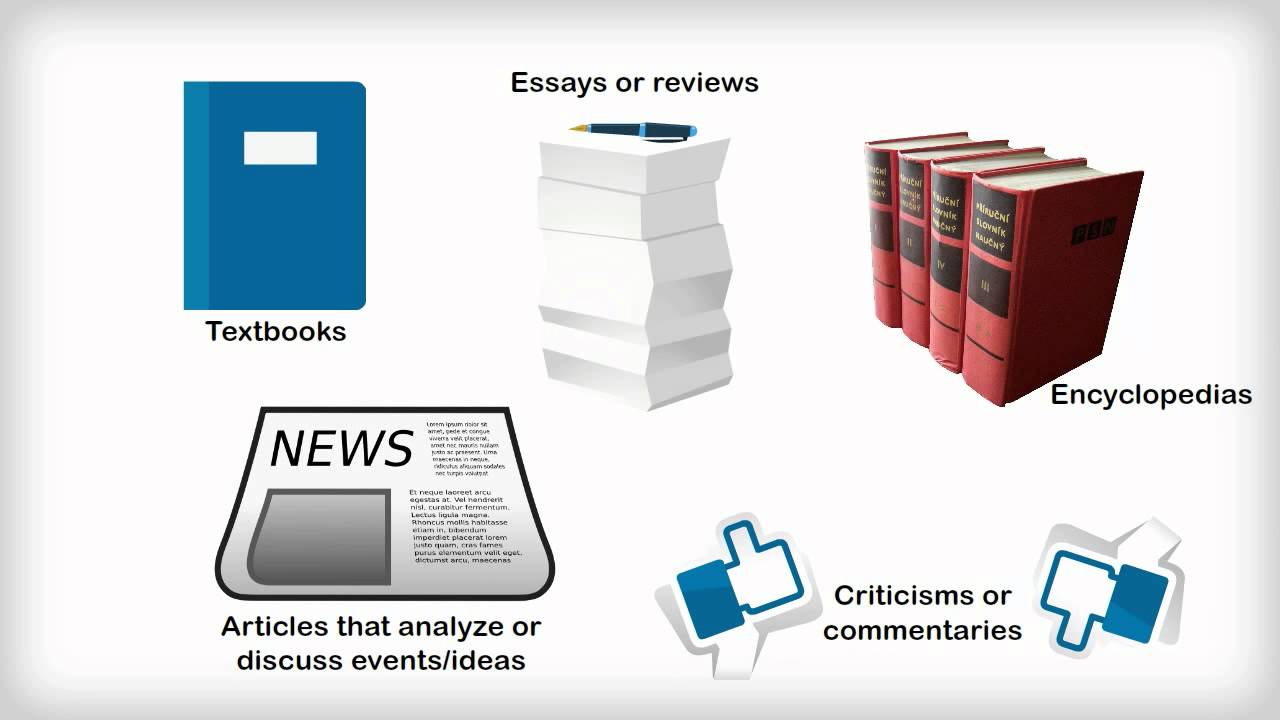
Academic Search Premier is the best place to start because it has the most scholarly articles, but ProQuest is also a good option. When you are searching, be on the lookout for these types of articles. They will also be found published in scholarly journals, but they are NOT Primary Research Articles.
Again, if you have questions please ask a librarian before proceeding. Always ask yourself: what did the researchers DO? The actual author who wrote it should be explaining what they and their team did.
When you are searching, if you run into problems or you need help, please go to the following places. The Resource Guide for this class is located linked off the library website, also at the URL here. There are video tutorials for finding scholarly articles, also linked off the library website.
You can also go to the Research Help Guide specifically which will give you some more strategies and, of course, you can Ask a Librarian. Thank you for watching!