Identifying how long it takes between making the basic research and taking to production is very hard. These things happen in a very nonlinear manner, we don’t know very well. So, it is very difficult to identify which will be the new technology.
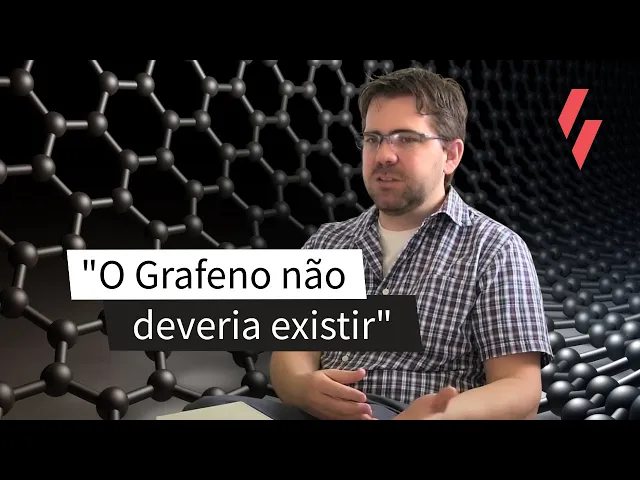
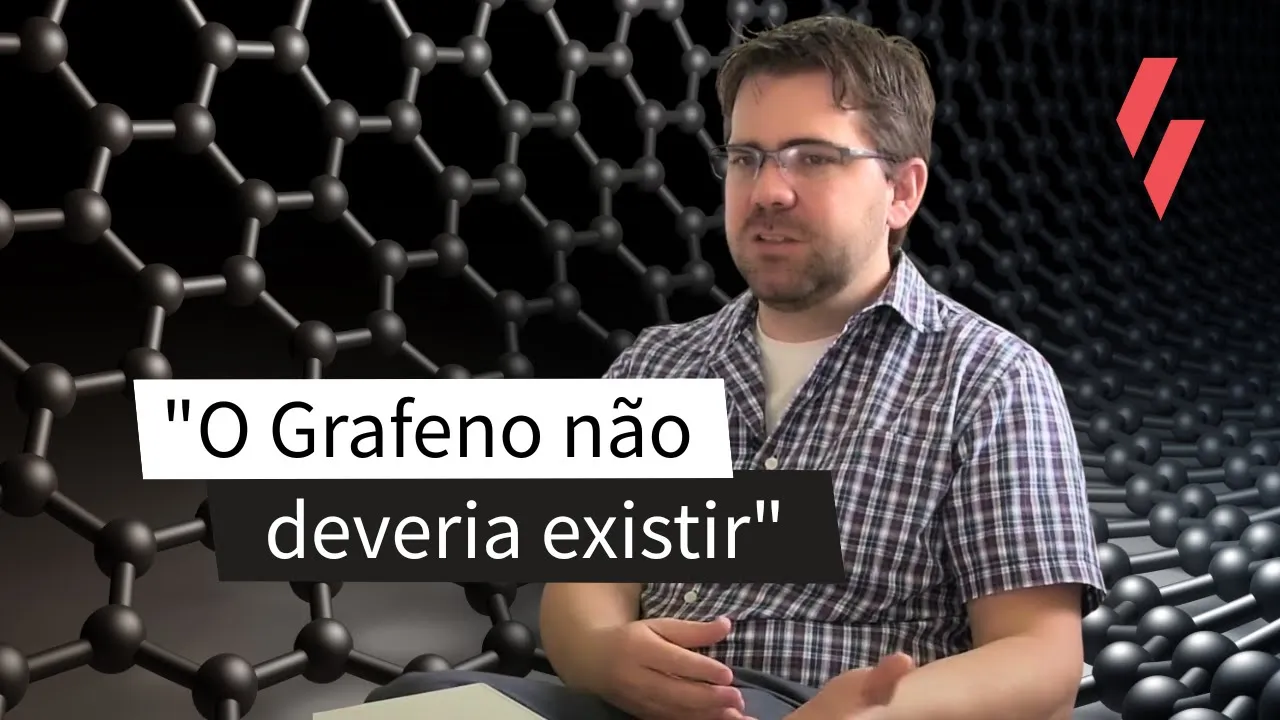
You bet on various things and someone will hit the gold mine. Graphene can be the new technology. There is a theorem in physics that states that you should not have a two-dimensional long-range order.
What does it mean? This means that if you caught a material that were truly two-dimensional, that is, one sole layer of atoms, and these atoms were organized in a well-organized manner, this material should not exist. So, during a long time nobody looked for something like this because you simply assume that it won’t exist.
What happened in 2004 is that André Geim and his post-doctoral student, started to look at graphite. Then they took graphite and started to stretch graphite. So, you apply the masking tape on the graphite and at the time you take it there is a lot of small pieces of graphite that are in this mold.
And this technique is used a lot because graphite serves as an electron microscope tip. You do it to clean the tip. What they did was to look at garbage that we usually leave on the masking tape.
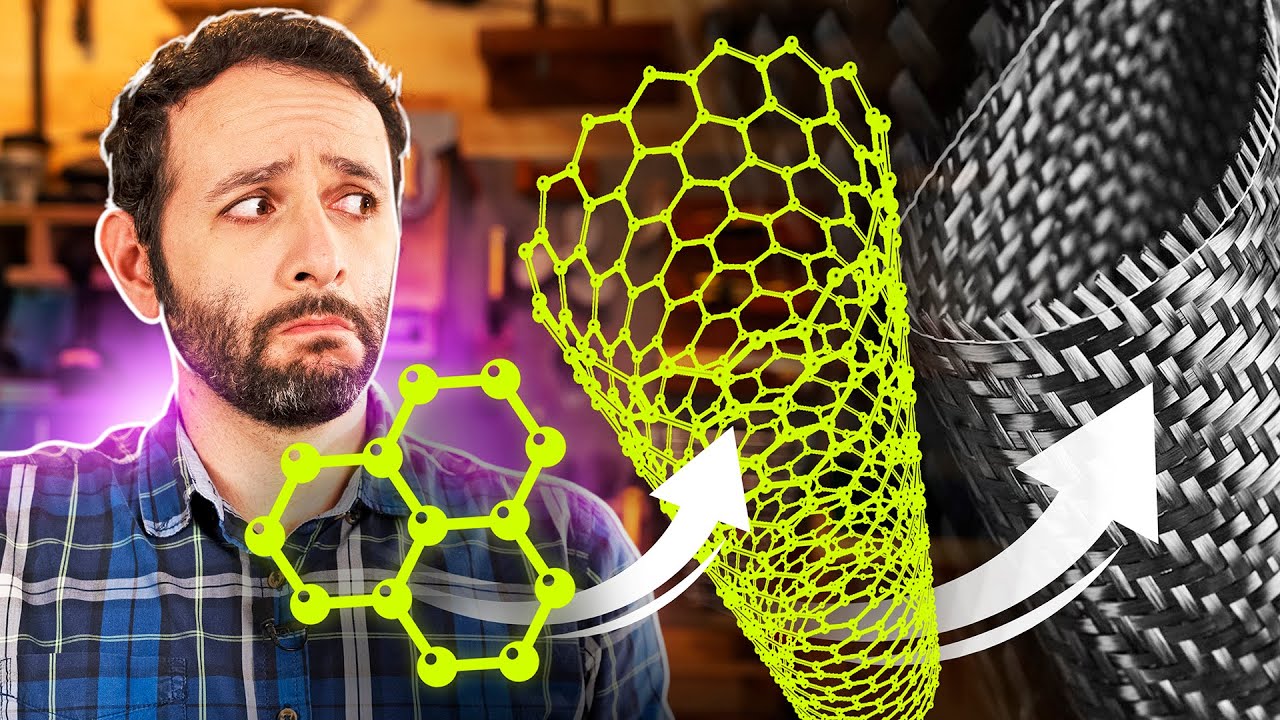
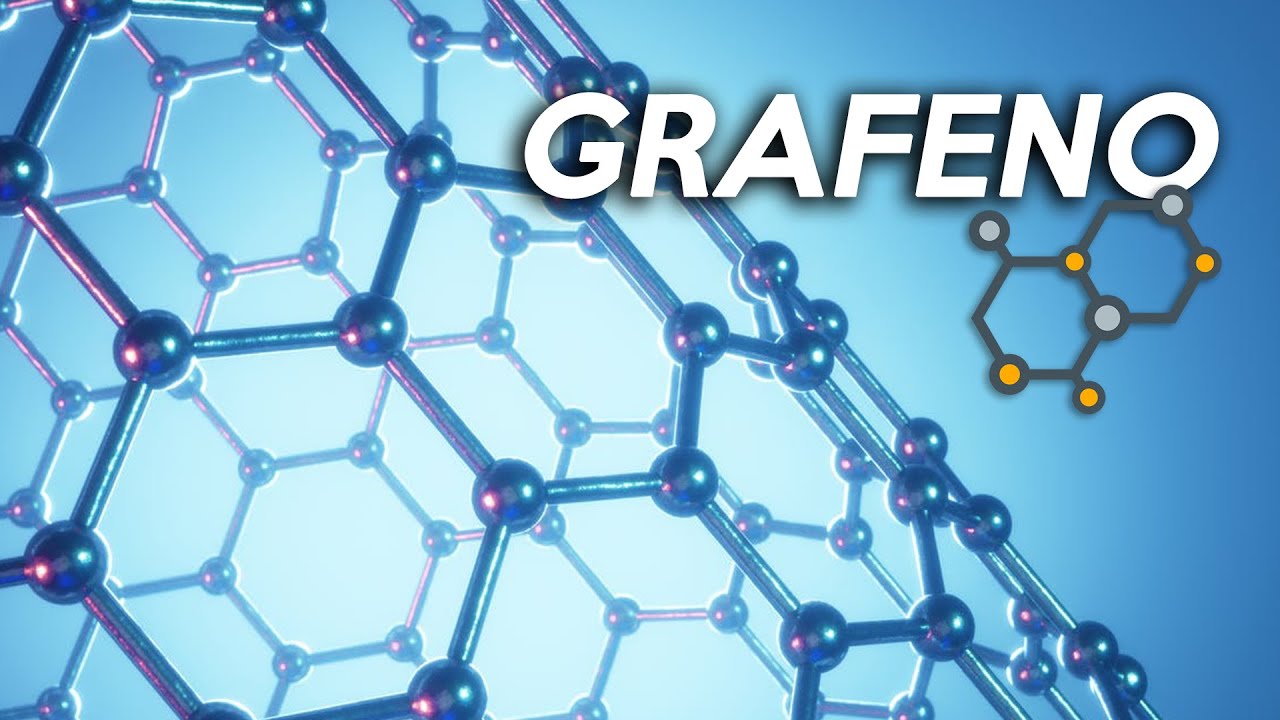
Graphite are various layers formed by one single atom in the shape of a beehive-like structure. And they expected to see few layers but they found a situation in which there was one sole layer that remained from that structure that forms graphite and this layer is what we call graphene. So, it created a frisson in the condensed matter physics community because on the one hand you have an object that should not exist and on the other hand it has very interesting properties, moreover it is formed out of carbon atoms, we know that carbon atoms have very strong chemical bonds, so much so that diamond is only formed of carbon, so it’s an extremely strong material, it’s a material that conducts electricity very well and conducts heat very well.
It seems that it’s the dream material for you to be able to construct the electronic. . .
It is the material of the future. I entered this graphene area in 2007 I keep working with graphene and some other 2D materials. From the applied viewpoint, there is a line whose idea is to develop devices for DNA sequencing.
Currently, you make DNA sequencing through a method called Sanger, which is the optical method. It is an extremely complex method because you make it in various and various phases. The idea is, if you want to make this process cheaper, you can go the doctor and the doctor says: “ah, let’s make a DNA sequencing to identify all your possibilities of disease”, but not only for it.
For example, I want to know whether a certain treatment will have an effect on you or not. To do it, the NIH imagines that sequencing must be below one thousand dollars. We are getting near some thousands of dollars but has not overcome this barrier, which they consider as a critical barrier.
And this barrier will be overcome only if a new methodology arises that is fundamentally different from the methodology used nowadays. And the idea is that you use a membrane and pass the DNA through this membrane and, somehow, while it is passing through this membrane you say: so the base in that membrane at that moment is base X. Then you get down a little bit more and see the next base.
It’s more or less as reading a cassette tape. You have the cylinder head and the tape passes and somehow you know which is the basis that’s there. Our proposal is that the membrane itself works as if it were a conductor wire that while you pass a stream, according to the basis that is there, it will change the stream and you will get to identify it.
Then it would have a signature of the base. And the membrane, in this case, would be graphene. It could be other things, but this is one of the ideas that we have.
Part of my interest that is also fundamental is the fact that the DNA is within a liquid, from the computational viewpoint, this is extremely difficult to be simulated, and we want to understand what is happening at atomic level as well. The man in the company is only interested in knowing whether it will work or not, but we are interested in much more fundamental problems. It’s a little bit of it, this desire for discovering new things.
It’s always a challenge, it’s always learning something different I think this is difficult to find in another career. I breath physics all the time. My personal interests include physics, I don’t know whether I would be able to do anything else.
I think. . .
I won’t say “for the world’s sake, for the society’s sake” but for my personal sake I do science.