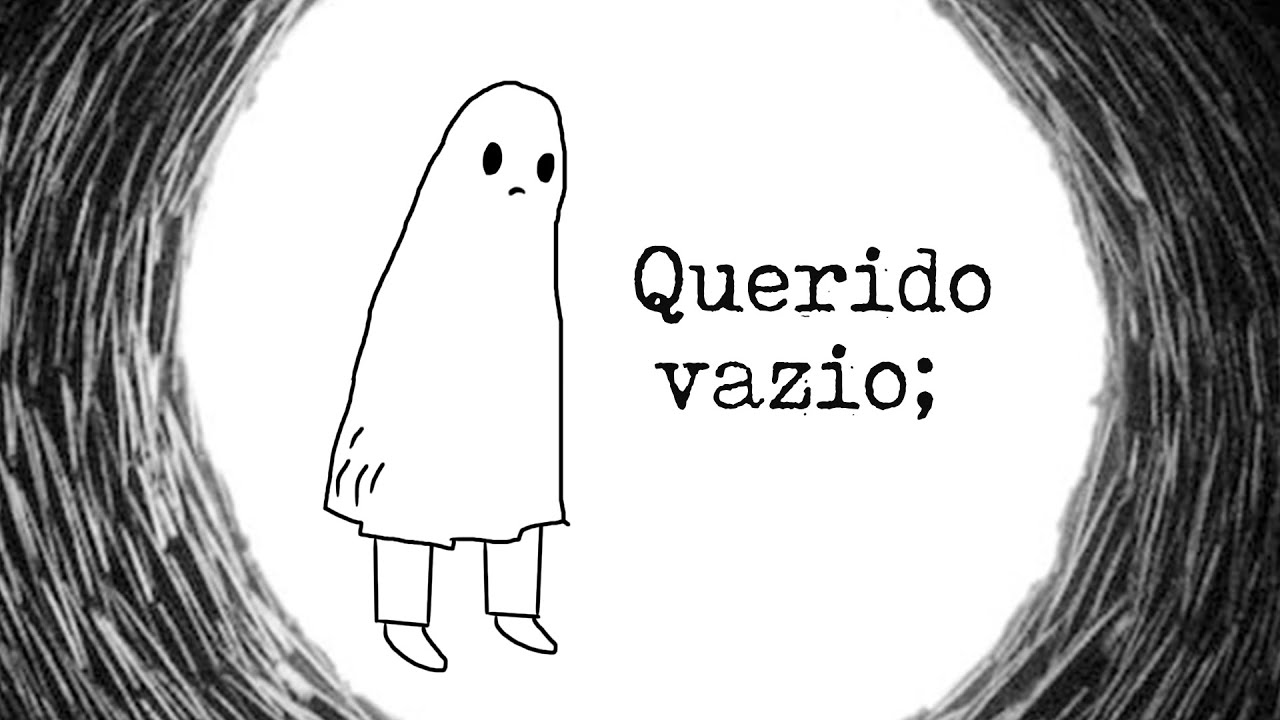
I'm Julia, a psychology student, and I'm Lisa Guerra, also a psychology student, and in this video we're going to talk about depression, which is a subject that many people know, many people know, many people have been through this, but is a little debated subject, despite being so present in today's society. We already have a video about anxiety, it's here on the card to watch later, but I hope this video is very informative and brings a lot of things for you to learn, and leave a nice message. Come on!
Before starting, I want to remind you that our course on Behavioral Psychology together with prof. and phd Martha Ludwig, there's a discount, so enjoy and take a look at the description link! It has very cool topics similar to this one, it was prepared with great care, with activities, it's very complete and very cool!
Lisa: Sadness is not pathological, it is often even a moment of reflection, the problem is when it becomes so recurrent that it harms the person's functioning. Depression is something pathological that takes over the subject's life. According to the WHO, depression affects more than eleven and a half million Brazilians, this is VERY SAME, that many do not have the correct diagnosis, because if they had, the number would perhaps even double.
Julia: An interesting metaphor for depression is the dementors from the Harry Potter saga. They are cold, icy creatures that feed on people's happy memories until there's nothing left. Harry himself has said that being in their presence is like feeling like you'll never be happy again.
In fact, the author herself has already confirmed this theory and we have an entire video talking about it here on the card. Lisa: Depression can manifest itself differently from person to person, but some of the most characteristic symptoms are: depressed mood, feeling that everything and all efforts are in vain, feeling of emptiness, of wasting time and meaning, accompanied of accentuated sadness that remains most of the days, with loss of pleasure in activities, sleep disturbances, either due to lack or excess of it. Julia: We can see most of these symptoms very well illustrated in the Bojack series, which is a deep journey into the psychological of an actor who seeks to resume his failed career but who has already gone through a lot in his life and as a result ends up damaging his relationships and performance in professional and personal life.
Lisa: In depression there may be mild cases, that is, they bring relatively little damage and incapacity and even very serious ones, which lead to the subject's total incapacity. These variations can also make identification difficult, as common sense assumes that a person with depression is just one who stays in bed all day and is incapacitated, when in fact there are several other manifestations of the disease that can often be overlooked by those who are around. But the most important thing to understand is that depression is not synonymous with weakness.
Julia: In the This Is Us series, we are introduced to three characters, each with their own story but suffering from depression and anxiety. And the series always addresses the importance of family support and the path to treatment, and in real life it's not much different. Having the support and acceptance of those around us is very important, so if you know someone in this reality, listen to the person, welcome, after all, we cannot let this become a stigma, a taboo, as this can cause many people with this condition end up not seeking professional help.
So, when faced with situations like this, welcome and mainly seek help, after all, this can interfere and bring harm to several factors in the person's life, so the treatment is essential to improve the quality of life. Lisa: Depression is a chemical imbalance in the brain, but that alone would not explain the full complexity of the illness that can make us more vulnerable, with a sense of loss of control. And its causes vary greatly from person to person, such as stress, heredity, or as in the case of Kakashi, who is a character who as a child lost his family, friends and had to deal with the elaboration of various grieving processes by living in a very harsh reality for anyone.
We have a video of him explaining the 5 stages of grief here on the card. But in short, the causes vary from person to person, and the fundamental pillars of treatment are: psychotherapy with a professional, in some more specific cases the use of medication, but physical and social activities and the pursuit of activities are also very welcome. that give pleasure.
Depression is not freshness, it is a disease that needs proper treatment. Nobody chooses to have depression. Would it be like asking someone why they have diabetes or why they have asthma?
If you have any questions, leave it here in the comments, and if you liked this video, leave a likezão here, which helps to promote it there. Thank you so much for your attention, bye!