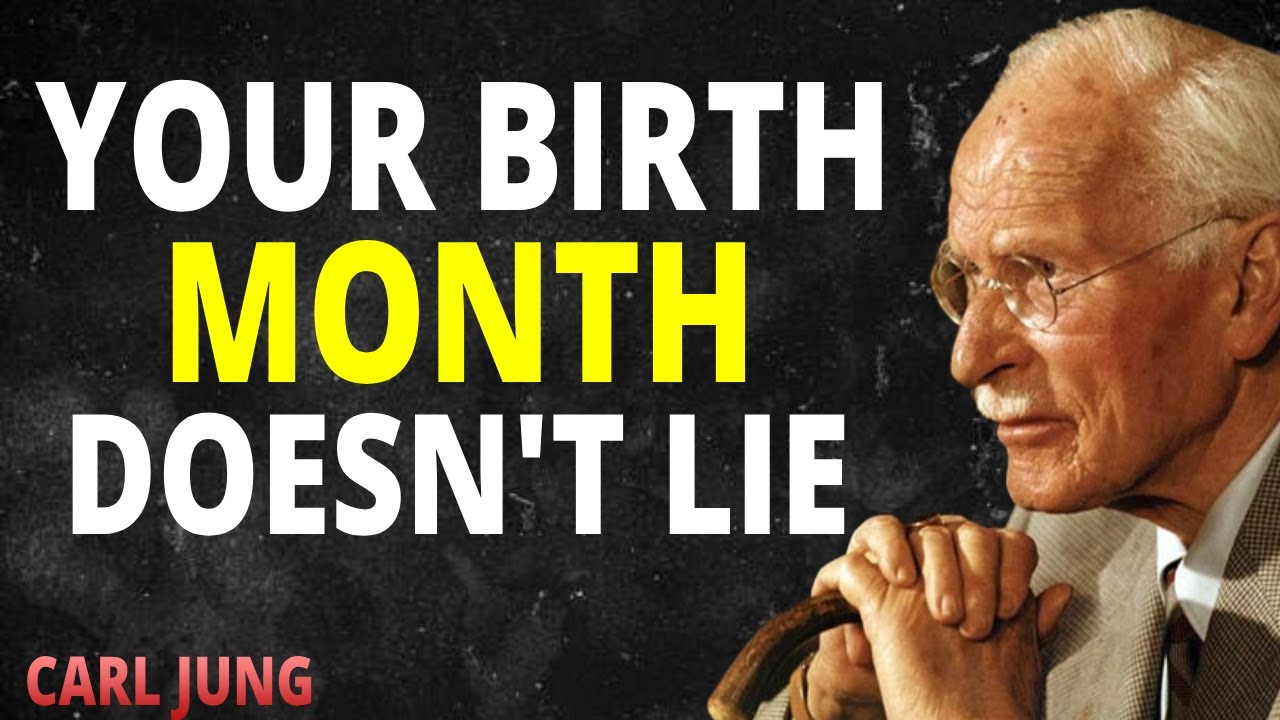
Have you ever met someone who appeared perfectly reasonable, composed, well-mannered, even generous, yet left you with a strange sense of unease? What if the true danger in people isn't found in explosive tempers or overt hostility, but in something far more subtle? Carl Jung, the pioneering Swiss psychiatrist, believed that one particular trait, often hidden in plain sight, marks the most dangerous kind of person.
It's not the trait we instinctively fear, like aggression or dishonesty. In fact, this danger often wears the quiet mask of calm, control, and even charm. That's precisely why it can go unnoticed until it's too late.
In this video, we're going to explore Jung's deep psychological insights and gradually uncover the warning sign you should never ignore. By the end, you might start seeing certain people in a very different light. Before we begin, make sure to subscribe to the Mental Dose channel and join our Telegram community, where you'll get early access to new videos and insights on personal and spiritual growth.
Now, let's get started. To understand Jung's warning, we need to start with how he saw the human mind. Jung believed that every person wears a mask, a social persona designed to function in the external world.
But behind that mask lies the unconscious—a vast territory filled with instincts, suppressed feelings, and universal archetypes. One of the most important parts of this hidden realm is what Jung called the shadow: the collection of all the traits we reject in ourselves. Jung believed that the shadow is not created by society alone; it emerges from the tension between who we are and who we believe we must be.
As children, we absorb messages about what is acceptable, lovable, or worthy of praise. Traits that don't fit those messages, like vulnerability, anger, ambition, or independence, are quietly buried. Over time, we come to identify only with the parts of ourselves that earned approval while disowning everything else.
But the disowned doesn't disappear; it waits. It lingers beneath the surface, shaping our reactions, choices, and perceptions in ways we don't recognize. This silent influence is what makes the shadow so crucial and so dangerous when left unexplored.
What makes the shadow so powerful is that it's not inherently evil; it's simply unacknowledged. It contains our impulses, our envy, our fears, and even our suppressed talents. But when these parts are not faced, they become distorted.
People who deny their shadow often project it onto others, blaming the world for the very things they refuse to confront within themselves. Jung saw this as a psychological ticking time bomb. As we move deeper, let's look at what happens when this shadow is ignored or repressed entirely.
When someone denies their darker impulses, those feelings don't disappear. Instead, they retreat into the unconscious, gathering energy and waiting for release. Jung warned that what is not made conscious will be lived out as fate.
In other words, the more we refuse to see our flaws, the more those flaws control us from behind the scenes. The unconscious doesn't simply store repressed impulses; it transforms them. Jung saw the unconscious not as a passive container but as an active shaping force.
When parts of the self are denied, they don't lie dormant. They mutate, seeking expression through indirect and often destructive channels. The more these disowned aspects are suppressed, the more symbolic and irrational their emergence becomes.
Nightmares, compulsive behaviors, irrational fears, or self-sabotaging patterns can all be signs of a shadow trying to break through the barrier of consciousness. Jung believed that the longer we ignore these signals, the more they escalate, pushing the individual toward breakdown or breakthrough. A person who represses their shadow may appear serene and composed, but their inner world tells a different story.
Over time, this split between the outer self and the inner reality creates tension that must find an outlet. Sometimes it appears as emotional outbursts; other times, it leaks through sarcasm, control, or subtle acts of cruelty masked as concern. These people don't understand why they sabotage relationships or feel chronically dissatisfied.
But the root is always the same: a shadow left unacknowledged. This dynamic becomes especially dangerous when it's coupled with a certain illusion—one that Jung considered even more insidious. The people Jung warned us about most weren't the openly hostile or violent; they were those who believed they were entirely good.
When someone sees themselves as morally pure, spiritually elevated, or fundamentally righteous, they often lose the ability to reflect on their own behavior. What makes moral superiority so treacherous is its immunity to self-criticism. People convinced of their goodness will justify manipulation as help, control as protection, or even cruelty as tough love.
Their actions may look ethical on the surface, but beneath them lies a hidden agenda: the avoidance of their own shadow. Jung believed that the more someone clings to an identity of virtue, the more likely they are to unconsciously act out its opposite—precisely because they buried any awareness that it exists within them. So, what connects all of this?
What is the invisible thread running through these dangerous patterns of behavior? Jung gave us a chilling answer. But before we explore it, if you're finding this video insightful, consider sharing it with someone who might need to hear these ideas.
And if you'd like to support Mental Dose and help us keep creating thoughtful content like this, you can click the "Thanks" button below the video to leave a donation. Your support truly helps us continue this work. Now, let's return to Jung's most alarming insight.
According to Carl Jung, the most dangerous sign in a person is the complete absence of shadow awareness. When someone refuses to admit their own capacity for. .
. Wrongdoing, when they see themselves as incapable of anger, cruelty, or deception, they become truly unpredictable. It's not the presence of darkness that makes someone dangerous; it's the denial of it.
People who recognize their flaws are often more trustworthy because they are aware of their potential to harm and take steps to avoid it. But those who believe they have no shadow are blind to their own behavior. They justify everything, rationalize anything, and leave a wake of confusion behind them, never understanding the role they played.
In Jung's view, this is not just a psychological flaw; it's a form of spiritual blindness. So, next time you meet someone who insists they're always kind, always moral, always in the right, pause. Ask yourself: what are they not seeing in themselves?
The answer might just protect you. If these ideas have given you something to reflect on or challenged the way you see yourself or others, leave a comment below. I'd love to hear your perspective.
And if you'd like to continue exploring the deeper layers of the human mind, don't forget to subscribe to Mental Dose. Because the deeper we look into others, the more we're inevitably drawn into the depths of our own soul.