12 TOP Foods The People Who LIVE LONGEST Eat Every Day! There are many aspects of our eating habits that could be vastly improved. In fact, the Standard American Diet, which is full of processed foods, extra sugar, and saturated fats, is a big reason why people have so many health problems.
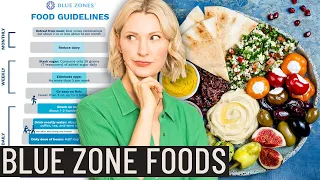
We're lucky that there are other places in the world to get ideas from. For example, the Blue Zones are five places around the world where there are the most centenarians. We can learn a lot from what the people who live the longest eat every day.
All of this will be talked about in today's video. Let's get started. Before we talk about the foods, let's talk about the five Blue Zones.
These locations include Sardinia in Italy, Okinawa in Japan, Ikaria in Greece, Nicoya in Costa Rica, and Loma Linda in California. Despite the fact that each zone eats different foods based on its environment and way of life, they all share many similarities in their eating habits. People in these places, for example, eat mostly plant-based foods, eat a lot of whole grains, eat a lot of fruit and vegetables every day, and do not eat too much processed food or added sugars.
Now, let's talk about the 12 most common things they eat. Blueberries Blueberries are a great food to eat as a snack. Instead of eating bad foods when you're hungry between meals, you can eat some blueberries.
They can also be used to make sweet treats and desserts. Anthocyanins are also in blueberries, and they help lower the chance of a number of diseases. Blueberries can help you keep your weight in check.
The fruit also helps protect nerve cells. These berries are full of good things for your body, but they don't have many calories. Blueberries have antioxidants that can protect your cells from oxidative stress, which can damage D N A.
They also make it less likely that a person will get cancer. When you have a lot of L D L cholesterol, oxidative stress can also hurt you. Heart disease happens when cholesterol is degraded.
You can stop this from happening if you eat more blueberries. The berries also lower your blood pressure. They can help you remember things better and slow down the aging of your brain.
Blueberries can slow mental aging by more than two years, according to a study of more than 16,000 people. 2. Fish Adventists in Loma Linda often eat fish, even those who eat mostly plants.
According to a study that followed 96,000 Americans since 2002, the people who lived the longest were neither vegans nor meat eaters, They were "pesco-vegetarians," or pescatarians, who ate mostly plants but up to once a day had a small amount of fish. In other Blue Zones, fish was a regular part of daily meals and was eaten about two to three times a week on average. Small fish like cod, anchovies, and sardines are common in many Blue Zones.
There is not much mercury in these "middle-of-the-food-chain" fish. 3. Leafy greens I know you don't want to hear this, but you should start eating more healthy greens.
It's not easy, since so many of us have avoided things like spinach since we were kids. Our brains are almost wired to stay away from leafy greens. Well, you'll have to forget all of that.
One way to live a long life is to eat a lot of leafy greens. They have a lot of vitamins and minerals. They are full of fiber and lower your risk of having a heart attack or high blood pressure.
Folate is found in leafy greens in particular. This is a B vitamin that your body needs to make D N A and R N A. It makes sure that cells grow the right way and work the right way.
Folates are very important when a person is growing. This is true from the time a woman gets pregnant until her child is a teenager. Folate is best found in kale.
Even just one cup of cooked kale can give you 20 percent of the daily amount your body needs. Vitamins C and K are also found in leafy greens. People think that citrus foods are the best way to get vitamin C.
But Vitamin C is also found in a lot of leafy greens. One cup gives you up to 25 percent of what you need for the day. To help your bones grow and stay healthy, your body needs a lot of vitamin K.
It also keeps blood from clotting. The good news is that fresh greens have a lot of vitamin K. 4.
Olive Oil Olive oil is widely utilized in Mediterranean nations like Greece, Italy, and Spain. It's a key part of the "Mediterranean diet" that people talk about. Monounsaturated fatty acids, which are found in olive oil, are good for your heart.
Studies have shown that even half a tablespoon of olive oil is good for you. The results of that study showed that the people who took part were 20 percent less likely to get coronary heart disease. Polyphenols are also found in a lot of olive oil.
Most of these polyphenols come from plant foods. They can protect cells from damage and inflammation by acting as antioxidants. The oil can also make it less likely that you will get type 2 diabetes.
In one study, it was found that people who ate a lot of olive oil had a 40 percent lower chance of getting diabetes. 5. Purple Sweet Potatoes The purple sweet potato is full of good things for you.
The ingredient in the potato that gives it its color is called anthocyanin. This pigment is also a powerful antioxidant that can help boost your immune system and prevent inflammation. A good source of fiber is also the purple sweet potato.
So, purple potatoes improve the health of your gut, which makes it easier to go to the bathroom. You can keep from getting sick with things like constipation and diarrhea. The vitamins in the purple sweet potato can also lessen oxidative stress.
Your chances of getting cancer will go down over time. 6. Nuts When was the last time you ate a bowl of nuts?
Nuts are full of healthy fats. They also have omega-3 fatty acids, which are very important. These help keep your L D L cholesterol, which is also called "bad cholesterol," low.
Nuts also have a lot of good things for you, especially fiber. Your cholesterol levels can be kept in check with fiber. Also, it helps keep your blood sugar level steady.
Antioxidants, which are found in nuts, fight free radicals, making you less likely to suffer reactive damage. They can also help reduce inflammation. Nuts help keep your gut in good shape.
We don't want to pry into how you use the bathroom, but it makes your stool bigger and softer. This makes going to the bathroom so much easier. Eating nuts instead of other snacks that are bad for you can also help you keep your weight down.
Almonds are the best for your health out of all the nuts that are good for you. They have a lot of vitamin E and riboflavin in them. These are important for keeping your eyes and face healthy.
Manganese is in a lot of nuts, like almonds and walnuts. Pistachios also have calcium and potassium, which are also important minerals. The nutritional profile of walnuts is also pretty good.
They have a lot of copper, manganese, and magnesium in them. Your body needs copper to produce the enzymes that are necessary for the production of hormones and energy. Copper also helps your blood vessels grow and makes you healthier.
Walnuts are also good for your heart and have been shown to lower the risk of heart disease in a number of ways. This includes having high amounts of blood pressure, cholesterol, and triglycerides. You can also eat nuts.
These mild nuts go well with desserts, soups, grains, and baked goods. Pecans contain a lot of good fats, fiber, zinc, manganese, and vitamin B 1. They have a lot of zinc, which is important for the defense system, healing wounds, making D N A, and growing and developing.
Pecans are also good for your heart. People who were at risk for heart disease ate peanuts every day for 8 weeks as part of a study. After some time, their L D L cholesterol and fat levels dropped by a lot.
Macadamia nuts are also pretty good. These tasty nuts have a buttery taste and are full of healthy fats, thiamine, manganese, and copper. Also, they have few carbohydrates, which makes them a great addition to low-carb diets.
7. Avocados California's Loma Linda is one of the five Blue Zones. It stands out because the majority of its inhabitants are Seventh-day Adventists.
People in this community practice their religion every day and have 24 hours per week to be still and contemplate. In addition, the majority of their diet consists of healthy plant-based foods. Avocados, which are good for you in many ways, are a favorite in the Loma Linda area.
When you know this, it's not surprising that the people of Loma Linda are so healthy. One thing is for sure: avocados have been shown to help you control your weight and lower your risk of being overweight or getting type 2 diabetes. Avocados have a lot of healthy fats, so studies have shown that they may also help lower the risk of cardiovascular disease.
8. Beans, Pulses, and Legumes Beans and other legumes should be part of a plant-based diet. There is a lot of protein in them, and they also have a lot of vitamins and minerals.
Want to get in better shape? You can also lose weight by eating beans. Rice goes well with beans.
The mix would give your body all of the protein it needs and all of the necessary amino acids. You get all of these things without having to deal with the heavy fats that are in meat. Beans and other legumes are full of fiber and complex carbs as well.
This is good for your gut health and helps your body break down food. It also makes sure that your body has enough energy all day. On the glucose index, beans are low.
This means that they raise your blood sugar much less quickly. Because of this, beans are a great food for people with diabetes. In one study, people were given two different diets: one with beans and one with red meat.
People who ate beans had much lower amounts of insulin and blood sugar than people who didn't eat beans. Beans come in many different kinds. They can be used in a lot of different recipes, so you won't get tired of them.
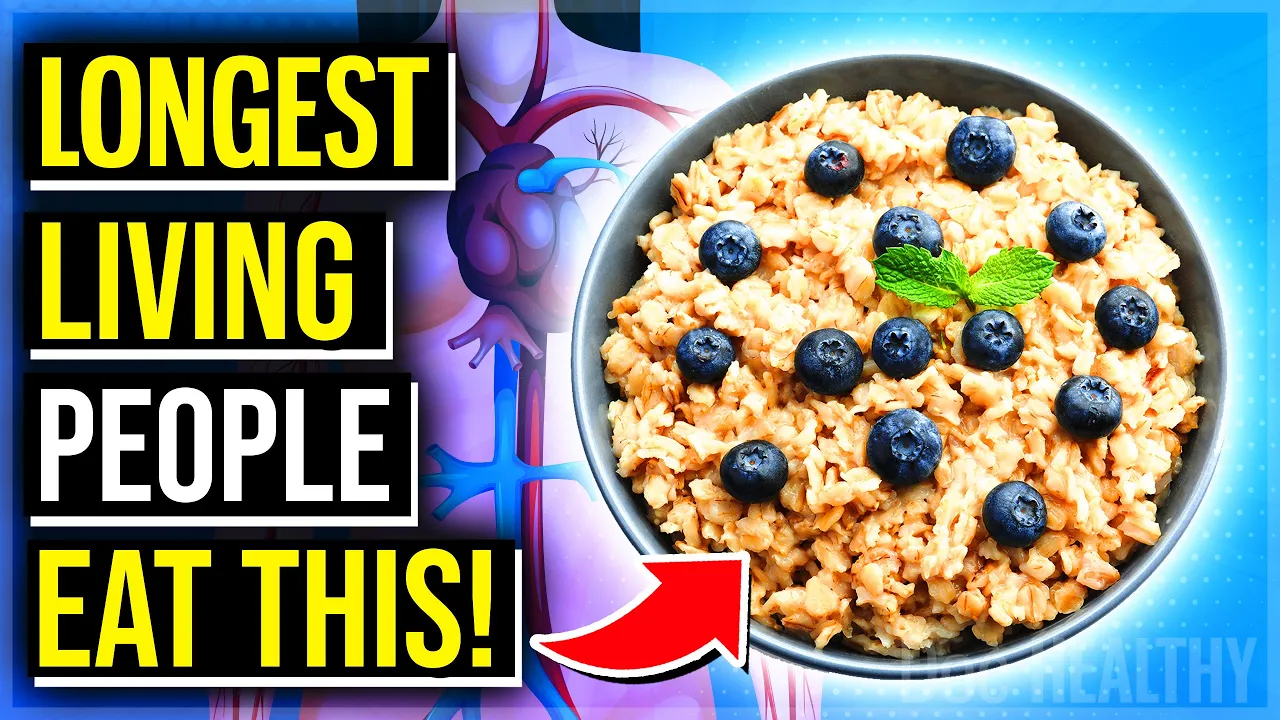
9. Oatmeal Oatmeal is a very famous food, especially among health-conscious people. It's one of the things you need to eat often if you want to live to be 80.
Fiber is good for your gut, and oatmeal is full of it. Oatmeal also has B vitamins and iron, which help control your blood sugar and keep your heart healthy. In one study, it was found that having fiber-rich oatmeal can make your bad cholesterol levels go down.
Because of this, it was less likely that people with high cholesterol would get heart disease. Other studies have shown that if you eat more cereal, you are much less likely to die young. This is especially good news if people in your family have had heart problems in the past.
10. Green Tea We like to say that green tea is a preventative medicine in a cup. Studies indicate that it reduces the risk of heart disease, cancer, type 2 diabetes, Alzheimer's disease, and obesity.
In a 2022 review of the study published in the journal Nutrients, researchers found that people who drank the most green tea had lower rates of cardiovascular disease and a lower risk of dying from heart disease or a stroke. Even though we can't say for sure that drinking green tea will make you live longer, there does seem to be a link between how long you live and how much green tea you drink. You can drink green tea, but you can also use it in smoothies, pancakes, or overnight oats as the liquid, or to steam vegetables or whole grain rice.
It can also be used in soups, stews, marinades, and sauces. Green tea powder, which is what matcha is, can also be used in drinks and recipes. Just make sure to stop drinking coffee at least six hours before bedtime so that it doesn't affect how long or well you sleep.
11. Tomatoes. Tomatoes are a key part of most people's meals.
If you don't eat enough tomatoes on a daily basis, you should start cooking with them. Tomatoes have a lot of vitamins, especially lycopene, which makes them red. If you have a lot of lycopene in your blood, you have a lot less bad cholesterol.
HDL cholesterol, or "good" cholesterol, will also go up at the same time. The two together will help your heart stay healthy. A lot of lycopene can also make it less likely that someone will get cancer.
Research has shown that they can help fight cancers of the prostate and stomach. Tomatoes also have a lot of nutrients and water. Because it has water in it, it keeps you from getting dehydrated.
The fiber in tomatoes makes digestion better and keeps you from getting constipated or having diarrhea. 12. Sourdough Bread Bread has been an essential part of the human diet for at least the past 10,000 years.
It continues to be a primary component of three of the five blue zone meals. Even though it's not often used for sandwiches, it's a part of most meals. But what people in blue zones eat is nothing like the bread that most people in North America buy.
The majority of store-bought breads begin with bleached white flour, which the body rapidly converts into sugar. White bread provides calories that are not particularly filling and raises insulin levels. White bread and glucose make up the normal glycemic index score of 100, which is used to compare all foods.
This kind of bread can help get rid of gluten, make it easier to stomach by breaking up its simple sugars, and make for an overall healthy experience. In fact, studies show that sourdough can help the digestive system work well, change the gut microbiome, and lower the glycemic load. The people of Sardinia, Italy, a Blue Zone region, eat goat's milk, flatbread, beans, and sourdough bread.
We learned what the best foods are to eat to live as long as possible. But there are always other signs of health to watch out for. From signs of colon cancer to not getting enough vitamins.
Want to find out more? Watch: 8 Early Warning Signs Of Colon Cancer You MUST NOT IGNORE OR WATCH 9 Alarming Signs Your Body Is Missing Vitamin E You can watch either or both of them. What foods in this video were your favorite?
Let us know in the comments below.