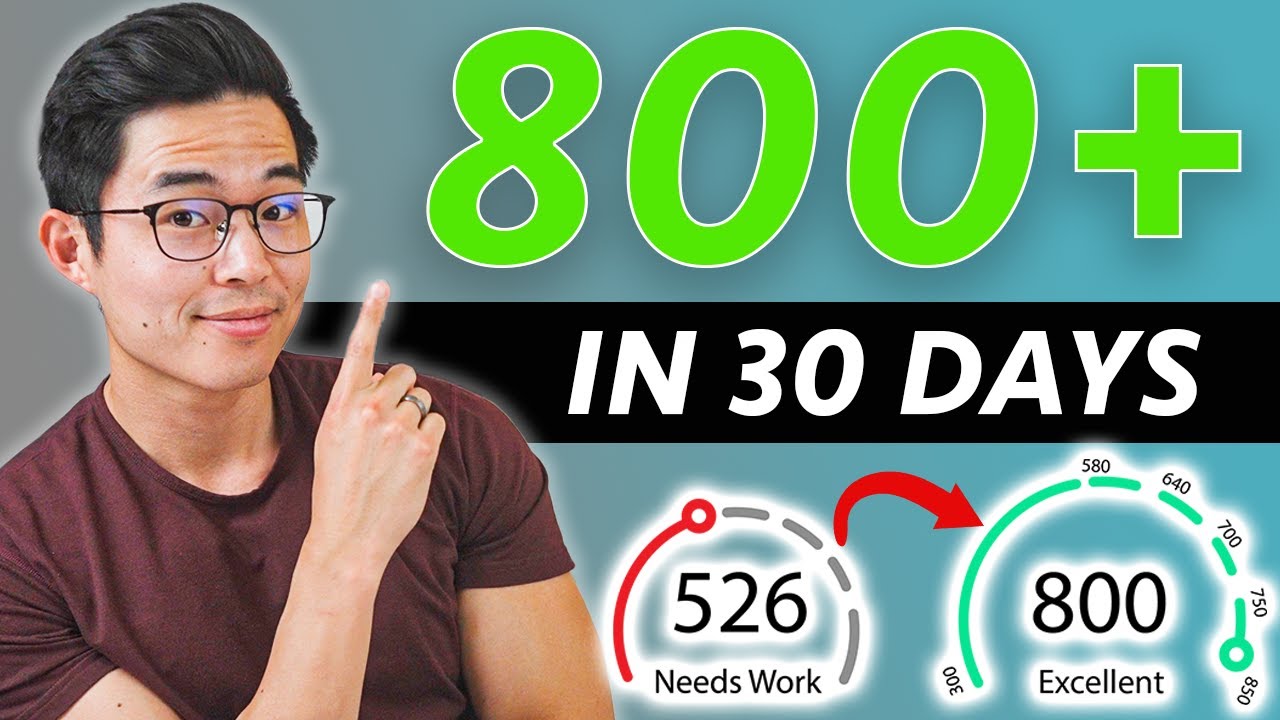
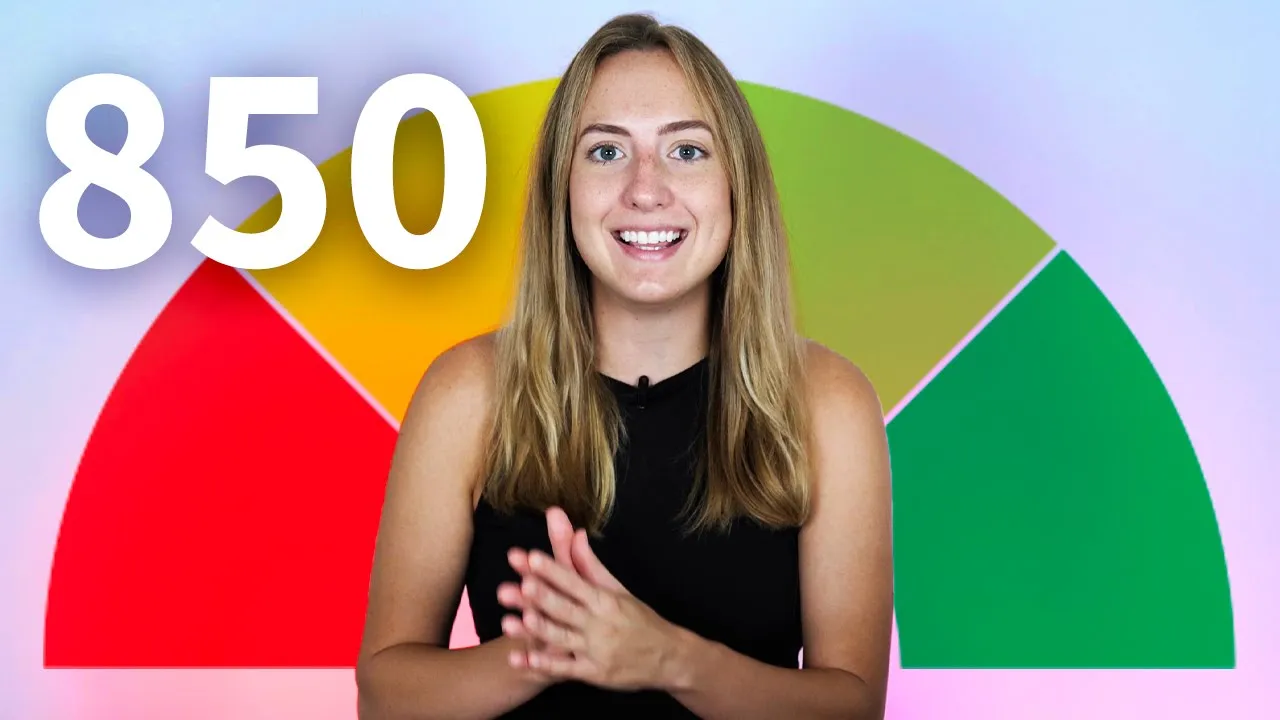
we've all heard of credit whether you associate credit scores with being a good thing or with being an annoying inconvenience in this video we're going to break down why you need a good credit score and how to actually work towards achieving a perfect credit score before we dive into this we need to understand how credit actually works so credit scores are on a scale from 300 to 850 and this score represents your credit risk to banks and lenders this number represents the likelihood of you actually paying your bills or paying back loans on time you can kind of think of it like the mental scale that you have in your head of how trustworthy a friend is when you lend them money we all have that one friend that we know will never pay us back if we pay for something or lend them money so the likelihood of you actually lending that person money when they ask is probably pretty low if you've encountered that with them once or twice so banks and lenders are doing the exact same thing now they will break this score down into different ranges a score between 300 and 629 is generally considered bad 630 to 689 is fair 690 to 719 is good and any score between 720 and 850 is considered excellent for a lot of young people especially credit scores can seem like this random number that just changes all the time and they don't actually start paying attention to it until it's too late for any major purchase that you're going to make in your life like a house or a car if you intend on taking out a loan you will need a good credit score but credit scores aren't something that you can build or fix overnight so it is something that you need to start paying attention to as soon as you're aware of it you don't want to get to the age where you're trying to buy a house go to get a loan and then suddenly they tell you that your credit score isn't high enough and discover that it'll actually take a while to get there and you'll miss out on the house you were looking at when you have a lower credit score you'll have to pay higher interest rates whenever you're trying to take out a loan for a house or a car or a personal loan or you may just have less loan options in general sometimes a low credit score can cause you to not qualify for a loan at all so yes your credit score can have you paying more for the things that you want most how much well if you are trying to buy a 500 dollar home and your credit score was six thirty at a six point six percent interest rate your monthly payment comes out to three thousand one hundred ninety three dollars but if you had a 730 credit score and you were able to qualify for a 4. 7 interest rate your monthly payment would be 2 593 so with that bad credit score you'd be paying 600 more per month and 216 hundred thousand 000 more over the life of the loan bad credit can follow you around for years so it's best to build a good credit score from the beginning or to be extremely proactive about improving it that's why i partnered with smart credit the new way to manage your credit and quickly add points to your score with their patented score boost feature the average user on here adds 61 points in less than a month that could save you ten thousand dollars on a car loan or over a hundred thousand dollars on a mortgage you can also manage and fix credit reporting errors directly with your creditors right in the app so there's no more needing to send letters or calls since they do it for you at no extra cost saving you a ton of time and money and they not only monitor your credit but also monitor your credit card charges try it now for just a dollar using the link in the description and become a better user of your money and credit when you have a good credit score it makes all of that a lot easier you'll have an easier time getting loans you'll be able to shop around for better interest rates and you'll likely encounter less issues when you're applying to apartments you may be wondering if it's actually even possible to get a perfect 850 credit score yes it is about 1. 2 percent of fico scores in the us are at that perfect 8.
50 mark but if you do want a good credit score or if you want to one day achieve that perfect credit score it's not going to happen by accident that is something that you're going to have to plan for and work towards now let's talk about the things that affect your credit score and what you can do in each of these categories to start working towards that perfect 850. first category is payment history this is just the record of whether or not you've paid your bills and loans on time the things that negatively affect this part of your score are making late payments or completely missing payments you can start improving this part of your score by paying all of your bills on time you want to pay them on time and in full every month and you don't have to actively remember when your bills are due go into every single account that you have and set up automatic payments literally pause the video right now if you do not have automatic payments set up and go do that if you do accidentally miss a payment or make a late payment you can sometimes contact your credit card company and have them wipe that late payment from your record if you do use smart credit then you can do that directly through them and you don't actually have to figure out who to call but do realize that this is like a one-time chance type of thing you aren't going to be able to make your payments late every month and call them up and just be like oops sorry i forgot again like it doesn't work like that they'll forgive you once maybe twice but you need to make sure that you're making those payments on time the next category is credit utilization this is how much of your available credit you're actually using so what negatively affects this is if you're using too much of your available credit or if you're maxing out your credit cards how you can improve this part of your score is by using less of your available credit some people recommend using less than 30 of your credit but really using less than 10 is going to be best what does that actually mean so for example if you had a 5 000 limit on your credit card you would only want to use 10 of that which would be five hundred dollars if you're letting that credit card hit five thousand dollars every month that's not going to look good to your lenders and it's not going to be good for your credit score the next category is the length of your credit history this is simply how long you've had your lines of credit so what negatively affects this is if you are unnecessarily closing down old credit card accounts or letting your old cards go dormant so some credit card companies will close down your accounts automatically if a credit card isn't used in like several years so a way to make sure that you're keeping your old cards open is to put a simple recurring charge on them so for example if you have a spotify or a netflix subscription putting that on there would be a good way to make sure that that credit card doesn't get closed down there's not a ton that you can do to expedite this part of your credit score improving because it does take time obviously but what you can potentially do is become an authorized user on someone else's card that has had that line of credit for longer now if you do this you do want to make sure that they are someone that you trust that also has a good credit score themselves the fourth category is credit mix this is the variety of the different types of credit that you actually have what negatively affects this category would be having only one type of credit so for example if you've only ever had one credit card but you haven't had anything else or if you only have a student loan but you've never opened credit cards and what positively impacts this part of your score is simply to have a mix of credits so for example if you have a car loan a home loan and you have a few credit cards your score in this category is likely going to be a little bit higher than someone that just has a single credit card this category is also why sometimes you'll hear of people who paid off their student loans or paid off their house and their credit score will actually drop a little bit that doesn't mean that you shouldn't pay off loans your score will recover it's just because you are taking away one of those extra types of credit that it affects this part of your score the fifth category is new credit and recent applications this is how many lines of credit you've recently applied for and you want to be really careful with this one you don't want to go and apply to like 10 different credit cards at the same time what negatively affects this part of your score is having too many recent applications or too many recent hard inquiries which is where your lenders or bank are getting your credit score from the credit bureaus what positively affects it is just having fewer applications so don't apply to lines of credit or loans that you don't actually need note that if you're buying a house and you're shopping around for different rates on your mortgage they will do a hard pull on your credit but as long as you are shopping for those rates within a 15 to 45 day period they'll count all of those inquiries as just one also with like shortages and stuff if you are sticking with one lender and they do have to do multiple hard inquiries because your building process or your buying process is stretching out a lot of times they'll forgive that too because they're like we know that we're the ones that have pulled the credit this many times so that won't affect your loan but of course do always check that with them so do you actually need a perfect credit score the short answer is no according to experian once your score is above 760 you're going to be getting the best interest rates and if you're in that top of the excellent range most lenders aren't going to recognize a difference between an 800 credit score and an 850.