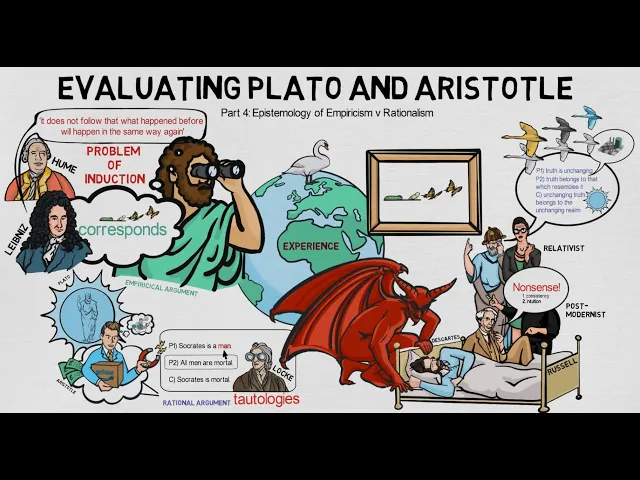
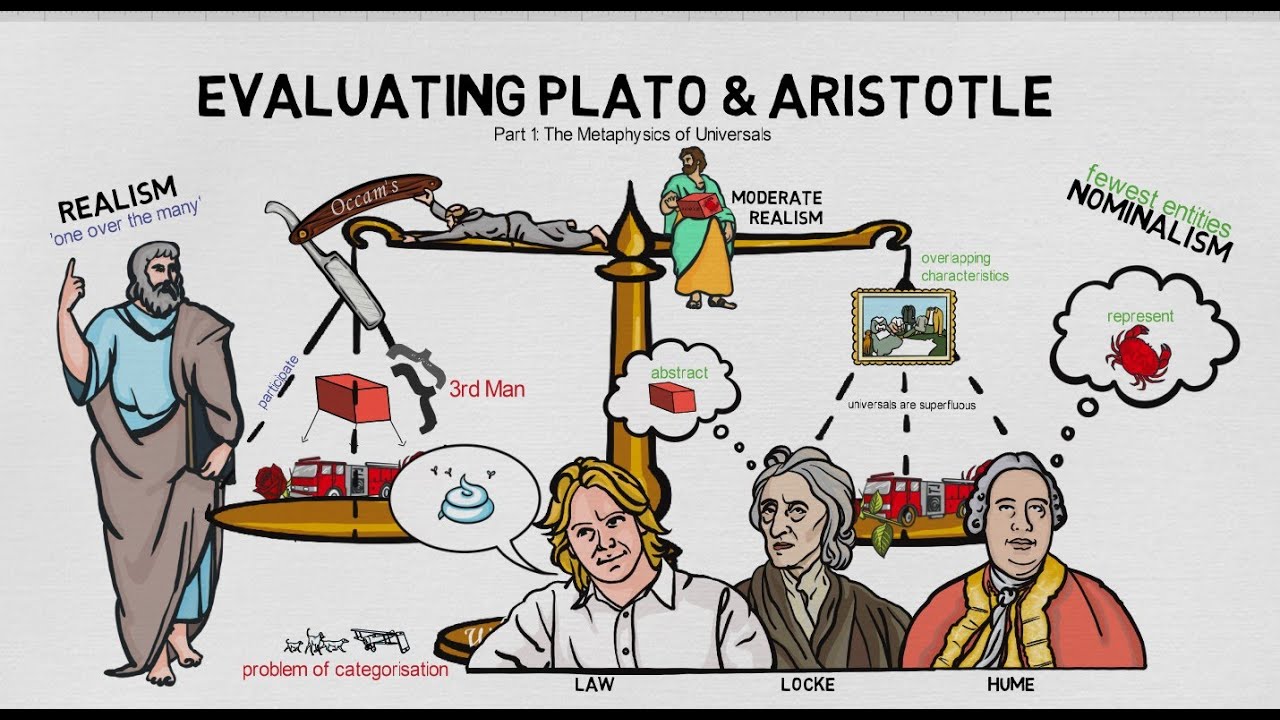
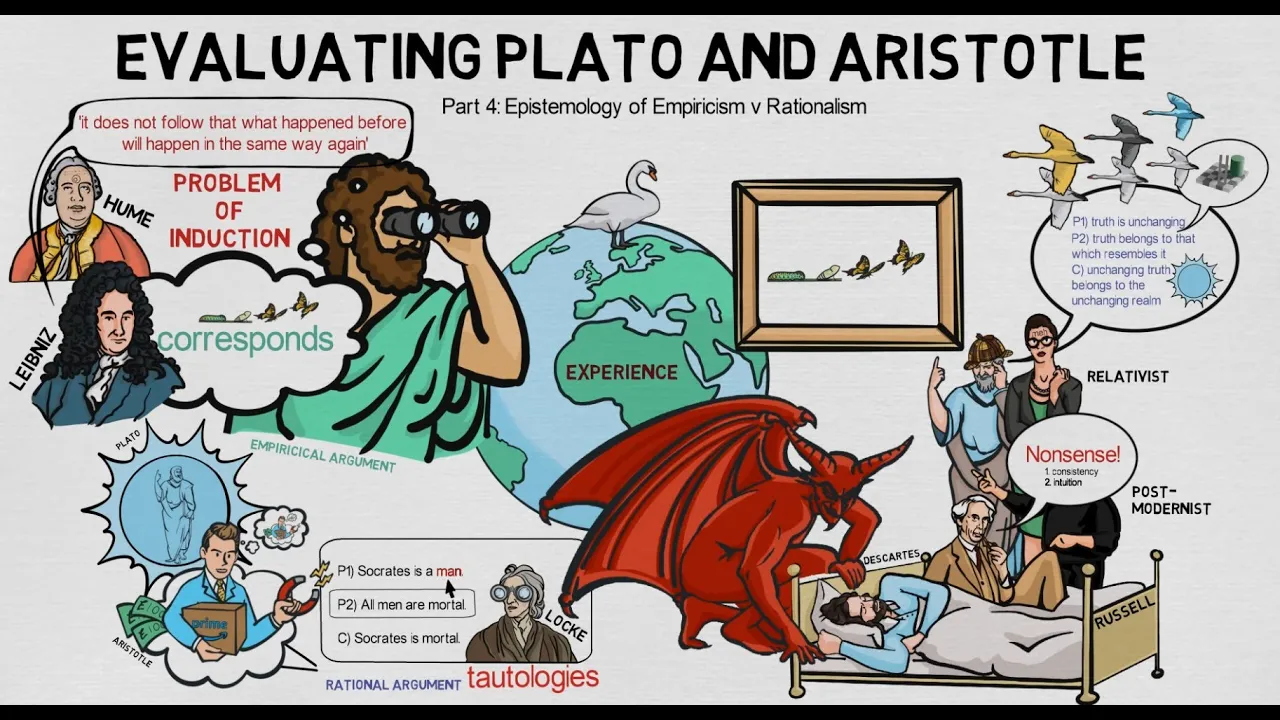
this is the third video evaluating Plato and Aristotle and in this video we will be looking specifically at the epistemology of empiricism versus rationalism many empiricists including John Locke argue that rationalism can't lead to significant knowledge only trifling tautologies in other words if a rational argument is sound all it contains are meaningless repetitions we don't learn anything additional about the world through rational arguments for example if we consider the rational argument we looked at previously Socrates is a man all men are mortal therefore Socrates is mortal the first premise is based on observation and the
second premise is simply a definition of a man the conclusion merely restates the original observation in different words since the concept of man contains the concept of mortality so what it is to be a man includes being mortal which is restating our first observation look accepted the existence of a priori knowledge truths based on reason including mathematical and logical trees things like equality in the law of contradiction however he denied the claim that reason can enable us to significantly add to our understanding of world all significant knowledge he argued is gained via experience if Locke
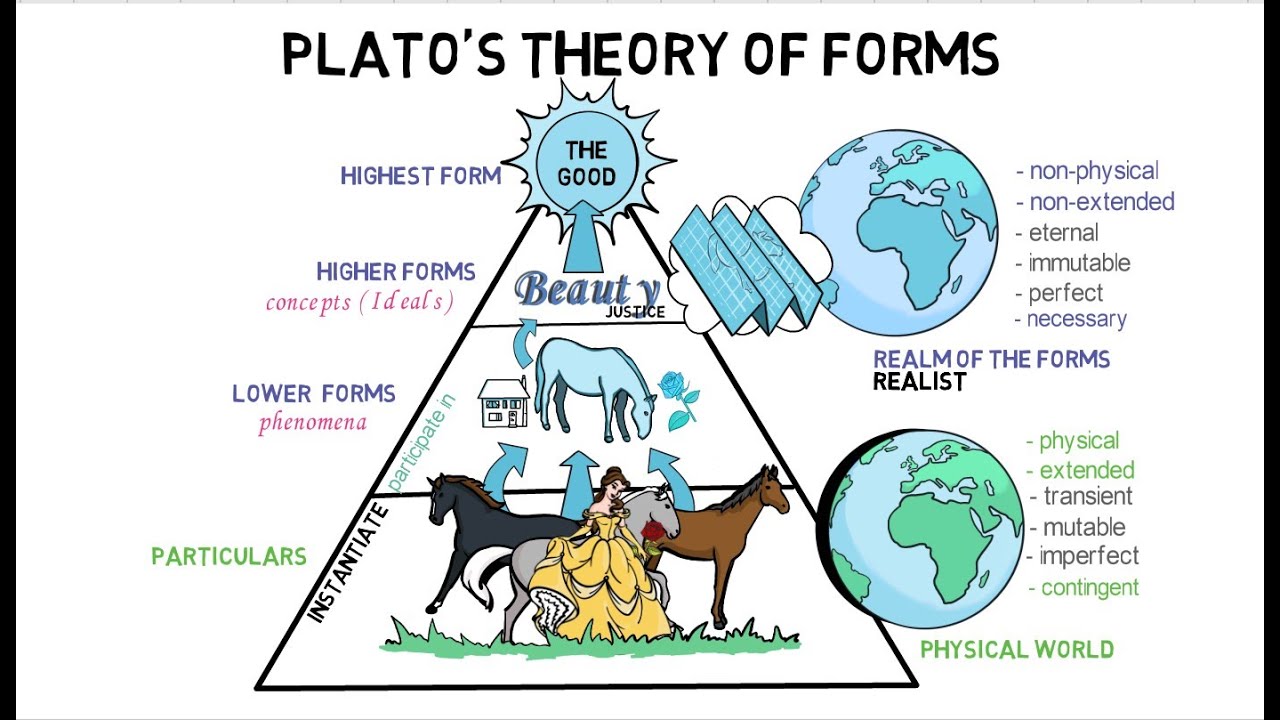
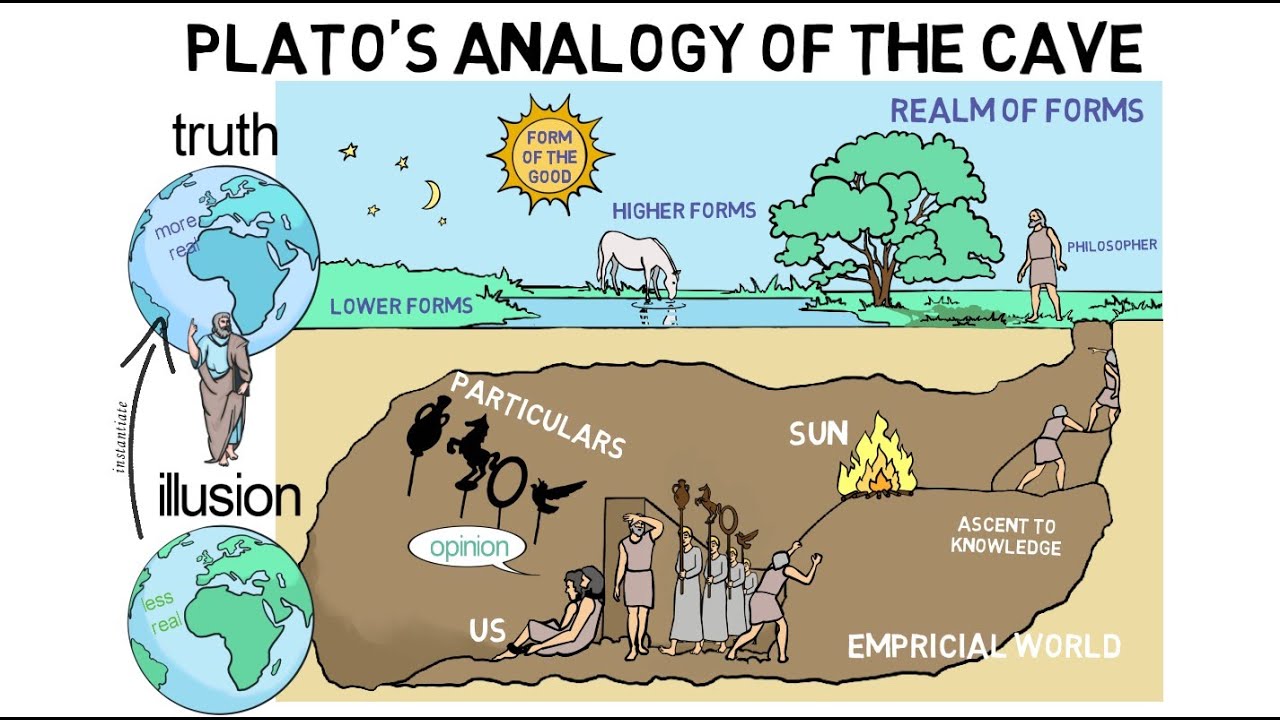
is correct this would imply that Plato and Aristotle arguments are unsound since they both draw a dramatic conclusions about what exists based on rational argument Plato argues using rational argument for the existence of forms and souls this whole other realm of the forms but also our software argues remember for the existence of a non-physical non-observable prime mover and there is no direct empirical evidence for any of these things so let's take a closer look at both of their truth claims both Plato and Aristotle claim that the empirical world is mutable changeable imperfect and transient doesn't
last this is generally undisputed Plato could argue that mutability is part of the definition of the empirical world and Aristotle might argue that change is clearly evident in our Sense experience so we could rely on rationalism or empiricism to see the truth of that claim however Plato's next claim is that by definition truth is perfect unchanging and eternal it can be comforting to believe that there are absolute truths which is what Plato is claiming that don't change that we can rely on however relativists and postmodernists both disagree with this definition of truths which forms a
major part of Plato's rational argument they argue that truth is not absolute and universal but relative and subjective to a time place situation or a person for example people can have valid but different ideas of what it is for something to be beautiful what is beautiful to one person might be ugly to another or what is beautiful in one time or culture might be different in another although the idea of absolute truth does appeal to common sense in many other cases things like solving a murder we believe there really is an unchanging right answer as
to who the killer was even if the truth remains a mystery so we tend to accept that there are absolute truths Plato's next claim is that knowledge can only be a things that resemble itself so that unchanging knowledge can only belong to an unchanging realm or forms this is an extreme rationalist view rejecting empiricism as a source of knowledge all together Plato argued that sensible objects objects that we encounter by sense experience physical objects in other words cannot be the objects of knowledge because they are imperfect changing and fleeting unlike his definition of truth whilst
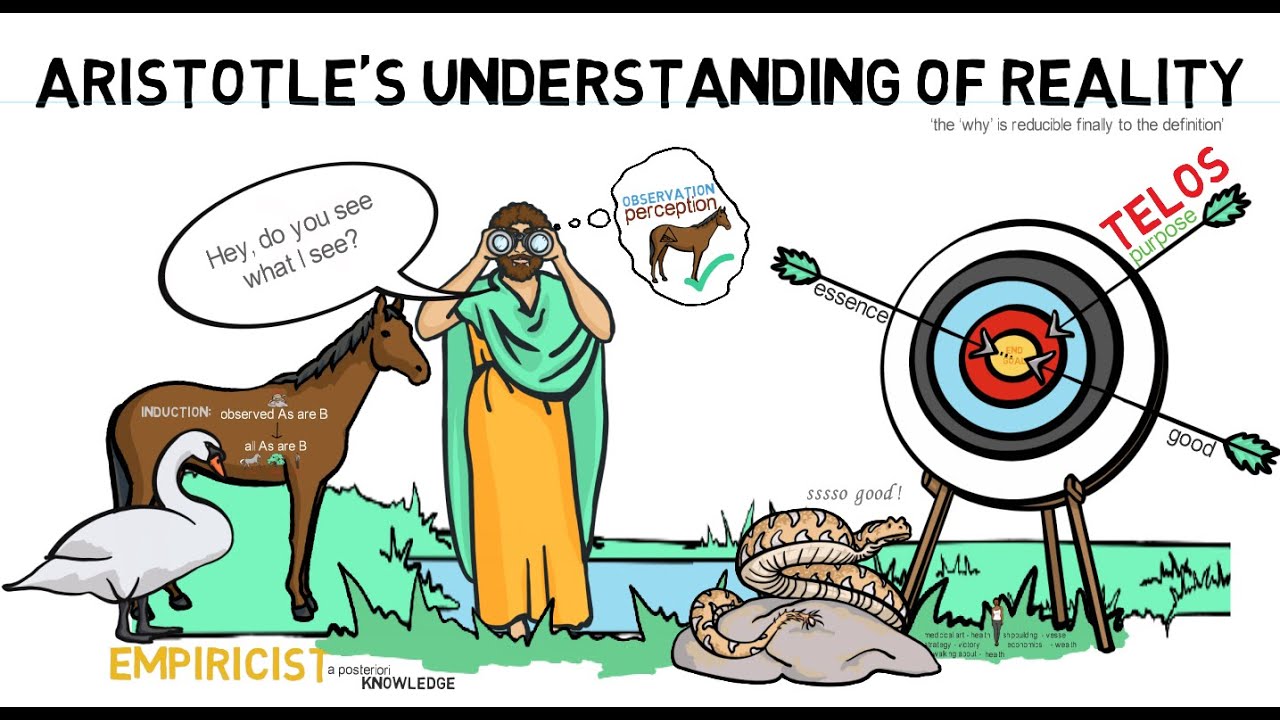
Aristotle agreed with Plato that truth is not relative he rejected the conclusion that truth cannot be found in the empirical world empiricists like Aristotle argued that Plato undervalued the empirical world as a source of knowledge Aristotle argued that knowledge is discoverable via Sense experience knowledge of imperfect central objects is possible and how is it possible well he argued for a correspondence theory of knowledge in which we have knowledge if our idea of something corresponds to reality it wouldn't matter whether the object or the event being perceived was perfect or not as long as it correspond
to the idea that we had of it the idea is accurate however Plato provides a second reason for why the empirical world cannot be the object of knowledge and this is that sense experience is unreliable because perception is subject to deception we can't trust that what we observe via sense experience does actually correspond to what is actually the case Rene Descartes agreed and posed the extreme possibility that all Sense experience could be a dream or a deception caused by an evil being they ultimately rejected this due to his belief in the existence of a benevolent
God who wouldn't that happen however virtue and Russell argued that we have no good reason to generally distrust our senses and instead we should accept the common-sense view that our senses are generally reliable and correspond to real objects firstly because this is the best explanation for the consistency of both our own individual experience and when compared to of others and secondly because it is instinctive or intuitive Aristotle relied on empiricism sense experience for most of his claims including that everything in the empirical world is in a constant state of change from potentiality to actuality brought
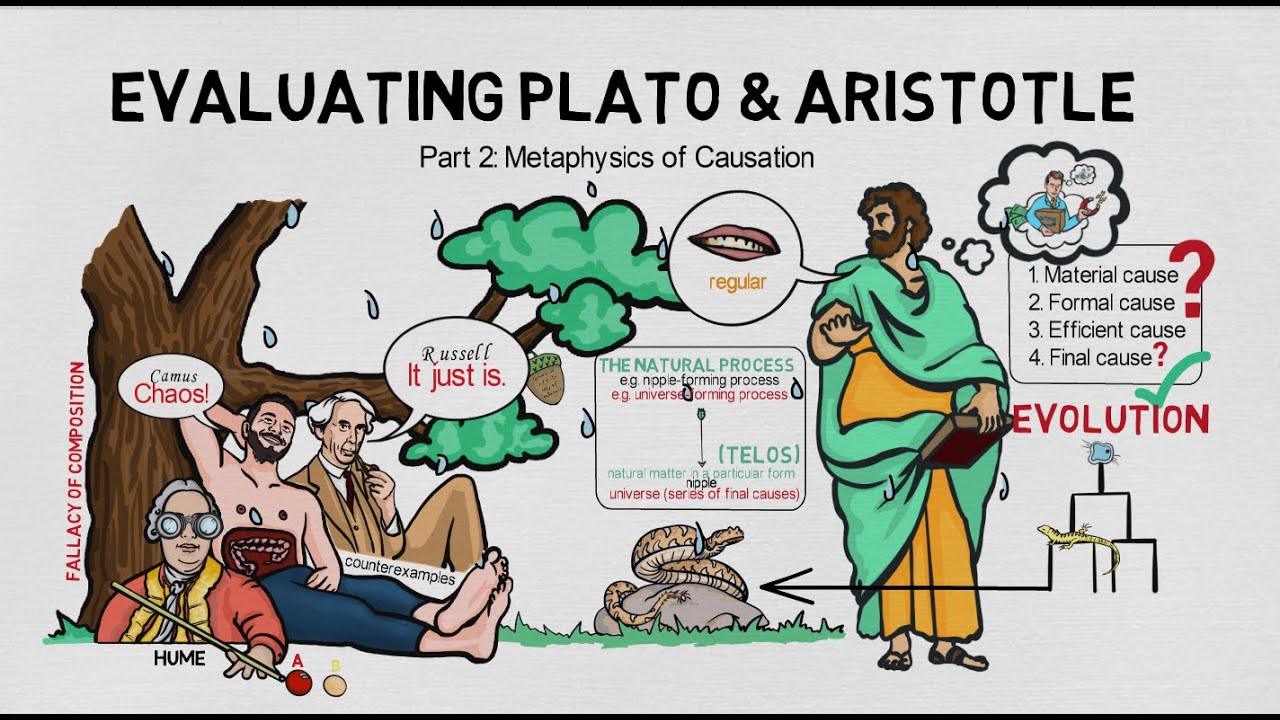
about by four causes including a final course so that nothing comes from nothing including the universe as a whole however David Hume argued that empiricism suffers from the problem of induction which is that the inductive method is not justifiable remember the inductive method used in empiricism is when you generalize from observing particular instances of something so you see one wefts one or you see several examples of white swans and you generalize to assume that all swans are white Hume argued that this is not justifiable deductively it's not true by definition nor is it justifiable inductively
since any empirical evidence they're instances of which we have had no experience resemble those of which we have had experience would be circular a circular argument assumes the truth of the conclusion in its starting premises Gottfried Leibniz argued that the problem with induction is that all the instances which confirm a general truth however numerous are not sufficient to establish the universal necessity of this same truth for it does not follow that what happened before will happen in the same way again in other words we cannot obtain general universal truths from singular observed instances no matter
how many we have experienced or observed there is no guarantee that unobserved particulars will resemble the ones we have seen so if we look at the example of the Swan just because we've seen a bunch of white swans there is no guarantee that all swans will be white there is always the chance that we will encounter a Swan that is black or some other color this video has been brought to you by jest education thank you for watching and please subscribe to find out more