Welcome to biblical theology this is lecture one and we will discuss the simple topic what is biblical theology understanding our subject so you may have heard the phrase or the term biblical theology or if nothing else just the title of this class and wondered what it was and how it was distinct from anything else that we do in theology i remember at one time encountering this Term years ago and just thinking okay everyone wants to have their theology biblical i mean we're not going to have a class called unbiblical theology we already have a systematic
theology class or bible doctrines classes and so why then have a separate class on biblical theology wouldn't that just really be the same thing and it's important to understand here the outset that when we talk about biblical Theology we're talking about a it's a technical term it's a theological kind of jargon term for a very specific kind of study that is in fact distinct from systematic theology so my plan here is to go through just a basic definition to give you some examples of biblical theology and then i want to i want to argue for
you why it matters why it's important for us to have this as a study that is in some ways yes Separate from systematic theology or another discussion like an exposition class so starting with a definition what is biblical theology i'll start with a simple definition and then i'll move into one that's a bit more complex but let's just say this and this is this is sufficient for remembering the concept biblical theology is putting all of the pieces together to tell the biblical story now very important to me here is that Last phrase or the the
final clause telling the biblical story if i just said putting all of the pieces together that could arguably refer to systematic theology i'll talk later about the distinction and clarify how those are different but yes everyone is always trying to put the pieces together anytime we do theology that's the definition of what it is to do theology the distinctive of biblical theology is That there's an effort or a focus on the biblical story and i'll explain more about that as well here's a fuller definition kind of a complete definition biblical theology is telling the story
of the bible using a big picture view to see the truth revealed and developed across the ages okay now i just maybe went overboard and hammered the concept in three different ways here the story of the bible the big picture view and Across the ages all of them are giving you this emphasis on the picture or the story in time and that's going to be the critical distinction biblical theology pays a lot of attention to the development of truths or the progressive revelation of truths across time it pays attention to the fact that it's not
as though god just revealed everything at one moment he gave us a Bible and we're done but he gave us books of the bible across history anticipating the coming of the messiah recording the arrival of the messiah explaining the theological implications of the messiah's coming pointing ahead to the future in the book of revelation and in all of this this is given across time in a way that is really an integrated story you're watching the story develop And it's beautiful once you capture this this will never leave your attention because it's a beautiful understanding of
what god is doing across the ages i'll finish here as far as the definition is concerned by just contrasting and i'm going to put up here for comparison purposes my functional definition of systematic theology you'll recognize this if you have worked in bible doctrines with me and the definition i use there is that Systematic theology is carefully answering questions about god and the world using scripture okay so if you see the comparison between the two both of these are theological you're putting the pieces together you're integrating you're trying to see the patterns but the the
core difference between the two is going to be the the key phrase under systematic theology answering questions the the essence or the the central Concern of systematic theology will be that people bring questions to you that may or may not be present in the text these are questions that have arisen in their own process of interacting around scripture these are things they are wondering about and so in systematic theology you're seeking to answer those questions for them questions that may never appear in the text biblical theology on the other hand is focused on words like
telling the Story watching it develop across time seeing the progressive revelation the progress of god showing his truth so i give that as an opening definition in order to i think help us start to process some examples of what we're going to do and i would like you to pause at this point in the lecture i'm going to give you a minute or two i would like you to try just at the beginning here before the course begins I would like you to sit down and with a piece of paper just blank piece of paper
sit down and write out at least a paragraph or two or maybe several give your best shot at telling the story of the bible on a single piece of paper okay if you're going to write out and you're going to start in genesis and you're going to proceed all the way down to revelation now i don't mean give me genesis blank exodus blank what i'm Really looking for is in history if you're starting out at creation you're going to move forward into the flood and you're gonna move forward into abraham okay there are your first
several movements in the story can you go through not that you list every character but that you highlight the really big pieces and the big patterns the significant stuff is there kind of a all of it's significant i know but is there kind of an arc Is there a pattern of the highlights that carries you through the story something that you can fit on a half sheet of paper to summarize for people what the story of the bible is all about you meet an unbeliever who knows nothing and they say to me what's the bible
like tell me the story and you just have a couple of minutes what would you say okay take a little bit see what you can write down don't go Past about a half sheet of paper and see how you could summarize the story of the bible okay i will continue on assuming that you have done that and i want to give you a couple of examples of biblical theology or examples of biblical theology the kinds of things that we do or the kinds of questions that we ask and encounter i think this is really where
you'll start filling out your ideas and understanding The richness of this type of study this is a little difficult for me to do because each one of these topics i would love to talk about at length but that's what the course is for starting with this tracing the seed promises okay now this might be a little cloaked in some places because you'll read the offspring or descendant depending on translation but you can trace this through from genesis 3 15 and the promise to the Woman that her seed or her offspring will crush the head of
the tempter and then you go forward and abraham receives promises about the seed there's david's seed and we find out that that is singular it's not david's offspring in number many but it's david's offspring singular that promise of the seed links into promises in isaiah that a child will be born to the nation who is the mighty god Right how can this person be a child but also be god and this child will be born in micah 5 2 who has been from ever lasting in the past of course then we discover when we reach
matthew and the beginning of the new testament that jesus is that messiah but it's it's very significant when you start off in matthew you're tempted to groan Some bible readers do and when they start out the new testament and uh it's a genealogy don't miss the significance what you're tracing here is jesus christ the descendant of abraham the descendant of david he is the seed and as you can keep on going then you discover the significance of this seed this descendant he fulfills all the promises to abraham he's a blessing to the world he fulfills
all the promises to david he's going to be the forever King and those who are united to him become children of god so that in eternity the relationship we have to him the one who was the promised descendant we reign and rule together with him okay so you can follow this theme beautifully through all of scripture and the seed promises a huge deal in understanding what's happening second just example question why is abraham so important Watch in romans and galatians paul will continually go back to abraham and there's all of this reference to abraham across
the new testament but yes even the old testament also constant reference to abraham what makes abraham so distinct and important is similarly with david why are these individuals highlighted by god what is the kingdom of god that's a biblical theology question in order to really understand this question you've Got to pay attention to a pattern that starts all across the old testament all the way back into deuteronomy or even genesis but highlights in daniel and then moves forward of course into the gospels and jesus constant reference to it but then forward into the epistles in
revelation i mean you've got to understand the whole of scripture and the development of this theme as it is progressively unveiled as god tells you More and more and more and more across scripture what happened at pentecost now i mean there's a systematic theology way to approach this question but there's a better framework i think understanding it in the the analysis of biblical theology how is pentecost different than what came before is god doing a new thing if it's a new thing how is it new and how is it Different how does it relate to
what came before more examples what about this the pattern of satan's determination to resist and destroy the messiah this is the pattern of the seed of the woman versus the seed of the serpent this started all the way back in genesis 3 15. well when you follow that pattern throughout you're going to discover that the serpent or satan is constantly trying to pollute The seed or he's trying to destroy the seed and this becomes an explanation for instance why there is so much threat of immorality and confusion with reproduction in the patriarch patriarchal period he's
trying to pollute the seed or if you come forward into exodus then you discover pharaoh trying to kill all the hebrew children he's trying to destroy the seed or when you come Forward into the gospels you find herod trying to destroy all of the children again when the messiah is born and all of this finds its rich explanation when you go forward to revelation 12 and you discover this very picture that the woman is crying out in pain to give birth and the serpent sits down to try to destroy her and to make war with
her and her offspring her seed okay this is a big pattern it helps you Explain a lot of things going on what are the most important themes of the pentateuch how are these ideas developed or extended in the prophets here i'm using an example that is a little bit more in line with the idea of a book theology in other words one of the things we do in biblical theology is that we'll trace an idea across a single book of the bible or a section of The bible and i think that's what's going on here
so can we understand or distill down in the pentateuch or even in deuteronomy what are some of the key themes that everyone should know and finally one last example here i said the holy spirit that's obviously a systematic theology category but i'd like to trace the doctrine of the holy spirit all the way across let's say starting in genesis 1 the spirit moved upon the face of the waters so you see Right at the beginning of creation the spirit is present you move forward and you see sin and god says to the effect my spirit
will not always dwell with man if you keep on moving into the future now you get to the the nation in egypt and god delivers them he brings them out from egypt they're traveling across the wilderness it's his spirit that goes with him with them together actually with jesus christ or the angel of the lord the spirit guiding the nation in The wilderness later the spirit filling the tabernacle and afterwards the temple with his presence and so the question now goes how is it possible for god to dwell in the presence of sinful people that's
a question of god's holy spirit you also see a strong idea in the old testament of the spirit filling specific leaders prophet priests kings for specific tasks now it's temporary it's not a permanent type of thing as we see in The new testament but in this kind of temporary way the spirit enables them for a task and yet you're left wondering when will we get a priest or a prophet or a king who will have the spirit fully and and permanently because these sinners have his presence or god's filling them god's enabling them and yet
it's temporary it's halting they always send what's the solution and the promise of the old testament is that there's one Coming the messiah will come and upon the messiah we discover we'll rest the spirit which is a rich and beautiful hope that there is one coming who will have the spirit permanently when the messiah comes the spirit of the lord shall rest upon him and he will have that spirit that brings counsel wisdom knowledge the fullness of the spirit isaiah 42 my Servant mine elect i have put my spirit upon him he will bring forth
justice for the gentiles or isaiah 61 1 a passage that jesus quotes in his ministry the spirit of the lord god is upon me because the lord has anointed me messiah language to bring about hope for those that are in bondage when jesus comes jesus has upon him the fullness of the spirit the result of that however is that jesus then has the right to pour out the spirit which he Does at pentecost jesus alone can pour out the spirit because jesus alone has the spirit the spirit is sourced in him jesus is the source
of the outpouring of the spirit in a way that no prophet priest or king ever could be and the result of that is that all who are in christ now have the spirit fully so that even david had the spirit only for the tasks that god had given him to do but because of his sin there was a Kind of a concern in a sense that he would lose the spirit and he prays this or he's concerned about this in the new testament framework we're seeing that no actually the spirit is fully on the people
of god in all of its fullness and in all of its wealth all the way to the end and the end of the book of revelation and the end of scripture is the spirit and the bride say come okay so what we're doing here is similarly similar to my discussion Earlier that we're tracing the pattern across scripture i'm just wanting you to see that we can take these kinds of patterns we can ask questions of the biblical text we notice connections and patterns but we don't just focus on one passage or even several passages we
pay attention to the progressive development of the idea moving from genesis all the way to revelation moving across the entire picture Well let me ask this question then in relationship to what we're doing why does this concept of progressive development matter as in really what difference does it honestly make and one could argue that now that you know arguably okay if someone is um let's say if you're at the time of malachi then you need to pay attention or you have to you only have the old testament and so Without the new testament revelation then
you're kind of waiting but one could argue from the standpoint of now i have the whole thing since i have the whole thing let's just forget about the progressive development across time and let's just look at each passage as it stands i mean there could be a danger in there in in this right and an idea like well i want to pay attention to the new testament it's more relevant and the old testament it's not As important because it's kind of obsolete so if you're paying so much attention to the progressive development of scripture you
might end up with what theologians have called a cannon within a cannon kind of a special section like this is the section where it's really at um as the pattern would go someone might say i want to pay attention to the words of jesus that's really the truth and you might end up with that well Let's just pay attention to the new testament so there could be a little bit of a danger in paying so much attention to the progressive development and the systematic theologian says let's just forget all of that no not a good
systematic theologian but let's just forget all of that and let's just take every passage as it stands every passage is equally authoritative after all and no good theologian would do that But i want to defend the need for progressive development and why we have to talk about them for several reasons first redemption is important not just in its results but in its development god paints for us a complete picture using history and the story of how these things developed over time is part of that story Okay so what i'm what i'm arguing here is that
it's it there is a reason that god did not just give us a complete bible at one moment he could have done that right he could have just sometime in the life of abraham said here's a bible given him the whole thing and of course jesus would not have come yet but you know you could i guess maybe see what jesus was going to do before he even did it or something like that god could have just Revealed the whole thing in a moment he did not god chose to tell the story across history for
it to be lived out in space and time and so these were real lives real people who had to live in faith while they were waiting for the rest of the story to come about since god chose to tell this story or to develop this story in history to do it and to do it progressively then that's Something worthy of our attention i mean if he did it this way clearly he cared about it being this way and for us then to ignore the reality that it was given progressively in space and time is to
apparently ignore something that matters to god just the very fact and the existence of the progressive story laid out across time demands that we pay attention to that and that means then that there are Multiple implications one implication is that if we don't know this story or this big picture framework for all of scripture we will read the text of scripture incorrectly one example we will be tempted to moralize narrative or will be tempted to mistake human characters as heroes instead of recognizing god as the true hero let me explain my concept um i'll take
two individuals in the biblical Text let's take the stories about daniel and we could give daniel chapter six as an example example daniel's in the lion's den um this is of course a very striking example of faith and courage so that we come all the way to hebrews 11 and we discover there that the text of scripture itself calls up the example of daniel by faith they shut the mounds of lions i mean it's a it's a fairly explicit allusion to daniel So is that saying to us then that daniel is the hero of the
story well daniel is heroic and we can look at that but you know often too often our handling of that passage daniel 6 would go daniel was courageous daniel trusted in god be like daniel and corresponding to that or relative to that also then we could say don't be like darius or don't be like the wicked men that tried to try to destroy daniel So we end up with basically using the old testament like that here's a good guy be like him here's a bad guy don't be like him and i'm arguing that that is
only the most shallow layer of interpretation with the text it's okay i guess as far as it goes it's not exactly wrong to use that side of the text but you've got to go deeper and the richness of it goes that you're actually watching god accomplishing his Plan and his purposes to bring about and to guard safe and secure his people and ultimately when you get to the end of the chapter you have this little reminder tying darius cyrus to what's happening with daniel that daniel endured or he was there all the way through the
reign of cyrus and the implication of that when you put together ezra and nehemiah and the promises of jeremiah and isaiah is that Cyrus is a very important biblical figure he is the one that sends the people of god back to their land so what we're looking at a fulfillment of prophecy we're looking at the fulfillment of god's purposes that his people will not just stay in babylon or stay in persia but they will return back to the land that he originally gave to abraham and isaac and jacob and there's more they will return to
the promised land because That is part of the core promise related to the coming of the messiah the messiah will be born in the promised land coming to his people to save them from their sins and so what i'm actually looking at in daniel 6 is a dramatic question is god going to fulfill his promises is god going to bring the people of israel back to their land is the messiah going to come will we be redeemed from our sins And the whole process of daniel being delivered and then ultimately being exalted within the court
of darius leads to daniel having a hand or a part in even cyrus counsel and the return of the people of israel back to their land now see i think that's a richer reading of daniel chapter 6 then just be like daniel don't be like darius another example the example of ruth So again we talk about the story of ruth and we're excited about her faith we're excited about her depending on god and trusting in the lord but we might misread but we do misread if our framing of that book then becomes wow ruth was
good she was wise be like ruth don't be like some of their character in the story and what we ought to notice is that the book ends with a very strong emphasis The book ends by tracing out ruth and how she has come to faith and how she is the ancestor of david and of course from there you move outwards and you start to discover bigger and richer patterns the promises to david that his offspring his descendant will be the messiah so that you come into the new testament son of david all the way to
the book of revelation jesus christ has the key of david okay so there are These links from david out to the messiah and ruth you discover is the ancestor of david now from here then our exegesis just explodes because if you're starting to watch the book of ruth you recognize that she's a moabitus and she has married into initially a jewish family but that jewish family being dealt with god or just facing tragedy now is it's reached a point of Crisis so that naomi is bitter and she's asking questions like has god forgotten me or
does god hate me and the irony of the story is that everything flips upside down the moabitus who is an outsider to the nation of israel comes in and by accepting is god your god is my god your people is my people ruth is grafted in becomes part of the stream of blessing and at the end of the story naomi who started Out in despair is rejoicing more significantly even is connected to the path that leads down to david into the messiah and together with that i have a gentile who's part of the messianic line
recognizing that god brings in anyone who will place their faith in what he's doing and repentantly trust in him as their hope now that's a really beautiful story And it's much richer than just be like ruth don't be like naomi or don't be like someone else the kinsmen or something else like that in the story so tracing the pattern of biblical theology and seeing the connections understanding the history of what god is doing helps us reach scripture in a much much richer way let me relate this to another problem or another concern that's very important
For our understanding of scripture and that is that if we do not recognize the need for biblical theology yes even the necessity of biblical theology then we get into problems with understanding the testaments we misread the relationship between the new and the old testaments because we've misunderstood what's actually going on here in historical or biblical theology terms i'll give you a couple of examples of what this looks like People often ask questions like these how were people saved in the old testament why were there sacrifices in the old testament but not today why did some
old testament laws get laid aside in the new testament why do we not have miracles and tongues speaking today if david would pray or could pray that god would not take away his spirit from Him can i lose the holy spirit today okay the the distinction or the importance of each one of these questions is that you're grappling with the relationship between the testaments something's different in the old testament and it's changed in the new testament and yet here are these two halves of our bible really two-thirds and a third that are put together you're
looking at them and It's hard to know how they fit and what i would like to argue here is that the basic problem we're having with each one of these questions is that we're struggling to understand the role of the testaments or particularly the role of the old testament and the basic reason for that problem is that we need biblical theology i i would argue that most of the people in our churches and the people that we're seeking to Minister to have a very difficult time reading the old testament and they find much of the
doctrine or the truths taught there they find many of the many of those truths a little confusing and our answer to that is among other things biblical theology we have to help them understand the progressive development of scripture across time and in the process help them Realize the richness of what's going on in their bibles another reason to argue for the importance of biblical theology i would say that many of the passages or problems that are very confusing for us have rather simple biblical theology answers in some cases these are systematic theology problems that we
struggle with we look at them and to try to find an explanation a sensible logical Explanation that helps us or that helps bring these things to kind of a settled understanding in our minds we grapple and we we kind of get lost and we would do better to pursue these kinds of questions from a biblical theology standpoint okay a couple of examples just to support that matthew 1 17 this is a passage that as you're working through matthew maybe kind of stands out And seems a little bit odd to you all the generations from abraham
to david are 14 generations from david until the carrying away into babylon are 14 generations from the carrying away into babylon into unto christ are 14 generations um if you actually look at this there are some missing generations i don't mean that these are errors in the text what i mean is that if you go back and you compare to genesis the genealogy and ruth and the genealogies And chronicles you can see that matthew has been selective and that's not an error he's just choosing out certain highlights within those generations but it leaves you with
a little bit of confusion because if he's making a big deal out of 14 14 14 actually it's not just 14 there are others so why is he doing this i argue that there's an important biblical theology emphasis in it and he's making a point By the way that he draws these 14 14 14 patterns out now i'm going to hold you i'm going to give you a cliffhanger that's a passage we'll return to in a future lecture and i'll explain why and what i think is going on here but i think it's a biblical
theology explanation another example like this in systematic theology we struggle with how or in what sense the holy spirit dwells in us and and people will ask sometimes well Does this mean that the holy spirit is not in my unsaved friend because i thought the holy spirit was everywhere he's omnipresent isn't he so if he's omnipresent then how does that relate to my friend who's an unbeliever is he like somehow absent from that one part of the universe or something well that's a systematic theology question in a way but it actually has a better biblical
theology answer That has to do with what it means for the presence of the spirit of god to dwell in a place it actually ties into the temple and the tabernacle and the burning bush another concept that i'd like to come back to later or one more example the problem of evil one of the most intractable problems of systematic theology how do we explain the existence of evil well i'm not going to give an explanation in this class or In any other place that would just resolve the entire thing that's not the way this works
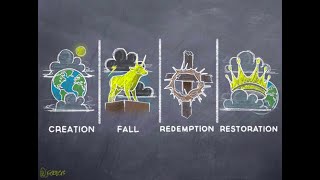
but i think one of the most helpful frameworks for thinking about it is actually a biblical theology framework and in this we would go from the way that god created the world into the results of sin and how it corrupted the world jesus entering and carrying our suffering and finally the restoration of all things that category In four stages is really more of a biblical theology category it's the topic of our next lecture and i want to unfold for you there how this and other topics fit through that lens or how those categories help us
understand the problem of evil better in any case my simple argument here is that alongside of the systematic theology discussion we ought to notice a biblical theology framework for thinking about this And finally as an argument for why we care about the progressive development of scripture i'm going to argue later on in this course that biblical theology highlights in a special way the centrality of jesus christ to the entire framework of scripture the way that scripture is set up even in its structure is like flashing highlighting arrows pointing to him he stands at the center
of it all Unfortunately on each one of these topics i'm just tempting you this is part of the invitation of this course for us to enjoy biblical theology together and for us to grow through the process to in love it and fill ourselves with the richness of this study understanding scripture better so i'll return to most of these examples at a future time for now however i want to talk to you simply about methods Of biblical theology and talk about some of the ways that people pursue this and then i'll conclude by showing you the
relationship between biblical theology and the other disciplines or the other branches of theology starting with methods some of the most common ways of doing biblical theology include initially word studies now i say here historically and what i mean by that is in the history of how Biblical theology developed over the years this was a major component of people talking about how to do biblical theology so they would take a certain word and they would trace that word through all of scripture and then using that the single word through all of scripture this was a way
of doing biblical theology this is not to me a major or majorly helpful way of doing biblical theology i actually Would put this more under the category of exegesis less a biblical theology type of study and there are some more complex reasons for doing that i could see the case for this if you're using a technical word like the word redemption if you're using something very specific and something very narrow maybe but see at that point i think you're really doing a topical study not a word study anyway if you're doing basic word studies You're
actually doing exegesis or you're doing linguistics not theology so in any case my basic argument whether you follow that framework or not is just this i i don't view word studies as a major part of doing biblical theology though historically for many years it was viewed as part of biblical theology second subject studies here we're getting closer to home this was some of what i talked about earlier when i gave you different topics And we traced the topic all the way across scripture the key here if you're actually doing biblical theology you have to be
taking the subject and not just vacuuming in all of the passages that talk about it and putting them out but your key here is that you're following the subject through the ark through the framework through the story of scripture if you trace the subject or the concept or the idea or the theme and you trace it historically across time Now you've moved into the category of biblical theology third book studies now this is a really important framing or really important method for thinking about biblical theology i alluded to this earlier when i said that you
could be studying deuteronomy or the pentateuch and how that relates to the prophets so one of the major methods that we use in biblical theology is that we'll talk about the book of matthew And we'll take the book of matthew and trace out some of the major themes the repeated emphases the big ideas that come around multiple times and then we'll ask ourselves how those themes are developed in matthew or how those themes relate to each other and we're kind of trying to discover what is the internal structure the skeleton i don't just mean the
literary outline is in section 1 section 2 section 3 but the conceptual structure How the ideas within the book relate to each other and we do that within an individual book or we could do that for the gospels or we could do that for the pentateuch or the prophets and we could talk about a theology of the prophets meaning the big ideas that come up over and over again in the prophets we're not removing the prophets from the rest of scripture but we are able to talk about the s this truths that were especially emphasized
In that section recognizing that god revealed certain truths at certain times and he developed those truths across time paying attention to the framework of how things are revealed across time is quintessentially or classically biblical theology finally and most importantly the basic study of biblical theology is to wrap our heads around the progressive development of scripture All of the questions i gave you earlier questions about the relationship between the testaments or how certain ideas or emphases develop across the whole framework of the biblical story all of that is absolutely an emphasis of biblical theology that then
moves me to talk finally about biblical theology in relationship to the other disciplines now when i say the other disciplines we're recognizing that like any area of study or any discourse When you get into it enough you start to realize that it's not just one method of study or one branch but that there are many different branches so we could say medicine but then if you actually study and you get into medicine a little bit then you're going to recognize no actually there are whole divisions i mean there's just on the basic level like the
pure science level then you could be talking about Microbiology or you could be talking about macro structures on the large scale gross anatomy or you could talk about clinical medicine and how do you help people and deal with issues pathologies okay so you could break it down like that but then you can go further and you can discover that you've got specialists and they they they only and and especially focus on the ear nose throat or some people who will just focus on The heart people who just focus on skin okay and each one of
those specialties has then its own concerns it's important to integrate them all together to understand the relationship between them all but it's also helpful to recognize that there are distinctions theology is no exception theology also has multiple fields or what i'd prefer to say here would be multiple methods Ways of approaching understanding to try to answer questions to understand more about god and the world and how we ought to live in it so let me put those disciplines up here and then i'll explain the relationship between them i think in the process we will come
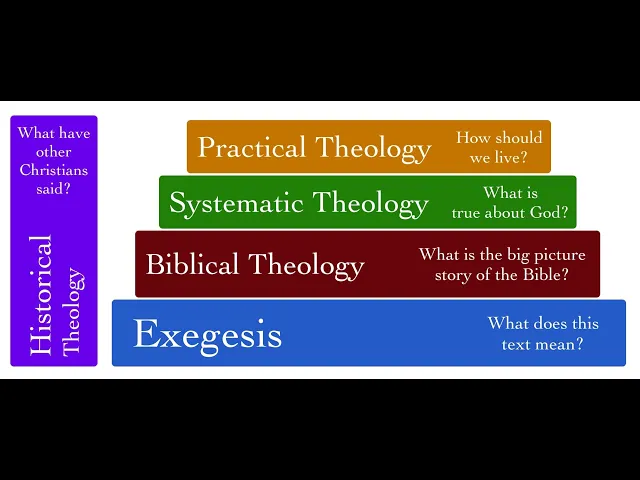
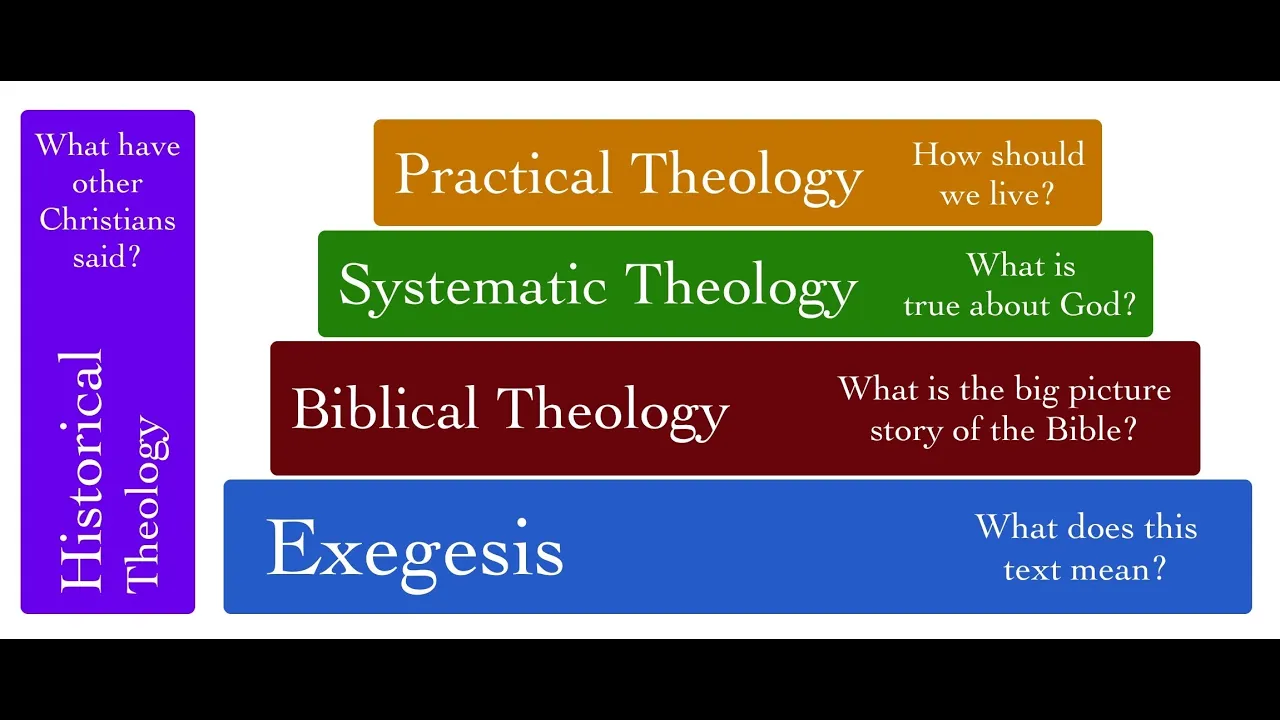
hopefully to a better understanding of biblical theology specifically classically we have essentially five branches for the study of theology and They're just as listed here exegesis biblical theology systematic theology practical theology and historical theology i've put them in this ordering or in this structure for us to recognize that there is kind of a priority or a structural order i should say that for how we proceed through each one of these methods so let me talk initially about the questions that these methods ask and then i'll talk about the way that They're set up here and
the relationship between them exegesis is anytime you're simply coming to a text focused on on the the small scale and that would be the key distinction here the small scale versus the big picture scale but on the small scale you're looking at an individual text and you're asking yourself what does this text mean so let's say you might be looking at matthew 1 17 Or you could be looking at matthew 1 but in any case you're looking at that kind of scale something on the smaller side to ask yourself what does this text mean rather
than asking yourself what does the book of matthew mean or what does the new testament mean then moving to the second discipline biblical theology and what we're talking about in this class is asking ourselves what is the big picture story of the bible now i've already Emphasized multiple times the idea that it's scale that distinguishes biblical theology and so it's when we're paying attention to the whole bible or whole books and also together with that remember the critical key word here is the word story it's when we're paying attention to the progressive development the narrative
arc the storyline of scripture that then we're doing biblical theology and that helps this discipline stand out Systematic theology a bit different what is true about god my fuller definition of systematic theology answering questions about god and the world using scripture doing that in a careful way so systematic theology is definitely more broad because some of the questions that we might find ourselves asking here are actually questions that never appear in the text something like as an example what happens to a baby that dies before the baby has the opportunity to Understand the gospel well
scripture never really raises that as a question it's a question people raise and then the process you discover that you've moved into us bringing the questions and we want scripture to answer but it's not really a question that scripture itself raised we raised that question though we still need to find an answer practical theology is going to move us Into the realm of what we ought to do and so when you're now dealing with questions pastoral questions counseling questions or ethical questions what is right what is wrong what should i do in this decision those
kinds of questions are practical theology questions finally historical theology kind of a branch that stands apart from the others or is in some ways distinct from the others what have other christians said and here our concern is Again with time that in some way is parallel to biblical theology the difference being in the case of biblical theology we were asking about god's working in time during scripture in the case of historical theology we're really asking a question about post scripture or after the new testament has been written we're tracking all the way through the history
of the world and we're asking ourselves what have other christians said I suppose that this could flow backwards and for us to understand the historical context also for scripture itself so the the the distinction between those is not absolutely hermetically sealed it's not absolutely distinct but we're recognizing our concern here is what have people understood in the process of seeking to understand scripture other christians the important question that we have to Answer in respect to all of these disciplines is how they relate and a couple of emphases i'd like to make first um here we
can recognize that there is a kind of progressive ordering moving through the disciplines that you start with exegesis and move upwards now i don't mean by that priority to say that exegesis is more important than the rest of the disciplines i would actually resist Anyone saying that one discipline is more important than the others we need all of these people can make arguments for any of them being the most important someone could go straight here and say it's practical theology because the most basic thing i need i need to know how to live and they
would have us a certain kind of point but the reason i make this ordering Argument is that you have to start with exegesis before you proceed through the other disciplines fundamentally what we're doing when we come to the text and we try to understand even how we ought to live practically we have to start with what god actually said and that means then that we have to do exegesis on all of the passages through Scripture exegesis sounds complicated we could just say you have to read it once you read it you're going to have questions
and you're going to wonder what this means what that means what something else means and so then you'll get into digging deeper and asking more questions and so all of that is now exegesis trying to understand what does this text mean you'll have to do that for the texts of Scripture work your way through the bible and understand what the book means now in the process of understanding what the individual texts mean then you're going to find yourself asking questions about how they fit together you're going to discover that there is a difference between the
testaments that's going to raise new questions for you and so that's going to drive you back to exegesis but it's also kind of a progression upon exegesis However you cannot do biblical theology until you have already done exegesis you cannot start to integrate or put together something you have not already already read and so exegesis is more in a way fundamental or prior prior prior to biblical theology now once you do that then you're going to go out into the world and you're going to have questions as you try to Live these things out and
that's going to raise systematic theology questions difficult questions about let's say god and evil how does evil exist even though god is good and all-powerful or questions about how to fit together that jesus christ is fully god and yet he's fully man well how do those fit and so you're going to raise new questions systematic theology questions and finally you're going to get into questions about how you ought To live what does a christian do when the government tells them they must disobey something in the word of god okay practical questions my point though in
the progressive development this idea of the line moving upwards the arrow or the priority development is to say we always start with exegesis and that is the most prior thing moving upwards people get this backwards win for instance they might let's say start with practical Theology and say something like we need to raise money for our church to build a new building and so since i need to raise money for the church then i want to motivate people to give and how do i motivate people to give i know i'll tell them that if they
give god will give them more money back well what you did is you made something up it's not something that appears in the Biblical text it's not supported by any of the disciplines of theology you made it up for a practical reason and what you did is you started not moving from the bottom upwards but you started at the top and moved downwards you had a practical need and then you tried to give theology to support that practical argument there is one other discipline i've left out and that's the discipline of historical theology so let
me integrate That finally with the other disciplines i think the role of historical theology is reflecting backwards on all of the other disciplines and when i ask the question over here what have other christians said i want to look over through the other disciplines and ask myself about each one of them in other words i could do historical theology by asking a question like well what has martin luther said or what did he say and what did he Understand about the meaning of this passage obviously martin luther's view is not authoritative but it is the
recognition that i'm not the first person in the history of the world to ask these questions probably someone else asked these questions and came to some conclusions that might be helpful to me and so studying how augustine and martin luther and john Calvin and c.h spurgeon and all the way into our present d.a carson how each one of these people viewed the meaning of this passage helps me reflect or ask better questions and come to better conclusions about it similarly with biblical theology what have other christians said about the picture big picture story of the
bible how had they understood the way The pieces fit together how have they answered or resolved some of the difficult systematic theology questions what are some of the available historical options for thinking about the deity of christ and how that relates to his humanity and how even have other believers in the past handled the problems and the difficult questions that we face in our practical life if there was a sickness and therefore they were going To be quarantined and therefore they were unable to meet and and worship in church then what did they do and
how did they process or how did they process the difficult practical needs that come up in let's say marriage problems and how to counsel people as they face that kind of thing okay so you ask historical questions that help you reflect on each one of these others one other distinction i want to make before we Leave this chart is to recognize that even though i've talked about a general kind of progression upwards i talked about an idea that you move from exegesis upwards into the other disciplines i recognize also that practically speaking we end up
moving between the different disciplines and each one of the disciplines feeds into the others and what i mean is you might come into a practical theology question But in order to answer that practical theology question discover that it really points you further to a biblical theology concern which drives you to ask questions about the biblical text exegesis you get into some difficulties and so you want to go back and find out historically what have other christians said and in the process maybe that raises a systematic theology concern all of which Brings you back to practical
theology in other words i talk about a basic priority order moving from the bottom and moving upwards but i'm recognizing that in real life you are often moving between them and you're not even always conscious of which particular branch you're in there's kind of a rich reciprocal back and forth kind of process to this my reason for starting out with the distinction that there is a priority Order is not to say that's the way your actual study will unfold but it is to say that exegesis has to be the foundation logically and um in terms
of priority it has to be the foundation for biblical theology which is foundational for systematic practical and so on okay i'm going to do this then let's take this chart let's take these ideas and let's just practice with them a Little bit i'm going to use the category or the question of baptism and i want you to see how i could apply the question of baptism to each one of these branches starting out with exegesis we have a handful of passages where we read something like believe and be baptized for the remission of sins or
repent and be baptized for the remission of sins and so some people will come to those passages and say aha see baptism is necessary for salvation okay i need To exegetically understand what that text means and so we give careful attention to looking at the grammar the structure the analysis and try to understand the meaning of that text in the process we can move to biblical theology and we can ask ourselves questions about the meaning of baptism what is baptism anyway and a biblical theology discussion of Baptism would trace all the way into the old
testament recognizing that there's already a concept there of washing there's a concept of people entering in and becoming the people of god so that's not baptism but it is kind of a precedent or setting up for baptism when i come to the new come into the new testament i'm going to see language of the baptism of the spirit i'm going to see john the baptist baptizing but then i'm going to come to the new testament Epistles and i'm going to discover a concept of baptism that's linked to all of that is a sign or a
confirmation a public statement of our faith in christ now then i'm going to ask myself systematic theology questions like is baptism necessary for salvation what about infant baptism and what's going on with that is there a case for infant baptism as a baptist of course i i don't think there is but how Do we think about that and how would we analyze the the relationship say between the baptism of the spirit and physical water baptism are those connected in the process we might come particularly if we're talking about infant baptism to a historical theology question
and the historical theology question would be if we look across history we do find many good believers that did practice infant baptism why what were they Thinking what were their concerns and critically i would argue what was the outcome when you looked across a generation or two of people baptizing their babies then were these children clearer in their understanding or confused in their understanding of what it means to be a believer and a final practical theology question or expression of baptism in that respect might be if you're asking let's say a Person who was baptized
as a child and then later they come to true personal faith should you baptize that person again is there an age where you start baptizing children or is there an age where it's too early really and you shouldn't be baptizing yet so how do you put some of those pieces together and what is the process do you just immediately upon a person's confession of faith baptize them or do you wait and Educate them and give them time to prove that they really are serious about following god okay those are very practical theology questions and those
are questions that that have to be answered as well in each one of those cases using information from the other disciplines okay so you can take any major question of theology and you can run it through those grids exegesis biblical systematic practical and historical theology and in the Process i think learn more so a conclusion thinking back across our entire discussion one of the core things we were wanting to establish here what is biblical theology and recognizing our answer the biblical theology is telling the story of the bible or a more complete full definition telling
the story of the bible using a big picture view to see the truth Revealed and developed across the ages a strong emphasis on watching the ark or the storyline as we move across from genesis to revelation and we argue that biblical theology is really helpful really important paying attention to the progressive development of scripture helps us understand better what's going on and finally we talked about the divisions of biblical theology or excuse me of theology exegesis biblical systematic practical And historical theology but i want to just conclude all of this summarize all of this with
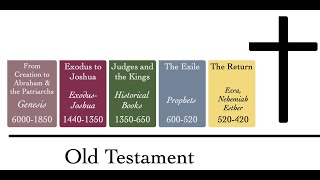
a bit of an encouragement and challenge part of our struggle here is that we have a complete bible as new testament believers and we're tempted then to forget a little bit we're tempted to forget that it was revealed across time that this was a storyline revealed Across thousands of years we'll look at a timeline and come to a better appreciation of the different books of scripture as they were given to us across human history but it's really important for us to remember and take seriously that god gave this book within history we don't want to
just view this as kind of here as a philosophical concept that was just tossed into our labs we want to recognize at the core and the foundation Of christianity it's god who acts in time he steps into history he turns the tide of history and he makes the flow of development happen according to his plan and that helps us then appreciate the richness of the story we remember and we appreciate the sense of waiting and expectation longing and hope as people in the old testament look forward to jesus coming when will he come they long
we wait and then we rejoice at his Arrival and like anna and simeon like the shepherds and the wise men we are in awe as we see this baby born and then we watch him as he ministers we watch as he suffers he dies he rises again and we walk with the storyteller we walk through the drama as we see it unfold and then we are in amazement again because we see the message of his resurrection spread around the world in the book of acts we watch the churches The new fledgling churches come to an
understanding of what all of this means in the epistles and we fast forward into the distant future through time in revelation to see where the story ends and in the process of all of that it helps us remember our own moment in the story of god's work on earth it's not as though the story is done yet we're standing between the two comings of christ his first coming to live minister suffer die and rise again and His second coming in victory and we're waiting between those two moments we have faith because we see what he
has done but we wait and we also are longing and asking questions like even so lord jesus quickly come we're praying this just as the old testament believers waited for his first coming and i think some of the richness of this is that so few people even within good churches and good People recognize this kind of development that that very few people understand the richness of the story and how it unfolds and many of us then misunderstand the richness of the old testament the old testament seems irrelevant we miss the power and the beauty of
much of scripture and i'm going to argue that one of the Easiest and immediately transforming things you can do to understand scripture in a new way to kind of turn on the light bulbs or if you want to imagine turning something from a black and white picture to color or turning something from a picture into 3d one of the things that will immediately help you transform your bible reading and to understand and appreciate the richness of scripture in a way you have Not before is to ponder and understand the framework from biblical theology i'm inviting
you in this course to prepare to learn information that can potentially change the entire way you read the bible i'm inviting you to join me on a journey that can make a huge difference in your appreciation Of the message of scripture and the beauty of individual texts and i don't know of a single study that will be as quickly and immediately transformative as this if you will give yourself to this opportunity that we share together i invite you to join me on something that we can enjoy together watching the beauty and the richness of the
story of god's work across the ages to bring salvation for you and i