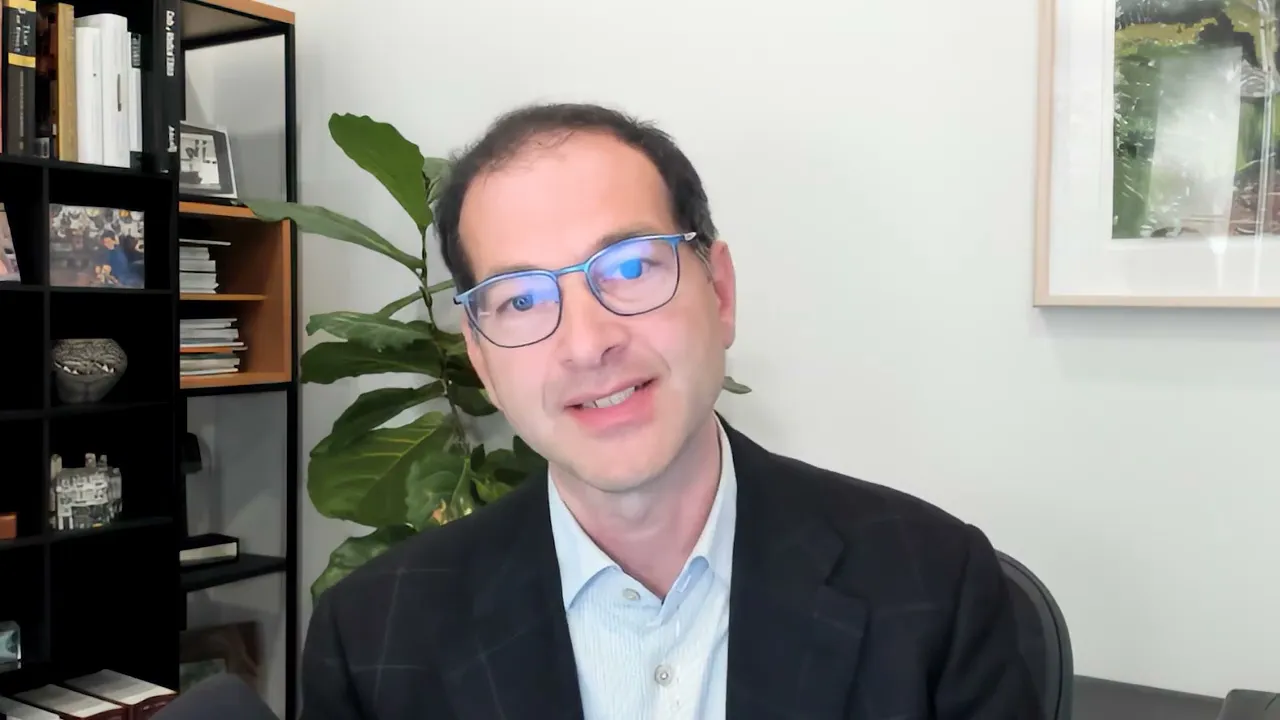
the Declaration of Helsinki was really created by a group called The World Medical Association which was founded in the late 1940s in the wake of horrific ethical failures of physicians in the Nazi era and in the wake of the nurmberg trial and the Declaration of Helsinki is really one of the seminal documents the seminal ethical documents of the WMA it was adopted 60 years ago in 1964 and it was the first set of ethical International principles guiding medical research involving human participants and from the very beginning it had some core principles largely around medical research
on human participants requiring free and informed consent and an assessment before doing research that the PO benefits outweigh the risk and since then we've seen an ecosystem developed of several other more granular more detailed guidelines the do you asked about its revision has been revised several times the last one was in 2013 and some people might say hey this is an ethical document shouldn't it just be timeless and unchanging but in fact it's a living document and it has to evolve as new risks and harms to participants in research become evident in order to sustain
its relevance and the revision process really involves openly wrestling with some of the inevitable tensions that come up as ethical principles Collide and bump into each other or resonate differently across cultures and geography it remains unique and different than a lot of those other things that are out there because it it's really sticks with high level principles it's internationally debated and it comes from the profession of medicine itself the 2024 revisions were a 30mon 2 and a half year long process the w ma initially created a work group made up of n members from 19
countries also some bioethics advisers was led by the American Medical Association and uh really began with eight Regional and topical meetings around the world where folks from different countries and regions invited Regional experts and stakeholders that included everything from researchers to patients bioethicists regulatory body government officials Ethics Committee members Educators National and specially Medical Society leaders and pharmaceutical companies that was followed by two Global public comment periods which generated a substantial uh response so it's really been an interesting lengthy and thorough process well the work group was very very thoughtful about the importance of language
and the words we use as um as it thought through the Declaration of Helsinki and received feedback from folks around the globe so one of the overarching changes that has really happened throughout the document is just the simple replacement of the word subjects when we talk about who is actually experiencing research and the change from the word subjects to the word participants this is really out of the rights and agency and importance and respect for those participants as real partners as co-creators in the research Enterprise really proud of that change similarly there's a paragraph that
talks now with some new language about the importance of meaningful engagement by researchers and sponsors of research with potential participants and with communities so if you're going to go do research in a certain part of the world the importance before during and after that research of of deep and genuine engagement with the community and the potential part participants where you're going to do that research the Declaration I'll call it the do uh from here on out is also in the past historically been addressed primarily to Physicians the world Medical Association again is an organization of
Physicians and uh previously sort of addressed its own members and constituents but the new version of The Declaration says Hey as Physicians it's part of our moral obligation uh to to really see that our patients and the participants in research get respected and treated with dignity and so it actually calls on everybody involved in the research Enterprise now to uphold those the principles in the do whether those are individuals or teams or organizations across the medical research Enterprise there's also some new language in the sixth paragraph of the Declaration that I think is important and
it really addresses the theme of distributive and Global Justice calls on researchers to carefully consider how the benefits the risks the burdens of research are distributed again as you're thinking about the various populations and locations where you can carry out research there's one more thing I think that's sort of an overarching change the workg group contemplated some suggestions it had received to talk about social value as an important purpose of research uh in the seventh paragraph of the Declaration and ultimately got a fair bit of feedback that um that term might have different meanings in
different places and might be vague to some stakeholders so decided instead to use the term advancing individual and public health so as in the past uh research might have been thought of as its primary purpose really is coming up with new treatments for disease and that's still obviously a very core important thing but as we think more broadly about which things the research Enterprise should address uh thinking about population health and the health of the public as well as the individuals we treat as really important of course there's a caveat there which is that thinking
about that public health doesn't take precedence over the rights and interests of individual participants in research when we think back to where the decoration came from and obvious abuses in the past that led to harms to research participants that's still the primary thing uh that the decoration addresses well this set of revisions was written in the wake of the covid-19 pandemic so it's probably not surprising uh that new language was considered and ultimately adopted to really say that these principles and throughout the decoration are just as important during Public Health emergencies and have to be
upheld especially upheld to maintain the public trust and respect for research participants during those Public Health emergencies there were some substantial new changes to the 19th and 20th paragraphs and these are paragraphs that have traditionally addressed vulnerable populations and special protections uh when carrying out research on those populations and coming back to words again one of the changes was really talking about vulnerability and this is out of recognition that vulnerability can be contextual and dynamic and people can be vulnerable at times and not others they can for example be vulnerable just by participating in a
research project and showing up where it's taking place so that was an important change in the wording we also heard a lot from stakeholders around the globe that a default in the past that had really been focused on protecting vulnerable populations which is incredibly important was to say we're going to start with a place where one would assume that vulnerable population should not be included in research because of potential extra harms to them and there was a recognition that that default exclusion had actually worsened disparities and led for example to a world in which we
don't know enough about drugs that we use to treat patients and how they work in women pregnant women children and other populations the historically marginalized as well so changes were made to the language to say hey we should focus on responsible inclusion and that means inclusion with extra protections to help those groups participate and extra supports as well paragraphs 20 and 28 actually do maintain additional protections for groups that are what we call particularly vulnerable so you can imagine the incarcerated who can't fully consent or other populations who may not be able to give consent
and so there are some additional requirements for doing research in those populations there's also a substantially Rewritten 302 paragraph and this paragraph used to address biobanking and the collection of specimens and getting and consent for that but in the current ERA you can imagine that researchers collect a whole lot of data from patients and participants in the conduct of research and in an era where there's machine learning and Ai and genetic data and the ability for computers to re-identify De identify data sets even we're facing sometimes commercial and political misuse of data so it was
important to rewrite this paragraph to really address the importance of free and informed consent for the collection the processing the storage and the foreseeable secondary use of data in research of course there are times when there's unanticipated secondary research that gets done on data that were collected a long time ago and the decoration recognizes that but directs researchers to actually go and get consent from an Ethics Committee in order to conduct research using those older data there also a cross reference in this paragraph to something called the decaration of taipe the do is another WMA
document that much more broadly goes into Data governance policies uh important in the research Enterprise there are a whole lot more changes in this round of revisions to the decoration of Helsinki and I really hope folks will look to its publication in jamama that is coming out simultaneously with the release of the revisions to learn more about them as well as some of the detailed rationals behind the decisions that took place I just want to close out by thanking the members of the work group and those around the globe who gathered to organize meetings or
even just to write us and give feedback it was so critical to trying to get this right