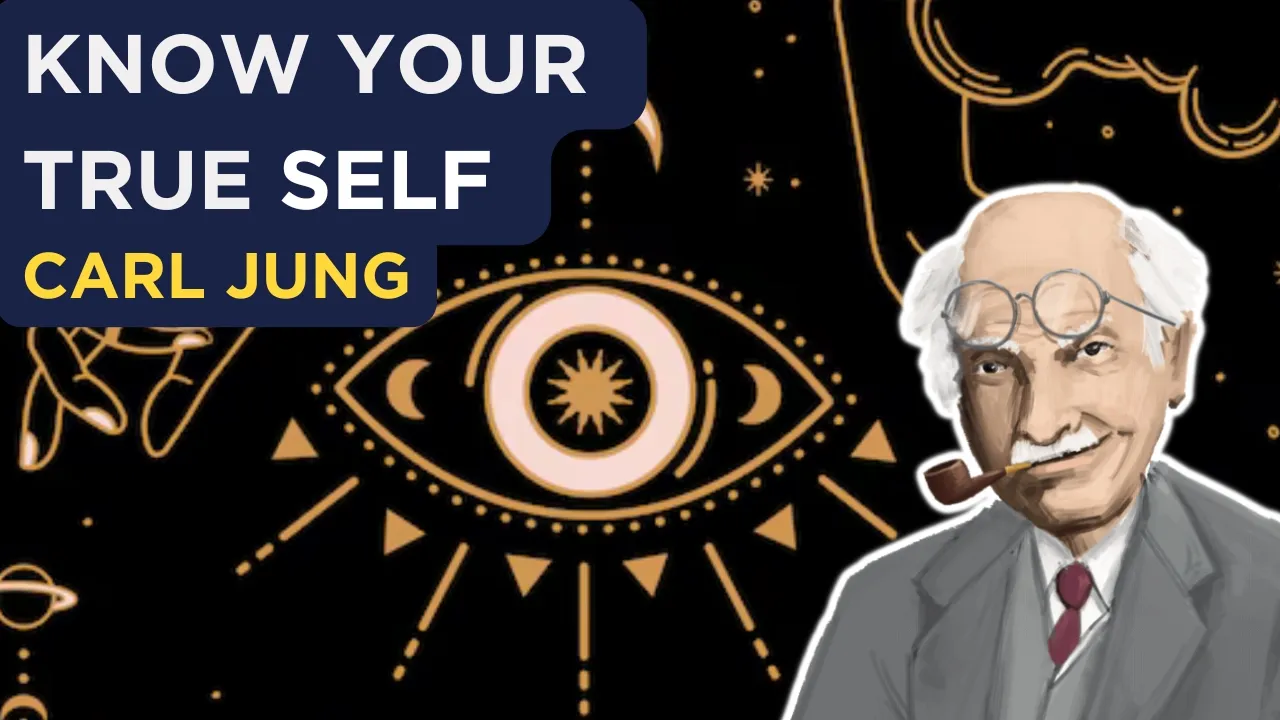
Carl Jung, one of the most influential psychologists of the 20th century, believed that truly understanding yourself requires looking beyond the surface, beyond your everyday thoughts and actions to the deeper patterns that shape who you are. He introduced the world to the idea of archetypes - common personality patterns that exist in everyone’s mind. These archetypes affect how we think, act, and interact with the world.
By identifying which ones shape us the most, we can better understand ourselves and what motivates us. Imagine waking up with no memory of who you are—no name, no past, no identity. Yet, even with this blank slate, something inside you pulls in a certain direction.
Maybe you feel an instinct to protect others, an unshakable drive to explore the unknown, or a knack for bending situations to your advantage. As you observe the world, patterns emerge. Some people step forward with confidence, while others linger in the background.
Some deceive, some nurture, some fight for justice, and others thrive in chaos. At first, it seems random, but then a realization hits—you’re not alone in this. People everywhere are shaped by unseen forces, playing out roles they may not even be aware of.
Look closer, and you’ll see these roles aren’t just personal choices; they’ve been repeated for centuries, almost as if they’re part of an invisible script. The Hero faces challenges head-on. The Wise Old Man offers guidance.
The Trickster stirs the pot, pushing boundaries. The Lover seeks deep connection. And as you take it all in, you feel an undeniable pull—some roles resonate with you, while others push you away.
But why? You can think of Jung’s archetypes as universal patterns that shape how we think, feel, and act. They appear across cultures and time periods, persisting in myths, stories, and even our daily lives.
The Hero isn’t just Hercules from Greek mythology; it’s Neo in The Matrix, Luke Skywalker in Star Wars. There’s The Wise Old Man archetype in Gandalf, Yoda, or Dumbledore, and The Trickster in Loki, The Joker, or even Bugs Bunny! And these roles aren’t confined to fiction.
They shape us in the real world. A young entrepreneur fighting for a vision is living the Hero’s journey. A mentor guiding others embodies the Wise Old Man.
A disruptor challenging the status quo channels the Trickster. These patterns influence how we see ourselves, the choices we make, and the way we navigate life - often without us even realizing it. So, which archetypes are shaping you?
Understanding them can reveal hidden patterns in your life, help you recognize your strengths, and give you a deeper sense of who you really are. And in this video, we’re going to break down how to truly know yourself by identifying your archetypes—and how to use that knowledge to take control of your story from the philosophy of Carl Jung. Understanding the Structure of Your Psyche Jung saw the unconscious mind as a vast inner world—full of forgotten wisdom, deep patterns, and hidden potential.
He believed that to live authentically, we must become whole, bringing the unseen parts of ourselves into the light and reconnecting with the wisdom already within us. But this isn’t easy. It means looking beyond the masks we wear, facing the parts of ourselves we try to ignore, and confronting fears we’ve buried deep inside.
To start this journey, we first need to understand how the mind works. Jung described the psyche as a multi-layered system, where the conscious and unconscious constantly interact, shaping our thoughts, emotions, and actions, whether we’re aware of it or not! At the conscious level, the Ego stands at the center of our awareness.
Imagine you are the main character in a story. The version of you that makes choices, sets goals, and interacts with the world is your Ego—your sense of self. If you see yourself as ambitious or kind, that’s your Ego defining your identity.
But who we are in public isn’t always our full self. We wear a mask—what Jung called the Persona—the role we play to fit in. Whether at work, with friends, or online, we adjust how we act to be accepted.
Now there’s nothing wrong with this, but if we become too attached to this mask, we risk losing touch with who we really are. Beneath this mask is a hidden part of your mind—your personal unconscious. It holds forgotten experiences, suppressed emotions, and past wounds that still affect you.
Jung called these wounds complexes—emotional scars that shape your actions without you realizing it. For example, if you were often ignored as a child, you might develop an unconscious fear of rejection, causing you to hesitate in relationships or avoid speaking up. A key part of this is the Shadow—the hidden aspects of yourself that you deny or suppress.
Maybe you were taught that anger is bad, so you push it down, or you fear vulnerability because it makes you feel weak. But ignoring these aspects doesn’t make them disappear. Instead, they show up in your life in unexpected ways—like sudden emotional outbursts or harsh judgments of others.
The only way to grow is to recognize your Shadow, understand it, and integrate it rather than letting it control you from the background. Beyond the Shadow lies something even more fundamental—the Anima and Animus. The Anima and Animus represent the hidden side of our identity, offering a bridge to wholeness.
If you’re a man, your Anima is your inner feminine energy—the part of you that connects with emotion, intuition, and depth. If you’re a woman, your Animus is your inner masculine energy—your strength, independence, and confidence. The problem is, society often pushes us to embrace one side and ignore the other.
But real growth happens when we integrate both. A man taught to always be “tough” might struggle to express vulnerability, but his Anima holds the emotional depth he needs to feel whole. A woman encouraged to be nurturing might downplay her ambition, but her Animus carries the confidence and drive she needs to step into her power.
The key is to stop rejecting these hidden parts of ourselves and start embracing them. When we do, we become more balanced, more authentic, and more in tune with who we really are. Deeper still, beyond personal memory, is something far older—the collective unconscious, where archetypes live.
As we said before, Jung described archetypes as universal patterns of human behavior that have existed for ages. These figures—like the Hero, the Wise Old Man, and the Trickster, they shape how we think, feel, and act. Whether we embrace or struggle against them depends on how our mind is structured.
The more we understand these deep forces, the more we can see how they guide our lives. At the core of who you are lies the Self—the truest and most complete version of you. To fully understand yourself, you need to bring together all the different parts of your mind that we’ve discussed so far.
There’s the Ego, the part of you that makes decisions and moves through daily life. The Persona, the mask you wear to fit in. The fears and emotions buried in your Shadow.
The Anima or Animus, the side of you that brings balance. And deeper than all of that, the archetypes—the universal patterns that shape how you think, feel, and act. Jung called the process of bringing these parts together individuation.
It’s not about being perfect or becoming someone else—it’s about becoming whole. It’s about letting go of the roles and expectations placed on you, embracing both your strengths and struggles, and stepping into who you really are. 2.
Understanding different Archetypes Jung identified 12 major archetypes and each of us carries one or a combination of these archetypes, influencing our strengths, challenges, and life journey. Let’s explore these archetypes, their key traits, and how they shape our lives… …Starting with the Innocent. They walk through life with an open heart, full of hope, believing in the goodness of the world.
They trust that everything will work out. But what happens when life doesn’t go as planned? When their trust is broken?
They must learn that real happiness isn’t something handed to them—it’s something they must create from within. Next we have the Orphan, someone who knows what it’s like to feel alone, disconnected, longing for a place to belong. They find comfort in relationships, in shared experiences, in knowing they are not the only ones who have felt this way.
But sometimes, that fear of being left behind makes them too dependent on others for validation. Their true journey is realizing that belonging doesn’t start with someone else—it starts with accepting themselves. And what about the Hero?
The warrior, the fighter, the one who refuses to back down from a challenge. They charge ahead, determined to prove their strength, to be the one who saves the day. But deep down, beneath all that courage, there is fear.
Fear of failure, fear of weakness, fear of being ordinary. Their greatest battle isn’t against the world—it’s against the part of themselves that refuses to admit that strength also means knowing when to let go. Then there’s the Caregiver, the one who gives and gives, pouring their heart and soul into others without hesitation.
Their greatest joy comes from nurturing, protecting, being the safe place for those they love. But where is the line? When does giving too much turn into losing oneself?
Their challenge is learning that true generosity includes themselves, that they, too, deserve care. Some people are never satisfied staying in one place and the Explorer is one of them. Restless, curious, always looking for what lies beyond the horizon.
Adventure is their fuel. But the danger of endless searching is never feeling at home anywhere. Their greatest realization?
No journey outside of themselves will ever replace the one within. And then there’s the Rebel, the one who refuses to follow the rules, who questions everything, who sees the cracks in the system and is determined to break it apart. Rebels shake the world, make people uncomfortable, and push for change.
But rebellion without purpose is just destruction. Their real power lies not in tearing things down, but in building something better in its place. Next we have the Lover, who unsurprisingly, lives for connection.
for love, for passion, for the magic that happens between two souls. They crave closeness, deep relationships that make them feel alive. But in that longing, they risk losing themselves, becoming so consumed by love that they forget who they are on their own.
Their lesson? True love isn’t about completing another person—it’s about standing strong beside them, whole and unshaken. Then there Creator is the one who dreams, who sees what does not yet exist and brings it to life.
Whether through art, words, inventions, or ideas, they shape the world in their own way. But perfectionism is their enemy. The fear of imperfection can paralyze them, stopping them from ever finishing what they start.
Their truth? Creation isn’t about being flawless—it’s about daring to create despite the flaws. Then there’s the Jester, the one who sees the absurdity of life and laughs.
They remind us not to take things too seriously, that humor can be the best medicine. But sometimes, their laughter is a mask, a way to avoid facing the pain underneath. Their journey is to realize that true joy isn’t about escaping suffering—it’s about embracing life fully, both the light and the dark.
Next we have the Sage, always searching for wisdom, asking the questions others ignore, diving into knowledge that goes beyond the surface. But the trap of endless questioning is never taking action. At some point, wisdom must be lived, not just understood.
But then there is the Magician. The magician is different. They see what others cannot.
They understand the hidden forces of life, turning ideas into reality. But power is tricky—it can be used to inspire or to manipulate. Their challenge is remembering that true magic doesn’t control others—it awakens them.
And finally, the Ruler, the one who craves stability, order, and control. They are the leaders, the visionaries, the ones who bring structure to chaos. But when control becomes too tight, it suffocates.
True leadership isn’t about power—it’s about lifting others up, making sure everyone has a place to rise. So knowing yourself means recognizing these archetypes in your life—seeing both their strengths and their challenges, learning from them rather than being controlled by them. And if you hadn’t figured it out yet, we’re not just one archetype; we’re all of them, woven together in a unique and ever-changing way.
The journey of self-discovery is long, but in the end, it is the most important one we can take. 3. Analyse your dreams Jung famously called dreams the "royal road to the unconscious," for they reveal to us the hidden patterns and forces that govern our lives, on both a conscious and subconscious level.
By paying attention to the images and figures that appear in our dreams, we can begin to unravel the threads of these archetypal forces, gaining deeper insights into the very core of our being. Imagine seeing an old, wise figure in a dream. It could represent the Wise Old Man or Wise Woman archetype—a symbol of inner wisdom and guidance, revealing deeper truths that we sometimes find difficult to accept.
These figures often appear when we are at a turning point, feeling lost, or facing a tough decision. In those moments, they bring clarity and help us find the direction we need. Or perhaps you dream of facing a huge obstacle, something so big and overpowering that it feels impossible to overcome.
This could be the Hero archetype appearing, encouraging you to face your fears and push through the challenges that are holding you back. These dreams remind us of the strength within us, urging us to step forward with courage. Jung noticed that certain symbols appear in dreams during big life changes.
He called these “big dreams” because they mark deep personal growth. What they absolutely are not, is random—they help us connect different parts of ourselves and move toward wholeness. But how can we track these elusive archetypes as they dance through the landscapes of our dreams?
It begins with a commitment to the practice of dream journaling. As soon as you wake up, take the time to capture the vivid details of your dreams—the emotions, the symbols, the figures, and the actions. Even if the dream seems fragmented or fleeting, write it down without judgment.
It is in this act of recording that you begin to establish a relationship with the unconscious. As you pour these dreams onto the page, look for the recurring symbols that emerge. An old wise figure, an obstacle, or even a recurring setting can point to the presence of certain archetypes—each one offering its own message or challenge.
Next, pay close attention to the emotions you experience during the dream. Emotions are the key that unlocks the meaning behind the archetypes. Similarly, encountering deep sadness in a dream might point to The Orphan, highlighting unresolved wounds from abandonment or rejection, urging us to seek true belonging within rather than in external validation.
Feelings of longing or obsession may signal The Lover, reminding us to find balance between passion and self-identity. On the other hand, a dream filled with frustration or rebellion could be the work of The Rebel, pushing us to question authority and break free from limiting beliefs. Over time, by reviewing your dream journal, you’ll begin to notice patterns—certain symbols or themes that reappear.
These repeating motifs are not coincidences; they highlight the archetypes that are most active in your life at any given time, guiding you toward the unconscious forces that are shaping your reality. Finally, take time for reflective interpretation. Ask yourself what the symbols and emotions in your dream reveal about your waking life.
How do these themes relate to your current struggles or desires? What might they be urging you to confront or embrace? Jung’s practice of active imagination can deepen this process by allowing you to engage with dream figures and symbols in a conscious, intentional way.
In this, instead of just analyzing a dream, you re-enter it in a meditative state—visualizing the scene, speaking with the archetypal figures, and allowing them to respond. This way you create space for the unconscious to speak. Through reflective interpretation and active imagination, you not only analyze your dreams but directly experience their meaning and over time you will see patterns emerging, helping you recognize the archetypes shaping your personal journey.
4. Pay attention to your archetypes in your waking life Archetypes aren’t just ideas from myths or dreams—they shape how we live every day. They influence the way we connect with people, handle challenges, and see ourselves.
To identify your archetypes, start by observing your natural tendencies: What kinds of people or situations strongly affect you? What emotions surface repeatedly in your relationships and struggles? When faced with challenges, how do you instinctively respond?
For example, if you often seek deep emotional connections, the Lover may be guiding you. If feelings of loneliness or rejection frequently arise, the Orphan might be at play. By reflecting on patterns in your thoughts, reactions, and desires, you can uncover which archetypes are influencing you.
One way to dive deeper into archetypes is through the Major Arcana—a set of 22 Tarot cards that symbolize key moments in our journey of self-discovery. To be clear, Jung never used Tarot in therapy, but he found it fascinating. He saw the Major Arcana as a reflection of the unconscious mind, a way to tap into universal experiences we all go through.
So, rather than a prediction of the future, it’s more like a mirror, showing us where we are today, what we’re struggling with, and how we’re growing. While Jung didn’t directly map Tarot cards to his 12 archetypes, a lot of them align naturally. The Hermit, for example, represents wisdom and introspection, much like the Sage archetype.
The Chariot embodies determination and overcoming obstacles, just like the Hero archetype. People often turn to Tarot when they’re seeking clarity—whether it’s about a challenge they’re facing, a decision they need to make, or a phase of life they’re navigating. The cards don’t give direct answers, but they help you see your situation from a different perspective.
If you’re curious, start small. Shuffle a deck, pull a card at random, and really look at it. What emotions come up?
How does it connect to what’s happening in your life? Over time, you’ll start noticing patterns and insights. For example, if you pull The Star, it might remind you to trust that clarity will come, even if you feel lost right now.
If you pull The Magician, it could be a sign that you already have the tools you need to take control of your situation. Each card offers a new way to look at what you're going through, helping you find direction rather than giving you all the answers. 5.
Integrate Archetypes for Personal Growth Think about your daily life. Which archetype shows up the most? Maybe the Warrior driving you to push through challenges, or the Lover helps you build deep connections.
Every archetype has its strengths, but also a shadow side. The Magician brings wisdom and transformation, but when unbalanced, it can turn into manipulation. The Sage values knowledge but may become distant and emotionally detached.
The key to integration is balance—embracing the strengths of each archetype while being mindful of their limitations. If you find yourself stuck in one mode, you can activate an opposite archetype to restore equilibrium. For example, if you're too rigid as the Ruler, embracing the Lover can help you connect with others more deeply.
Archetypes can also be powerful tools for decision-making. When facing a tough situation, ask yourself which archetype you need. If you’re feeling stuck, maybe it’s time to channel the Explorer and try something new.
If fear is holding you back, the Hero’s courage can push you forward. Visualizing yourself as that archetype can help you tap into its energy and take action. For example, perhaps you feel lost in your career.
You recognize the Orphan archetype taking over—doubting yourself, feeling helpless. Instead of staying stuck, activate the Explorer by taking small steps: researching new paths, reaching out to people, stepping outside your comfort zone. Over time, you shift from feeling lost to discovering new possibilities.
You can also strengthen an archetype through daily actions. If you want to develop the Creator, commit to a creative practice like writing or painting. If you want to awaken the Warrior, challenge yourself physically and mentally.
If you want to embrace the Sage, dedicate time to learning and reflection. Small, consistent actions reinforce these archetypal energies, making them a natural part of your personality. Over time, you’ll go through different archetypal phases in life.
You might start with the Innocent’s curiosity, or face struggles as the Orphan, and later step into the Ruler’s leadership or the Sage’s wisdom. The goal is to embrace these transitions consciously, rather than resisting them. By working with archetypes regularly, you gain a deeper understanding of yourself, unlock your potential, and consciously shape the person you become.
So, which archetype represents you the most? Let me know in the comments! and if you found this helpful, do like this video please make sure to check out our full philosophies for life playlist and for more videos to help you find success and happiness using beautiful philosophical wisdom, don’t forget to subscribe.
Thanks so much for watching.