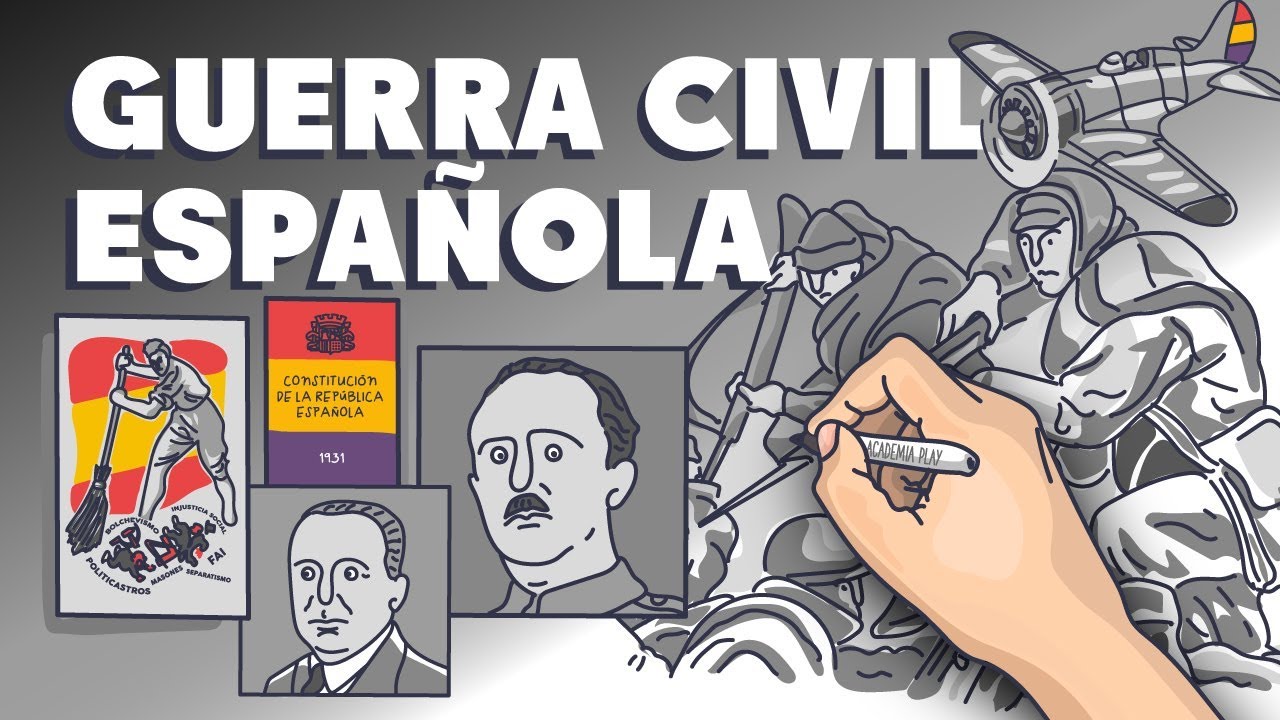
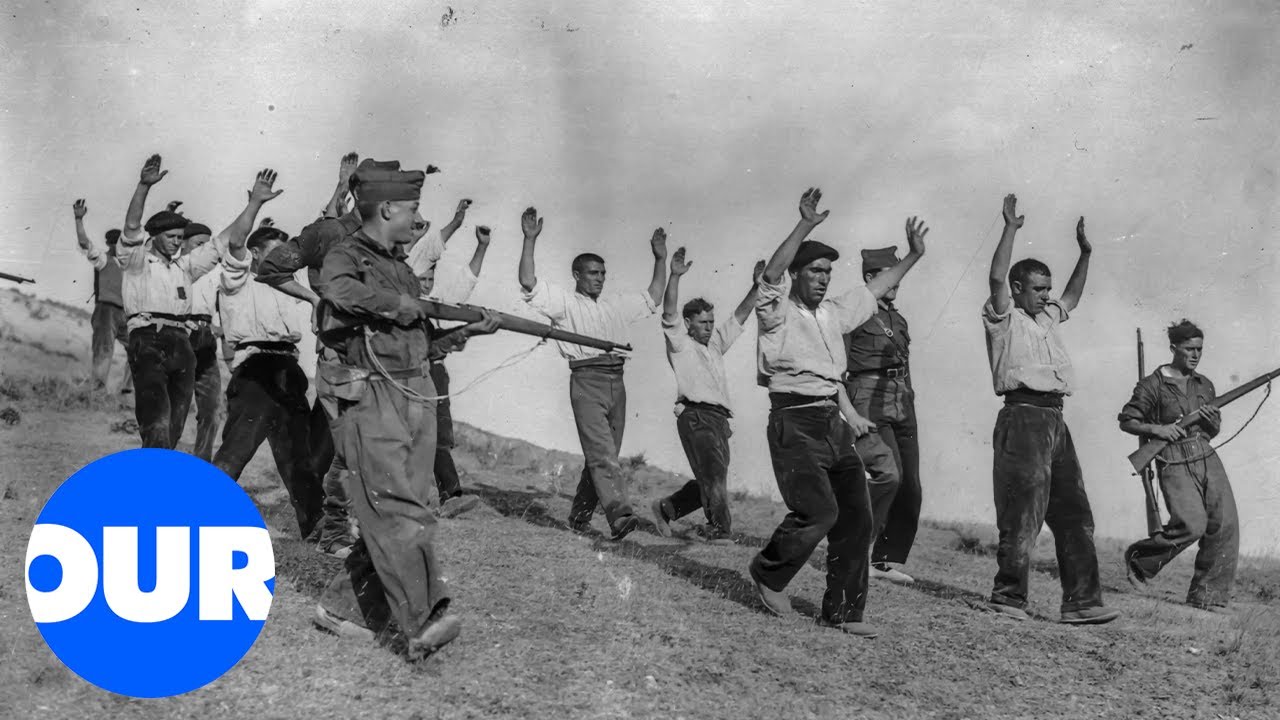
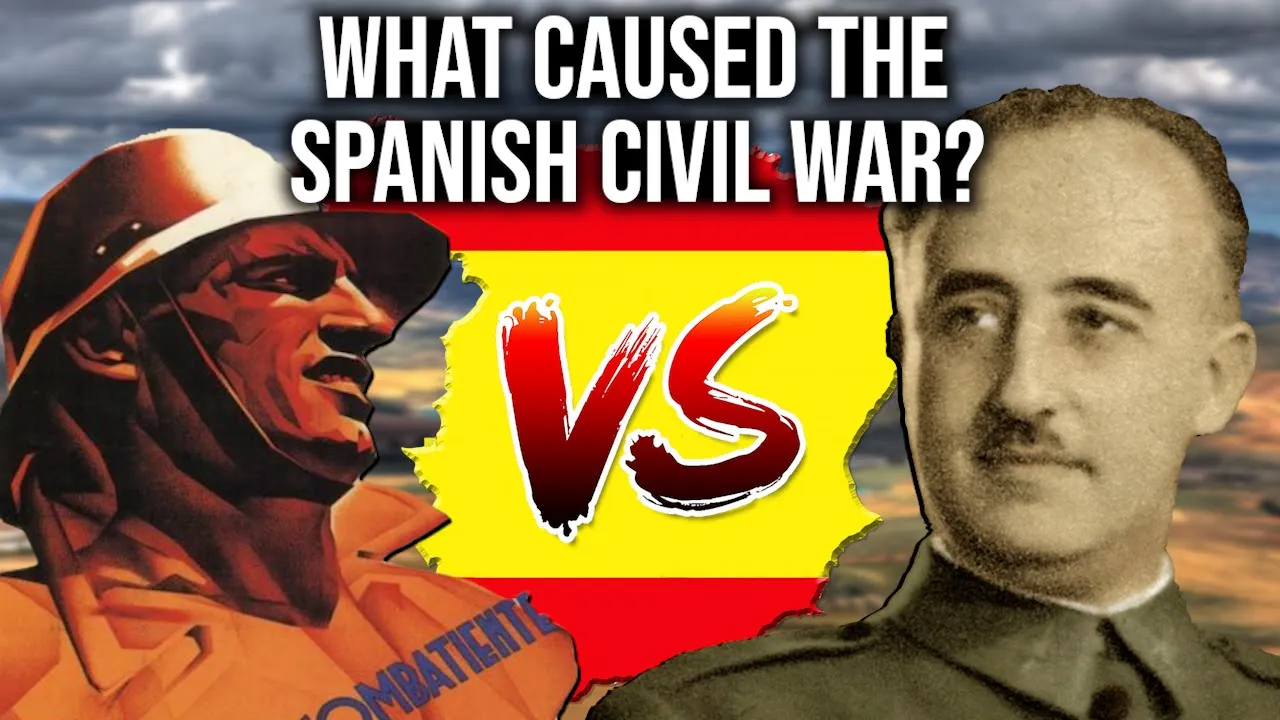
the spanish civil war is one of the most interesting conflicts of the 20th century when you think about wars of the last hundred years almost everyone thinks of world war 1 and world war ii rightfully so they're two of the biggest wars in human history but what's often overlooked is the time period between these two wars and how it shaped the world order it was in this inner war period that the spanish civil war occurred and it earned the reputation of being known as the dress rehearsal for world war ii it pitted many of the
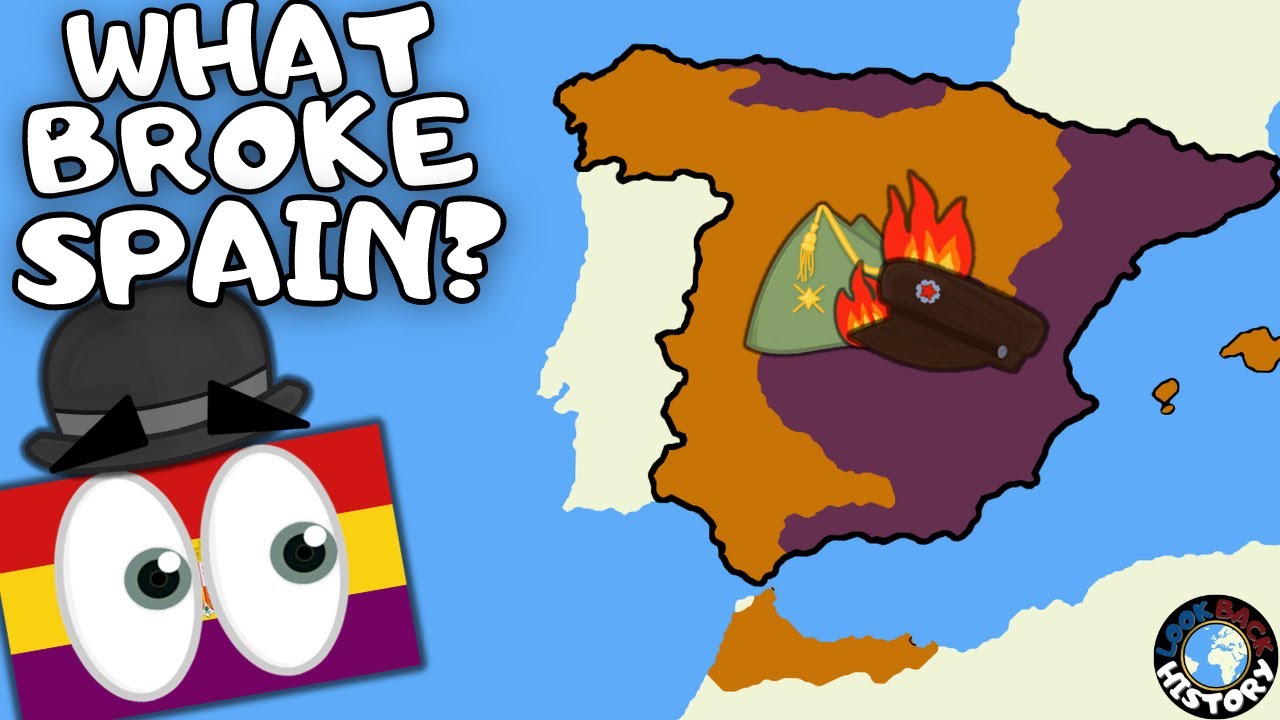
same ideological forces against each other that would later fight globally it was a battle between nationalism and communism christianity against secularism tradition against revolution beginning in 1936 the unstable second spanish republic implodes on itself into a conflict that will leave five hundred thousand dead and will forever go down in history as the spanish civil war the struggle saw an alliance of monarchists philangists traditionalists landowners and more battle for supremacy against the coalition of communist anarchist liberal and republican forces so what led to this conflict what were the key factors that brought down the second spanish
republic what has to happen to bring a nation to civil war in this video all of these questions will be answered to say that the early 20th century was an explosive time in europe would be an understatement world war one led to the deaths of an estimated 30 million people four major european empires the german russian austrian and ottoman all fell the spanish flu caused the deaths of another 25 million people this time period was so deadly that those born between 1883 and 1900 became known as the lost generation while spain was neutral in world
war one it was experiencing its own problems the nation was a shadow of its former empire having lost most of its overseas colonies in the 1800s to revolutions back at home spain was a country that couldn't decide on its own future it underwent multiple civil conflicts between liberals and conservatives over what kind of government spain would have the general trend over the years was more power being taken away from the king and the church and given to parliamentary bodies between 1874 and 1931 spain was in a period known as the restoration where it was a
monarchy led by a restored king of the house of bourbon however under the liberal 1876 constitution the king was not absolute and had to rely on the parliament to pass most laws the parliament was dysfunctional and hardly any prime minister could accomplish anything the country seemed to be in a malaise as neither monarchists nor republicans got what they wanted but as the industrial revolution spread through spain it became clear that changes would be necessary by the 1920s spain saw the rise of multiple extreme issues a costly colonial war in morocco was draining the government's finances
at the same time communist and anarchist sentiment was rising internationally the successful bolshevik revolution in russia and the republican revolution in germany inspired liberals and marxists alike to seek similar revolts in spain for republicans the aim was the abolition of the old world order and the creation of a democracy that will pursue the ideals of the french revolution liberty equality fraternity or so they said they desired the monarchy the catholic church and the military to all have their power vastly reduced or destroyed meanwhile for marxists the aim was a workers revolution some were anarchists who
sought for the workers to rule themselves while others admired the soviet union and wanted a similar government in spain all marxists agreed on one thing however capitalism had to be abolished and so did all those who in their view enabled capitalism they decided that morality was simply a bourgeoisie invention and that the true reality of life was an endless class struggle between rich and poor many poor spaniards were attracted to these ideas because they felt they were unfairly treated by the spanish landowners spain had been after all slow to adopt many of the pro-worker reforms
that other industrializing nations already had fueled by international networks spreading propaganda through spain republicans and marxists staged strikes street violence and anarchy that caused havoc for the government losing control of public order king alfonso viii was forced to allow the military to run the country in 1923 captain general of catalonia miguel primo de rivera launched a bloodless coup dissolved the parliament and suspended the 1876 constitution the backers of the coup viewed the parliamentary system as corrupt inefficient and detrimental to the national interests of spain while the military government was stable for a few years the
wall street crash of 1929 brought it all tumbling down the depression removed any chance of primo de rivera to establish a lasting hold over the country with the bleak financial situation the king and the spanish military withdrew their support from the government and rivera resigned shortly afterwards in april 1931 elections for the new spanish parliament were held and republicans won in all of spain's major cities royalists suffered heavy losses in the wake of this king alfonso abdicated and fled into exile the republicans then declared spain a republic and abolished the monarchy but peace and stability
were far away the new republic immediately faced major problems two important regions in spain wanted independence catalonia and the basque country if these aims were successful it would have meant the breakup of spain to hold them over for the time being the republic granted them a higher degree of autonomy though the separatist sentiment still remained at the same time the roman catholic church disapproved of the republic as it sensed correctly that it would be hostile to the church the new government also sought to deal with the influence of the military because it felt its leaders
had too much power in politics the 1930s depression hit spain's economy hard iron production fell by 33 percent and steel by 50 percent unemployment in both agriculture and industry rose and those who were working had to put up with cut wages as the economy struggled to survive in the face of these dire circumstances political infighting between right and left was pushing spain towards social catastrophe spain's new parliament governed mainly by socialists and middle class radicals now began to revoke historic privileges of the catholic church separation of church and state was enacted cleaving the state and
church into two separate entities priests lost their salaries and many church properties schools and cemeteries were confiscated by the state jesuits were expelled from spain ironically the country that have founded the movement catholic education in schools was also ended and women were granted the right to vote all of this broke a 1 000 year chain of cooperation between the catholic church and the spanish government and as bad as that all was it got worse the communist and anarchist factions within the republic despised the church and christianity as a whole karl marx after all had declared
religion to be the opiate of the masses and a bourgeoisie tool against the workers the international press agitated heavily against the church as an oppressor to the spanish parliament prime minister manuel azana who was also a freemason declared that spain would no longer be a catholic nation he further declared that religion is unsociable and would not be useful to the republic stoked by this anti-religious fervor communist groups burned churches murdered priests and declared their intention to wipe the catholic church out of spain the republican government responded to these crimes by doing nothing it allowed them
to continue without answer this type of revolutionary anti-religious violence wasn't new it was identical to that which occurred during the french and bolshevik revolutions in both cases new ideologies sought to tear down the entire foundation of the christian societies they were in in spain's case the violence would get more extreme once the civil war began and it would appall the international community but the church wasn't the only target of the new government's rage many army officers were forced to retire early the huge agricultural estates in spain were nationalized simultaneously the wages of industrial workers were
increased at the expense of the industrial class the republican government effectively went after everyone it deemed as having too much privilege in society but by doing this it created a dangerous situation where it was angering many powerful groups at once the military the industrialists the landowners and the catholic church these four bodies became more and more unwilling to support the government in madrid they were also well aware that there were countries in europe that might be willing to give support to their plight as many nations in europe were scared of communism and the rising soviet
union fascist italy under mussolini would be an obvious ally as with germany after hitler assumed power in 1933. in january 1932 the first shots against the government were fired as a number of army officers attempted to overthrow the republic and the prime minister manuel azana the attempt was unsuccessful however as the army for now stayed loyal to the government many officers were still willing to give the young republic a chance however in the wake of this revolt a new political party was formed called ceta this was a right-wing party dedicated to protecting the authority of
the church and the landlords it would become one of the dominant right-wing parties in spain the government of azana having lost support from the right also began to lose support from the left two powerful left-wing political parties the anarchists and syndicalists powerful trade union groups felt that azana's government was too middle of the road both wanted a more communistic state and the overthrow of capitalism above all they deemed asana to have betrayed the working class for leaving landowners too much power the extreme left now began to organize strikes and riots in an effort to destabilize
the republic one of these strikes led to a clash between anarchists and government forces that left 24 people dead including women and children in the wake of this azana resigned as prime minister and new elections were called for in november 1933 in this election the right wing won a majority of support and ceta became the largest party in the parliament led by gil robles the new right-wing government immediately overturned all of the changes brought in by the azana government this angered many but especially the catalans who had their privileges withdrawn in response to this the
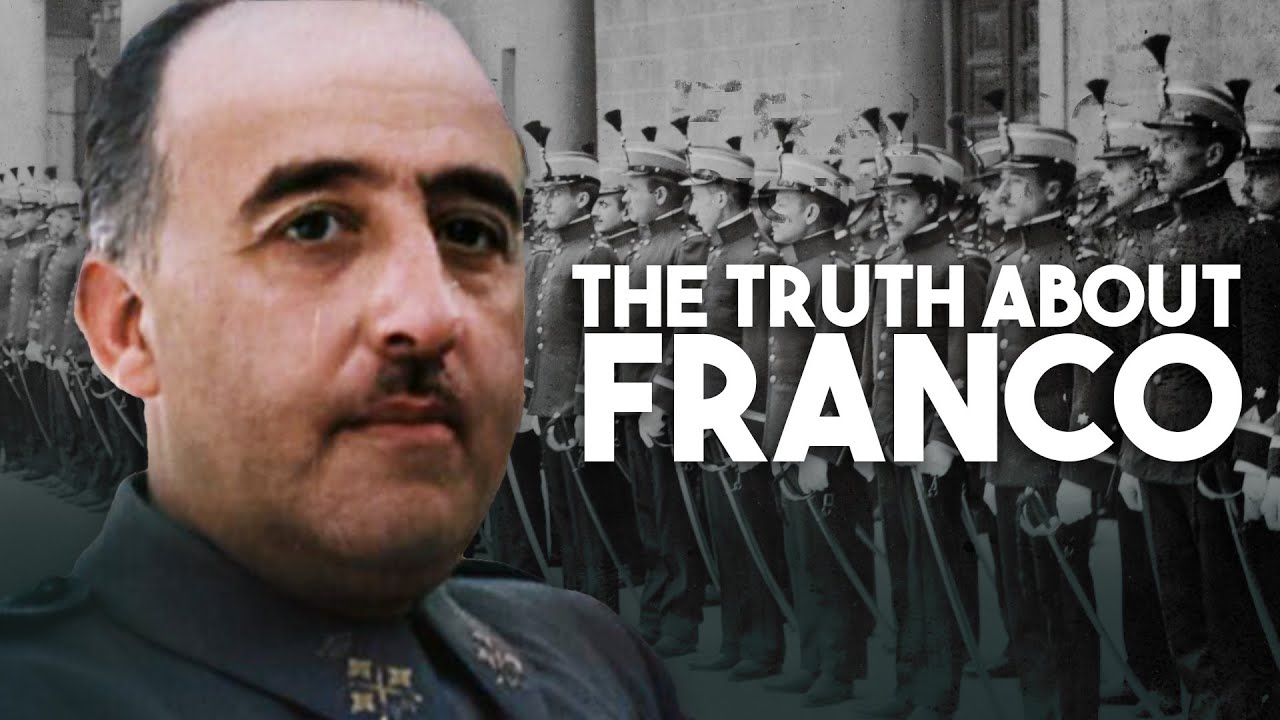
many parties of the left came together to form the popular front they organized strikes riots and took part in acts of violence such as derailing trains and burning government buildings to the spanish right it became clear that their opponents were not willing to accept the results of elections or follow the laws that they passed in 1934 coal miners and asturias launched a full-scale revolution but were ruthlessly put down by the army led by a rising general francisco franco spain appeared to be heading to all-out chaos in a last-minute attempt to avoid serious trouble a general
election was called again in february 1936. the election was characterized by intimidation violence and political murder 10 people were killed on election day alone both sides declare that if the other one civil war would not be far behind the atmosphere within the country was apocalyptic when the dust finally settled the popular front had won a narrow victory but due to the fraud intimidation and violence that surrounded the entire election large parts of the country did not see the government as legitimate the new government itself was a farce from the outset because the socialists withdrew their
support from it and essentially no one believed it had any control over spain tensions escalated even further when the popular front started to release political criminals including those who were involved in the asturias revolt law order completely broke down and many believed that a communist revolution was already underway spain had now become a powder keg ready to explode and all it would take is a spark [Music] that spark would finally come in july 1936 when jose calvo sotelo a leading monarchist politician was assassinated in a police car by left-wing aligned militia members this political murder
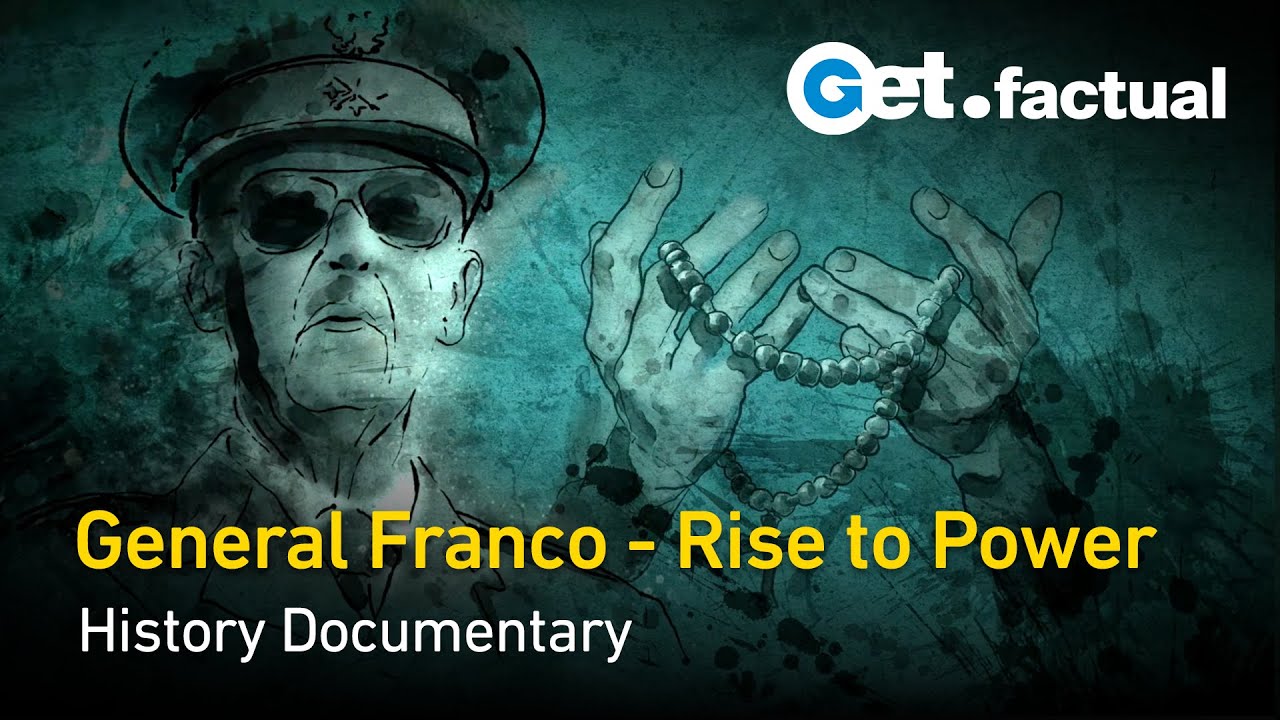
would be the final straw with his death died any hope for a peaceful solution to spain's divisions right-wing politicians and their supporters now believe they were in serious danger and became willing to do whatever it took to take down the republic the military had in fact already prepared to take over of spain the plot had been carefully hidden since february 1936 and its adherents now felt they finally had the support to launch it general franco joined the revolt and his regiment seized control of spanish morocco he commanded spain's army of africa the most professional and
well-trained unit in the entire spanish army his next target was to invade mainland spain establish a military government there and rid the country of all those involved in left-wing politics in desperation the republican government armed the workers and they withheld the initial coup by the military but the battle lines had now been drawn the spanish civil war had begun