[Music] [Music] welcome students so as I poured my in my previous lecture that now we will start talking and discussing about the financial statement analysis and the first tool of the financial statement analysis is the ratio analysis so ratios are very important and powerful tool and if we know the real spirit of the ratios and are able to identify which are the ratios that are useful for a particular purpose for which the financial statements are being analyzed then there is no need for any other tool of financial analysis even the ratios can give us the
better information about the company its performance and how the company is doing or at the same time it can tell us that how it will perform in future and what is the financial and operating health of the company so ratio analysis is a very powerful tool and with the help of the ratios we can reach up to a logical conclusion maybe whatever the objective with which we are analyzing these say financial statements of the company that is may be any any objective or any stakeholder he is using these ratios for the financial analysis it can
be used and without even any other tool the ratios alone can help and can help to perform the best analysis so now as I told you that we have to be discussed last time in my previous lecture that there are the different type of the ratios they are grouped into seven categories they are like a return on investment solvency ratios liquidity ratios turnover issues profitability ratios DuPont analysis and valuation of the capital market ratios so we will discuss first these ratios know about the formulas of calculating these ratios and what is the relevance of these
ratios see there are the two points when we calculate the ratios and use the ratio analysis as a useful tool there are two important things first thing is that by applying a particular formula and the values driven from the balance sheet or the profit and loss account or the prof mela sheet and the income statement we calculate a value right we calculate your value so calculating the value is one thing that anybody can do or maybe the computers can do for you if you have the software put the software in or sometimes there are there
are some databases where the ready-made ratios are available say for example when you talk about the profits of the this CMI Center for monitoring Indian economy there in that almost all the ratios are pre calculated so for for almost all the companies more than and I say 11,000 companies are there in that database so all the ratios relevant ratios are pre calculated so there's one thing that we have to calculate the ratios and we have to find out the numerical values by using the information given in the income statement and the balance sheet but what
is the meaning of that value there's a million dollar question there's for the meaning of that value how to interpret those values which are calculated by using certain ratios and by drawing the information from the income statement and the balance sheet what is the relevance of those values what is the meaning of those values how those values are important with regard to a particular objective we are going to achieve by analyzing those statements that's a million dollar question so we will first in this process learn the formulas that what are the important formulas and what
is the meaning of those items included in the numerator and denominators in the formulas and then we will have to say take out the figures means first I my pedagogy will be that in this case will be like that possible we'll discuss these ratios theoretically and then we'll have a light case some company which is already in existence and by using the information of that company we will be drawing the data from that company and that company's financial statements and then we will calculate the ratios for that company and then we will try to draw
a conclusion that how that company is doing and what is the overall financial performance of that company so in that case first we have to learn about the different type of the ratios and these ratios are first as I have written here that is ROI ratios return on investment ratios are why ratios ROI ratios so when you talk about the ROI ratios generally we calculate the three ratios to know the return on investment we calculate the three ratios and in this case these three ratios are under this this grouping was first is a return on
net worth second is the earning per share and third is a cash earning force sheer cash earning per share these are the three important ratios which we can calculate under the category of the return on investment ratios so we'll be learning how to calculate these ratios and then we will calculate these ratios and then we will come to know that what is the overall say return on net worth for a particular company what is earning per share for that company and what is the cash earning per share for that company so this will give us
an idea that say for example now this ratio is important for say say a distinction holders as well as the new potential or the prospective shareholders so the prospective share hold if somebody want to buy the shares of a company he is planning then he can use these ry ratios because in that case the main objective for the shareholder is that he wants you to maximize his wealth and that is only possible when the ROI on that investment or his investment or her investment is maximum so we like to know that how much return our
net worth this company is generating how much earning per share this company is giving and how much cash earnings per share is giving so when we talk about the return or net worth this ratio we are going to talk about or discuss about so here one important question arises what is this net worth how would you define a net worth of a company how would you define the network of a company that is a million dollar question so if you see we have to find out the net worth of a company we can find out
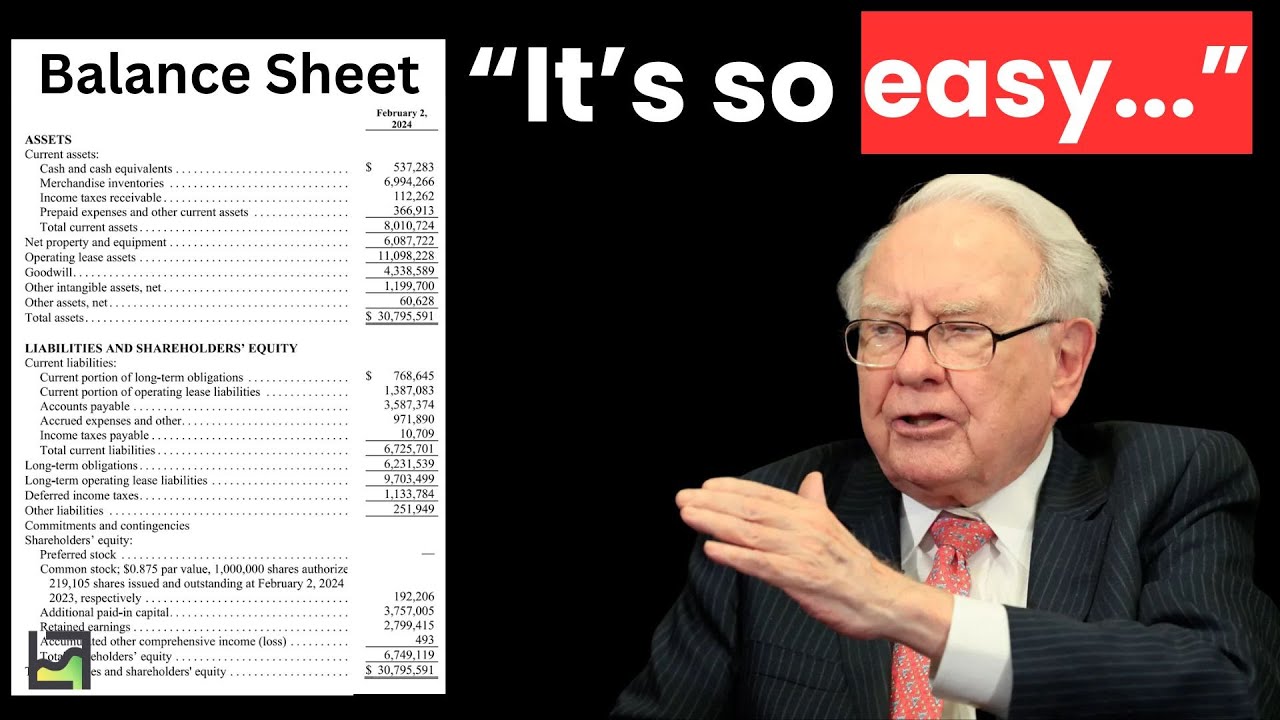
the net worth of a company from the balance sheet and here in the balance sheet you see that we have two sides one is the liabilities and capital and second is the assets liabilities and capital and second is assets so here we have the amount so how to calculate the here we take the share capital then we take the result with say a resolves in surplus then we take the long term loans and then we take the short term liabilities here we take the fixed assets or the long term SS or you call it as
fixed assets and here we call them as the current assets so there are the two categories of the assets here so how to find out the net worth or what do we mean by the network's net worth means net worth we can be we can calculate from either of the two sides it can be calculated from the asset sides also it can be calculated from the liability side also it depends upon where we are comfortable right where we are comfortable so if we want to calculate the net worth from the liability side it is simply
the sum of two items one item is that is the paid of sure capital that is the paid up share capital and second is plus free reserves free reserves these are the two important items to be taken into account for calculating the net worth so free sure miss potential capital is the one we have discussed earlier different types of the share capital we started with the authorized share capital then we had the issued capital that we had subscribed capital then it was called a capital and then finally it was paid up capital so how much
capital is paid by the shareholders to the company that is called as a paid up capital and that is the final amount available that is existing in the balance sheet and which is used for the definite operations of the company or Bank of the different assets so we take this paid of capital this is one item second item is that we have put here a number of things that is assure capital then we have resolve a surplus then we have say profit is also added in this that is transferred from the profit and loss account
to balance sheet so this is the results which are basically free resolves which I am NOT for any specific purpose no specific reserve like no asset replacement reserve no depreciation is up no nothing no special is up general results which are kept for any general purpose and then it is the trade of sure capital so some of these two will be the net worth if you want to calculate it from the liability side of the balance sheet and if you want to calculate from the asset side of the balance sheet then also it can be
calculated that when you want to calculate from the asset side of the balance sheet then you have to take is the total assets total assets minus long-term liabilities long-term liabilities LTL so total assets that is a fixed and the current test is you take the total of this side - you subtract this part that is the long-term liability short term liabilities all external - you can otherwise other way round you can say that not if you know how to say all long term liabilities means all external sources all external sources of funding all external sources
of financing they have to be subtracted from the total assets so total assets - all outside sources of funding this capital paid-up capital and reserves they are called as the internal source of funding so we will have not to take that we have to take that all outside external sources of financing so it means ultimately you should have to be the same value which is here that is the share capital that is a paid-up sugar capital and the free reserves so that will be again the same value so either you calculate from the liability side
of balance you so then you take only the share capital and the free reserves and if you want to calculate from the SF side or balance sheet then the totalizers - all external then our sources of honey they are the external liabilities including long-term loans short-term loan all everything and then there this network can be calculated so once we have calculated the net worth then very easily we can calculate the ratio that is return on net worth how much is the return available on the networks because it is ultimately the return available to the real
shareholders because equity shareholders are the real shareholders of the country and whatever the free reserves are available they also go to them if the company is bound up if the company is closed so in this case first ratio is the return on net worth and for calculating this ratio net on the network we have a very clear-cut way to look at these ratios and to calculate these ratios this ratio can be calculated that that is profit after tax minus preference dividend profit after tax minus preference dividend divided by equity shareholders fund equity shareholders fund or
in a way you call it as net worth - miscellaneous expenditure - miscellaneous expenditure not written off - miscellaneous expenditure not a little off so it is fat and the ratio can be calculated in two ways either it is to be calculated in x or it can be calculated in the percentage so the return ratios are better to be calculated in percentage so you can multiply it with the hundred so if you multiply it by 100 you get the percentage in terms of the percentage you get this ratio so this is the fat from profit
after tax divided by the preference dividend we don't being paid to the preference shareholders so whatever the profit after tax is available out of that you subtract the external claims miss the claims of the preferential they are also kind of a fixed-income securities so you subtract their claim and after that what the profit is left in the this profit and loss account annuity that profit is available to the equity shareholders only so equity shareholders fund has to be there in the as a denominator but when the equity share holder you have to subtract the miscellaneous
expenditure not written off so it means finally be incurred up preliminary expenses or any miscellaneous expenditure then if for example the company is bound up today then before pay returning back the capital or the capital available available to the equity shareholders we will have to pay for the miscellaneous expenditure not written off so it means from the net worth we'll have to subtract the miscellaneous expenditure means any kind of the preliminary expenses or anything we will have to subtract that and then whatever is left that is finally the net worth or the equity shareholders fund
or in certain books or certain literature you can find it out that it will be written as equity capital or you say not equity capital so sometimes you will find it up that is in the denominator is given as Batum capital total paid up capital total paid up capital plus free reserves Plus free resolves and what is that I told you that is our net worth net worth is a total paid up capital plus free reserves is the net worth or you call it as the equity shareholders fund and then you divide with this the
numerator that is the pad profit after tax minus preference dividend only that amount is left available to the equity shareholders and then we have to calculate the ratio that is incomes of the percentage by multiplying it to the 100 so now in this case what is the meaning of I we calculate this ratio that this ratio is important that mainly the equity shareholders who are the real owners of the company they want to know that how much return is available to them on their investment how much your turn is available to them on their investment
there the important issue and if would return is being paid by the company now in that case for example a return works out as say ten percent or it works out as twelve percent only works out as fifteen percent now how do we consider this investment as useful investment or not say acceptable rate of return see we have to compare hit in different ways number one is that first of all you compare this return with the other rate that is called as a risk-free rate of return now if you give your money to the bank
and keep it in the bank bank will give you a certain return on your investment but they are not making any risk there in the bank your investment is safe your return is also safe everything is safe so how much in return the bank is given to you for example and a fixed deposit of three years bank is giving you seven point two five percent so it means you are getting the return of seven point two five percent and you are not taking any risk in the investment being made in the bank but when you
are making the investment in the equity shares of a company you're taking a huge risk you are buying the shear force eight hundred rupees and you are anticipating that next year the share will be for one hundred and fifty rupees but the shear may come down to 50 rupees also so you are taking a huge risk when you are taking you at people normally when they take the risk then they go to stock market and when they take risk they take a huge risk so when they take a huge risk that a turn should also
be handsome that should be more than that is free rate of return so one criteria is that you are not going to the bank you are going to the stock market and in the stock market when you are buying the shares of a company their return should be handsome so in this case you can say that if I am my risk free rate of return in 7.25% then at least by going to stock market I should get fifteen percent of the return on my investment so you can say double I should get because I am
going to take the huge risk that is one way second could be that you can compare whatever the percentage we have found out here with other companies in the same industry that in the if I am say my I am sure that I want you to stand in one particular industry then there's of different companies cooperating or working in in that industry so how much return they are paying to their shareholders so you can calculate the ROI for the other companies also two three four companies also and then you can see where your company or
the investment or the return on investment in your company lies other way around could be that you can compare this return being paid by your company with the industry average because industry average is easy and available so we can see that kind of comparison we can make or we can make the intra form comparison that you see over the period of time in the past five years how much return this company has paid how much return this company's paying now so how the graph is going on if you draw a line of that he returned
available whether this line is going like this line is going like this or line is going like this so we'll have to be clear about it and different ways the comparison can be done either you compare it with the is free rate of return that is a first step then you compare it with the other companies in the industry or you make the intro form comparison so time series analysis can also be made and then you can rate that how much risk I am taking how much in return I am getting from the company and
if that return is sufficient acceptable to you then it is fine but if it is not acceptable then there is no point going to the stock market so this is the first way to look at the return on investment and to calculate the ROI ratios now we'll come to the second ratio that ratio is called as the earning per share we will have to calculate the earning per share so we'll have them in order to calculate the earning per share for this now we have the other ratio EPS that is any partial ratio and for
calculating the earning per share ratio your your numerator will remain the same your numerator is same numerator s that is the per efference sorry profit after tax and my - preference dividend because ultimately this return is being calculated from the point of view of the equity shareholders as far as the reference shareholders are concerned they is fixed we have discussed earlier that reference shareholders are their rate of return is prefixed it is already given it is given say 10% at a time 10.5% preference shares 12% of my shares or 15% preference shares so their return
is fixed but it's a question that it is equity shareholders the determinant is not fixed so if we have to calculate that return so for that we have now again the same thing we are taking the profit after tax and then we are again subtracting the preference dividend being paid to the preference shareholders and now whatever the amount is left that is divided by the total number of total number of equity shareholders you could be shares not riccati shareholders equity shares we can call it as outstanding total number of equity shares of that company outstanding
total number of equity shares of that company outstanding so that is the earning per share so for example some company has this is now the ratio that is EPS ratio now for example some companies profit prepared after preface dividend is 200 rupees and there are 100 equity shares existing in the market then the earning per share is rupees 2 that we can easily find out for sure that a term is being paid that is 2 rupees so you can calculate by the help of with the help of ROI which r1w return on net worths the
percentage they are done in the percentage terms and then in case of the second way partial return can also be calculated that how much return the company is paying per share and that is 2 rupees per share the company's pay now you can have again the same way of comparison that how much other companies are sure's are getting and how much we are getting how we were getting in the past what is understa bridge however we can be done and then we can again compare it with the risk free rate of return then per share
I am getting 2 rupees so what is my share price if the share price is Hunton rupees and if we are getting 2 rupees it means it's a 20 percent return and 20 percent return I am happy I am satisfied that is I am getting 20 percent on my shears or mine in the shears this good enough for me I don't need to look for means any other heavenly of investment because I am taking risk here so Bank if I go to the bank that desire is free rate of return I am going to get
about say 7.25% Here I am getting 20% that's a good return for me and I am satisfied so it can be compared that way also so that is the EPS can be calculated then third ratio is the C EPS cash earning per share cash earning per share so here as we I told you that when we calculate the profit after tax profit after tax when we calculate the profit after tax profit is basically not cash that we have to be very very clear sometimes we are misguided by the magnitude of the profit that profit is
cash and cash is profit but that is not the case we know that from the way of the Prophet is calculated the rough it is calculated from the profit and loss account when you take all the this is the credit side this is a debit side here we take all expenses here we take all incomes and when we have the difference in this we call it as the profit after text that is the Pat but you see profit and loss account itself is in nominal account it's not a real account and the profit calculated here
is main source of the profit and the main source of incomes is by sales whatever the sales we are making in the market that is going to decide the amount of the profit or the loss to the form so when the profit or loss is dependent upon the sales now when we are making the sales in the market sales are being made on to basis cash sales and the credit sales but when we are preparing the profit and loss account means the first part of the income statement that is trading account we are never mentioning
that these Hobbit's of the sales are on cash and how much sales are on credit how much sales are on credit what part of the sales is on cash but part of the sales is on credit so that's a very important and very critical issue and similarly if say if the 80% of the sales of a company are on credit and only 20% is on cash it means in that case whatever the profit you are calculating here profit after tax or you are calculating here that 80% of that profit will also be on credit it
means that profit does not come to the company it's only a book profit it's not a real profit because this account itself is a nominal account so when it is 80% is a book profit it has not come to the company it's not a cash profit it means part of the sales these credit sales also become the bandits and if you become the bad debts it means they are not recoverable so the profit is also not recoverable and the profit is also not recoverable so how the dividend can be paid by the company to the
shareholders because there is no cash so company may be a profitable organization company may be a profitable undertaking but it's a only a book profit not a cash profit so we have to be very very careful how much cash is available and how much cash company has with it and what part of the profit is available in terms of the cash if that is there then it is fine otherwise profit itself has a no meaning so in this case we will have to be very very clear that when we are talking about the CEP s
cash earning per share we are talking about the cash position of the form that how much cash is available that how much cash is available so we are talking about the cash position of the form and for calculating the cash earning per share for calculating this ratio see EPS again we have to take the things in the numerator Pat + sorry Pat - preference dividend + non-cash charges and CC divided by the total equity shares outstanding non-cash cost is the depreciation so this depreciation fund is also available with the form this doesn't go anywhere because
it is a non-cash expense we charge the depreciation in the profit and loss account we would never play this these funds is somewhere outside the firm they stay with the form only and when this tape in the firm only they are available in the form of cash because we subtract them from the profit and loss account so how much cash is total available so we assume in this ratio that for example if that is a larger part Meishan magnitude of the profit after tax - - dividend is available in cash plus if there is some
less cash available here we can use this cash also that is the non-cash charges cash available out of depreciation that can be used so how much total cash is available with the form total profit - personal dividend plus the non-cash charges that is the depreciation set aside we can use that also and by dividing in the total number of equity shares outstanding we can find it out that how much total cash is available with the firm so it's not only bad but it is the depreciation fund also because it is also available in the cash
form and depreciation fund increases increases the cash ability of the form or the availability of the cash with the form so there is a total cash available plus the profit available so sometime if there is a delay in receiving this profit in terms of cash because some part of the sales are on credit but if the company has the depreciation amount available with us then this cash can be used temporarily for the different purposes and then when we receive the profit maybe before the end of the year every penny of the sale has to be
recovered except the sales made in November or December or sometime maybe in the last two months of the accounting period but larger chunk of the sales stands they recovered until then this these funds can be used that cash available with the firm so cash availability of the form divided by the total number of equity shares also tells about that what is the so in this case for example if you say that the total cash available is 300 rupees and total equity shares are 100 so cash earning per share is for say 3 rupees per share
because it goes up because it is adding the non-cash charges of the firm also so by calculating these three ratios return-on-investment earning per share and cash earning per share and then comparing it with the SI risk free rate of return number one then it is with other companies with the industry or by making the intra form comparison we can understand or we can make out that what is the ROI position of the form what is a return on investment position of the firm and whether I should if I am the existing shareholder I should continue
to be the shareholder of the company and if I am say thinking of buying shares of this company becoming the new shareholder of the company should I buy the shares or not that is going to be decided on the basis of this analysis so this is going to help about the I say return on investment available on the SE company's funds or the air return available on the investment made in a one particular company other ratios we will be talking about will be first understanding all these ratios in the next set of the ratios we'll
be talking about is the solvency ratios and this I will discuss in my next lecture thank you very much [Music]