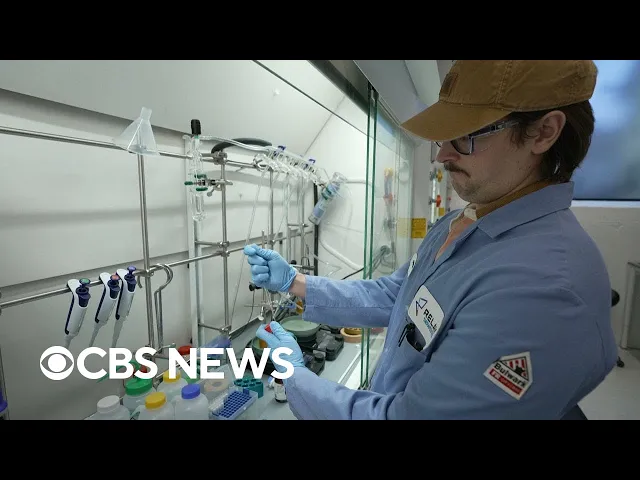
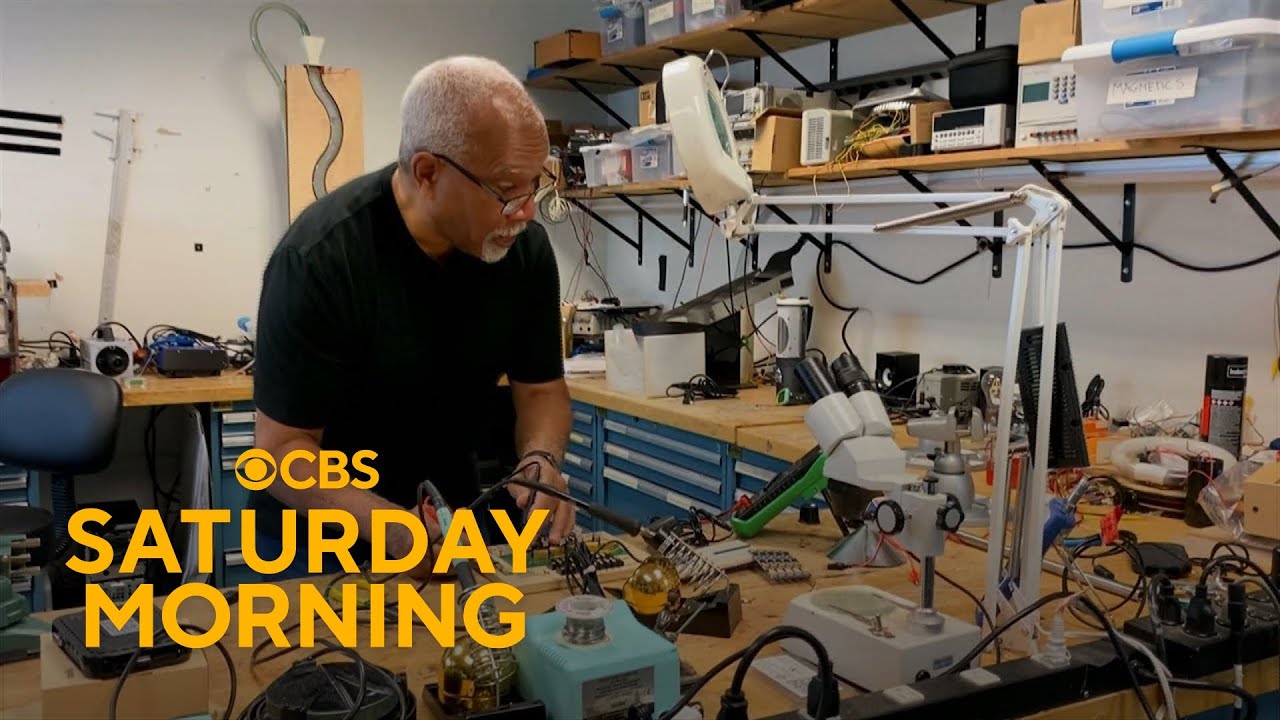
there's been plenty of excitement and concern about how the coming revolution in artificial intelligence could upend parts of our lives but one giant benefit could be changes in medical care AI has been called medicine's biggest moment since antibiotics with the potential for diagnosing rare illnesses developing new treatment options and exciting new drug discoveries Brook Silva bragga put the endless possibilities under the microscope in some ways this is how new drugs have been discovered for DEC Dees creating compounds then seeing if they fight disease but that painstaking almost artisanal process is starting to look very different
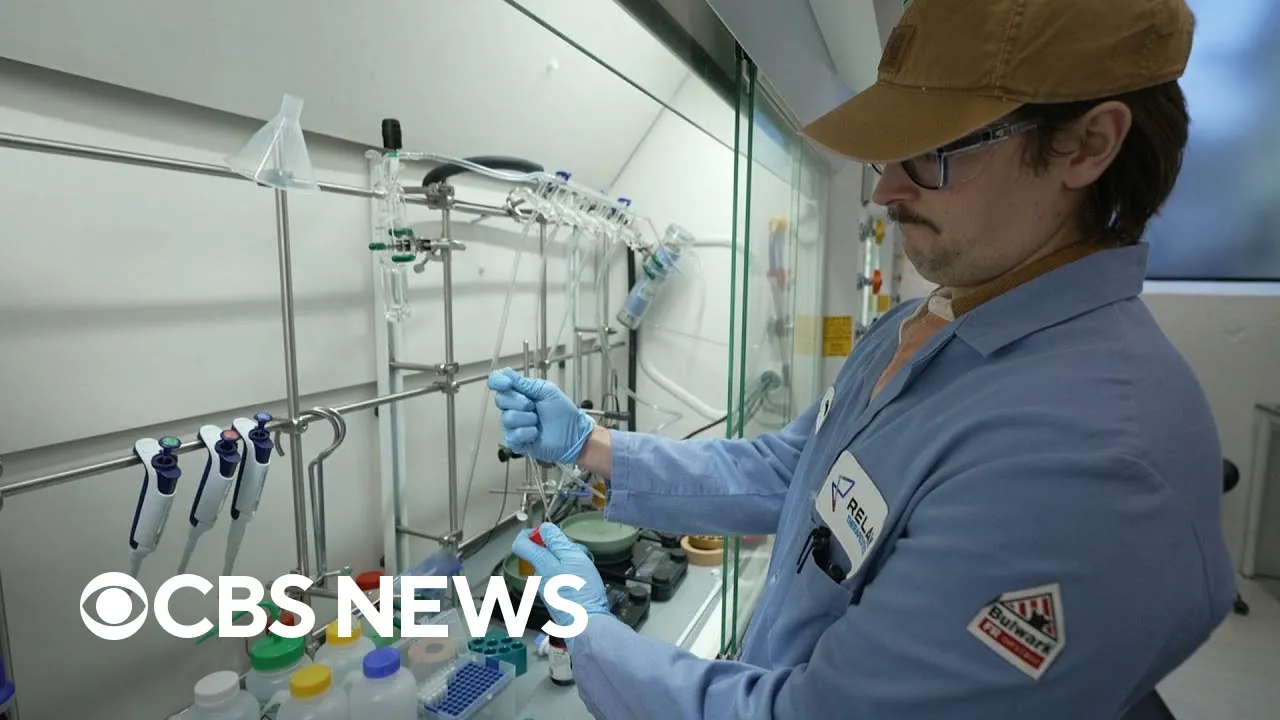
next when I was in school I used to have to do that now we've got a robot that doesn't so these youngsters don't know how good they have have it with their thumb and foringer automating the lab though important is the least of it Don Bergstrom the president of research and development at relay Therapeutics says a revolution in drug discovery could cure cancer in the next 50 years by bringing new approaches to one's impossible problems the number of potential chemicals that could be a drug is larger than the number of stars in the universe really
traditionally in the lab you'd have a collection in a freezer of 100,000 different chemicals and over the course of weeks you would take each one of those chemicals and put it with a protein okay computationally overnight we can look at not at 100,000 compounds but in a trillion compounds then after the computer has virtually screened those trillion just a few hundred of the most promising get physically tested these are essentially very very sensitive scales a key part of that selection process is using new Computing methods to better understand the proteins they're targeting we just want
to turn off this one not turn off that one over there on the left okay but they look basically same right by learning the difference in the movement of EX extremely similar proteins relay says they can now Target the ones causing disease without hurting healthy tissue and causing side effects that this protein moves more slowly than this protein does right so you're able to put something in that'll fit there but won't there exactly because they just moving too fast here they discovered that I had a a gene this medicine was able to turn off Marsha
meron is part of a small clinical trial testing one of relay's first drugs it targets a common gene mutation in tumors like her metastatic breast cancer current treatments don't work for long because they quickly cause severe side effects but under the care of Dr Andreas varus at Mass General Hospital you look good now meron has stayed on relay's experimental drug for a year and a half so the little side effects that I am having I balance out with the big effects that I'm still living my life and I'm working and I'm traveling and I'm spending
time with my beautiful family within 5 years you will see a great part of the drug development pipeline massively accelerated Harvard's Isaac kohane is both a medical doctor and PhD in computer science he says Technical Innovations like drug Discovery are just half of ai's potential in medicine it could also totally change how patients interact with doctors how might that work he offered the early example of a family from Michigan here is a mother whose child was fine but now is having trouble walking is then having trouble chewing and then having intractable headaches for three years
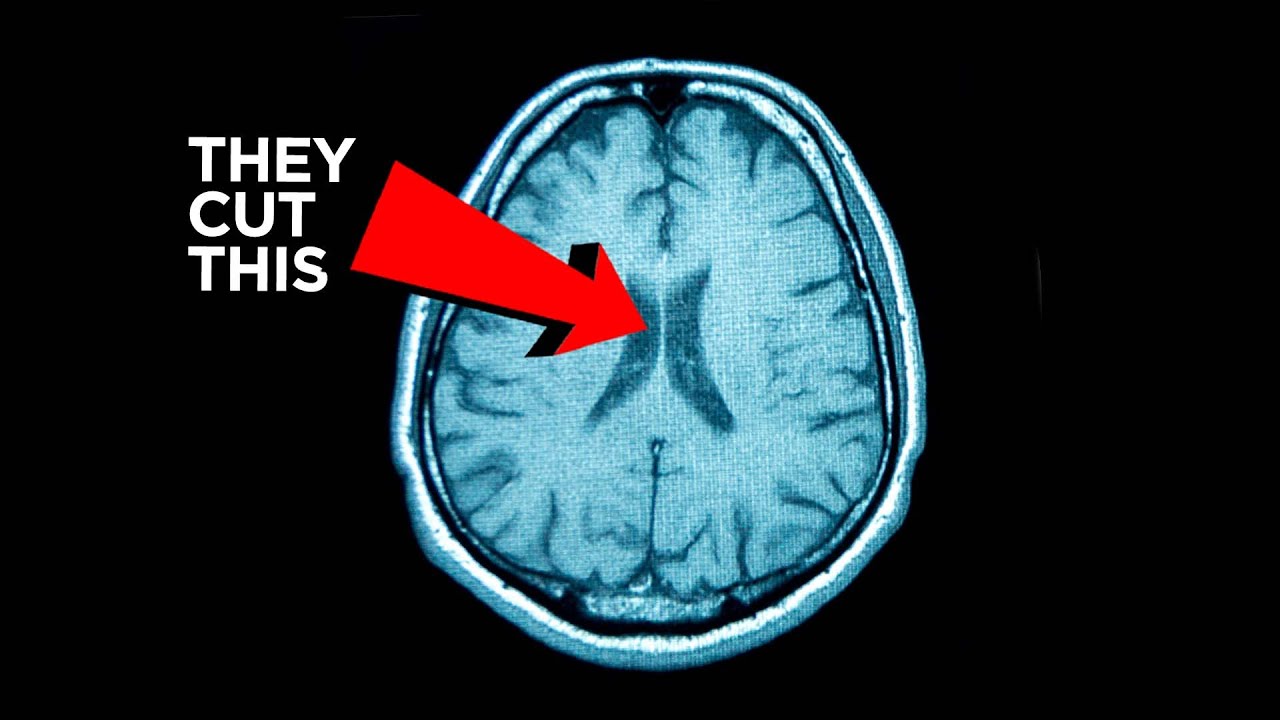
she goes from Doctor to doctor to doctor they get all the tests you can imagine she takes all the text from those studies cuts and pastes it into GT4 and says what's wrong with my child the chatbot spit back a suggestion tethered cord syndrome and so she goes to a neurosurgeon is this tether cord syndrome surgeon looks at the MRIs says yep they do the and they do the surgery and the kids's fine had doctors not thought of that before no and this diagnosis is actually not that sophisticated a diagnosis so it's both an endorsement
of the AI and an indictment of the medical Community as it is and in fact right now that's my primary thesis about where we are right now we are at a point where medicine is stumbling killing patients by the thousands every year through misdiagnoses and medical errors the answer according to kohani are Healthcare Outsiders like computer scientist Prav Raj bukar yeah I mean we're at an inflection point who joined kohani at Harvard his earlier work helped prove computers could read x-rays as well as humans in limited ways AI is now helping doctors read some scans
but Raj bukar gave us a first look at something grander let's jump into that an experimental system called metav Versa Circle the enlarged heart instead of a series of one-trick pony algorithms wouldn't it be cool if the same model could segment out the pancreas mid Versa can understand and diagnose and we're going to generate a prediction here a wide range of issues so it says the main diagnosis is melanoma he says the model will be good enough to seek regulatory approval in about 2 years we're at a point at which these Technologies are going to
work and it's a matter of when not a matter of if the if he says is whether doctors will embrace them many so far have not the impact on Patients health and doctor's employment remain uncertain but Kohan envisions a new kind of doctor a new kind of medicine we just don't have enough of the right people with enough of the right time combining the expertise of every specialist into an AI any doctor or even patient can freely access at least that's his hope for the medical community if we don't take leadership in how AI is
used in medicine others will do it for us and these others may not have the best interest of society or our patients what if this gets optimized for the insurance companies what if it gets optimized for a particular set of drugs we have as a society to start asking for super transparency if AI companies aren't transparent kohani says governments should step in but he's convinced massive change is coming to Medicine the use of AI is going to be problematic but far better than what we currently have for CBS Saturday morning Brook Sila Braga Cambridge Massachusetts
something you keep hearing AI is coming right what it is if we don't take lead or someone doesn't take leadership someone else will so do you want to take advantage of it and use it for good or have somebody else do something that I don't know is maybe not as effective what sounds like the perfect alignment of bringing a lot of information together and utilizing it quickly and giving you with doctors that said doctors are still very smart and you should listen to them too but yeah