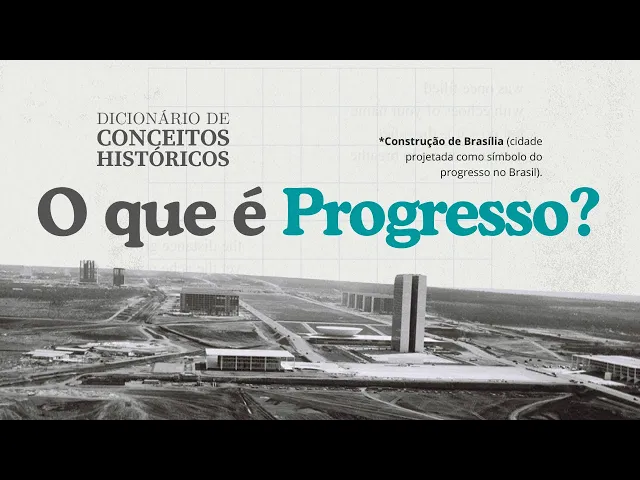
The Industrial Revolutions brought with them the “myth of progress”. This idea that history would be like a train approaching a certain end. We started from point A, we are close to reaching B.
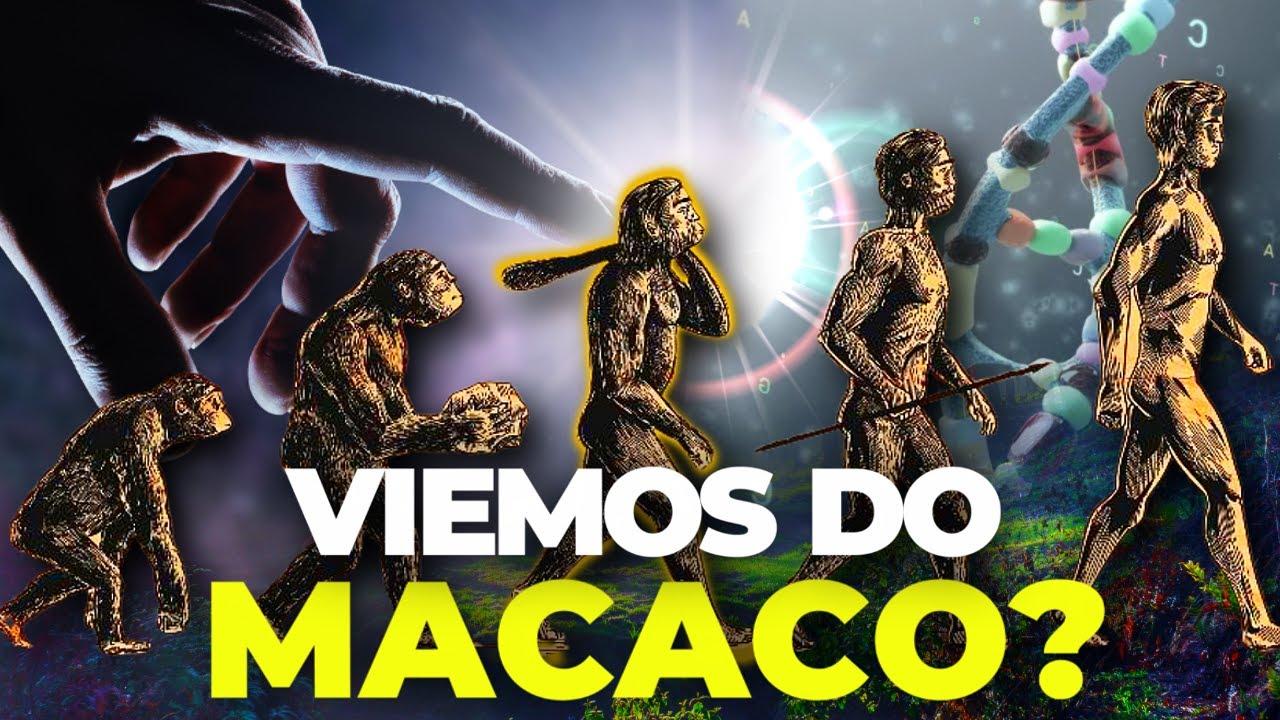
Evolution has become not only a concept dear to the natural sciences, but also to the human sciences, and it is in this context that we begin to talk about more and more sophisticated societies. less evolved. This understanding leads to an interpretation of progress associated with evolutionism, Social Darwinism.
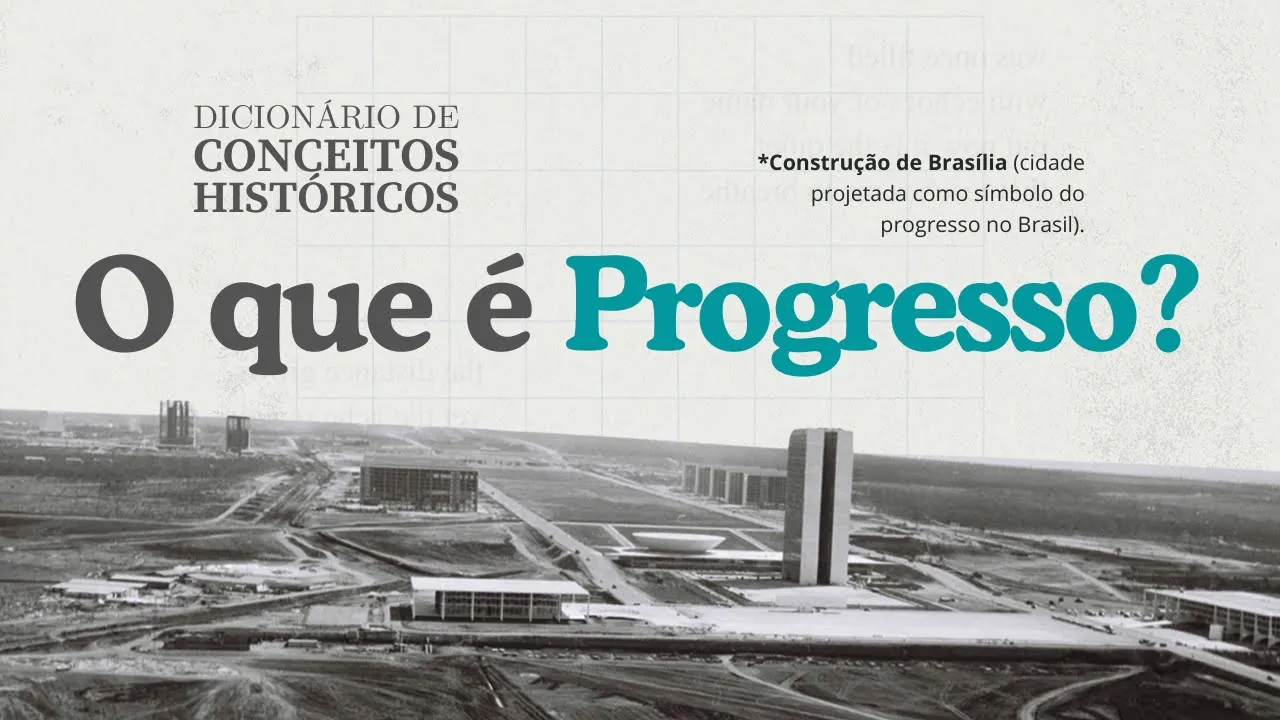
And when it comes to the world at the end of the 19th century, those societies that saw the wonders of the industrial world and its technologies every day , in fact, believed they were at the highest level of progress. And they would be, the Imperialist States of the 19th century, much more evolved than their colonies. There was a whole atmosphere of optimism and confidence, which, starting from the economy, gained culture, customs and morals throughout the Western world, in such a way that our flag today bears a symbolic “Order and Progress”.
This optimism and certainty that man had finally reached Olympus, and now, like the gods, we have total dominion over nature, was interrupted with the Great War of 1914 and with that, doubts arose about the certainty and the very nature of progress. And to alleviate their doubts, to paraphrase Gordon Childe, men turn to History. All history is the history of the present time.
In other words, Marc Bloch, French historian, combatant in the First World War, when saying this, understands that it is from the present of whoever writes that the past is interpreted. It is necessary to feel like you are in the Age of Enlightenment to understand the past as a period of darkness. It is necessary to feel like you are in a New State to define the past as an Old Republic.
In this sense, the Great World Wars, by putting progress at risk, brought with them a new way of looking at History, very different from the linear and evolutionary one. The idea now is not to question whether we have made progress, but to internalize and think about what progress actually is. If this progress materializes in economic terms, with changes in the means of production.
Or if so, it materializes in culture, calculated based on degrees of civility. Or even in religious terms. For example, in the Middle Ages, a period in which the great political and cultural force was the Catholic Church, the doctrine of the “Fall of Man” reigned, pardon the pun .
You know that, according to the biblical narrative, Man was expelled from Paradise and through sin he degenerated, so the notion of progress for the Middle Ages was a mystical mission, whose aim was to regenerate Man and bring him back to the Creator. Therefore, when we hear the word Progress today, it is necessary to reflect on this. Talking about progress is saying that there is an end and that history would move towards this end.
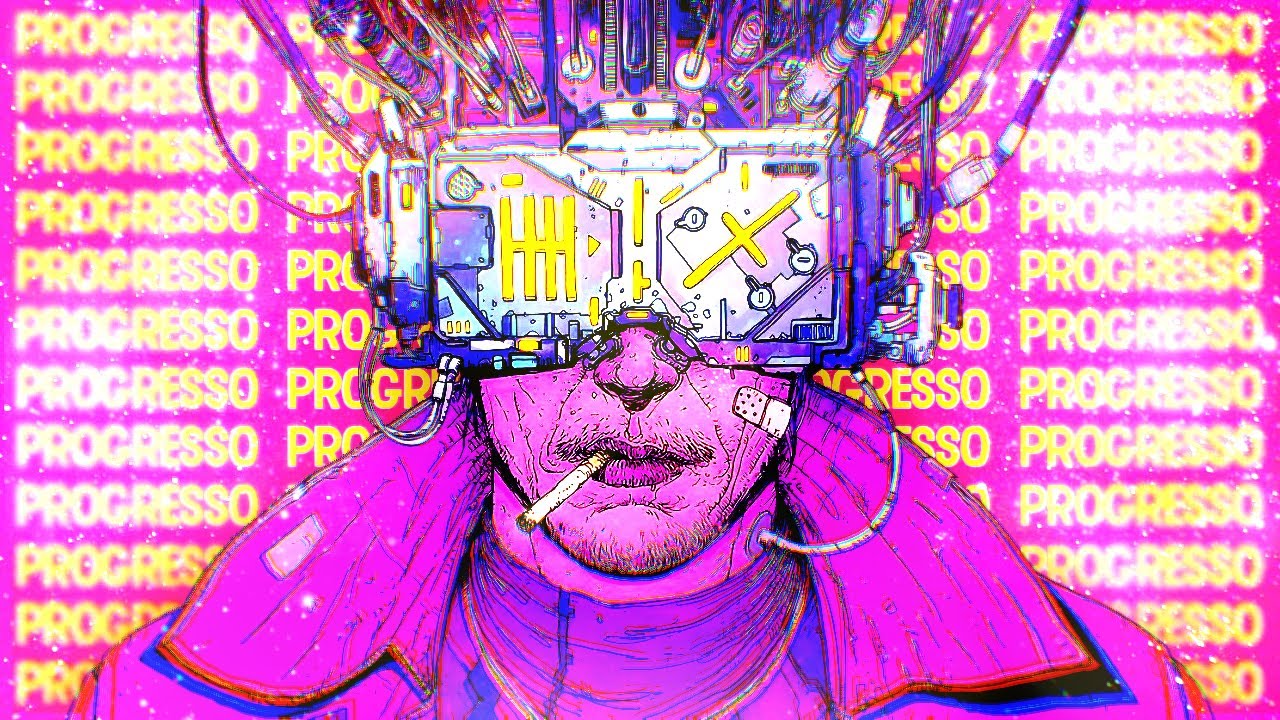
At the beginning of the 20th century, it was believed that this end had come, but the horrors of war overturned this belief. Until recently, when the term globalization began to be widely used with the advent of mass communication technologies, commonly known as the internet, many thought that we had reached a new phase, a new spirit in the world, just like the men of the last century . A time when there would be no borders, the time of the world citizen and the end of Nationalisms.
I think these images answer by themselves. To the next. We have reached the end of another video.
It was cool wasn't it, so leave us a like, because it's not easy to make these videos and share them, this way you will be contributing to the growth of this project that aims to scientifically disseminate historical knowledge. Now leave your answer to this week's question in the comments: What is the meaning of progress expressed in our flag? Have a great week everyone and see you next time!