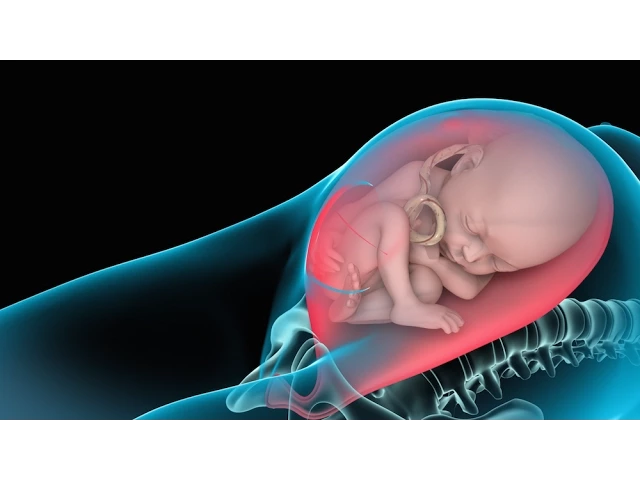
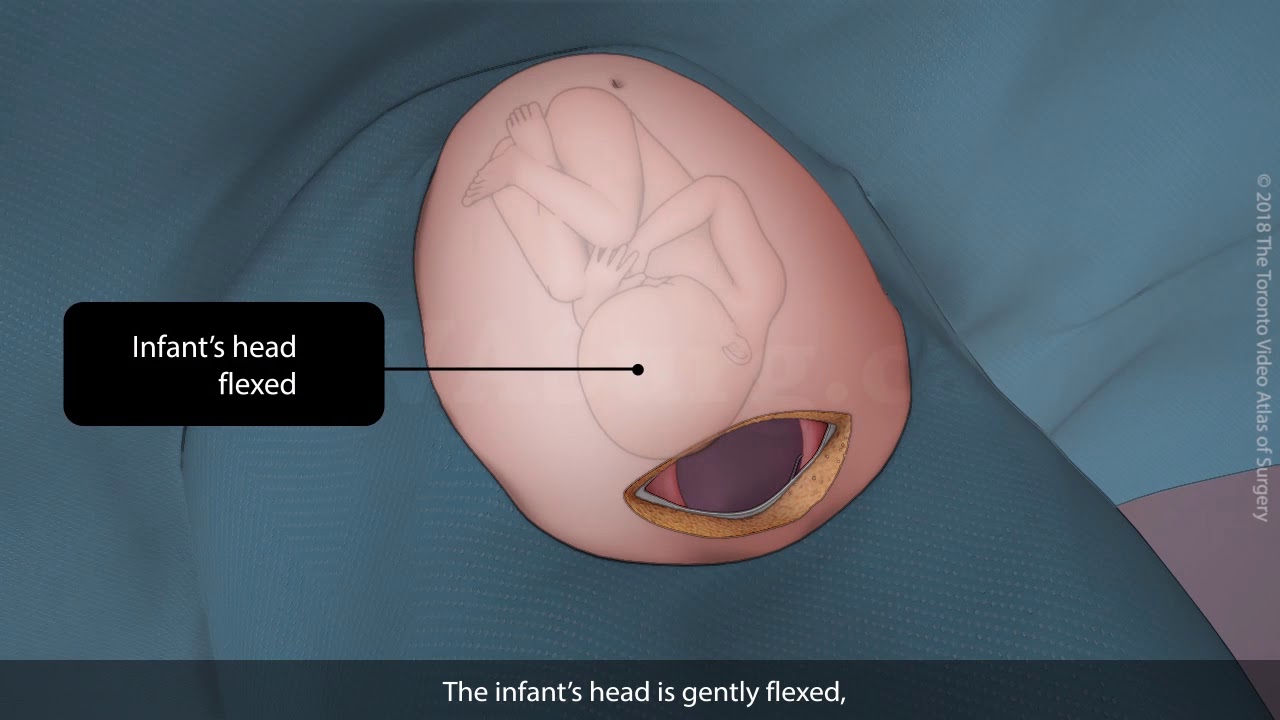
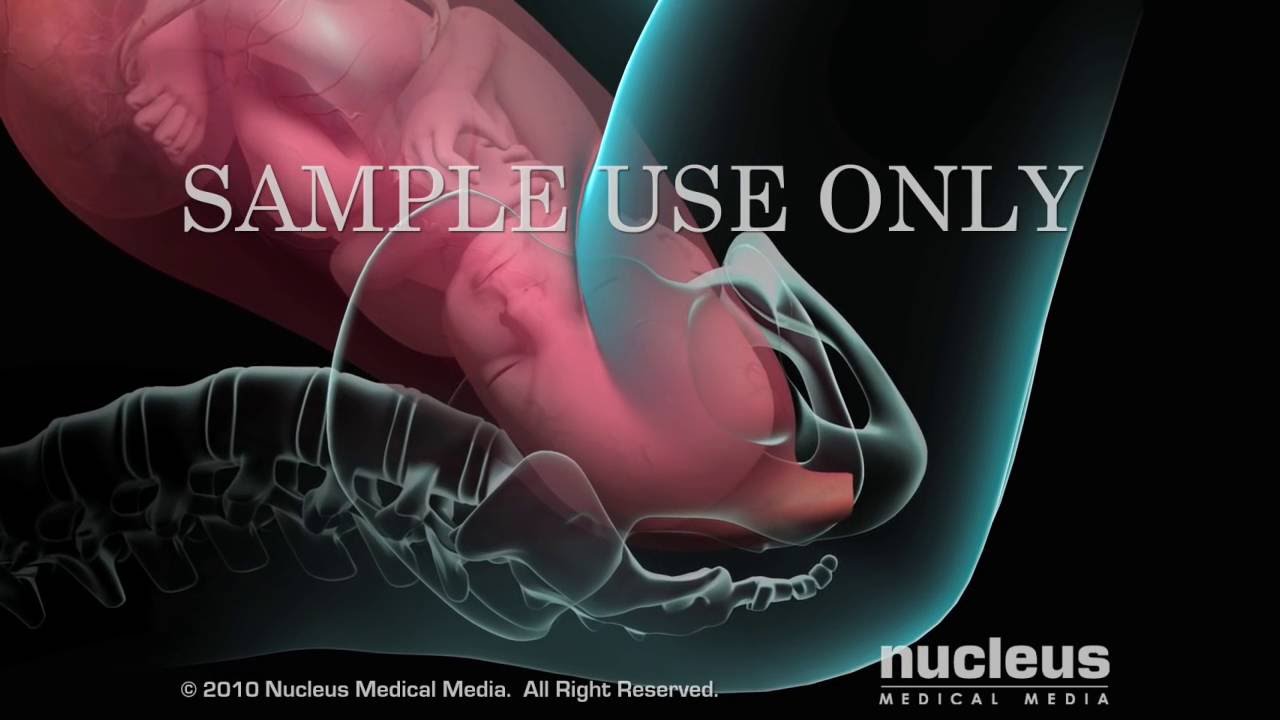
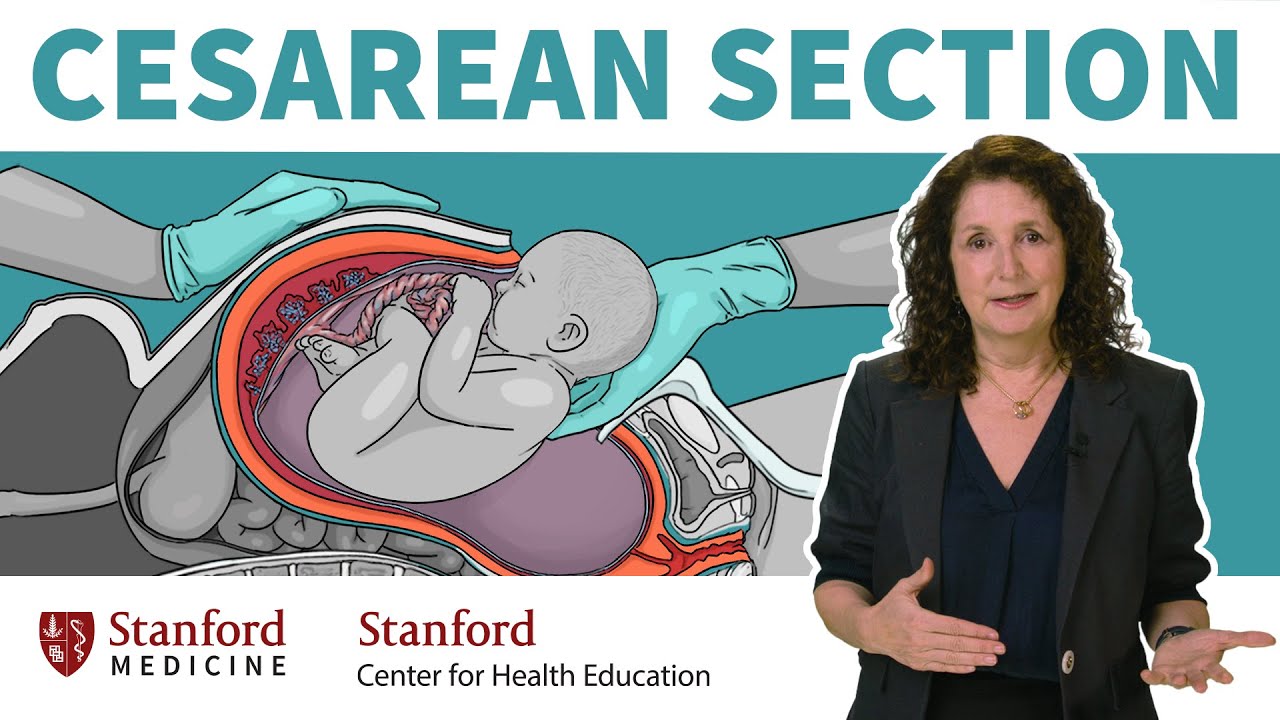
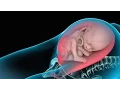
a cesarean section often referred to as a c-section is a surgical procedure in which incisions are made in a woman's abdomen and uterus to deliver a baby some cesarean sections are planned more often however the need for the procedure becomes apparent after the onset of labor when abnormal conditions make a vaginal delivery unsafe for the mother or her baby common indications for cesarean section include dystocia placenta previa and fetal distress dystocia or prolonged non progressive labor can occur when the baby's head is unable to fit through the birth canal or its body is in an
unfavorable position such as perpendicular to the birth canal or buttocks first which is the breech position placenta previa occurs when a low-lying placenta partially or completely blocks the cervical opening fetal distress occurs whenever the health of the baby is in imminent danger usually from inadequate blood flow through the placenta or umbilical cord fetal distress can occur when the placenta separates from the wall of the uterus prior to delivery or the umbilical cord becomes compressed or squeezed other conditions that may require a caesarean section include multiple births large tumors of the uterus genital herpes or other
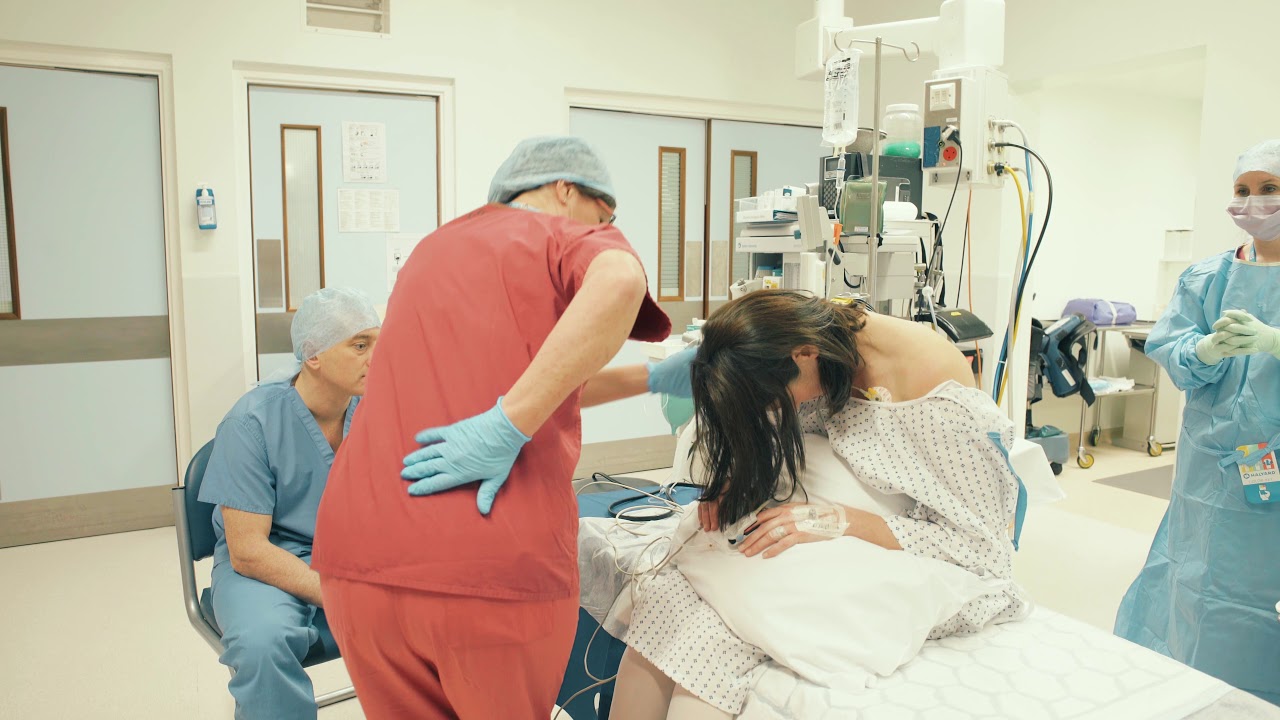
infections or medical problems such as uncontrolled diabetes or hypertension your doctor may use ultrasound testing and a fetal heart monitor to help decide whether your babies should be delivered by caesarian when a caesarean section becomes necessary you will be prepped for surgery if not already in place an intravenous line will be started and a catheter will be inserted into your bladder to drain urine in the operating room you will be given anesthesia in most cases a spinal anesthetic is administered to numb the lower portion of your body sometimes however a general anesthetic will be used
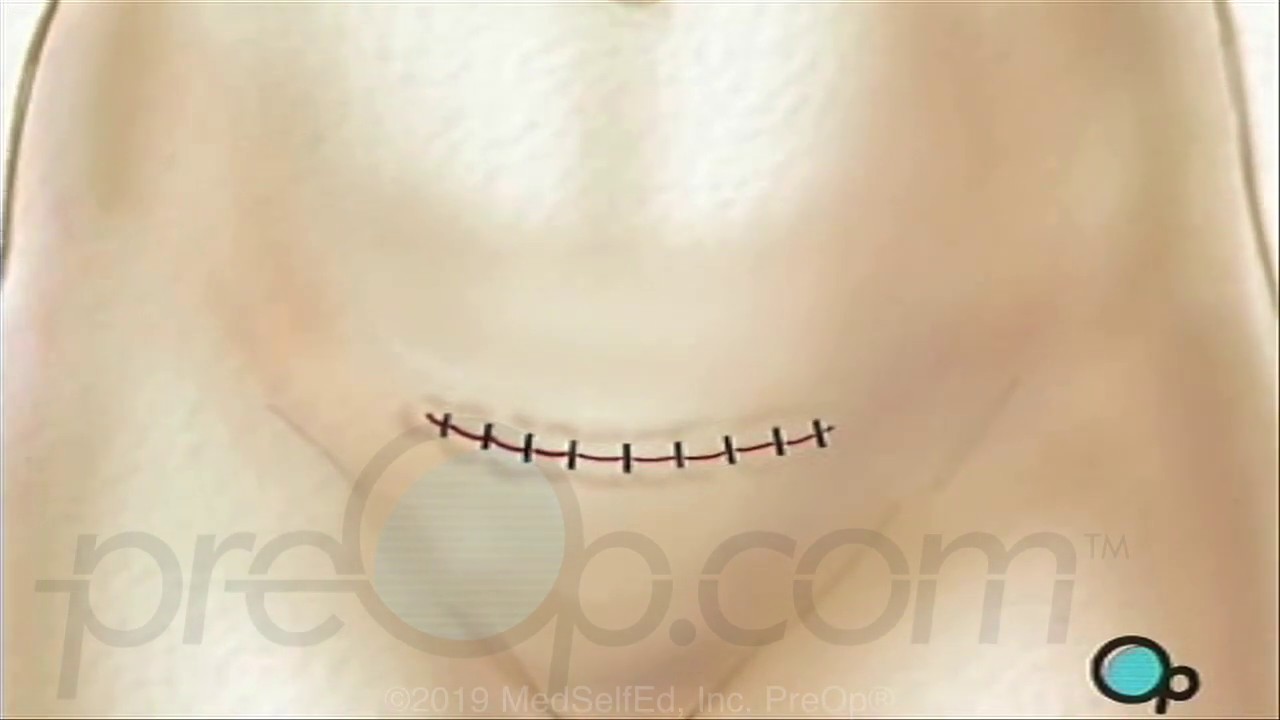
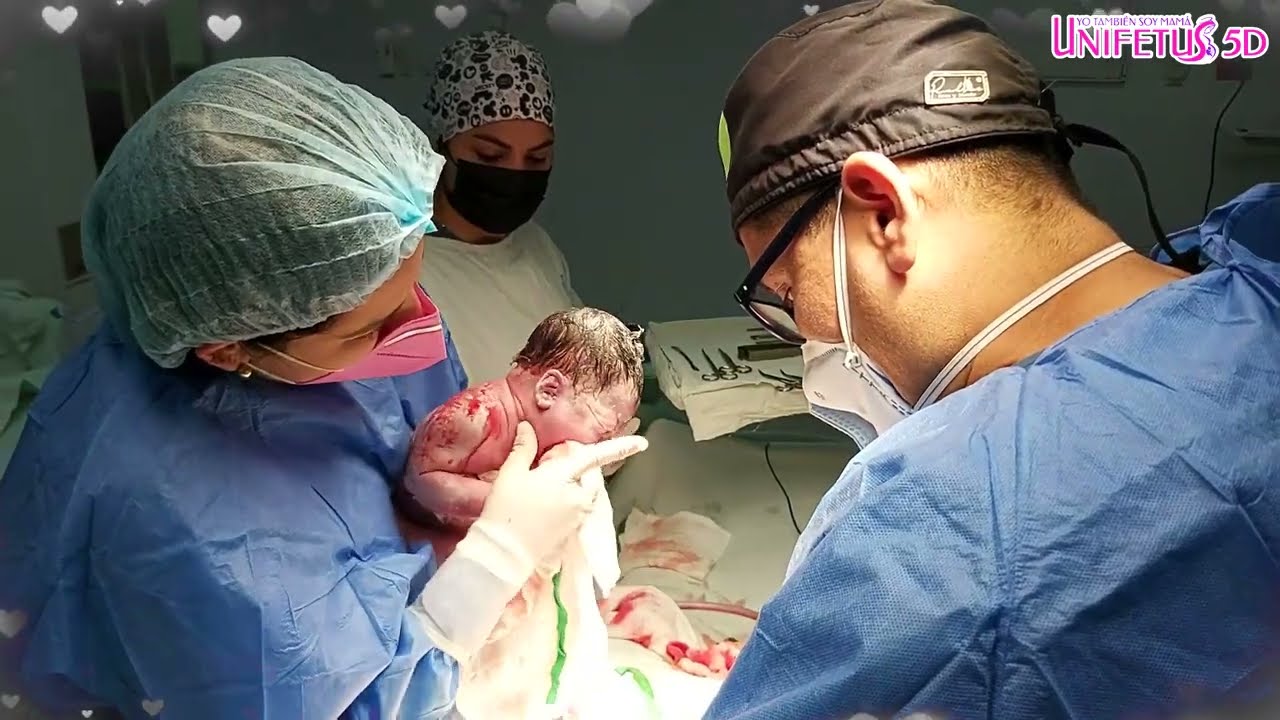
your doctor will begin by making an incision in your abdomen it will either be a vertical incision from just below the navel to the top of the pubic bone or more frequently a horizontal incision across and just above the pubic bone this is often called a bikini cut your doctor will then make a second incision on the lower part of the uterus once the uterus is opened your doctor will rupture the amniotic sac if it is still intact and deliver the baby the time from the initial abdominal incision to birth is typically 5 minutes your
doctor will then clamp and cut the umbilical cord gently remove the placenta and tightly suture your uterus and abdomen this typically takes about 45 minutes the hospital stay after a cesarean section is usually three to five days during this time you will be encouraged to breastfeed nap when the baby sleeps and get out of bed often while most patients are able to take care of their new babies soon after the procedure full recovery may take six to eight weeks your scar will lighten as it heals