Welcome to today's video where we dive deep into the fascinating world of ancient Sumerian texts. If you're a spiritualist or someone interested in the origins of human spirituality, this is definitely a mustwatch. The ancient Sumerians were among the first to document their beliefs, rituals, and deep connection to the cosmos.
Their writings have endured for millennia and offer profound insights into the spiritual practices that continue to influence us today. So why should these texts matter to you as a spiritual seeker? Well, Sumerian wisdom offers us a unique perspective on life, death, and the universe with lessons that transcend time and space.
These texts are not just historical records, but are spiritual guides that hold the keys to awakening deeper understanding and awareness in our modern lives. In this video, we'll explore the full story behind these ancient writings. We'll uncover the spiritual messages embedded within them and why every spiritualist should know and understand the wisdom they contain.
Stay with us till the end as we unravel the mysteries of these texts and their powerful relevance to your spiritual journey. Ancient Samuria, located in the region known today as southern Iraq, was one of the earliest and most influential civilizations in human history, dating back to around 3,500 BC. This ancient land is often considered the cradle of civilization and it's where we first see the rise of writing law, religion and urbanization.
Sumerians were incredibly advanced building the first cities such as Yor Uk and Eidu. They are credited with inventing Cunia form, the earliest known form of writing which they used to document everything from commercial transactions to epic poetry and religious beliefs. Their innovations didn't stop there.
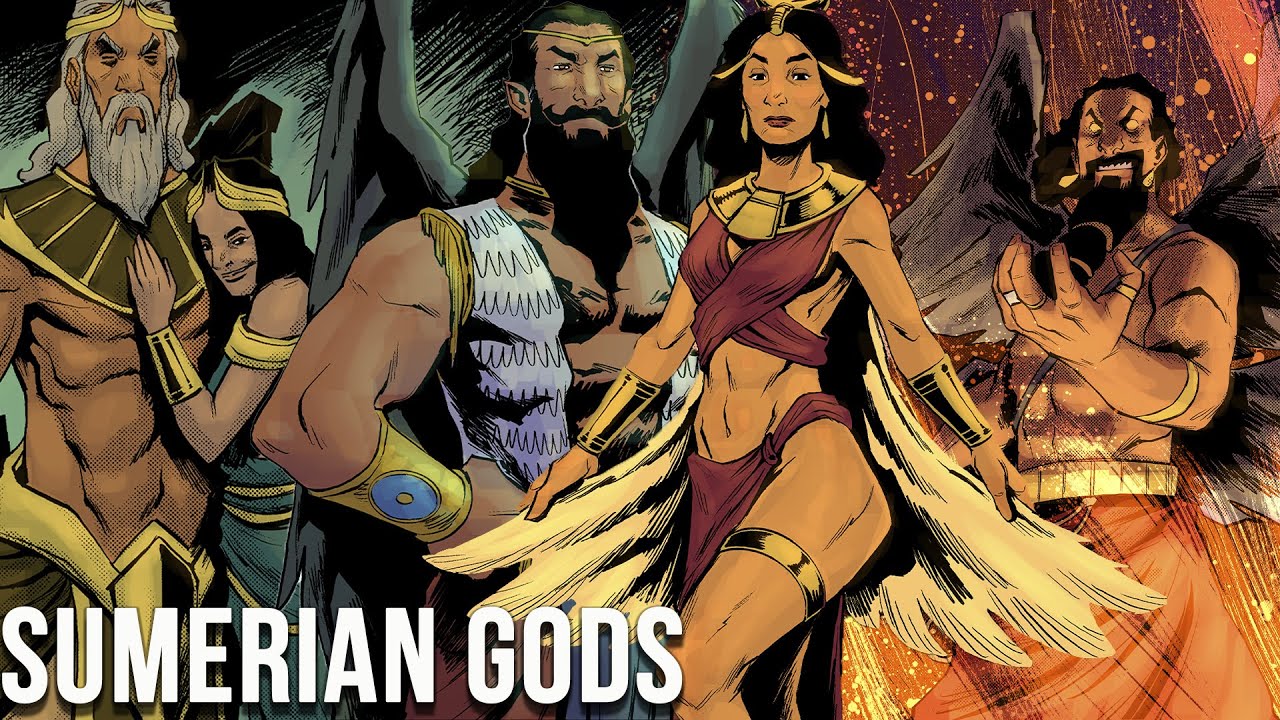
They also made groundbreaking advances in mathematics, astronomy, and agriculture. Sumerians were deeply spiritual people, and their religion was central to every aspect of their daily lives. The Sumerian pantheon consisting of gods and goddesses like Enki, Enlil and Inana, was at the heart of their culture.
They believed that their gods shaped the natural world and controlled every aspect of human existence from creation to the afterlife. Understanding the Sumerians and their spiritual practices is essential because their influence extended far beyond their time. Their ideas shaped later civilizations like the Acadians, Babylonians, and Assyrians, and even had a lasting impact on biblical traditions.
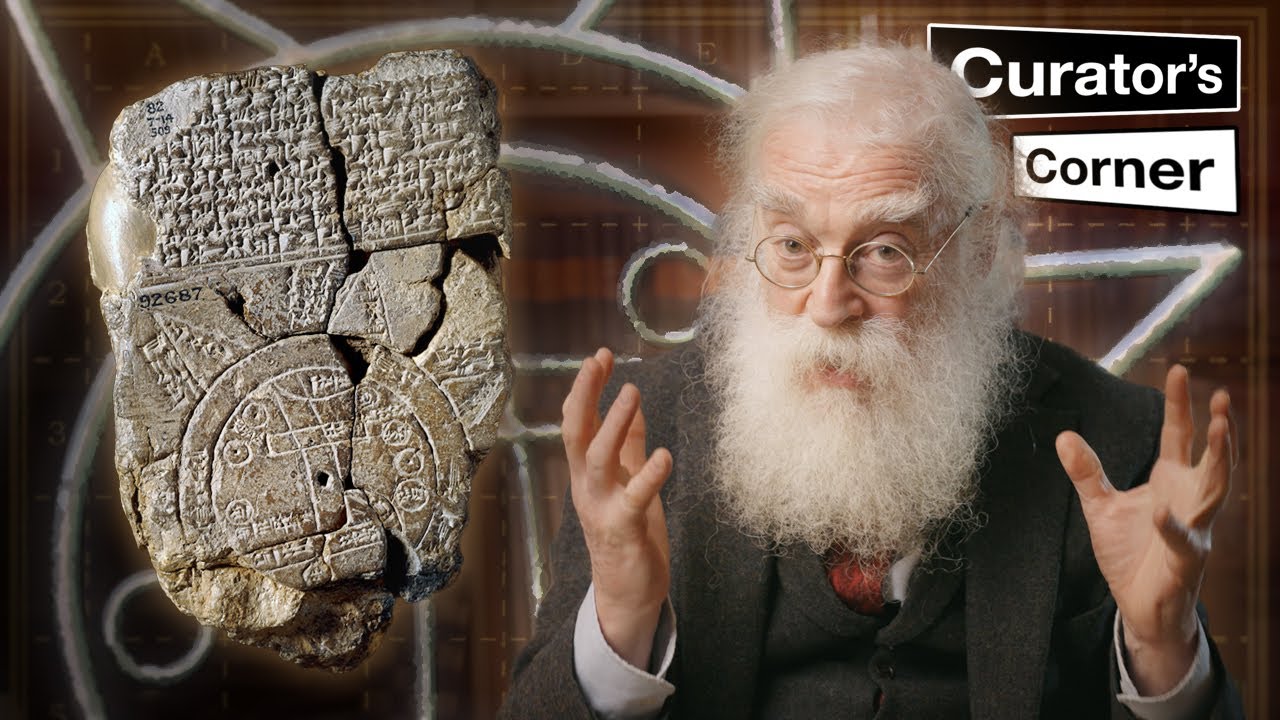
The stories and wisdom of the Sumerians continue to be relevant today, offering spiritualists valuable lessons on how to live harmoniously with the divine and the natural world. The Sumerian texts are a vast collection of written works that span a wide range of topics from religious hymns and prayers to epic myths and legal codes. These texts were written using Cunia form, an early writing system that involved pressing wedge-shaped marks into clay tablets.
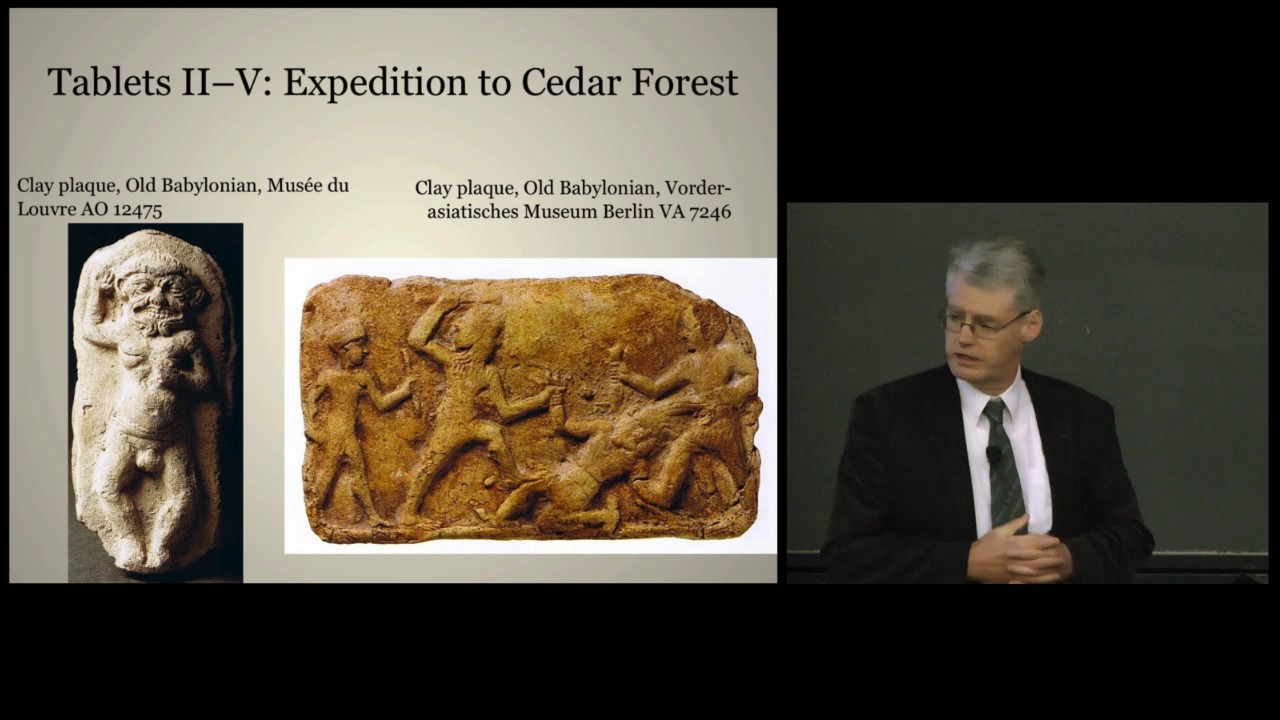
The Sumerians used these texts to record everything important to their society, including trade agreements, royal decrees, and religious rituals. But the most fascinating aspect of these texts is their spiritual and philosophical content. Among the most famous Samrian texts are the Epic of Gilgamesh, one of the oldest known literary works, which tells the story of a king's quest for immortality and his journey into the afterlife.
Another important text is the Enuma Alish, a creation myth that explains the origins of the world and the gods. These texts provide us with a unique glimpse into the Sumerian's worldview. Their beliefs about the divine, the cosmos, and humanity's place within it.
The Sumerians believed that their gods were active in every aspect of their lives, from birth to death and everything in between. The texts also include wisdom literature such as proverbs and instructions on how to live a virtuous life. These writings were meant to guide people on how to live in harmony with the gods.
The Sumerians saw the act of writing as a divine task and their texts were viewed as sacred. Not just historical records but also as tools for spiritual connection. For spiritualists, the Sumerian texts offer timeless wisdom on topics like life, death, morality, and the nature of the soul.
They provide a foundation for understanding the ancient relationship between humans and the divine and their teachings continue to inspire and influence spiritual practices today. The Sumerian myths are rich with spiritual concepts that reveal deep insights into the nature of the universe, humanity, and the divine. One of the most well-known Sumerian myths is the Epic of Gilgamesh.
This epic tells the story of the legendary king Gilgamesh, who embarks on a quest for immortality after the death of his close friend, Enkidu. Through his journey, Gilgamesh faces powerful gods and encounters profound truths about life and death. One of the central lessons of the epic of Gilgamesh is the realization that immortality is unattainable and that the key to life lies in living fully in the present moment and accepting death as a natural part of existence.
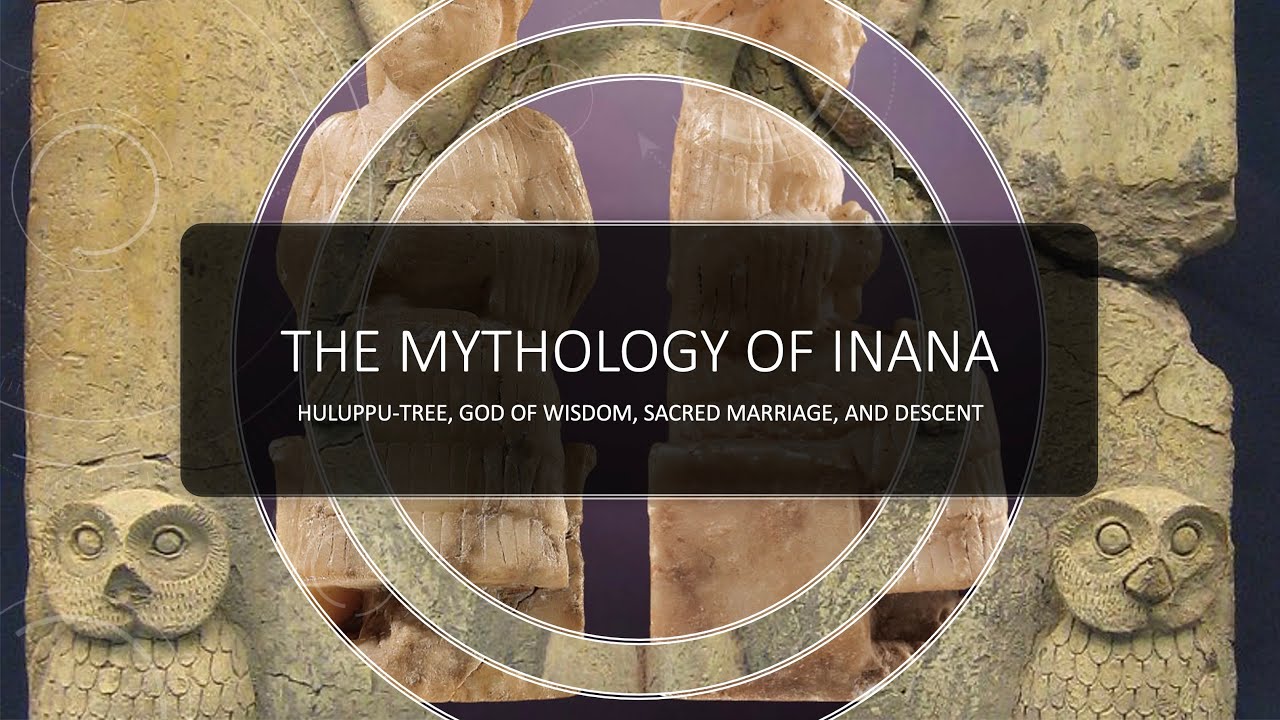
This myth teaches us about the importance of friendship, the pursuit of wisdom and the acceptance of our own mortality. Another important myth is the story of Anana's descent into the underworld. Anana, the Sumerian goddess of love, beauty, and war, journeys into the underworld to visit her sister, the queen of the dead.
During her descent, Inana is stripped of her power and her possessions, symbolizing the process of death and transformation. She is ultimately resurrected, and the myth reflects themes of rebirth, renewal, and the cyclical nature of life. This myth holds deep spiritual meaning as it illustrates the idea that in order to experience spiritual growth and enlightenment, one must first undergo a process of surrender and transformation in Anna's descent is a powerful symbol of the soul's journey through challenges and its eventual return to light in higher consciousness.
Another key Sumerian myth is the creation myth of the enumaish. This myth tells the story of the creation of the world and the gods. In the beginning, there was chaos represented by the primordial deities Absu and Tyiamat.
The gods emerged from this chaos and the world was shaped through the battles and conflicts between these divine forces. The enuma alish emphasizes the importance of balance between order and chaos and the role of the divine in bringing order to the universe. This myth also teaches that creation is not a one-time event but a continuous process constantly evolving and transforming.
Sumerian myths are filled with gods and goddesses that embody both the light and dark aspects of existence. They reflect the Sumerian belief in the interconnectedness of all things and the idea that spiritual growth requires an understanding of both creation and destruction, life and death. order and chaos.
For spiritualists, these myths offer timeless wisdom. They encourage us to embrace both the light and dark within ourselves, to accept the cycles of life and death, and to understand that true spiritual awakening comes through transformation, acceptance, and balance. In Sumerian spirituality, the gods played a central role in shaping both the cosmos and human life.
The Sumerians believed that the divine was actively involved in every aspect of existence from the creation of the world to the daily lives of people. The gods were not distant or detached but were present in all things guiding, controlling, and sometimes challenging humanity. The Sumerian pantheon was vast with gods and goddesses who represented different forces of nature, human traits and cosmic principles.
Each god had a specific role and domain and they were often depicted as powerful and complex beings. For example, Anki, the god of water, wisdom, and creation was seen as a benevolent deity known for his intelligence and problem-solving skills. He was the one who created humanity according to the Sumerian myths and also the god who helped establish order in the universe.
Enlil another prominent god was the god of air and storm and he represented authority, leadership and control. He was considered the ruler of the gods and held great power in the divine hierarchy. His decisions affected the fate of both humans and gods.
Then there's Anana, the goddess of love, beauty, and war. She was a dynamic and multifaceted deity embodying both nurturing and destructive qualities. In Anna's story reflects the balance between love and conflict, creation and destruction.
She represented the forces that drive change, growth, and transformation. The role of the gods in Sumerian belief also emphasized the importance of divine order. Sumerians saw the universe as a reflection of the god's will and they believed that maintaining harmony with the divine order was essential for prosperity and well-being.
They understood that chaos could arise if the gods were angered or neglected. and they often performed rituals, sacrifices and prayers to appease the gods and maintain balance. This belief in divine order extended to all aspects of life from politics and social structure to agriculture and family life.
The Sumerians saw their kings as representatives of the gods on earth. Their duty was to maintain divine order and ensure that the will of the gods was carried out. This concept of divine order was not just about control but about balance.
Everything in the universe had its place and harmony depended on fulfilling one's role in the cosmic system. The Sumerianss also believed in the afterlife and that the gods played a role in determining one's fate after death. The afterlife was not a place of reward or punishment, but a continuation of the soul's journey.
And the gods guided souls through this transition. For spiritualists today, understanding the role of the gods and the divine order in Sumerian spirituality is crucial. These beliefs remind us of the importance of balance in our own lives, of being in harmony with the forces that shape our existence, and of recognizing that the divine is present not just in grand cosmic events, but in our everyday actions, relationships, and decisions.
The Sumerian gods teach us that true spiritual growth comes from understanding our place in the universe and aligning ourselves with the divine order that governs all things. The influence of Sumerian texts extends far beyond the borders of ancient summer. These texts, especially their religious myths and stories, laid the foundation for many subsequent cultures in the near east.
The Babylonians, Assyrians, and Acadians all inherited and adapted the Sumerian myths and religious practices. In fact, many of the most famous stories from summer, such as the Epic of Gilgamesh, were preserved and modified by these later civilizations. The Epic of Gilgamesh, for example, became a cornerstone of Babylonian literature with slight variations in the narrative, but maintaining the core themes of mortality, friendship, and the quest for wisdom.
The Enuma Alish, another significant Sumerian creation myth, influenced later creation stories, including those found in ancient Israelite traditions. It is believed that the story of the great flood in the epic of Gilgamesh is one of the key precursors to the biblical flood narrative demonstrating the deep cultural exchange and shared beliefs across these ancient civilizations. The Sumerian texts also had a profound impact on the religious and philosophical traditions of the ancient world.
Their ideas about the gods, the afterlife and the nature of existence were incorporated into the religious practices of the Acadians and Babylonians and their influence can even be seen in the broader development of western religious thought. For example, the Sumerian concept of divine kingship where rulers were seen as the direct representatives of the gods on earth found its way into the political and religious structures of later empires such as the Egyptians and Persians. The wisdom literature of the Sumerianss with its focus on ethics, morality, and the pursuit of knowledge was also highly influential providing a foundation for later philosophical traditions in the ancient world.
including Greek and Persian philosophy. The Sumerianss were not just creators of great literature and myth. But their ideas and texts form the building blocks of many of the spiritual and philosophical traditions that have shaped human thought throughout history.
Their influence continues to resonate today, reminding us of the timeless nature of the wisdom they imparted. Every spiritualist must know the Sumerian texts because they offer profound insights into the nature of the divine, the cosmos, and the human soul. These ancient writings provide a unique perspective on spirituality that is grounded in a deep connection with both the material and spiritual worlds.
The Sumerians saw the gods as active forces in every part of life. Their texts teach us that the divine is not distant but present in our daily actions, relationships, and decisions. Understanding these texts allows spiritual seekers to connect with a timeless wisdom that addresses the core aspects of human existence from the search for meaning and purpose to the acceptance of life's impermanence.
The Sumerian myths such as the epic of Gilgamesh offer valuable lessons on dealing with mortality and embracing the spiritual journey. For example, the story of Gilgamesh teaches us that immortality is not found in physical life but in the legacy we create and the wisdom we impart. Similarly, Inana's descent into the underworld symbolizes the spiritual transformation that occurs when we face our darkest moments and emerge stronger.
These myths and lessons help us understand that spiritual growth often requires surrender, letting go, and embracing the cycles of life and death by studying the Sumerian texts. Spiritualists gain access to a vast source of knowledge on how to live in harmony with the divine order. They also learn how to cultivate balance in their lives.
As the Sumerianss believe, the true spiritual fulfillment comes from aligning oneself with the forces of nature and the cosmos. The Sumerians's understanding of the soul's journey, the afterlife, and divine guidance offers spiritualists a framework for exploring their own spiritual paths, as well as an understanding of how to navigate the challenges of life with wisdom, resilience, and grace. For modern spiritual seekers, the Sumerian texts serve as a reminder that the divine is not something external, but something inherent in all of us.
And through spiritual practice, we can reconnect with that divinity and discover deeper truths about ourselves and the universe. In conclusion, the ancient Sumerian texts hold an extraordinary depth of wisdom that resonates through the ages. Their insights into the divine, the nature of existence, and the human soul continue to offer valuable guidance for those on a spiritual journey.
The myths, legends, and teachings of Samuria provide timeless lessons about the interconnectedness of all life, the cyclical nature of existence, and the importance of living in alignment with the divine order. As spiritual seekers, we can gain a great deal by studying these ancient texts. They remind us that spiritual growth is a continuous process, one that involves both surrender and transformation, just like in Anna's descent.
We are all called to confront our deepest challenges, face our fears, and emerge stronger, wiser, and more connected to the divine. The stories of the Sumerian gods and their roles in shaping the universe offer us a powerful framework for understanding our own place in the cosmos. The Sumerians understood that every aspect of life, from creation to destruction, had its purpose.
And by embracing these natural cycles, we can live more harmoniously with the world around us. These ancient texts also teach us about the importance of wisdom, humility, and the acceptance of our own mortality. Much like Gilgamesh, we too must learn that true fulfillment comes not from seeking immortality, but from living fully in the present and leaving a meaningful legacy.
For every spiritualist, delving into the Sumerian texts is an opportunity to connect with a rich tradition of spiritual thought. One that offers lessons that are as relevant today as they were thousands of years ago. By understanding these ancient teachings, we can deepen our spiritual practice, cultivate inner peace, and live a life that is more aligned with the divine forces that shape our world.





![ANUNNAKI Gods of SUMERIA: 'They Came From NIBIRU and Changed Our World FOREVER' [DOCUMENTARY]](https://img.youtube.com/vi/_uNub2G0Y6o/maxresdefault.jpg)