i'm not saving my money until i'm too old to enjoy it is a common argument people have for not investing for retirement is it possible to be saving too much money for retirement while a more common question is are you saving enough for retirement diligent savers and investors might find that they're actually saving more money than they should after reaching their goals these folks might find that their financial finish line keeps getting moved further and further down the road they could be succumbing to the mentality of never having enough money believing this could cause you
to miss out on the enjoyment of living in the moment saving money is a good habit but it's helpful to know where you stand so you strike the right balance you don't want to spend your entire career working 80 hours a week postponing rewarding experiences until you retire and then you can finally start enjoying life you also want to make sure you can retire comfortably at a reasonable age and won't run out of money these are some points to consider that will help you determine if you're saving the right amount for your future my name
is chris and i help teach people about money personal finance and investing if you're interested in improving your financial future make sure to subscribe to the channel and hit the like button if this video is helpful what type of lifestyle would you like to enjoy during your retirement some people want to live in a luxurious home in a desirable area perhaps they'd like multiple vehicles that they can drive depending on their mood and on plenty of toys to keep them from getting bored maybe a beautiful vacation home would be on the list as well others
are perfectly happy living in a modest home with minimal headaches and little upkeep driving older and less fancy vehicles owning fewer possessions they might not care about traveling often and are happy with free or inexpensive entertainment like going to the park it's safe to say that most people will probably end up compromising and achieving a comfortable lifestyle that still allows them to enjoy the things that are important to them whichever you choose is fine as long as you can reasonably earn the income needed and you strike the right balance of living for today and preparing
for the future once you've determined the lifestyle that you want to have the next step is calculating how much it will cost this is fairly easy if your retirement expenses are going to be roughly what you are spending in your working years it will be more complicated for those who expect a different post-work lifestyle it's impossible to calculate exactly how much money you're going to need but you should be able to get a good idea for example if you want a beach house you'll know roughly how much that will cost and the monthly expenses associated
with it you'll need to know how much it's going to cost to maintain your primary residence plan for taxes maintenance utilities and the occasional remodel costs of the home you'd like to have how much do you plan on spending dining out or in entertainment while you won't know the exact cost due to inflation and constant price fluctuations an estimate should be fine once you have an idea how much money you'll need for the type of lifestyle you want during retirement you need to calculate what you need to do to get there firstly multiplying your retirement
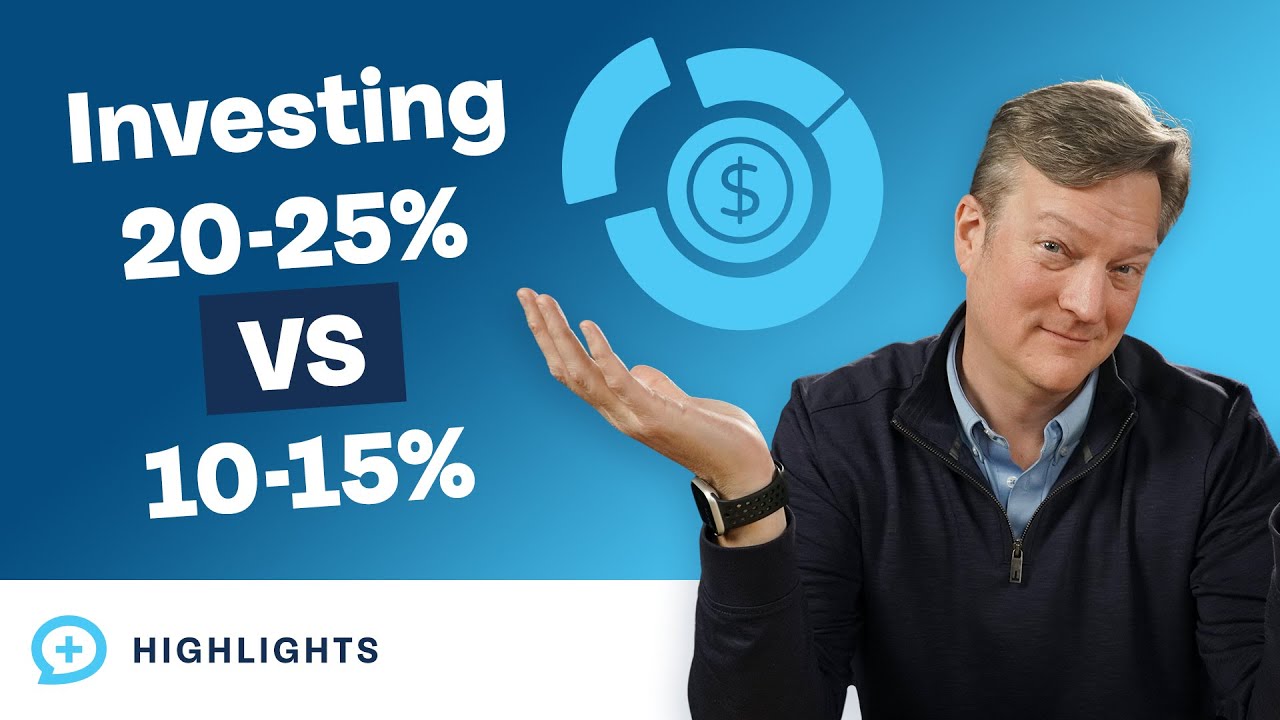
income needs by 25 will give you the approximate amount that you'll need invested if you're going to need one hundred thousand dollars in annual income before taxes multiplying that by 25 will equal two billion five hundred thousand dollars meaning that's how much you'll need in investments this is based on a four percent withdrawal rate that's seen as a sustainable amount within the finance community it's not a perfect formula and there are many variables it depends on the age you plan on retiring your investment returns and so forth however this is a logical starting point that
can be adjusted over time if needed the next step will help you decide how much you need to invest based on a few factors the first question to ask is how long until you'd like to retire next how much money do you currently have invested what type of investment returns are reasonable for your portfolio this question can be a little difficult to answer because of constant market fluctuations not to mention the possibility of an extended bear market the s p 500 has had an average annual return since it first began in 1926 of over 10
percent according to investopedia if you have all of your investments in the s p 500 assuming a future 10 annual return is reasonable by using an online compound interest calculator and inputting this information you can find out how much you'll need to invest regularly in order to get where you'd like to be let's say you're 45 years old looking to retire by 65 you have about 350 000 dollars saved for retirement right now but you want to find out exactly how much you need to save every month to make sure you reach that goal without
ever needing to rely on social security even when eligible your annual spending is fair at seventy five thousand dollars per year and you expect those expenses to remain the same aside from adjustments for inflation multiplying your annual spending amount by 25 you'll need about one million eight hundred and seventy five thousand dollars in today's dollars to provide that much income assuming a reasonable four percent inflation rate the one million eight hundred and seventy five thousand dollars adjusted would be approximately four million one hundred thousand dollars in other words after accounting for inflation that's how much
money you'll need since the dollar will have much less purchasing power after 20 years achieving this would require saving about 25 000 dollars each year after calculating how much you're going to need will you be able to save what's needed in the previous example it's not necessary to save more than twenty-five thousand dollars each year doing so could cause you to miss out on spending on today's excitement like a vacation of a lifetime with your family if you can afford to make a long waited purchase without sacrificing your retirement but choose not to you might
be putting away too much you might want to save more like 30 or 35 000 per year just to be on the safe side but if the numbers are telling you that's not necessary why trade today's time and money for it every dollar you set aside today is a trade for the future extra money down the road won't hurt unless it's preventing you from enjoying things today if excessive savings is straining your relationships or causing you to miss important family events it's time to re-evaluate your plan do you plan on continuing to work there are
many people who never want to work at all ever again in any form that's completely fine but there are many others who want to work until the day they die for these people working provides a sense of fulfillment and satisfaction with structure and the money is an added bonus this could mean keeping the job you currently have if you're able at an older age or it could be starting a small business if this is the case saving more than your calculations suggests is wasteful it's unreasonable to think that you'll have no problem working at any
age but if you're retiring early or even at age 60 or 65 there's most likely work that can still be done for at least a few years if you choose if you don't have any heirs you plan on leaving money to you might consider spending down your retirement savings in other words you have more money than you could reasonably spend due to old age poor health or just plenty of income from another source this generally isn't recommended since you don't know how long you're going to live and how much money you're going to need this
is reasonable in some cases for example if social security income is enough for you to live off comfortably which is possible for some people since the maximum benefit is three thousand two hundred and forty dollars per person it's reasonable to spend down some savings and enjoy it while you can it's important to strike the right balance of investing for your future and living for today in order to strike this balance figure out how you want your retirement to look and see what it takes to get there a comfortable retirement is desirable but making the most
of your working life is necessary too don't fall into the trap of chasing a moving finish line that will make you a wealthy individual too old to enjoy your money it's easy to endlessly worry about never having enough while that's a valid concern you could spend your entire life worrying about nearly anything with still no 100 guarantee of a nice retirement instead stick to your plan and trust the math making adjustments over time or as needed within reason you