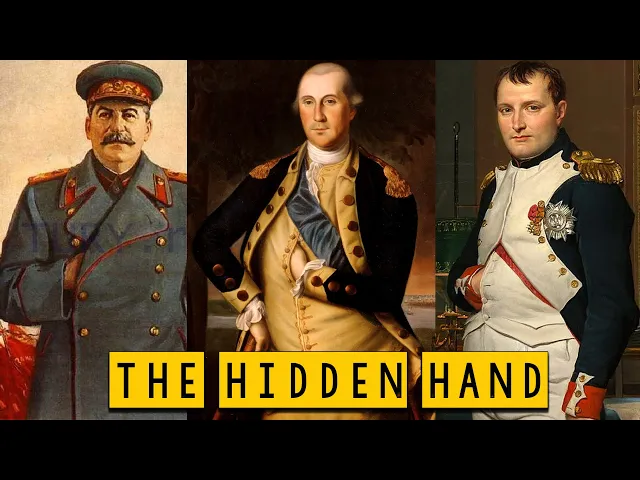
at some point in your school life or while flipping through a book or browsing the internet you must have come across portraits of emperors rulers and generals with one of their hands hidden inside their clothes but why do people in the 18th and 19th centuries posed like this for paintings was there a pact was it related to freemasonry or was it just an artistic fad of the time we'll tell you why in today's video [Music] when we talk about the pose with the hand inside the vest you probably immediately think of napoleon bonaparte the french
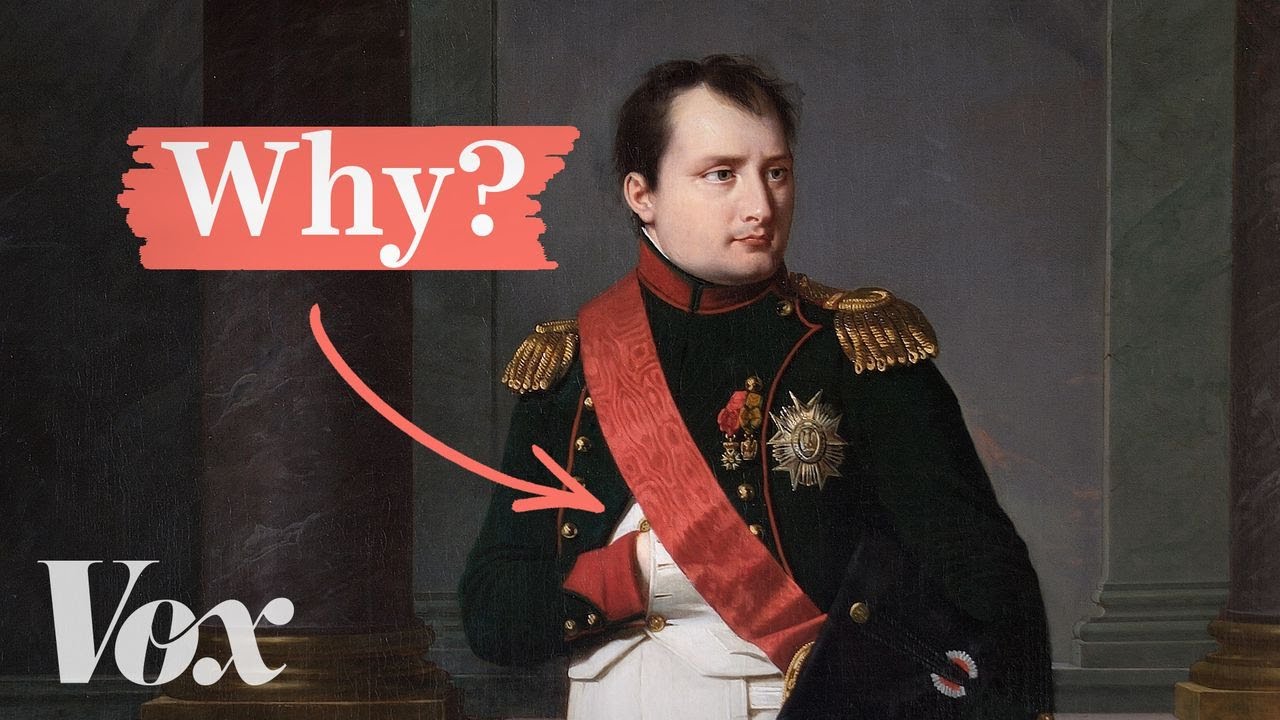
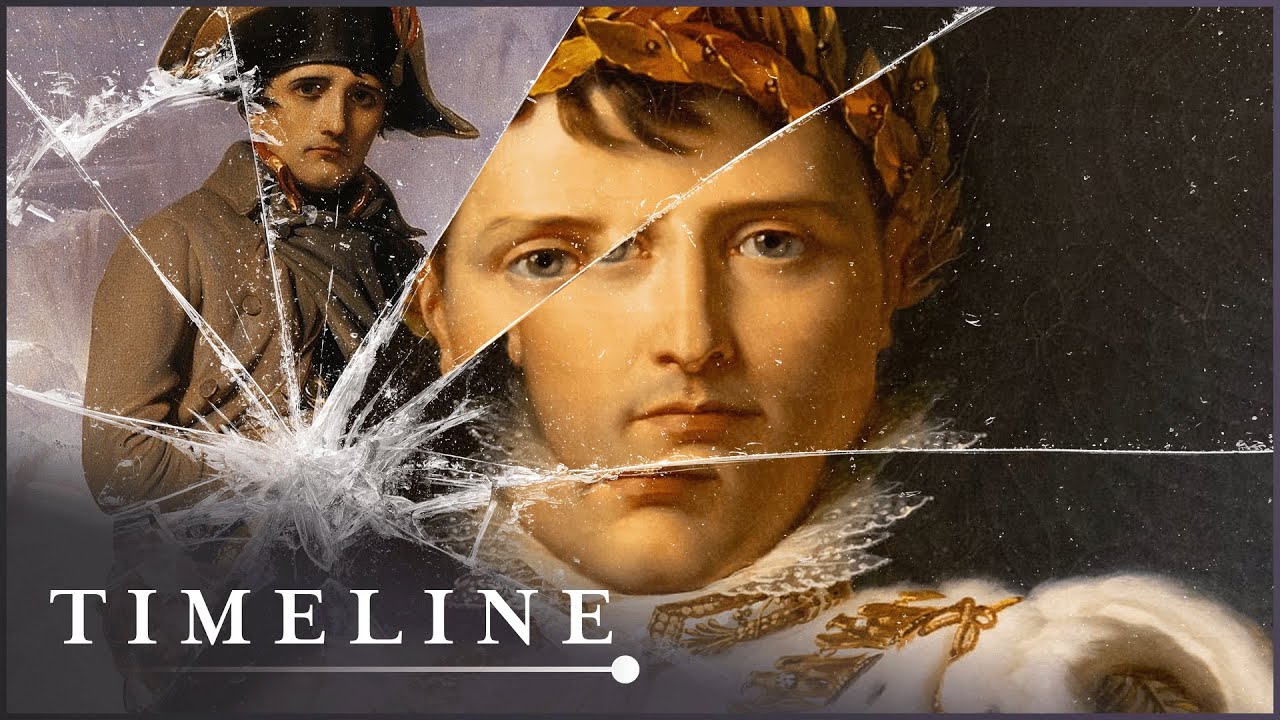
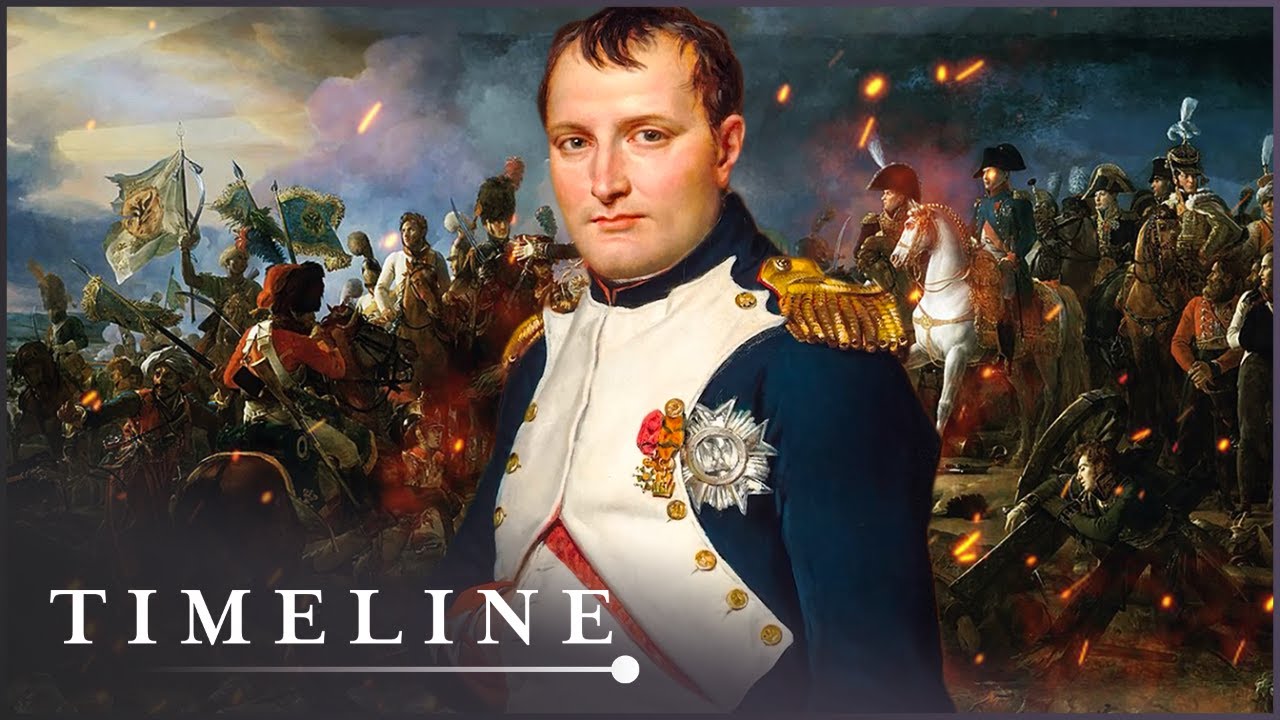
emperor who became emperor of france in the 19th century perhaps you make this connection because of the most famous portraits of napoleon which show the emperor with one hand hidden inside his vest or jacket this distinctive pose is in countless portraits of the emperor regardless of the activity depicted standing with quiet dignity in his office or even in his disastrous russian campaign without any evidence it was said that napoleon hit his hand because it had been deformed in battle there were also those who claimed that he constantly clutched his stomach to relieve chronic pain this
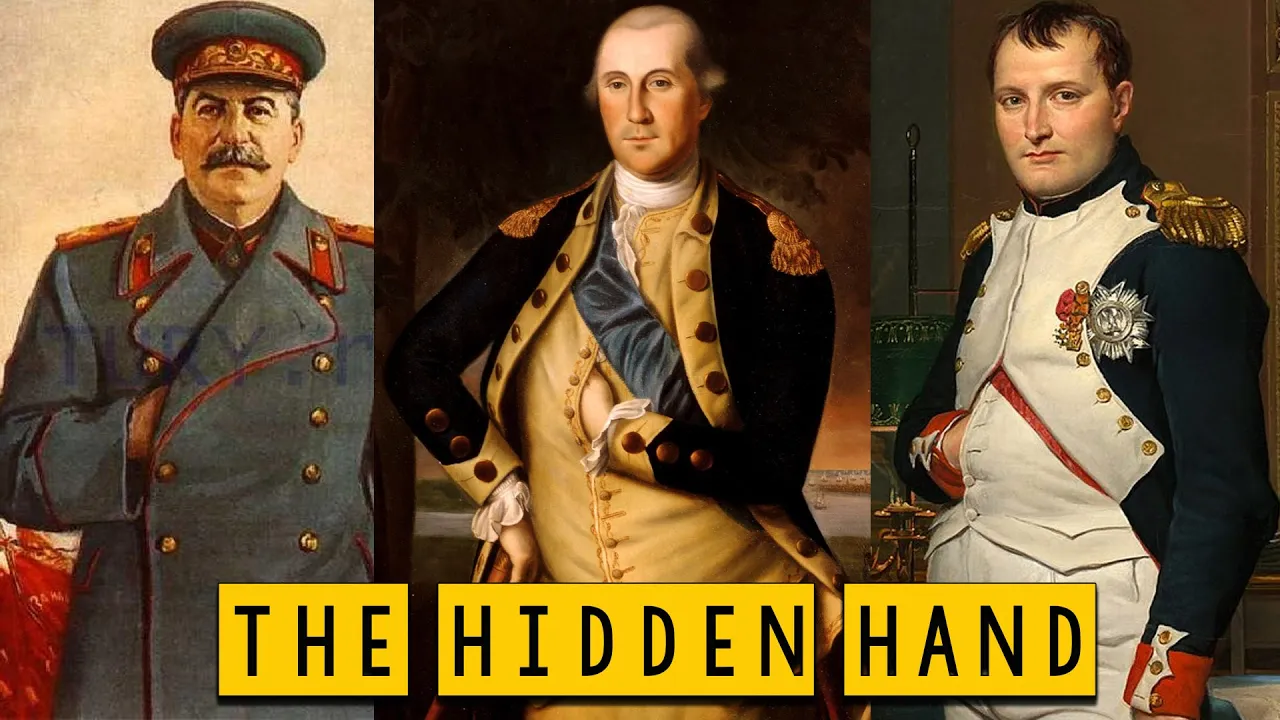
would make more sense as he is believed to have succumbed in 1821 to stomach cancer these crazy theories would explain napoleon bonaparte's reasons for striking this pose except that he was not the only one to use it for example peter ii has several portraits with his famous pose as do philosopher nisha liberator simon bolivar the marquis de la fayette and joseph stalin the reason for this pose has little to do with napoleon and more to do with portraits in the 18th and 19th centuries hiding your hand inside a shirt was a common pose in paintings
and a symbol of nobility and moderate statesmen according to the 19th century etiquette manuals the pose symbolize manly boldness tempered with modesty this idea may go back to ancient greece when the eminent orator ascanis declared that speaking with one arm inside the robe was a sign of modesty these days how do we view people who blow their noses in public and make a lot of noise we don't like that much right that's more or less how the greeks looked at people who didn't hide their hands between the folds of their vest during any communication process
especially in a public speech removing your hands was considered disrespectful in the 18th century western european high society reclaimed this ancient fashion based on the notions of good manners of the classical greeks painters began to portray the nobility with one hand inside their clothes over time the gesture began to be associated with upper class people good manners a good sense of humor and a sophisticated personality therefore most men at the time and some women sported the pose by placing one hand inside their clothes when posing for their portraits including george washington and mozart among other
personalities already mentioned it is also important to mention that hands are terribly difficult to paint properly perhaps hiding one of their hands slightly lessened the pressure placed on less talented artists hiding a hand became something so ubiquitous in portraits that his symbolism began to wane but napoleon came along and as he became very famous copying him became the norm napoleon understood the importance of the image better than most rulers of his time at his dazzling coronation as emperor in 1804 he crowned himself to convey the message that he had ascended by his own merits the
pose had everything the dignity of a statesman tempered with the modesty of a hard-working leader sure but how did he first paint that pose one of the most famous paintings by jacques louis david one of napoleon's favorite painters shows the emperor in his studio at the toulier palace the painting is from 1812 the year of his most ambitious foreign adventure the infamous russian campaign but it has little to do with war instead it shows a slightly tired emperor leaning against his desk after the day's work the painting is a masterpiece of careful composition the lamp
on the desk behind napoleon emits a pale light on a stack of decrees in official papers at the top of the pile we see a copy of the code carefully placed in that spot this work was the judicial foundation of the empire and the document followed the french army on every invasion it was also the legal basis of imperial governance the message of the painting is clear napoleon was an active ruler an emperor who gave everything he had to the service of his people in many ways it was a beautiful painting beautifully executed and worthy
of one of the most talented artists of his generation and it has several political messages but a more curious fact is that napoleon didn't even pose for this painting he just chose his pose obviously with his hand inside his vest and jacques louis david drew it from memory when napoleon saw the portrait he said to the painter you understood me dear david therefore the hand inside the vest became forever associated with him perhaps he just followed the rule with the intention of conveying the image of a moderate statesman napoleon was not only a tactical innovator
on the battlefields where he was always quick to take the initiative and take advantage of his opponent's mistakes he was also a master tactician in political combat manipulating information and polishing his image with the political class in paris since his days as a revolutionary general in italy he has shown a rare talent for publicity and propaganda using some of the best journalists of the time to publicize his successes and build his image as a brilliant strategist napoleon went beyond the army and knew the importance of attracting a wider non-military audience he knew exactly what to
do with art as in other areas he was also a very modern figure in politics it was from this period that he showed how well he understood the power of art to form public opinion his political ambitions required him to be much more than an excellent strategist and commander in battles a pose that he could wedge as his own being associated with moderation was all he needed in this period obviously napoleon was not the first to use art as a form of self-aggrandizement monarchs were always served by artists be it portraitus who were able to
convey an authoritative and majestic image or painters who depicted their triumphs on the battlefield for example british cultural historian peter burke showed that art was used effectively in creating the image of louis xiv the great battle paintings in the late 17th century transformed him into a heroic figure equestrian statues of the sun king were constantly and even cynically distributed throughout france to try to impose his authority over his subjects painting sculpture and ceremonial art contributed to what burke very aptly called the fabrication of the monarch following this monarchial tradition napoleon attempted to insert himself into
the corridors of power but with one decisive difference while kings emphasized their legitimate claim to authority the first consul and emperor knew he needed to legitimize his rule before his many subjects to the emigrate nobility or other monarchs he was still a usurper who had taken power by force some were ready to remove him by force as well napoleon always understood his place in history and the verdict of posterity artists were hired to help establish his legacy it is interesting how art helped shape napoleon's reputation into the two centuries after his death and it is
no accident that the famous pose became associated with him even with the advent of photography it continued to be used by generals and statesmen but in photography there was another reason why the pose continued to be used in the old days when it came to posing for a portrait the gesture had an important advantage because people had to stand still for a long time this position helped to keep the hands of the model in the same place preventing the picture from becoming blurred this posture was very popular with soldiers in the american civil war it
was also how karl marx posed for one of his best known photos the posture only began to lose notoriety in the late 19th century and was little used in the 20th century