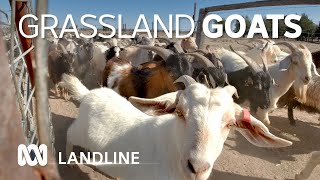
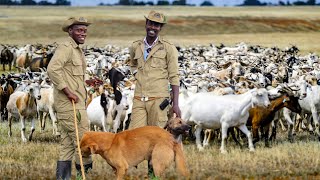
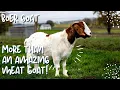
The Versatile boar goat of southern Africa is as much of a staple as wheat and corn in the southern part of the continent this multi-colored Marvel is the product of some of the most ancient peoples in the world and oh my goodness are they productive right now no other goat on the globe can compete with the boar in meat production they are the standard by which every other breed is measured so come on a trip with us to visit the bushveld and brush where these robust Beauties came from the word bore means farmer in Africans
a language with Dutch roots that came into existence when Europeans settled in South Africa it was these early European settlers who first made written accounts of the inhabitants and livestock of the newly discovered land the Boer goat was by then already well established in South Africa Namibia and Botswana its Origins are impossible to trace most likely they were hundreds of years in the making by the time Europe became aware of them their populations counted as high as 3 million in the 1800s in South Africa alone probably significantly more since those numbers mostly reflect larger scale
farms and would not have taken into account traditional homesteads and Villages the Zulu and E6 HOSA from South Africa and Herrero in Namibia have entire cultural structures set in place around their cattle livestock was and still is a mark of wealth the boar goat already had a significant place in society long before Europeans touched down on the continent for weddings only the purest unspotted goats are brought forth to bless the festivities no man will present his bride's family with anything but the most unmarked specimen the first recordings of them noted them to be Hardy and
fertile and that they bred well with other European and Indian stock Europeans were quick to adopt the Boer goat since it was just so much more prolific than their European counterparts and since it was the chosen goat for Farmers the name borbach or boar goat just stuck by the 1920s the boar had become larger and heavier thanks to selective breeding while still keeping their disease resistant and docile Natures but it wasn't until 1959 when the South African bore goat Breeders Association was founded that they were officially put on the map and recognized as a breed
in their own right the Burly boar spread far and wide today they can be found in almost every country on the planet they have huge populations all across Africa and they can be found in significant numbers in the U.S Britain New Zealand and Australia their popularity in Australia is not surprising since the Arid and sparse landscape is so similar to the desert and bushfeld the boers were originally bred in but no one could have predicted how well they took to every other place they landed it's their adaptability to any climate that makes the boars unique
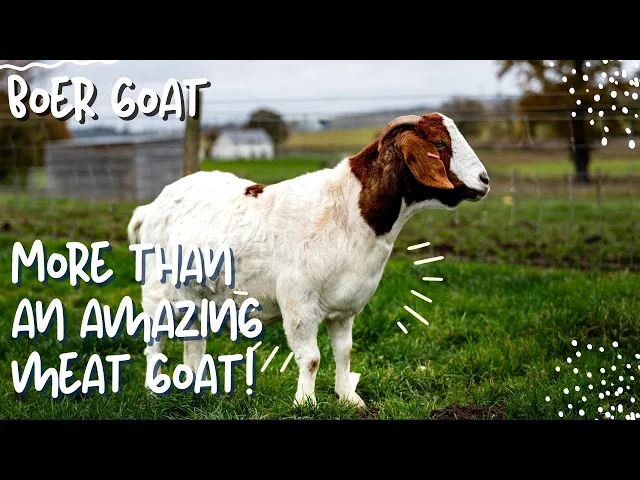
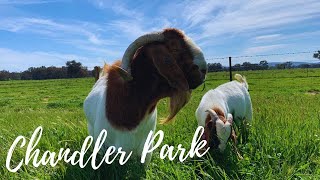
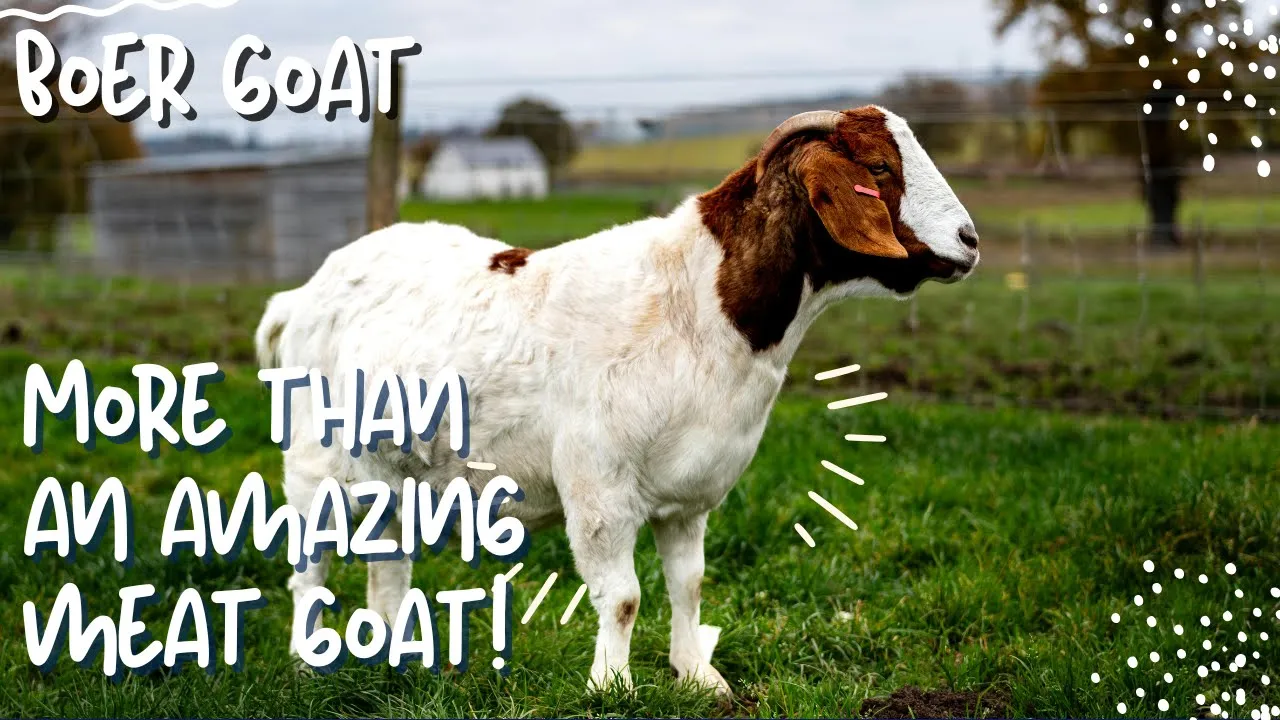
they can Thrive just about anywhere salty coastal areas that's no problem for the boar scorching desert or flat plateaus bring it on wet and damp the boar can deal with that too besides outright Arctic conditions nothing can keep this resilient animal from being perfectly at ease for the most part they are known for their reddish brown heads and white bodies but there is a lot of room for spots and a variety of shades of brown amongst them and every now and then a solid brown or pure white kid makes an appearance with their floppy ears
fleshy necks and sloping bulb as noses the boars have a distinctive Dopey expression but they are hugely muscular with wide chests and heavy Heads This muscle mass is the reason that they are such a valuable meat goat bucks can clock in at 160 kilograms on average but some larger Rams can go as high as 200 under the right conditions they are bearded and have a set of prominent backward-facing horns that curve around their heads all the way under their Lop ears the sheer amount of muscle they carry gives them a stocky appearance and they can
be a rather imposing figure when they are fully grown but don't be frightened by their large frames they are truly a mild-mannered goats besides males that scuffle on occasion for dominance they are much more manageable than their kind usually is does usually fluctuates between 110 and 130 kilograms they are more feminine and have much less muscle than the males does Sports shorter horns that curve ever so slightly behind their ears and necks they don't have any beards like their stocky fellows do and they are even more even tempered than the males are goats are known
to be terrible mothers often abandoning their kids but not the boar they have an excellent track record of mothering their babies they'll deliver every nine months or so if you keep around with them consistently furthermore boars are unusually fertile they're prone to delivering Twins and can even have triplets on occasion given that they carry an aptly care for a higher than average amount of kids it will be a good idea to give mothers a break between breedings every mammal on this planet needs a rest between babies but one birthing a year is hardly a rate
to complain about especially since you'll most likely be getting more than one new goat per birth females in milk have a very good supply of excess more so than other meat production breeds so they make for a very well-rounded goat for the homestead to keep the average family supplied with their Dairy needs and speaking of produce let's not forget about their meat production this is after all what the Boer goats are mostly kept for you can expect around 20 kilograms of meat if a goat is raised to Market age raising them from birth to slaughter
can take anywhere from six to nine months a few months more and under the right conditions you can easily add another 5 to 10 kilograms to that hanging weight spring and summer goats will have an extra layer of fat to them but even in the leaner Seasons they still deliver 10 tender and high quality meat they can comfortably be kept in pens if they have enough to munch on and aren't packed in together too tightly like any penned goat this might cause frustration since they would much rather prefer to forage and root around in new
pastures so it might be a good idea to move their fencing around every now and then but if you're keeping only a handful at a time half a dozen goats shouldn't frustrate each other too much they are incredibly disease resistant and require no seasonal antibiotics or specialized feed if they are left to freely graze they'll naturally seek out the nutrients that they need at any given time and they'll be substantially healthier than they would be if they were fed solely with grains that's not to say that they'll be sickly if they're kept only on feed
bored from grain-based sources it's just that they simply don't need it they were bred to seek out sustenance in even the harshest conditions and their systems know very well what they need to find to keep them well fed and almost every goat out there can absorb nutrients from a greater variety of foliage than other livestock the Burrs are even more efficient at this than usual if you do plan on keeping them on grain based feed be sure to look for options that are sufficient in protein they are after a meat goat and good quality meat
needs plenty of protein one unusual trait that some females are prone to is an extra set of teats if they do have this genetic Quirk there's no need to worry most of the time the extra teats won't produce milk or very little and they won't affect her main utters Supply but every now and then the teets are fully functional and produce just as much as every other nipple she possesses most likely this is a gene they developed because of their unusually high rates of twinning so in the same way boars can adapt to their environments
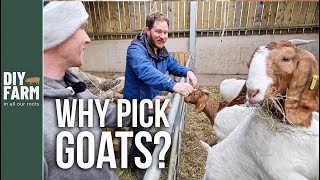
they've adapted to their fertility other than that you just need a good deworming schedule to keep them happy and healthy this is the perfect goat to keep for homesteads small Holdings and large-scale Farms as long as they have enough to eat in a few of Their Own Kind for the company the boars are quiet docile and easily manageable this makes them the ideal animal for those who are new to keeping goats or for those who don't have as much room at their disposal their gentleness is ideal for those looking to keep them as pets too
and even if you want them for their meat and milk they are one of the safest options when less experienced goat owners or children are in charge of them and if they are fenced in permanently keep their conditions clean and dry they'll be very happy with just a simple roof cover to sleep under at night during warmer months but when autumn Frost and winter snow comes you'll need a more protected space set up for them to spend their evenings inside more enclosed structures all in all the requirements are not much different than any kind of
goat except that they might be even easier and less prone to violence and temper tantrums like other goats tend to be milk Meat Land clearing and general hardiness are what goats are kept for and the Boer delivers in spades on all of these fronts as far as keeping goats go don't think you're better off with a dwarf variety or a specialized breed just because you don't have a lot of acreage it's all about temperament and the Boer goat will be much less cheeky than smaller breeds African goats are sought after because they are generally healthier
Hardy and less hassle and the boar goat is the gold standard even amongst their prized Continental cousins their productive hooves are here to stay and any piece of land will be richer with them on it [Music]