[Music] take a look at this painting by peter brugel the elder it's a bunch of illustrations depicting common sayings think of it as a where's waldo for popular expressions whilst many of these are in dutch some of them carry on over into english this soldier is armed to the teeth over here the world has turned upside down and finally there's always a bigger fish we use expressions like these every day but have you ever wondered where they come from for example why shouldn't we cry over spilt milk and who's going around killing two birds with
one stone or putting cats into bags turns out that many of our most beloved sayings have some intriguing and obscure origins some of which are pretty dark did you know that the phrase saved by the bell may have risen out of fears of being buried alive but i'm getting ahead of myself without further ado let's explore the origins of popular sayings and expressions don't cry over spilt milk the meaning of this saying is not particularly intuitive in plain english it means that there's no point in worrying about things that can't be changed who came up
with this unusual lactose-based idiom well it's not quite certain but it was first recorded in a book of english proverbs in 1659 where it was written as no weeping over shed milk some had suggested that this phrase may have come from old english folklore and that it's all to do with fairies in rural areas it is said that townsfolk would leave out a glass of milk for woodland sprites if any of the milk was spilled it is said that the fairies would still be able to drink it meaning that it wasn't actually ever wasted hence
the phrase don't cry over spilt milk others have suggested a much more grounded origin you see milk spoils very quickly and so spilling any on the floor means that it already has been wasted it can't be recovered so i guess there's no point in worrying about it don't cry over spilt milk there is or not the message remains the same what's done is done as lady macbeth once said an apple a day keeps the doctor away from gala to granny smith this victorian saying encourages people to eat more fruit in order to avoid unwanted trips
to the doctor's office the rime was first printed in a welsh magazine from 1866 as eat an apple on going to bed and you'll keep the doctor from earning his bread this has changed over the years from an apple a day no doctor to pay to an apple a day sends the doctor away the version now commonly used first appeared in 1922 and seems to have stuck nutritionalists would recommend to eat more than just apples in your diet to remain healthy there's unfortunately no correlation between the consumption of apples and the proximity of physicians as
the rhyme would suggest but interestingly there was a time when the word apple was used to refer to any kind of fruit so perhaps the rhyme refers to eating fruit in general and not just the red or green hand fruit that we're familiar with today kill two birds with one stone this popular phrase encapsulates the idea of achieving two goals with one action this saying may have come from ancient china in mandarin there's this phrase it translates to one arrow double vultures and carries the same idea as the english one the expression is based on
a folktale about the legendary archery skills of general zhang sun sheng in an attempt to impress his soldiers he shot a single arrow into the sky that brought down two vultures if that wasn't impressive enough he achieved this feat whilst on horseback the first occurrence of this phrase in english is in the 1600s where it was used by the philosopher thomas hobbs we don't know how it crossed over into english thomas hobbes was also the first to record the phrase the feather that broke the horse's back although you'll probably be familiar with the more exotic
equivalent the straw that broke the camel's back both expressions refer to when something reaches a tipping point when a chain of seemingly minor events finally culminates into one big and sudden reaction in this case at the expense of a poor animal for a lot of these animal related sayings they seem to be quite aggressive in nature take beating a dead horse or grabbing a bull by the horns of all the animals it seems that someone really had a problem with cats plenty of ways to skin a cat letting the cat out the bag or curiosity
killed the cat and so on it's perhaps reassuring to know that cats are supposed to have nine lives or so i've been told in any case noticing how many common sayings depict violence against animals the american animal rights organization peter have drafted some new animal friendly idioms that you can try out for yourself so instead of killing two birds with one stone it's feeding two birds with one scone instead of beating a dead horse it's feeding a fed horse and if you don't wish to grab a bull by the horns then you may prefer to
grab a rose by its thorns or or maybe not whilst inventive these animal friendly sayings have not been unanimously accepted we'll have to wait and see as to whether it catches on many idioms stem from the bible in fact this entire book dedicated to them the appropriately named book of proverbs some of these require a bit of thinking to figure out the meaning a cheerful heart is good medicine but a crushed spirit dries up the bones in other words nobody likes a grouch wine is a mocker and beer a brawler whomever is led astray by
them is not wise which is to say drink in moderation on the other hand there are plenty of irish german and czech proverbs that would say otherwise across the book of proverbs they're a bunch of sayings that contradict one another one such instance is whether to listen to foolish people one says do not answer a fool according to his folly or you yourself will become just like him but another says answer a fool according to his folly or he will be wise in his own eyes which one is it bible anyway moving on beyond the
book of proverbs there's one popular saying that i'm sure you've already heard an eye for an eye it's the idea that if you commit a crime your punishment ought to match it in this case gouge out someone's eye and expect to lose one for yourself you can find this saying in the old testament among a large list of other biblical laws but this phrase didn't actually originate from the bible instead it may have been copied or even plagiarized from a much older legal text you see a very similar phrase can be found in the babylonian
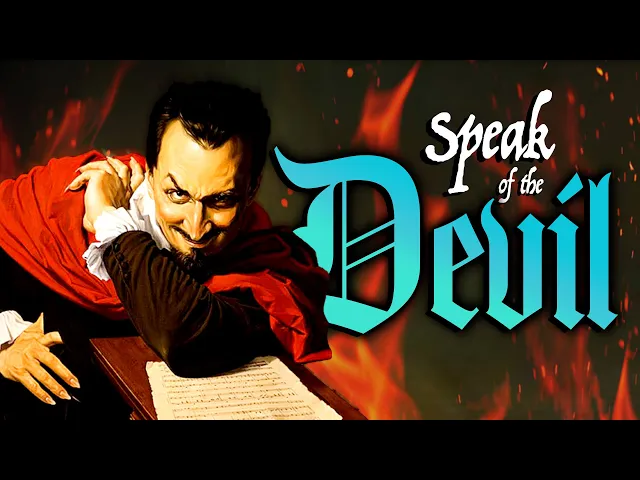
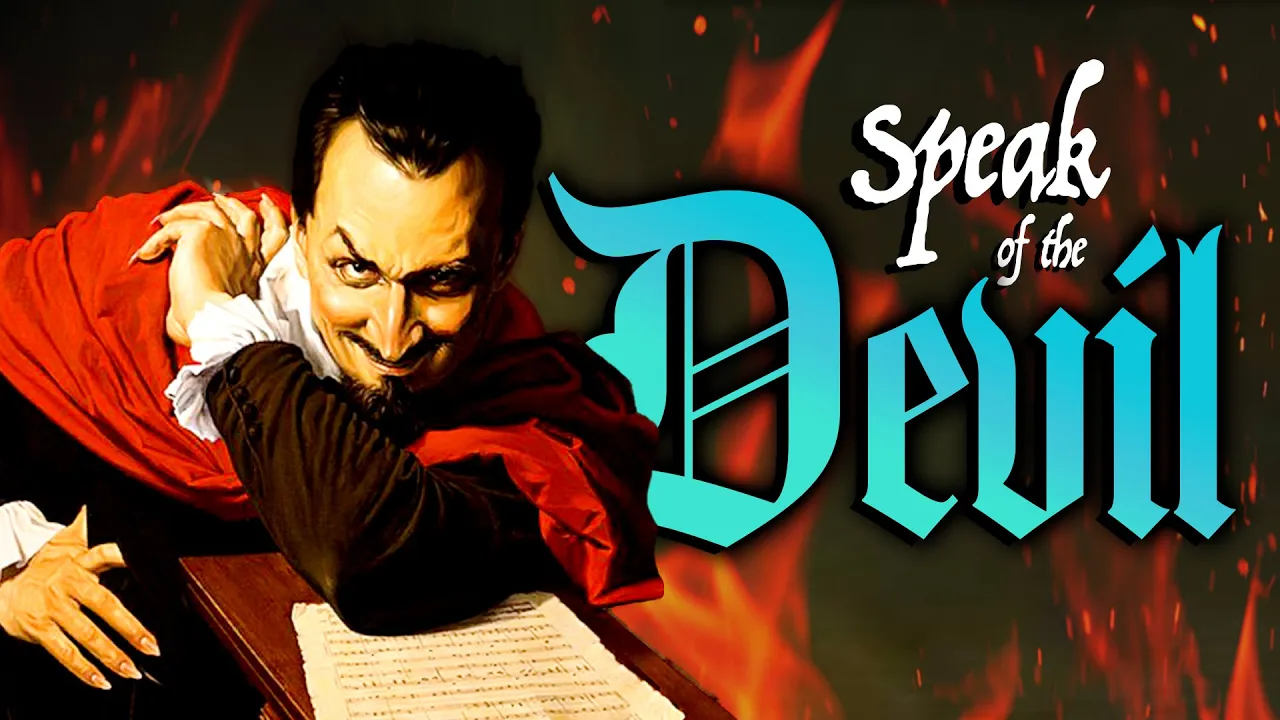
code of hammurabi in which it is decreed that if a man should blind the eye of another man they shall blind his eye the code of hammurabi was written in 1750 bce so it predates the biblical laws by a thousand or so years in which case this saying may be the oldest proverb that's still in use today speaker of the devil there are some phrases which sound biblical but aren't particularly those to do with satan speaker the devil is a phrase used when someone who's been talked about coincidentally appears in the room the origin of
this phrase goes back to an old fear that it was dangerous to talk about the devil even mentioning satan's name like i'm doing now could cause him to appear hence the original way of putting it speaker the devil and he doth appear this superstition faded over time and the expression became less and less impactful by the early 1800s it was seen as simply unlucky by the end of the century it was a saying used to discourage eavesdropping nowadays it's just part of everyday conversation and no longer a way to summon lucifer at least i hope
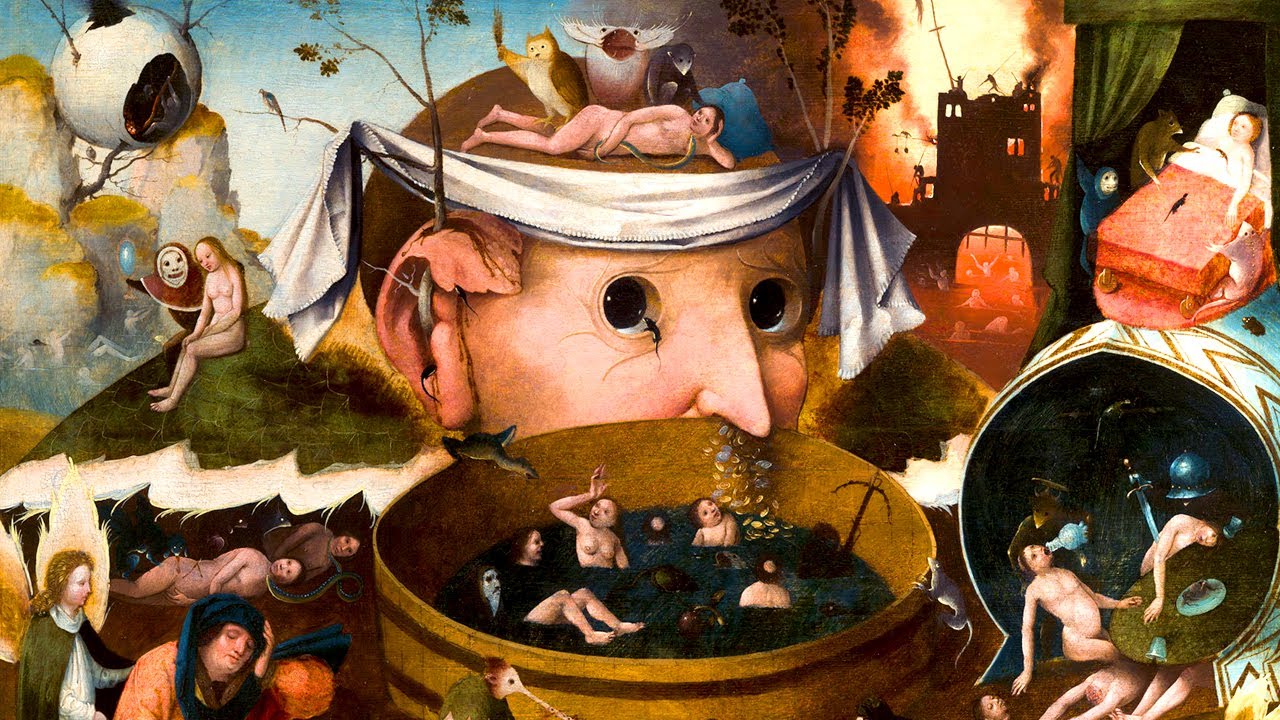
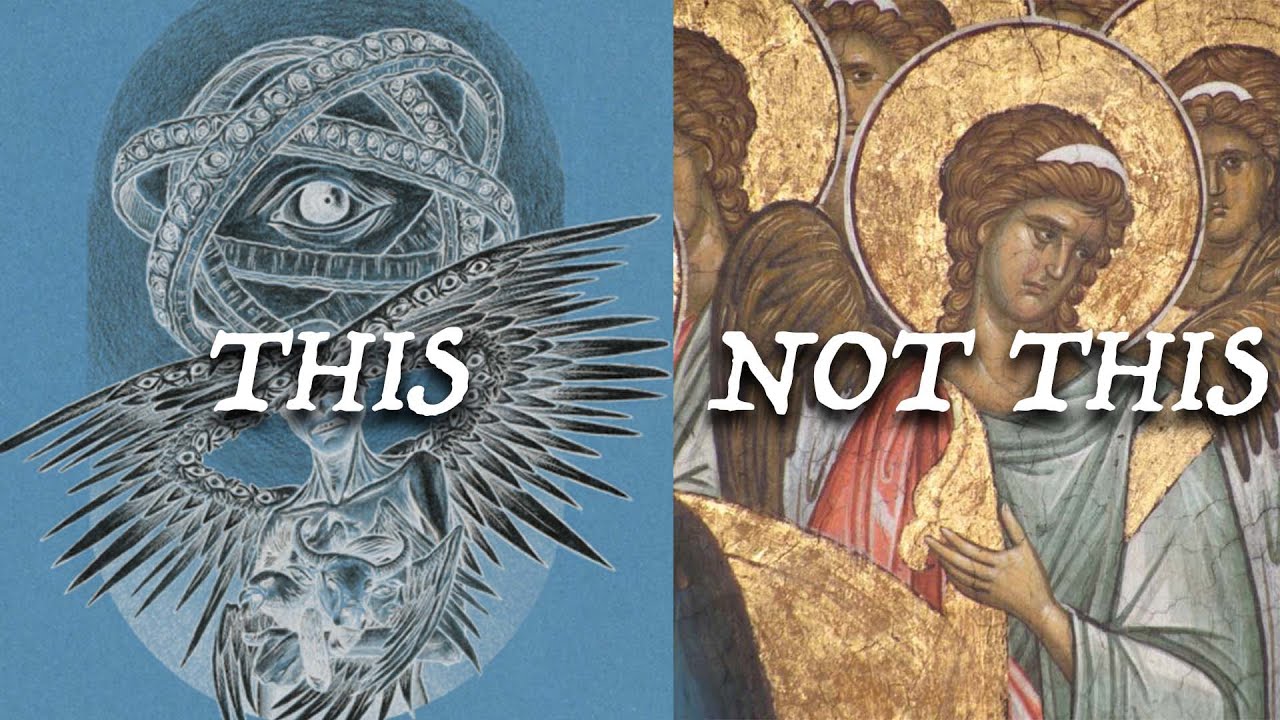
on a quick side note speaker the devil and he doth appear has a positive equivalent talk of angels and hear the flutter of their wings you may already be aware from my other videos that angels in the bible are not so well angelic in the old testament they are sometimes depicted as floating wheels covered in eyes elsewhere as animal human hybrids again coated in eyes from heads to toes at the risk of being visited by either perhaps it's best i move on saved by the bell let's continue to explore the idioms with dark origins starting
with saved by the bell which is used when a person is rescued by something at the last moment aside from being the namesake of a cheesy 80s sitcom some believe that it's to do with being buried alive in the 19th century there was a mass panic over premature burial which is to say the doctors would falsely pronounce a sleeping person dead and they would be buried only to wake up in their own coffin to reassure families inventors made a so-called safety coffin a small string was wired inside a coffin that was attached to a bell
on the surface if the unfortunate person somehow woke they'd be able to ring the bell and help would swiftly arrive hence saved by the bell this story however is not the only proposed origin of the phrase some believe that it has nothing to do with premature burial at all but instead came about from boxing slang in a typical boxing match if you were losing a bout and were about to go down you would hope for the bell to ring the mark to the end of the round you could be saved by the bell to prevent
a knockout who knows maybe this saying doesn't have a dark origin after all that's more than to be said for this next idiom bite the bullet although nowadays this expression is about confronting difficult situations in america during the civil war it had a very different meaning the term supposedly originated in field hospitals where wounded soldiers were taken to undergo amputations in a time before anesthesia was widely available soldiers had to clench their teeth down on something to cope with the pain of surgery often it was with anything that was lying about in a battlefield that
was usually spare ammunition i suspect they'd be visiting the dentist shortly after it's not just common sayings many nursery rhymes are believed to have dark and disturbing origins as well if you'd like to learn whether ringer roses is about the plague as some believe then consider watching my video on the dark side of nursery rhymes it goes without saying that there are many expressions out there proverbs idioms and sayings are a feature across all languages and cultures they provide a useful way to condense big ideas into short and memorable sentences in english in particular there
are thousands of proverbs perhaps helped by the fact that so many people across the world speak the language as a result many of our popular sayings have these interesting and obscure origins but we've only managed to look at a small handful there's so much more of them to cover if there are some popular sayings you like to explored in a future video do share them down below in the comments but for now let's leave it there as they say all good things must come to an end [Applause] hey thanks for watching i really enjoyed making
this video and i hope that you learned something new along the way the channel recently passed 400 000 subscribers i just want to say thanks it means so much that you watch my videos and like my content and also welcome to all the new subscribers out there if you like this video and want to see more why not subscribe a like and a comment also go a really long way anyway i look forward to seeing you next time goodbye [Music]