in a sunny afternoon on April 19th 1995 a 5' 6 in tall man walked into two Pittsburgh Banks and robbed the bank in broad daylight by holding a gun to the teller he wore no masks or made no attempts to hide his face just simply walked in and executed his crime and left as you might expect this incident was captured in the security cameras and then later reported to the local authorities that day the police traced his residence and by midnight reached there to arrest him when they proceeded to arrest him he promptly responded but
I wor the juice what he was trying to say was that he had rubbed lemon juice all over his face so it was impossible for the police to have seen him robbed the bank in the security footage because robbing the lemon juice must have made his face invisible to the security cameras you see he knew that the lemon juice is used as an invisible LK which is true scientifically so he reasoned that logically rubbing it on his face would have rendered his face invisible to the security cameras which of course was not the case the
detectives and other officials in the case confirmed that he was not dilutional or on drugs but he was just incredibly convinced of a mistaken belief coupled with a lack of acknowledgement of the flaws in his reasoning that night he got arrested and gained the status of a perplexing figure in criminal history if the explanation that he gave the police is not making sense yet that's because it has no logic per se you might think this is a fictional story but the truth is it's not to verify my claim search for the case of Mac Arthur
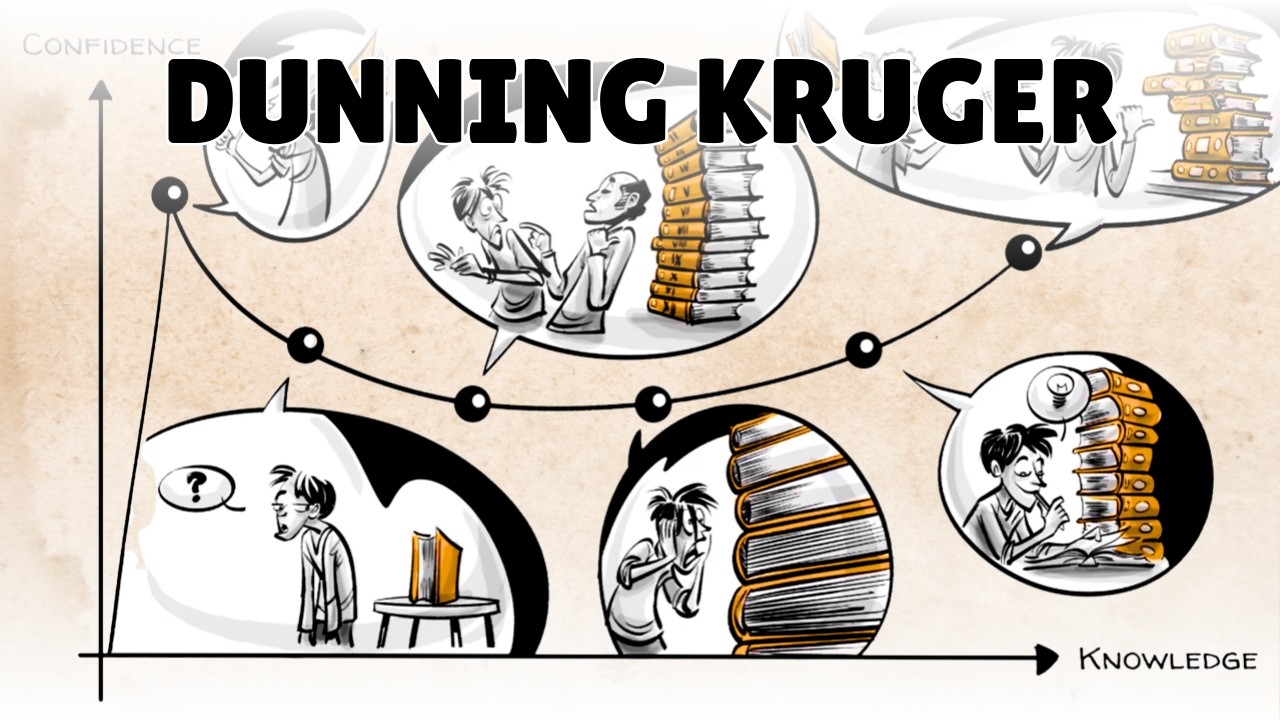
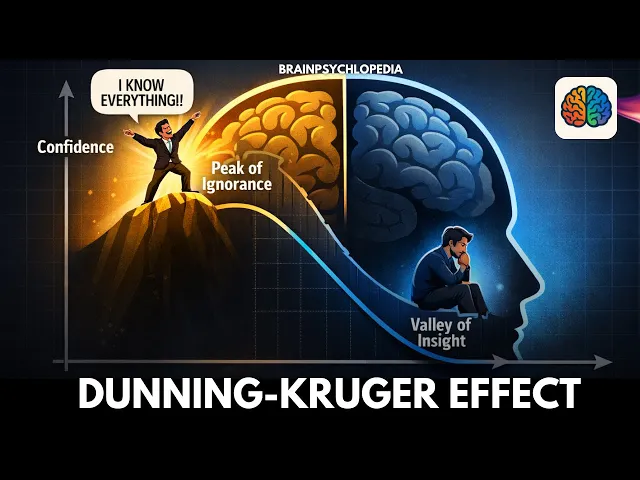
v the man who rubbed lemon juice and executed a bank robbery the year after in 1996 this incident got the attention of a Cornell psychology Professor David Dunning who along with his then graduate student Justin Krueger embarked on assessing why this Behavior had occurred in a series of experiments stunning and Krueger went on to assess undergraduate psychology students while asking them to respond to quizzes on number of domains like logic grammar Etc following this the students were asked to rate their own performance in those quizzes now you see the performance in the quiz can be
considered as an objective measure of the students performance while self-reporting their perceptions of their performance can be counted as a more subjective measure of their competency so the results of the studies indicated that the students who had the lowest scores on the quiz erroneously reported as having received very high scores more specifically the students who scored near the bottom percentile estimated their skills in the tested domains to be far more Superior than the 2/3 of the other students tested while those who had scored High had a much more accurate perception of their abilities these findings
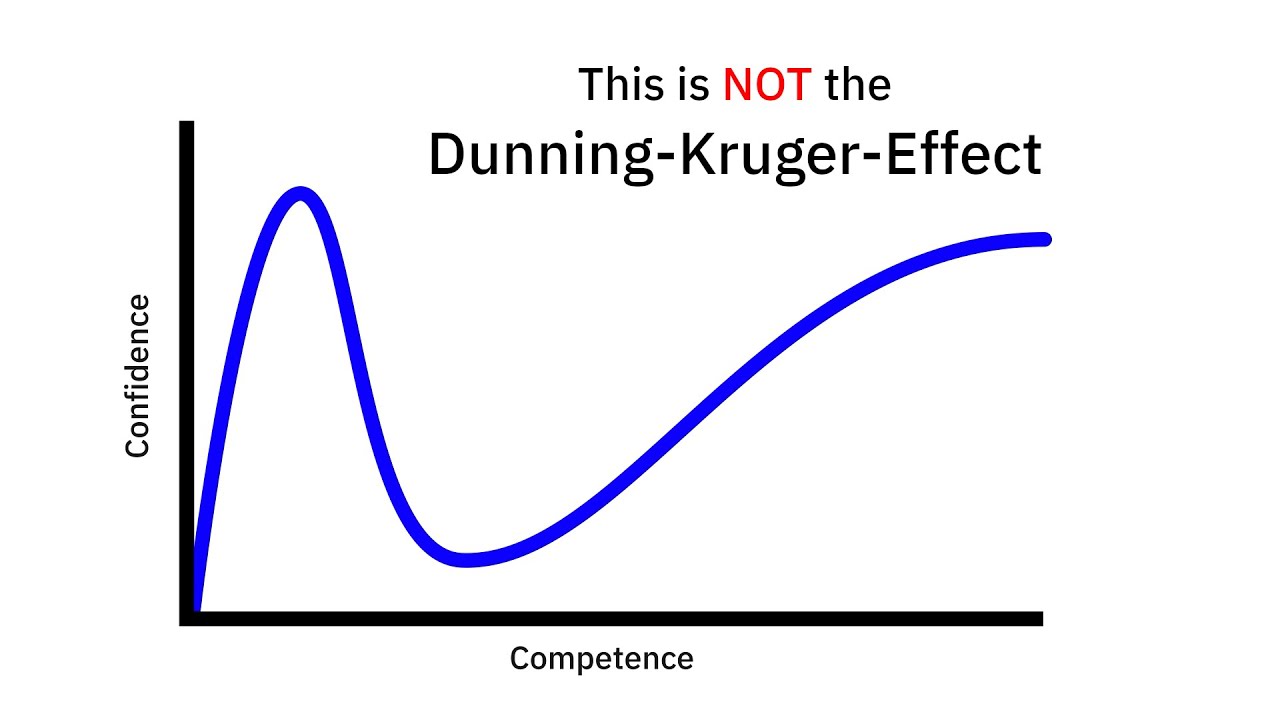
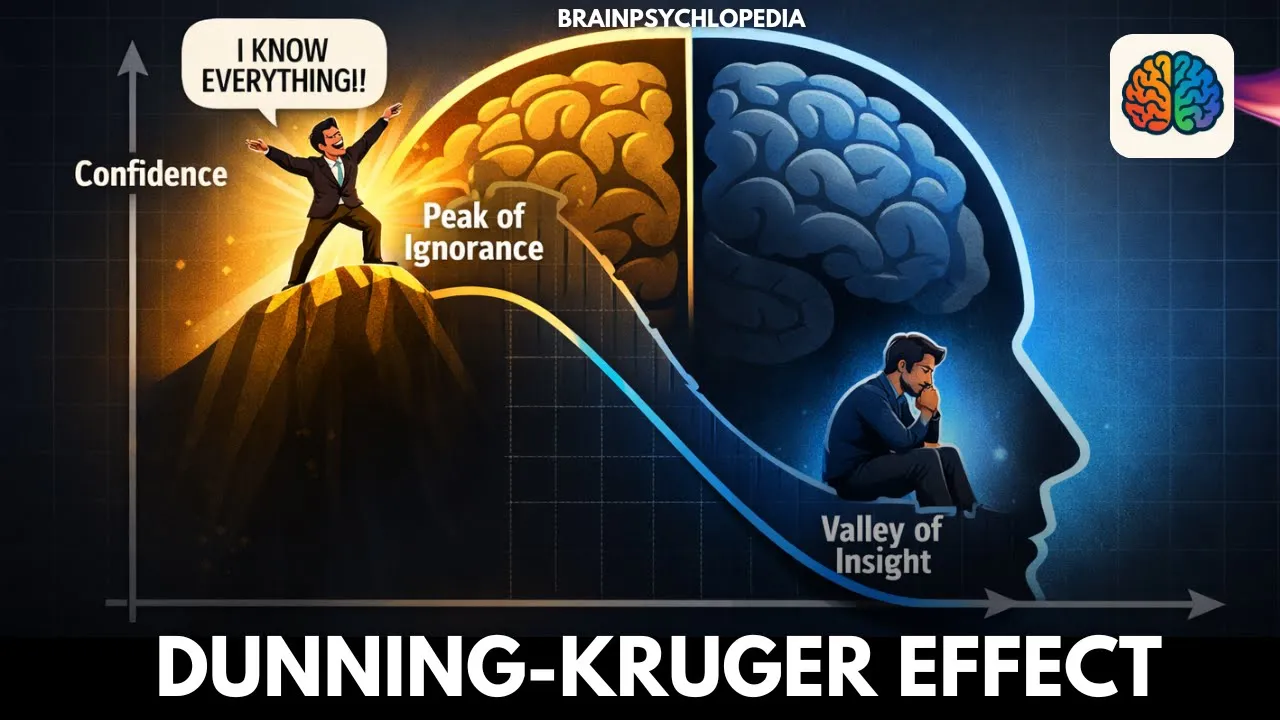
led the researchers to deduce that people with limited competence tend to display a certain type of a cognitive bias wherein their limited competency leads them to overestimate their abilities this came to be called as the Dunning and Krueger effect and it was published in their seminal work in 19 1999 since then over two decades of psychology research and numerous studies from these researchers have found evidence in support of this phenomena now it's important to note that the Dunning Krueger effect does not make any statement about the level of intelligence of people so the Dunning Krueger
effect is not a judgment on someone's overall intelligence but it rather focuses on the discrepancy between the perceived and the actual competence in specific tasks or domains explaining the essense of this phenomena David Dunning once stated quote not knowing the scope of your own ignorance is a part of the human condition the problem with it is we see it in other people and we don't see it in ourselves the first rule of thumb of the Dunning Krueger club is you don't know you're a member of the Dunning Krueger club in fact you might have heard
Elon Musk also State something similar in certain interviews quote you don't know what you don't know which other than its theological ring essentially captures the essence of the Dunning ker effect now while the findings from these lap studies might seem like a rather low impact manifestation of the Dunning Krueger effect and thus seem rather harmless in in real world we have witnessed some serious manifestations of the Dunning Krueger effect with severe negative consequences such as the wheeler robbery incident but unfortunately that's not it another rather catastrophic examplar of the Dunning Krueger effect is the downfall
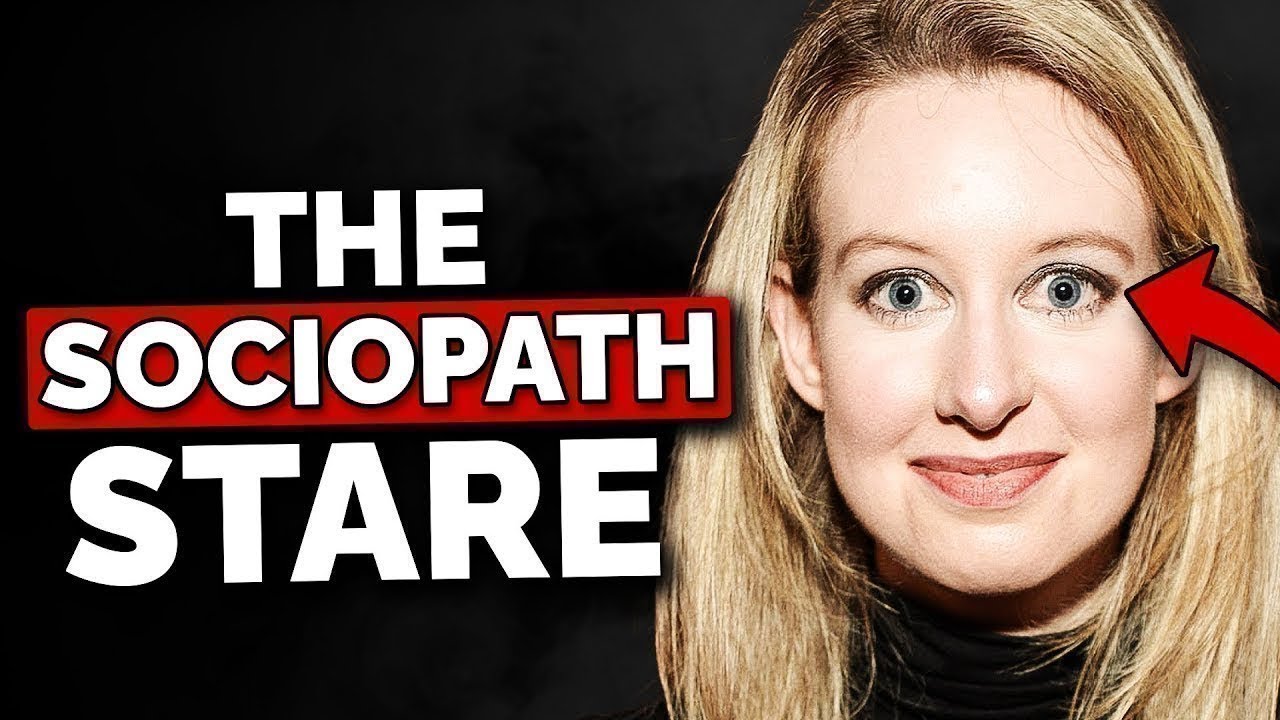
of a one silicon Valley's Uprising medical tech company called thonos thonos was founded by Elizabeth Holmes at the ripe age of 19 Elizabeth who was described as a driven and ambitious woman was determined to create a company that envisioned to revolutionize the traditional medical testing industry she claimed to have developed a device called Edison that could perform an extensive range of medical tests using only a few drops of blood from a finger prick with a goal to make blood tests more accessible affordable and less invasive for patients what worked for Elizabeth was that her idea
garnered a lot of interest from some of the biggest investors in America leading to a blockbuster start of thonos the company's blood and medical test kit was soon made available to all the major retail outlets All Over America with many people using the services only to be misdiagnosed you see despite the lack of experience and expertise in the medical testing industry Elizabeth believed she could disrupt and revolutionize it this overconfidence or rather the self-perception or of overestimating her abilities resulted her to make poor decisions and choices over time not enabling her to recognize her own
limitations and ultimately led to the catastrophic collapse of a company with severe legal implications now a valid question that arises at this stage is what causes this biased state of cognition so the larger research landscape indicates that investigations on the exact causes of the ding Krueger effect is an active area of research with psychologists still trying to understand the specific mechanisms via which this particular effect is observed or given rise to however a key causal explanation that has been widely cited is the lack of metacognitive abilities giving rise to the Dunning Krueger effect now the
concept of metacognition is a really interesting one and it's it's a part of research area that people study in itself so what metacognition actually refers to is is the ability to think about one's thinking it allows us to actively assess both our knowledge bases and our knowledge about those knowledge bases so how well do you know something and how well do you think you know something about that something now because of this evaluative nature of metacognition it allows us to assess or evaluate both the quality of our understanding about the world and the accuracy of
that understanding as well so when one has weak metacognitive abilities it tends to impair their ability to discriminate between their objective skill levels and their subjective perceptions of how well they did or how well they can do in that specific field making it increasingly difficult to identify their incompetencies the metacognitive account is one of the most commonly cited accounts explaining why we see the biases like the Dunning Krueger effect that we do however like I mentioned this is still an active area of research and we still need more investigations to understand the more nuanced layers
that give rise to such biased perceptions and this research is extremely important considering the implications it can have as we saw in the case of Vela or Elizabeth Holmes now in addition to understanding the causes that give rise to the Dunning Krueger effect recognizing the Dunning Krueger effect behavior and guarding against its bitf Falls is crucial in navigating the complexities of human cognition and more generally everyday life so how can we spot this bias in ourselves and others and more importantly how can we mitigate its influences let's delve into some practical strategy for identifying and
addressing this Behavior now the Dunning Krueger effect can manifest in the form of overconfidence and inflated self assessment being wal about someone's views on a particular topic even in the presence of contrary evidence or being unwilling to consider alternative perspectives can occur due to the Dunning Krueger effect it can also manifest as the inability to recog ize and acknowledge one's own limitations and being resistant to some form of feedback or constructive criticism from others that challenges the discrepancy between their objective and the subjective performances or competencies more generally there are definitely some simple behavioral approaches
we can take to reduce or completely avoid the Dunning Krueger effect firstly the acknowledgement that we have limited C cognitive abilities as an aspect which we will discuss in an upcoming episode is a good place to start we are indeed limited in our abilities and that's true for most humans so lacking knowledge about something is fine as long as we are aware of it other than this fostering a growth mindset which allows us to remain open to the idea that our abilities can always be improved with practice and effort critical thinking as well as feedback
alternative perspectives and identifying one's personal mistakes can help us reduce the impact of negative cognitive biases like the Dunning Krueger effect by helping us to strengthen and develop our metacognitive abilities and overall awareness so while knowing everything about everything is not possible but knowing just that could be all that you might ever need to know to avoid the Trap of the Dunning Krueger club [Music]

![Why Stupid People Think They're Smart [The Dunning-Kruger Effect]](https://img.youtube.com/vi/TT81fe2IobI/maxresdefault.jpg)