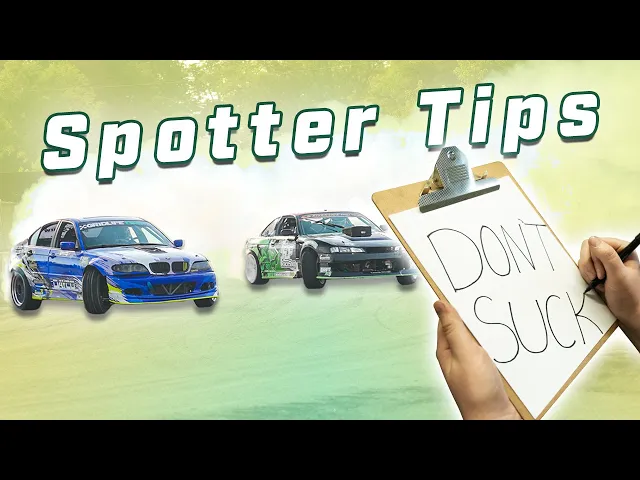
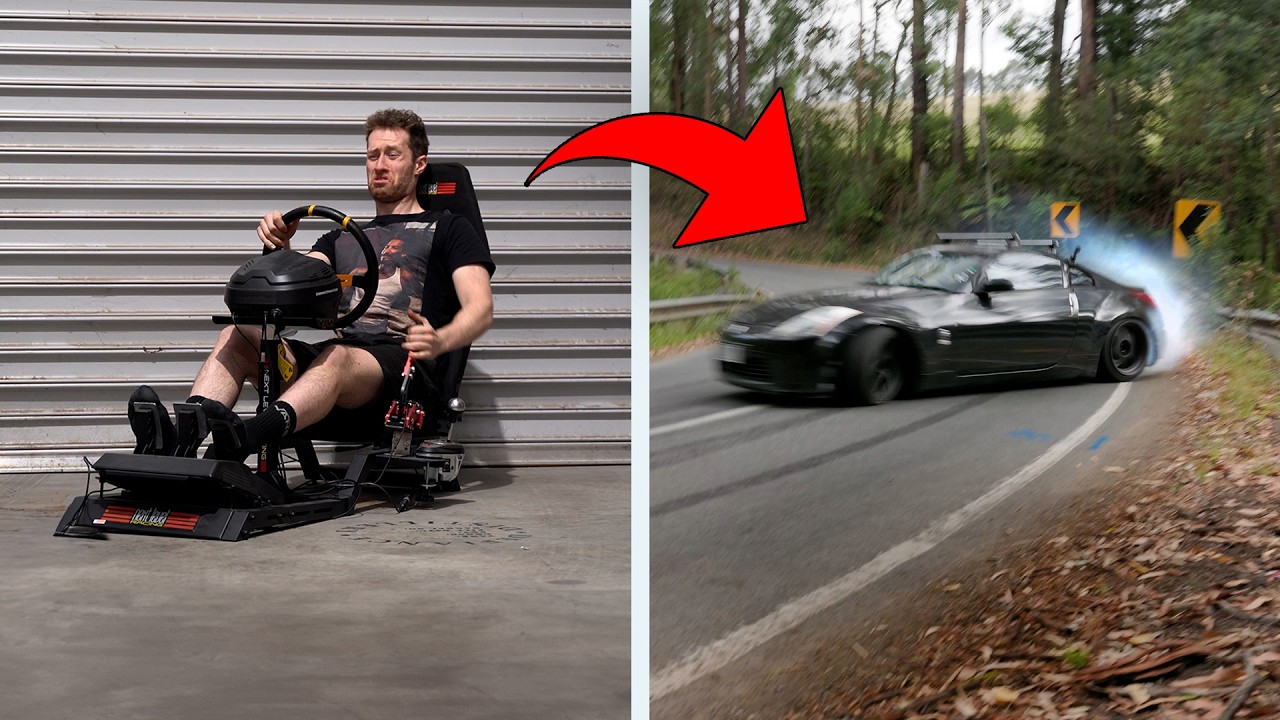
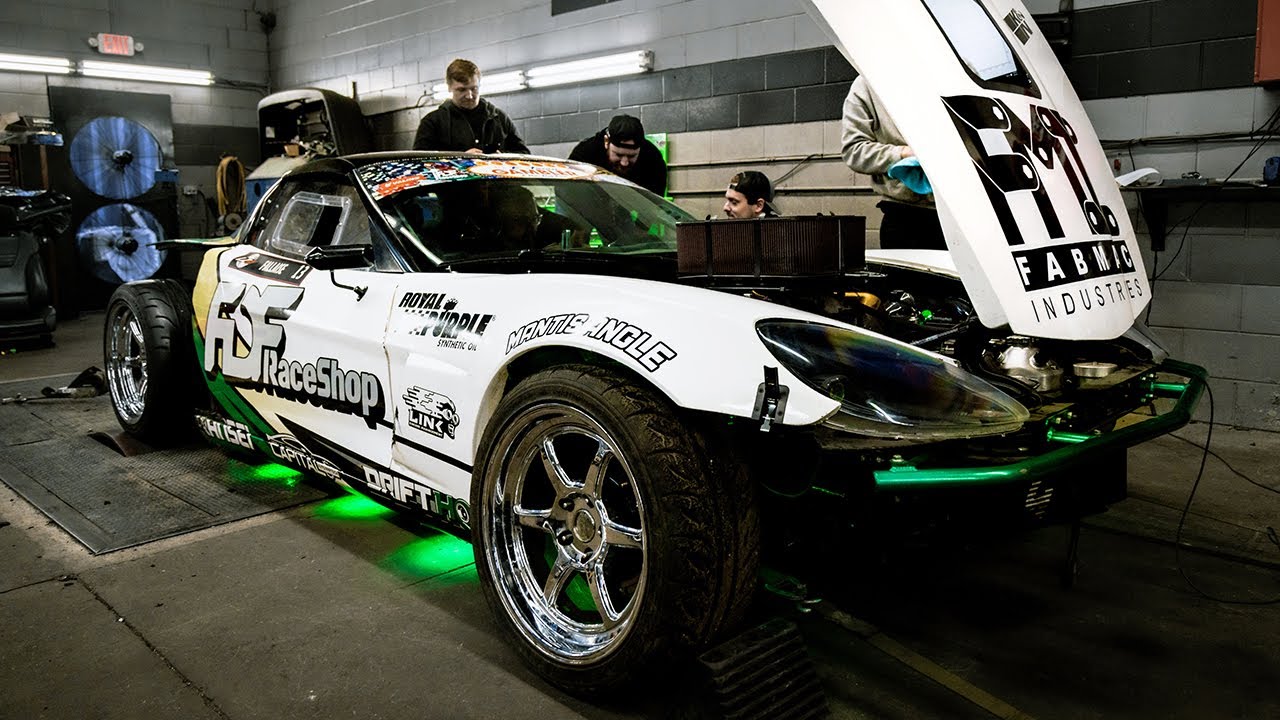
all right dude we're getting so slly this run you're going to want to keep it clean man he spun keep it clean over the line watch out for the fence post it's okay dude let's run it back again at FDF we spent years mastering our craft from precise welding and machining to competing at the highest level of drifting 1 2 every week we'll be giving you our tips tricks and all The Insider knowledge you need straight from our shop to your screen welcome to just a tip Tuesday okay hello everybody my name is Cameron I
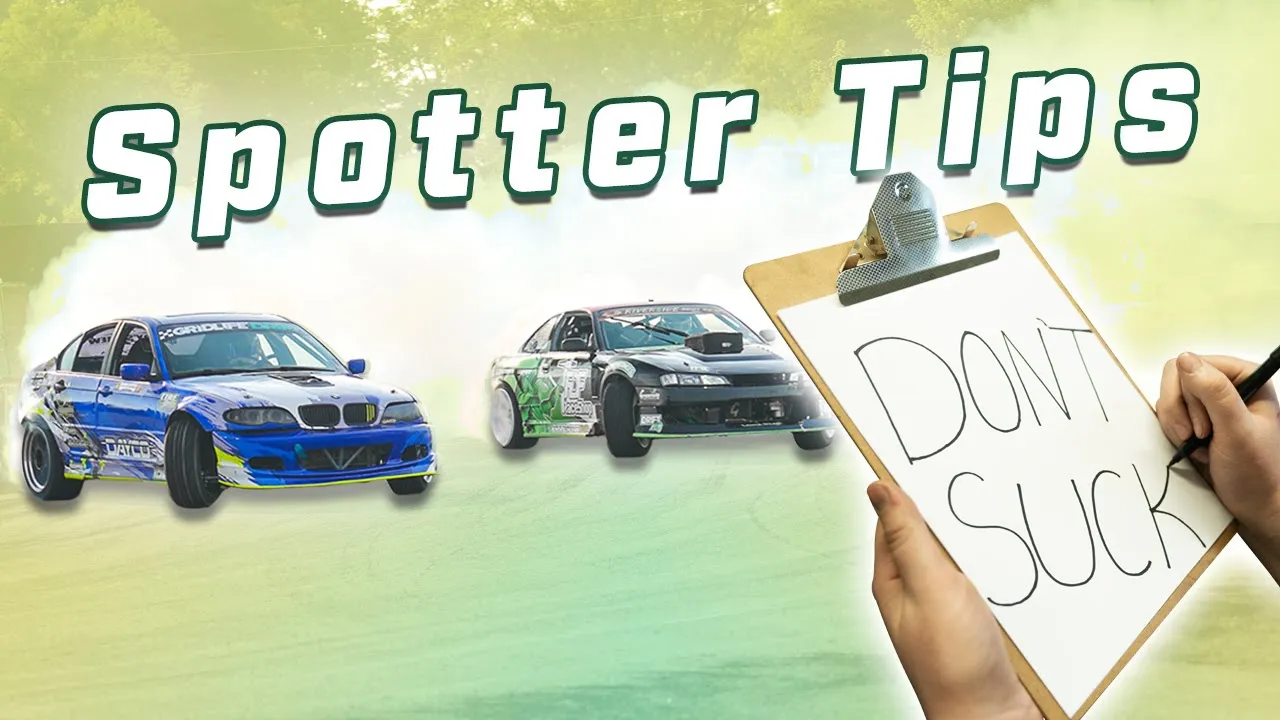
work here at FDF I've been here for almost 6 Years it'll be 6 years in July now I hold a few different hats here in the shop main one would be a welder uh me and Rain are the main welders here and then beyond that I do help out quite a bit with Josiah's race program uh I had run on a small program myself last year at Englishtown and basically the discussion that we're having today is on spotting what a spotter should look like what to comprehend about runs what the judges would be looking for
is is definitely going to be the biggest one so for me I've been drifting for about 5 years now just shy of that uh since I started here I I got my first 350 and started drifting so definitely the most important part of spotting is understanding the limitations of your driver and mostly your car because the driver can kind of be morphed into um whatever you need situations change based on track conditions the track layout a whole bunch of different factors but basically the one thing that can change is the driver and the one thing
that you can change to an extent is the car setup um but that's only going to give you so much and if the driver is not comfortable with the car setup then it's just not going to work at all so basically our discussion today is what to look for when you're spotting what a driver I mean me personally it's going to be different for every driver um me and Josiah have a pretty good system worked out as to what he wants to hear what I think that I need to tell him in order to get
him to do what I want him to do and there's a whole bunch of different things I mean in the car you can feel like you you know did a great lead run you say oh that was a mid90s run and then you watch the footage back and you realize you know you were a little uncommitted you were slightly outside of a Zone missed an inner clip there's so many different factors again depending from track to track that can really alter the course of what you feel like you did versus what you actually did in
a run and even more so when you're in a battle and you have that lead and Chase usually uh we qualify high enough that we will 80% of the time I would say we will be leading first which depending on who you are could be an advantage or a disadvantage I myself like to chase first and I find that kind of sets the pace for for the battle and what the other driver basically needs to come up to your level as opposed to doing your lead first say your Chase driver completely doed you the whole
way then you feel like you need to make up some ground whereas if you're the first Chase driver then you can kind of put the lead driver that you're battling against on the back of their seat they they feel like they need to come back and and maybe do a little extra that they don't necessarily need to um you just feel that way when you know that the chase driver did a really good job and your spot is in your ear telling you you know you got to Door them the whole way and and so
on and so forth so like I said me and jiah have a pretty good system I would say there's kind of three to four steps to getting set up before you even set foot on the track we like to do just a generalized layout of the track and then kind of discuss where the outside zones are the inside zones are what the judges are specifically looking for and that's a big thing for spotters in driver meetings you're almost having to pay more attention to what the judges are saying and the questions that are being asked
than the driver himself because again as the spotter you see everything from the outside inside the car is a whole different game you you know you feel like you might have done really good in a Zone and then you see the footage back and you go oh my goodness I I completely missed that or a whole bunch of different things so we like to set up a rough course map I can kind of do a I had a piece of paper there but I'll just do a quick rough drawing of English town not the road
course but we'll do uh we'll do the stadium course just to make it easy cuz it's just a nice simple figure eight so you leave your line come out odor on here bad drawing but so this would be a rough we have a whiteboard in the trailer so again you come out your start line you have your touch and go your outer zone your inner clip and then your outer zone again and basically all we're trying to do with that is identify where the car roughly needs to be during the run so it just gives
Josiah okay I have a touch and go on my first Corner a big outter Zone on my second and the things that we would be discussing is when you come out look for at English town the first corner is kind of an off camber it's hard to see the zone so we always talk about it by we say overc committing to the corner but in reality all you're doing is going further than what your brain thinks you should at tracks that we've run fairly often like English town like uh clutch kickers and and things like
that the layout in the trailer is not super super critical but again it's good to always have that same reference as a spotter your key points or your key roles are going to be throughout practice you're in the stands the entire time watching every driver and car just to see what they do everybody does something a little bit different on Entry everybody transitions a little bit different at the beginning you don't know who you're going against throughout the day so it's really a tossup and that goes throughout the whole event from practice right through you're
watching every battle and then if you do end up going against uh somebody that you've you know you have a lot of notes on you can say he's going to do a a mongy entry or a faint entry or he just goes straight in and handbrakes and that as a driver in the chase position can be the difference between being on him for the first odor zone or being 20 ft off of him for the first odor Zone and then having to play catchup for the rest of the Run basically if the driver feels lost
or feels feel like he doesn't know what this guy's going to do or where he should have been that immediately falls back on you as the spotter you need to have that information readily available um and you need to be able to explain it to the driver in a way that a driver would would comprehend the the general role of a spotter is take a whole bunch of notes and practice comp qualifying everything like that and then just have that information readily available for when the time comes during a battle so on and so forth
okay so we can go through and watch one of Josiah's runs this year uh Jack has a setup so this was at the road course this year in Englishtown um this is Josiah going against uh one of our good friends from FDF Grant Anderson um and they had a really good battle this year I believe Kyle was spotting for him at this point in the comp just because I was also competing um but I can kind of give you a rundown looking at it exactly what I would have been saying to Josiah so right there
tough to see I mean this is basically the view I'll just pause it right there this is basically the view that you have from the stands as a spotter um so you can see them come up and over the hill right when he gets to the end of that zone you basically can't see Grant whatsoever from the smoke Trail so it is difficult you're going to have to have live stream open basically just need as much information and as many different views as you can get on that run um to really break it down and
be technical about it and and give him the points that he needs to hear to make a decision on his Chase run whether he goes you know super crazy obviously if your Chase driver spins out behind you and all you need to do is is put a run together that's a whole different story so you can see Josiah filled that first ouer Zone really well coming up over the hill lots of smoke lots of throttle and put now when he transitions as soon as you can see his car switch to the other side Grant is
immediately he's already transitioned he's already pulling up on the door right so right there that's a point that Josiah as a when he goes to do his Chase he needs to be aware of that the judges like stuff like that they like the aggressiveness of a Chase driver they like the dive obviously nobody wants to see anybody get hit um but basically the the more aggressive you can be and the crazier the dive the closer you can get to the rear bumper all that stuff um the better it's going to be seen from a judge's
perspective so Grant did a great job in that second outer zone you can see a little bit of Separation maybe about a Half Car length coming through um from the second to the third outer there that is kind of a tricky part of the track you're you're kind of coming Full Throttle from Two and then it's an awkward spot from 2 to three um and you can kind of see that in Josiah's lead run how he's just on the inside lip of that third outer um it's just kind of an awkward layout and I mean
there is going to be a sacrifice somewhere in the track I think he was fing that pretty well for most of the day so that might have just been a an on the-fly decision whether he you know angled up a little too much coming out of two or or from one to two might Afflicted a bit too hard so yeah he's a little shallow on three but not bad at all I mean he's his wheels right on the line there of the inside of the The Zone which is about 2 feet wide 3T wide maybe
so not too bad again Grant's with him the entire way down the hill coming through three come through the inner and you can see Grant drops back a little bit and it looks like he just mistimed this transition Josiah throws a lot more angle than Grant in that spot and I think Grant was anticipating Josiah picking up a lot more speed than what he did there um so you can see Grant kind of shoot to the inside of the track as Josiah goes to the outside granted Josiah is doing what he's supposed to be doing
um you can see he's going into outer four and filling that entire Zone um and then you can also see Grant he almost transitions to where his back wheel is at Josiah's front wheel it might not be that exaggerated the camera angles tough to tell but you can see how much that messes Grant up in the chase right so he needs to then hit the brakes in order to avoid coming straight into the front corner of Josiah's car which gives Josiah the chance to kind of pull away from Grant a little bit you can see
basically from the inner clip through outer zone 4 and then up into five and Grant really hasn't been able to recover from that initial mistake coming in to outer zone 4 so again the the judges are going to see that and say you know what Grant had great proximity it was right on him through the whole first part of the track but coming into four into five as you come up and around the hill there you can see I mean he's probably got two cars on them maybe maybe one and a half Cars um so
Grant definitely doesn't have the same proximity that he had at the beginning of the run and I mean you can very clearly see it all stems just from this one Miss time transition uh coming through that inner clip into four Josiah had a great committed line there uh did exactly what he needed to do as a lead driver and again as a spotter you would sit there and say Hey listen uh Grant mistim the transition coming through inner clip if you can clean up where that inner clip is and dorum through four five and six
you're going to really increase your chances at doing better again Grant did a great job in the first half Josiah needs to be aware of that as a Chase driver so when he goes into the second half you need to tell him where Grant made his mistake but also give him info as to where Grant did a good job um because it could be the reverse I mean if Josiah doesn't Stick it to him on the first half they're going to say you know Josiah had a good second half but his first half was lacking
where Grant was the complete opposite which if the leads are the same then it could come down to a one more time or a split decision or whatever you it might be so again coming around the top of the hill kind of hard to see through the smoke jiah comes down hits that touch and go box right before the wall Corner really nicely uh you can see his wheel he's basically on the perfect line to hit the touch and go box and then come up into the wall um but again you can see Grant he's
there but he's just on a slightly different line than Josiah and it's forcing him to make these transitions happen when the car doesn't necess necessarily want to I mean he recovered well you can see Josiah's hits the touch and go box gets right up into the wall grants you know probably 6 feet maybe more Off the Wall um and he's just I think trying to cut line to to make up ground on Josiah um since that mistake coming through the inner clip so yeah that's basically how I would have spotted that run for Josiah so
I I had already mentioned earlier in the video about in practice and qualifying uh really paying attention to different drivers uh we like to time runs people practice on different tires and they compete in so as relevant as that is it it might not be depending on who you're you're watching and and trying to get info on but most drivers won't become a completely different driver throughout the day right it's really up to the spotter to give you that information as a driver the only thing that you're concerned about is your lead runs and then
when you get into battles just being on that that upper foot when it comes to the chase run but I would say don't give your driver 10 things in the first five runs to fix let him go out there let him do the first few runs on his own and then from there when he comes back in and says you know this is how I felt um and you can kind of just bounce ideas back and forth and say this is what I saw and then you know like for me and Josiah he'll be like
oh I felt like I was good here kind of missed this spot and then we'll just have a discussion on on whether I agree with him whether I think there's somewhere else that he should focus on and he's doing fine on the part that he thinks that he's struggling with and your driver needs to be willing to to accept and say you know what yeah you're right I am making that mistake there if you're not even finishing runs don't even talk to your spotter go on the inside of the track Don't Go Near The Walls
whatever you need to do get a run together and then from there start to work your way out there's no point in trying to run a 100 Point run and riding the car off in practice just to try and get a better run you know people win competitions running mid 80s runs because they're not pushing the envelope it really depends on the comp that you're in so in conclusion I would say to be a good spotter a good fundamental understanding of drifting in and of itself a good understanding of what the judges are going to
be looking for in a run and how heavily weighted each zone is you can have two odor zones one might be worth 20 points and one might be worth 15 so really just pay attention to that in your driver's meetings and listen to the judges like I said as as a spotter your job at the driver's meeting is to be all ears and then ask as many questions as you can if you feel like you don't understand something or you don't know what they want in a certain area in terms of watching Chase runs and
Lead runs I mean you're going to you're going to get used to seeing what works and what doesn't the more you spot so if you've never spotted before don't expect to go out there and and be the best of the best right off the Hop um there's going to be a big learning curve for you and there's going to be a big learning curve for your driver especially if he had a different spotter before that you know wasn't giving him a whole lot of information or different things like that so yeah uh that's my tips
for how to spot uh and my personal experience in spotting again I've spotted for Josiah for probably about 3 years now jobs are kind of changing as our race program develops uh and as things change like I said I was running my own program last year so I didn't get to spot for him as much but that's just kind of a a generalized spotting overview what we discuss what we like to look for feel free to ask us questions in the comments uh we'll try and get back to you and as always like this video
subscribe to our Channel and we'll have more tip Tuesdays coming up uh for a whole bunch of different stuff so leave your comment below let us know what else you want to hear about us from um and yeah thanks for watching