Imagine facing life's toughest challenges loss pain uncertainty and still finding a way to rise above it all not just surviving but thriving this isn't just about ancient history or forgotten philosophies it's about something that can change your life today I'm talking about stoicism a philosophy that has the power to transform your struggles into strengths and your fears into courage it's not a magic pill but a way of living that can help you navigate the chaos of modern life with grace and wisdom think about it in a world that's constantly trying to push you towards endless
desires and immediate gratifications what if I told you that the key to true happiness lies in embracing simplicity practicing gratitude and focusing on what's within your control this is not just another self help gimmick it's a time tested battle hardened philosophy that great leaders thinkers and even emperors have used to lead meaningful lives so if you've ever felt lost overwhelmed or just plain curious about how to live a good life stick around let's dive deep into the heart of stoicism and uncover the secrets to a fulfilling life secrets that Marcus Aurelius Seneca and Epictetus left
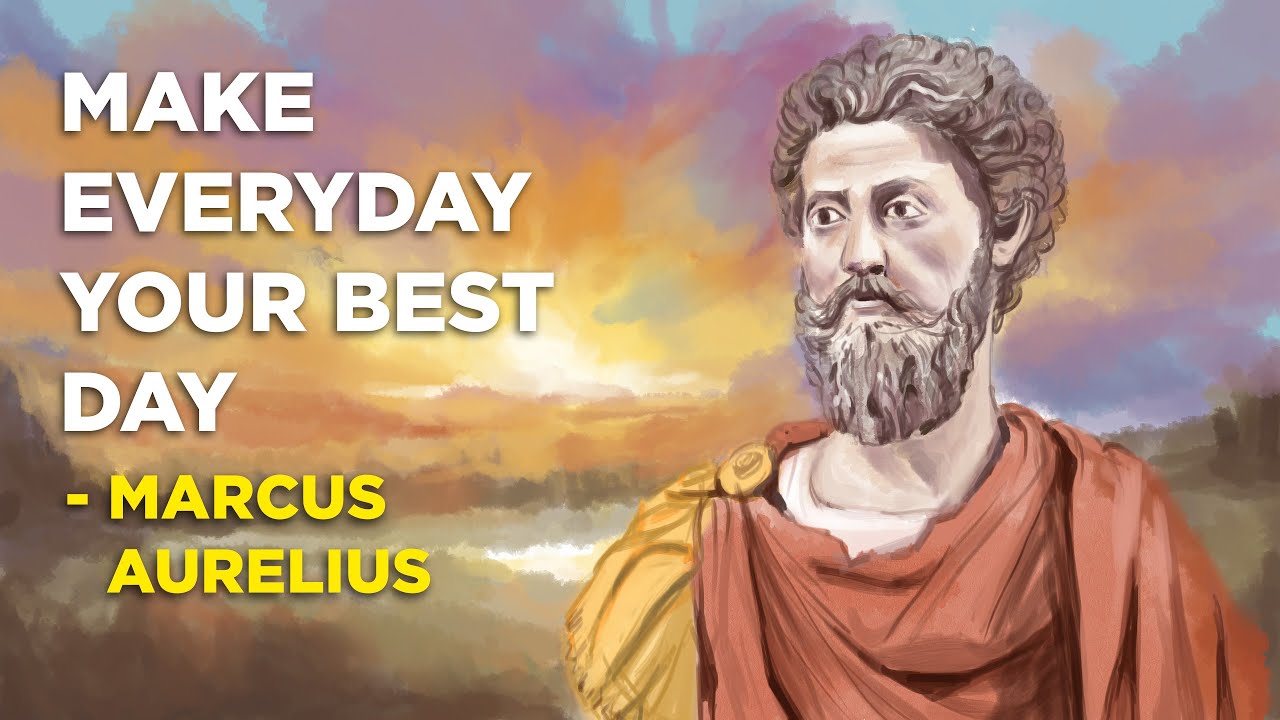
for us to find trust me this journey could be the turning point you've been searching for the only thing I ask of you is not to skip this video in any way if you're here consider yourself different from the majority consider yourself an exception now act like one and don't skip any part of the content in a world that often measures success by what you have rather than what you give Marcus Aurelia stands as a towering example of true leadership imagine being the most powerful man in the known world where every luxury every pleasure could
easily be yours without a second thought yet when faced with one of the most devastating crises of his time a pandemic that threatened to wipe out a significant portion of his empire Marcus chose a path that was radically different from what we might expect from someone of his stature instead of isolating himself in the comfort of his palace surrounded by wealth and luxury he took a step that was both bold and humbling he began to sell off his own possessions treasures that were not just valuable but also symbols of imperial power and divine status this
wasn't a mere gesture it was a lifeline thrown to a society struggling to survive a society that looked up to him not just for leadership but for compassion and hope this act of selflessness is a vivid illustration of stoicism in action stoicism a philosophy that teaches the virtues of wisdom courage justice and Temperance was not just a theoretical guide for Marcus it was a way of life by prioritizing the welfare of his people over his own comfort Marcus embodied the stoic ideal that true wealth is not found in personal possessions but in living a life
of virtue and service to others but Marcus Aurelius wasn't the only philosopher to espouse these values consider Aristotle who believed that the essence of true happiness lies in living a life of virtuous activity in accordance with reason he argued that real fulfillment comes from contributing to the community and living a life that transcends me a personal pleasure or material gain similarly Plato emphasized the importance of the philosopher king a ruler who guided by wisdom and justice puts the needs of the state and its citizens above his own desires when we put people first especially in
times of crisis we do more than just provide material support we offer hope solidarity and a sense of shared humanity this is the essence of leadership that Marcus Aurelius exemplifies a leadership not rooted in authority or fear but in empathy sacrifice and a profound commitment to the common good have you ever hit a wall feeling like every direction you turn leads nowhere? it's a common experience one that can leave us feeling frustrated hopeless and stuck but what if I told you that this feeling as universal as it is can be transformed into something positive this
is where the wisdom of Marcus Aurelius shines a light on a powerful truth when one door closes another opens Marcus Aurelius along with other stoic thinkers like Seneca and Epictetus taught that life is full of obstacles but these obstacles are not the end of the road instead they are opportunities for growth redirection and the discovery of new paths stoicism at its core is about understanding that we might not have control over the events that happened to us but we always have control over how we respond to those events this stoic principle is a game changer
because it challenges us to shift our perspective from seeing obstacles as dead ends to viewing them as redirections it's about embracing the idea that there's always another way another path that we can take this doesn't mean that the alternative path will be easy or straightforward sometimes it might require us to dig deep to be creative or to develop skills and strengths we didn't know we had let's consider the wisdom of other great minds in western philosophy and psychology Aristotle once said the aim of art is to represent not the outward appearance of things but their
inward significance this idea resonates with the stoic view of obstacles it's not the external obstacle that defines our experience but the significance we assign to it and the actions we take in response Socrates with his method of questioning reminds us to interrogate our own beliefs about the obstacles we face by questioning our assumptions we can uncover new paths and solutions that were hidden by our initial reactions and emotions this stoic lesson that another path is always open is about more than just overcoming difficulties it's about recognizing that life's challenges are an integral part of our
journey they shape us test us and ultimately lead us to our fullest potential it's a reminder that we are always a choice not in what happens to us but in how we respond to what happens in life it's easy to get caught up in the cycle of planning dreaming and contemplating our next big move we often find ourselves waiting for the perfect moment to start that project to make that change or to pursue that dream however Marcus Aurelius brings us back to a fundamental truth with profound simplicity knowing isn't enough we must act this isn't
just about having intentions or making plans it's about taking concrete steps towards realizing those plans procrastination is the enemy of progress this idea of taking action of moving step by step towards our goals is at the heart of stoicism the Stoics believed in living according to nature which includes embracing our nature as beings who can think plan and most importantly do Marcus Aurelius himself was not just a philosopher he was an emperor a ruler who had to make decisions and take actions that would affect millions his words come from a place of experience reminding us
that the path to fulfilling our potential is paved with actions not just thoughts but how do we overcome the inertia that holds us back how do we move from dreaming to doing the stoic discipline of action offers a guide start small but start today this principle is echoed in the teachings of other great philosophers and psychologists Aristotle famously said we are what we repeatedly do excellence then is not an act but a habit this speaks to the power of taking small consistent steps towards our goals it's not the grand gestures that define our character or
our lives but the small daily actions we take Plato through his dialogues taught us about the importance of aligning our actions with our values and ideals he believed that true knowledge leads to right action this aligns with the stoic emphasis on living according to virtue and reason by taking steps that are in harmony with our highest ideals we move closer to the good life that Plato envisioned taking it step by step as Marcus Aurelius advises is about embracing the journey of growth and self improvement with patience and persistence it's about recognizing that every big journey
does indeed begin with a single step whether it's improving our health writing a book or working towards a better world the key is to start and then to keep going one step at a time in the still moments of life when the hustle and bustle fade into the background we're often left with our thoughts feelings and for many of us our anxieties it's in these moments that Marcus Aurelius made a profound realization anxiety comes not from the world around us but from within this insight is not just a personal epiphany but a cornerstone of stoic
philosophy teaching us that true peace comes from within and that to a large extent anxiety is a choice stoicism encourages us to focus on what is within our control the Stoics believe that while we might not have power over external events we have control over our thoughts perceptions and reactions this perspective empowers us to discard unnecessary worries and to cultivate a state of inner peace regardless of external circumstances but how can we practically apply this teaching in our lives how do we discard anxiety and find true freedom first it's important to recognize that anxiety often
stems from our desire to control the uncontrollable from worrying about the future to stressing over how others perceive us Marcus Aurelius reminds us that these concerns lie outside our sphere of control and therefore should not occupy our minds or disturb our peace Plato emphasize the importance of knowing oneself suggesting that true knowledge leads to self mastery by understanding our thoughts and emotions we can identify the root causes of our anxiety and address them with reason and clarity Socrates champion the examined life arguing that unreflective living is not worth living by examining our anxieties we can
challenge their validity and transform our relationship with them the process of discarding anxiety as the Stoics teach involves a shift in perspective it requires us to let go of our attachment to things beyond our control and to focus instead on our responses this doesn't mean ignoring our emotions or denying our feelings but rather observing them with detachment and choosing not to let them dictate our peace starting the day on the right foot can set the tone for everything that follows Marcus Aurelius understood this deeply despite his immense responsibilities and the power he wielded Marcus committed
himself to routines that grounded him and prepared him for the day ahead he didn't wake up early out of necessity but out of a desire to start his day with purpose he used journaling not just as a means of reflection but as a tool to align his actions and thoughts with his values this disciplined approach to mornings wasn't about rigid schedules it was about ensuring that each day began with intentionality the principle of well begun is half done is a testament to the importance of starting our tasks our projects and indeed our days in a
manner that sets us up for success it's a principle that transcends time finding echoes in the wisdom of many other philosophers and psychologists throughout history Aristotle once highlighted the significance of habits in shaping our character and our lives he believed that excellence was not an act but a habit by beginning our day with routines that reflect our commitment to excellence we cultivate the habits that lead to a virtuous and fulfilling life it's not the grand gestures that define us but the small consistent actions we take everyday Plato taught us about the world of forms where
the ideal version of everything exists while we might not reach that ideal the act of striving towards it is what brings out the best in us starting our day with a clear intention is akin to orienting ourselves towards our own ideal form striving each day to be the best version of ourselves by embracing the day with intention we take control of our lives we set a positive tone that influences everything we do we remind ourselves of what's truly important and ensure that our actions throughout the day reflect our highest priorities and values navigating the journey
of self improvement and personal growth requires a delicate balance between compassion for others and discipline for oneself this balance is beautifully encapsulated in the teachings of Marcus Aurelius who emphasized the importance of being lenient with others while being strict with oneself this stoic principle underscores the essence of self discipline urging us to take responsibility for our actions thoughts and growth without projecting our expectations onto others the path to self discipline is undeniably a solo journey it's a personal commitment to uphold the higher standards for ourselves to relentlessly pursue self control and to continuously strive for
self improvement this isn't about setting unrealistic expectations or being harsh and unforgiving towards ourselves rather it's about recognizing our potential for growth and making a conscious effort to move closer to our ideal selves everyday Marcus Aurelius practiced what he preached his reflections documented in his meditations reveal a man deeply committed to self examination virtue and the pursuit of wisdom he understood that true progress comes from within and that we have the power to cultivate peace virtue and resilience through discipline thought and action this stoic ethos of self discipline is echoed in the teachings of other
great philosophers and psychologists Aristotle spoke of virtue as a mean between two extremes achieved through habituation he believed that by consistently choosing the virtuous path we could develop a character marked by excellence applying this to self discipline it's about finding the balance between excess and deficiency pushing ourselves to grow while also being mindful of our limits being strict with oneself as advocated by Marcus Aurelius is not about punishment or deprivation it's about holding ourselves to a higher standard recognizing our capacity for improvement and taking the necessary steps to actualize our potential it's about making choices
that align with our deepest values even when they require sacrifice or effort at the same time Marcus's advice to be lenient with others reminds us of the importance of empathy understanding and compassion it acknowledges that everyone is on their own journey facing their own challenges and learning their own lessons by focusing on our growth without imposing our standards on others we cultivate not only self discipline but also kindness and respect for the diverse paths that people take in the intricate tapestry of human relationships encountering difficult people is inevitable it's a universal challenge that can test
our patience disrupt our peace and sometimes provoke resentment however Marcus Aurelius offers a transformative perspective on this challenge he didn't see difficult people as mere obstacles but as opportunities to cultivate and practice stoic virtues such as patience kindness and understanding this approach isn't just about managing external relationships it's about an internal journey towards personal growth and self mastery stoicism teaches us that our reactions to external events including our interactions with others are within our control Marcus Aurelius emphasized that the actions of others should not disturb our inner peace or dictate our emotional state instead encountering
difficult people should be viewed as a chance to strengthen our character to practice the virtues that stoicism holds dear and to rise above petty grievances or annoyances this doesn't mean condoning negative behaviour or allowing ourselves to be mistreated it means choosing a response that aligns with our values and our commitment to personal excellence Karl Jung introduced the concept of the shadow self suggesting that the traits we dislike in others often reflect parts of ourselves that we haven't fully accepted by recognizing this projection we can turn encounters with difficult people into moments of self reflection and
growth learning to embrace the full spectrum of our humanity Marcus Aurelius's approach to not resenting people but rather seeing them as opportunities to practice stoic virtues invites us to elevate our interactions and our responses to challenging situations it encourages us to rise above the immediate impulse of resentment to cultivate a deeper sense of patience kindness and understanding this path not only leads to more harmonious relationships but also to a richer more virtuous life in our fast paced modern world bombarded by endless tasks notifications and demands on our attention the question posed by Marcus Aurelius is
this essential becomes not just relevant but vital this question invites us to pause reflect and discern the essential from the non essential guiding us toward a life of purpose and meaning Marcus championed the idea of focusing on what truly matters advocating for a life not LED by the chaos of external demands but by the clarity of internal values this stoic principle of prioritization and concentration on the essential is a powerful tool for navigating the complexities of contemporary life the wisdom of focusing on the essential is echoed across the ages by other great minds in western
philosophy and psychology Aristotle spoke of the golden mean the desirable middle between two extremes one of excess and the other of deficiency applying this concept to our daily choices and commitments we find balance by pursuing activities that are essential for our fulfillment and well being avoiding the extremes of over commitment and apathy Plato emphasized the pursuit of the good the true and the beautiful ideals that should guide our actions and choices by asking if something is essential we align our lives with these higher ideals ensuring that our actions contribute to our ultimate goals of wisdom
virtue and beauty Carl Jung delving into the depths of the human psyche highlighted the process of individualation becoming who we truly are by concentrating on what is essential we peel away the layers of societal expectations and superficial desires getting closer to our authentic selves and the unique path each of us is meant to walk Amar Fati the love of one's fate is a call to embrace everything that life throws our way the good and the bad with acceptance and enthusiasm instead of resisting or lamenting the challenges we face Amor Fati teaches us to love them
to see them as necessary parts of our journey Marcus Aurelius who faced numerous adversities during his reign embodied this principle by accepting and making the best of his circumstances no matter how dire this stoic mantra echoes the wisdom of other philosophers like Aristotle who taught that virtue and happiness are found in the acceptance and excellent pursuit of one's life's conditions not in the conditions themselves the Stoics believe that as social beings our well being is inextricably linked to the well being of our community focusing on contributing to the common good is about recognizing our interconnectedness
and our responsibility to each other it's a call to live ethically to contribute positively to society and to consider the impact of our actions on others Plato's vision of an ideal society where each individual plays their part for the greater good reflects this stoic value it reminds us that true fulfillment comes not from self centred pursuits but from our contributions to the lives of others perhaps one of the most powerful stoic reminders is memento Mori the practice of reflecting on our mortality far from being morbid this mantra is a powerful motivator to live our lives
fully to prioritize what truly matters and to let go of trivial concerns Marcus Aurelius and indeed all Stoics saw the awareness of death as a tool to cherish life and to make the most of the present moment this perspective is shared by Socrates who saw an unexamined life as not worth living implying that a life lived without awareness of its fineitude misses its depth and meaning integrating these stoic mantras into our lives invites us to live with greater purpose resilience and joy a more fatty encourages us to accept and find value in everything that happens
to us transforming challenges into opportunities for growth the focus on contributing to the common good extends our pursuit of happiness beyond our personal needs enriching our lives through the well being of others memento Mori serves as a poignant reminder to focus on the essential to love deeply act kindly and live meaningfully aware that our time is finite remember the journey through life is rich with challenges and beauty and it's how we navigate this journey that defines our existence let's not just exist but truly live embracing the wisdom of the past to create a present filled
with meaning and a future brimming with possibility if this message has touched your spirit I encourage you to explore further watch the suggested videos on the screen to continue your journey into wisdom resilience and fulfillment together let's tread the path of virtue guided by the timeless light of stoic wisdom thank you for being a part of Stoic Journal and until next time keep cultivating your inner fortress