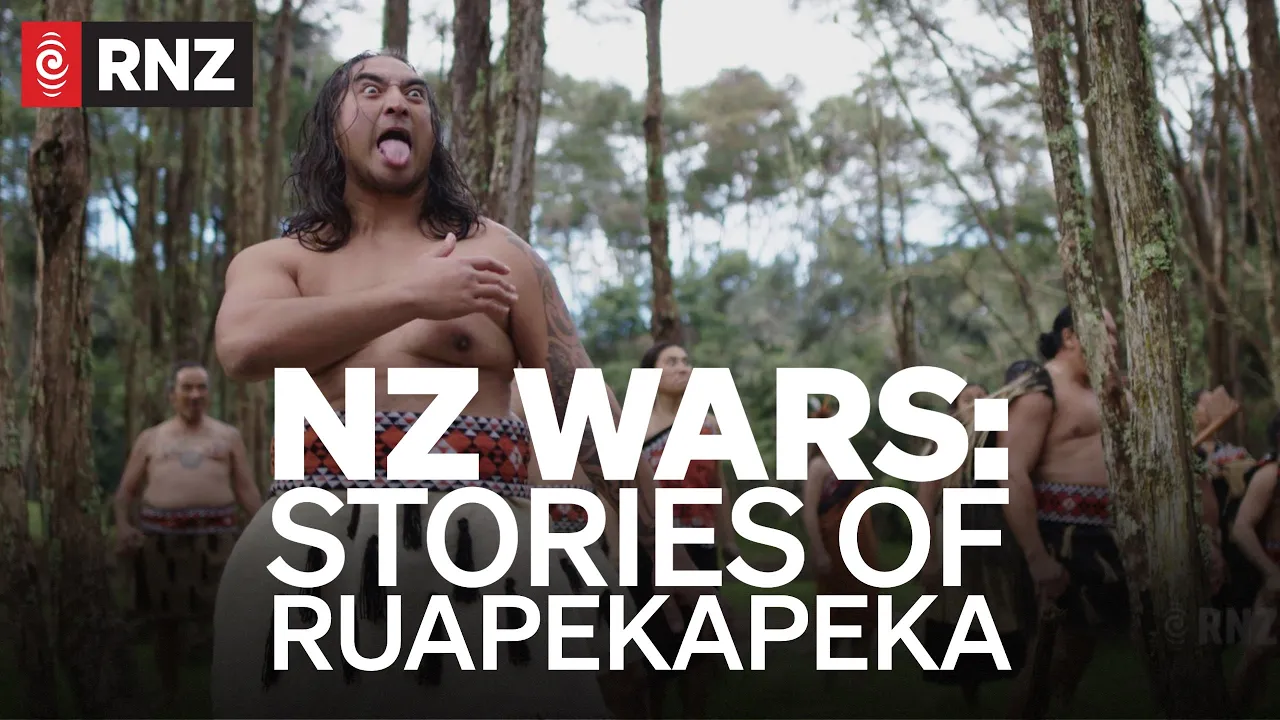
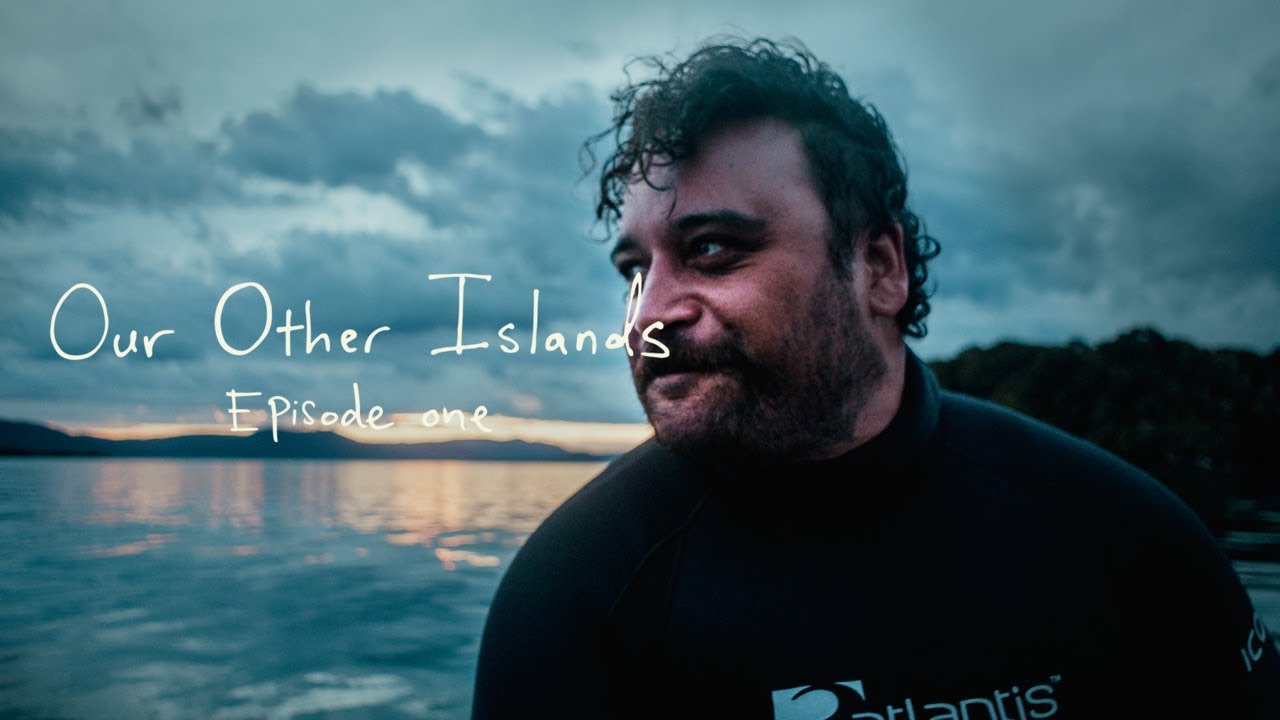
uh [Music] [Music] [Applause] [Music] [Applause] [Music] foreign [Applause] [Music] these unusual markings on a remote northland hillside have got quite a story to tell go back over 170 years and you would have seen one of the most incredible structures built anywhere anytime in new zealand's thousand-year history kyota mahingarangi forbes join us for the stories of ruapekapika [Music] so [Music] in december 1845 just five years after the signing of the treaty of waitangi the relationship between maori and the british government had turned sour with war breaking out more than a thousand british army and navy troops
struggled through bush for two weeks in appalling weather to attack a par in the middle of nowhere [Music] the world's biggest are about to take aim at one of the most sophisticated military installations they've ever tackled anywhere in the [Music] world strategically built inland by hand 30 kilometers south of waitangi this is a bats nest a construction that was 10 months in the making a fortress that would shelter its people from the enemy ngapuhicis and honey have been fighting the british forces in a series of battles allowing kawati's strategic masterpiece ruapekapika to be built as
a trap for the british colonel despad who was commanding the british forces bombarded the par for 10 days while the inhabitants stayed safe and purpose-built bomb shelters [Music] one of the guardians of the stories of rua pikapeka is peni henare from ngatihine whose whakapapa links him to both maori and british sides of the conflict it is a pretty tough question but what do you think the legacy of rua pekapeka is it's one of pain sorrow determination pain because of what our tupuna endured here sorry because of that enduring loss post the battle of dua pekka
pika but it's inspirational it's a legacy it's something that shines as a beacon of hope for our people despite its tragic past it continues to remind us of our determination and what i think we can aspire to which is what kawiti said which was in his lament after the battle to understand what happened at ruapekapeka we need to understand the events that happened in the north after the signing of the treaty [Music] so i've come to meet historian dr vincent o'malley who specialises in the new zealand walls an overarching theme of all of the new
zealand wars is these two competing ideas of what the treaty was about on the one hand you have the crown's idea which is based on article one of the english translation of the treaty that the crown has full sovereignty over new zealand after 1840 and that's the expectation on the other hand article two of techtivity where maori are guaranteed to tina rangatiratanga over their own affairs and so there's a kind of a clash of these visions on the one hand mighty expectations of partnership on the other hand crown assumptions of unbridled sovereignty [Music] tensions began
to really ramp up here in the bay of islands immediately after the signing and that's because the new government changed the rules maori were no longer able to charge anchorage fees they couldn't even mill their own kodi and for maori it was the beginning of an economic decline that's still being felt to this very day [Music] the breakdown of trust between maori and pakia settlers resulted in the famous story where young ngapuhi chief honey protested against british rule by chopping down the flagpole at kororarika four times on the fourth time his fellow chief kawiti created
a diversion in the town by attacking soldiers from the local garrison so vincent what happened here so 1845 it must have been pretty full on bullet holes in this and this church here yeah so here we see some bullet holes from engagement that took place here while hanaheke was attacking the flagstaff at the northern end of town kawati was sent to create a diversion hoping to draw the troops out from the flagstaff because after the third attack on the flagstaff in january 1845 they built a garrison and a blockhouse around it encased the flagstaff in
steel and put a hundred pound reward out for hanaheke um and so kawawiti is uh comes down to this end of town and they come across a party of 40 british troops and some fierce fire fighting takes place and you can see some of the results of this here [Applause] so there were 20 british killed and another 23 injured the figures from maori are a bit less reliable but i think the best estimate is 13 killed and 28 wounded so you know fairly significant casualties all around for an engagement whose main objective was simply to
fail the flagstaff oh wow so lovell is one of the six who've passed away defending kuru rarika i'm a lovell smith and my grandmother is love will love smith as the fighting broke out in the small town understandably locals were terrified and they began to be evacuated by boats out in the bay this was the tinderbox that ignited the northern walls and soon after this kawati would show the british his remarkable strategic military brilliance at the battle of war highway he was a short man a wiry he's a veteran who'd served in well over a
dozen campaigns right across the country we know that he commanded a presence wherever he went the missionaries described him as somebody who was no muck around kind of a person in fact when asked at the time of the signing of the treaty of waitangi whether or not he should go and consult with his people he simply turned around and said i'm the rangatira i tell them what to do lieutenant colonel despot what kind of leader was he can you describe him well this bard when he arrives in new zealand is about 60 years old and
he hasn't seen active service for about 30 years and he's a very obstinate person and he's also very contemptuous of maori and shortly before his first action at a highway tamati wakaneni comes to see him and to offer his services and those of his people and disbarred replies if i want assistance from savages i'll let them know and the translator is so concerned by this that he refuses to tell nene this because he knows that he'll probably just storm off greatly offended by this and later on at a higher y when disbarred makes it clear
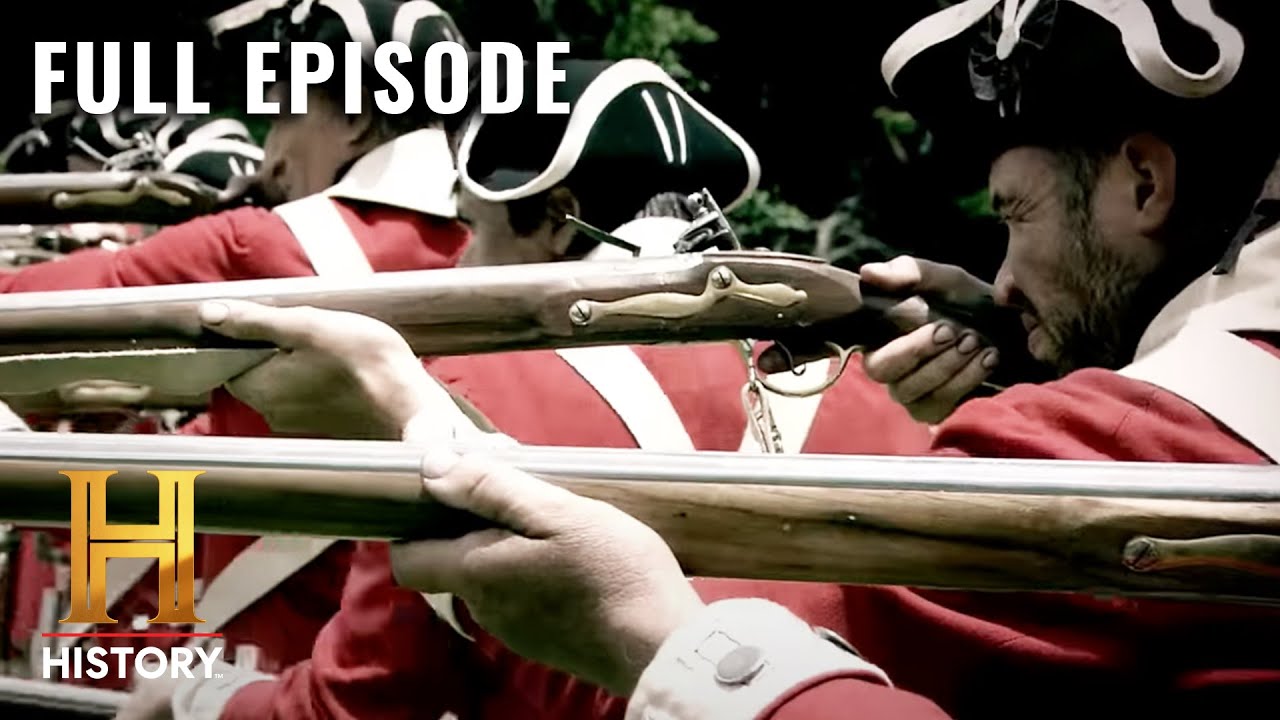
that he's going to storm the power tamati wakandani says he tangata kuwaiti tender and disbarred again asked his translator what what did the native say and the translator at first refuses to tell him and he's ordered to eventually and he says you're a very stupid person sir [Music] two hundred and fifty of death squads this man ran up this hill and when they got 20 metres from the park they were met with devastating fire by kawasi's men and within minutes the place was littered with red coats 40 dead 70 wounded it was a massacre [Music]
colonel despade relied heavily on a sense of military superiority as tactics involved confidently walking towards ohio path to [Applause] is kawati had designed a system of earthworks that was nearly impregnable to the brits or hayaway was a prototype version of ruapekapeka which was to be the ultimate expression of defiance today a church stands on the site of ohio waipa a memorial honoring soldiers marks the mass grave where their dead now rest including lieutenant george toby phil potts hey um foreign [Applause] oh [Applause] wow [Applause] [Music] [Applause] [Music] given that kawate's men were so heavily outnumbered
not bad for a bunch of people that despard described as savages [Music] but if they thought it was tough here it was only going to get tougher because 30 kilometers down the road leirua pekapeka what about the name where'd that come from is the bat's nest and we call it the ruapeka pekka simply because of the kinds of underground network that they had here where people were underground in darkness just like a batter's and we know bats aren't on their own they're usually in groups so dua pika pika the bats nest i think it stands
as a temple if you like of what warfare really was for our people back then and how brilliant kawiti was as a tactician [Music] while kawate kept building his fortress at rueapekapeka the british forces under colonel despad waited for reinforcements from sydney eventually the british were ready for another fight they travelled by boat as far as they could then began the two-week trek inland through dense bush it was december and the weather was atrocious this is still the pre-reformed british army and it's pretty appalling the pay is terrible the food and the housing conditions are
terrible alcoholism is right and the officers still buy their commission so they're not appointed on the basis of merit people who witness floggings of british troops some are left in tears are just distraught at what they've witnessed so the british army is really quite a barbaric institution at this time [Music] is a master carver whose whanau comes from whangaruru and is from a long line of tohunga his ancestors were also at rueapekapeka what would have been the preparation a wairua for the warriors going into battle my auntie had a real gentle way of of relaying
the story to me of how her great-grandfather prepared his warriors for battle and she said and it was exactly as you say it wasn't preparing the tindana they were all really young and strong but the whole three day wananga was preparing them mentally for the task ahead of them and which means that the wana would have covered several topics of importance in regards to the coming battle reasons why and all of that sort of thing but [Music] the physical wasn't the focus it was [Music] why do you think this location was this specific was it
chosen uh he most definitely chose it and let me show you why okay um so from most vantage points even low into the trenches like this place so from here and other places in the park you can still see a clear line of sight to hokianga and also to rako mangamanga to the east and the purpose of that was to unify the people of the north against the force like this you can call on people if you needed there's an old saying [Music] gosh i hadn't realized how close quarter the combat actually had been if
you cast your eye half a k over there and see the green that's where the military set up the artillery and the rockets and just past that on the brown hill was where their camp was and for a whole week they bombarded this place the british plan was simple from the enemy into submission this went on for 10 days without the loss of a single maori life how was this possible so this is a hut right or a trench this would have been probably more hut we would have it would have possibly have had a
house over it we know that there the outer palisades were um a combination of bush and probably something just as deep likely to have been deeper and it's fallen in a wee bit and so you would have been sleeping down here and hiding out yeah that's right and we know this is probably more likely to be hut given its connectivity to the others uh whereas the outer palisade was simply that straight palisades the ruapekapeka palisades were designed to stop cannonballs and provide shelter for sharpshooters who could pick off advancing british troops the double wall design
with flex reinforcing provided extra resilience from the trenches below warriors could safely hide from enemy gunfire and change positions around the perimeter of the par while covering any lines of approach it would have been sort of your traditional palisade park but probably on steroids uh before we know that things like this would never withstand the kind of artillery that was here at lua pikapika what kind of size so we're talking tree size we're talking three or four people in diameter as a whole palisade [Music] underneath the shelters kawati had bunkers dug out so those inside
the park could wait out the bombardment and relative safety people could move from bunker to bunker and exit parts of the park through an intricate tunnel system [Music] absolutely terrifying to have 30 tonnes of artillery rain down upon you for 10 days what must the funangatanga been like amongst the people from one particular account from an irishman who was on the other side of the park now they could hear haka and wayata raining out during the night and in the morning to keep them going to keep them focused motivation lament perhaps scared mokemuke so i'm
really interested in the role of wahine and war were there women here at rua pekope yeah we understand that they were wahine here probably not to the extent that we had seen during the battles of 1822 onward but here at pikapika we know that it wasn't just soldiers who built this park there was an entire village in wahine and when i say wahine i use it in a very broad sense because we know that kuya were involved because of their ability to be matakite and heel and karakia while also having young wahine kotiro really who
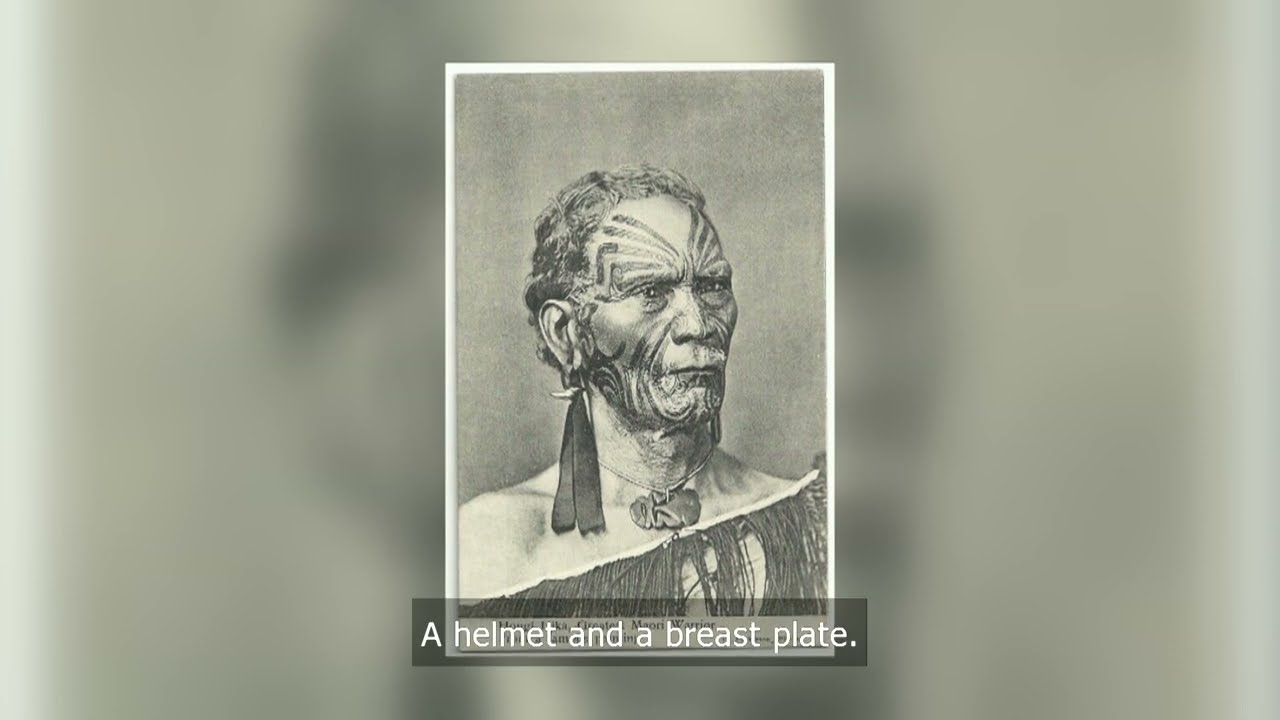
were there involved actively in the front line [Music] their role was to finish off some of the wounded finish off the wounded but perhaps one spin on it is it's the ultimate insult to be killed by away [Music] one of the famous wahinito to emerge from the battle of ruapeka pika is the hiki tene in this photo from the early 1900s she's almost 70 years old but at ruapekapeka as a young girl she was already on her way to becoming a legendary warrior we estimate she would have been approximately 10 or 12 at the time
of the battle of rue pekka pika and she recalls to her udi as she got older playing a role here and that role was to rush out before malta's exploded and try and defuse it by simply pulling the wick out it's like something out of a movie you know running out there before the wick gets to the bomb and pulling it out you could imagine there would have been a pretty high casualty rate if they didn't get it right ammunition of any sort was scarce for maori the recovered gun powder was put to good use
for the musket tell me about this twelve-year-old phenomena of yours what was his name in the arm and which war was he involved and what was his role loading the guns [Music] he was 10 years old [Music] was it him alone there's a few we know that he was there because we are connected [Music] their role was to receive the empty muskets from the warriors load them and then pass them back up that's a huge drop for 10 year old come to think of it those ramones are quite long they have to pump that down
they got to make sure they have the right shot in there so they don't blow themselves up and then the wadding on top of that and then the ball and gosh they could shoot themselves trying to pass it up even but you know that's the mahi that those kids did [Music] the bombardment was constant you can only imagine what it was like for the people here with the impact and the noise and then finally the british stormed through a pekka pika and it said the only man left here was kawati himself the rest had fled
through the tunnels and the trenches and they were at the back of the park one of the stories says that the people were at prayer not expecting the british to attack on a sunday when the attacks started the warriors went back into the path to defend kawati and the women and children escaped into the bush and so when they finally entered the park what would they have found uh it would have been rather confusing given uh it would have looked deserted uh there were a few warriors simply to hold off the onslaught or hold off
the oncoming raid to allow others to escape they were also dead yes they found some uh who had died throughout the battle but for the most part it was pretty much deserted [Music] they found a prayer book too they did find a prayer book and that prayer book now is a tonga to us to come back to us though because when they found it they claimed it for themselves too finding this prayer book does it say to you that the people in the pub were christian most definitely we know that many of our tupuna around
that time started actually changing their names and were becoming more and more influenced by the christian ways and so it's no surprise that they found that and that we were considered religious people once cleared british engineers made sketches of kawatu's military masterpiece finally getting an up-close look at the fortress they were unable to crack soon after they burnt it to the ground in the immediate aftermath of repeka pekka grey proclaims it as a brilliant success and so he speaks up victory but almost acts as if he's been defeated by contrast hanaheke and kawaiti remain at
large if anything their their mana in their standing has only increased as a result of what's happened there are no land confiscations um the the british haven't really extended their authority over maori in the district and i think the crucial thing and the telling thing is that the flagstaff on mikey hill remains down and it's only re-erected again in 1858 not by the crown but by napoli themselves and the person who's instrumental in that is kawati's son mahi paraoni kawati and so they raised the flagstaff not as a symbol of their subjection to british authority
or british sovereignty but as a token of reconciliation and as a as an invitation for the crown to re-engage with them in a mutually beneficial partnership and relationship because the damage and the destruction that's done to the local economy is something that napoli never really recover from in 2017 what are the effects of that campaign against your people poverty hit our region poverty that hadn't been experienced given the boom times and the bad islands so it's had very much a negative impact on our people after the battle of rua pika pika but this place still
stands as a beacon of our success despite um some historians saying we lost the war or we won the war this place is here today as a memory and as a beacon of what our tupuna believed in and what we stood up [Music] against you know what i've seen and heard while making this documentary is that history here in the north is very much alive 170 years after the walls the north has never really recovered not for maori anyway the grief the mummy the loss and the poverty is just skin deep it's so close to
the surface and i could feel it when i met maori historian arapita hamilton what do you think has been the legacy of the northern wars on the northern people if a naked maori is standing at your door will you give him a blanket in food and then he concludes it's easy for you to say i'm your friend and sure enough this generation we are dispossessed of our lands our resources and we stand naked before the government with very little land and with very little resources defend [Music] [Music] [Music] [Music] [Music] um [Music] um [Music] [Music]
you



![[PG] NZ Wars: Stories of Wairau | Documentary | RNZ](https://img.youtube.com/vi/xS5NddAkUgs/maxresdefault.jpg)