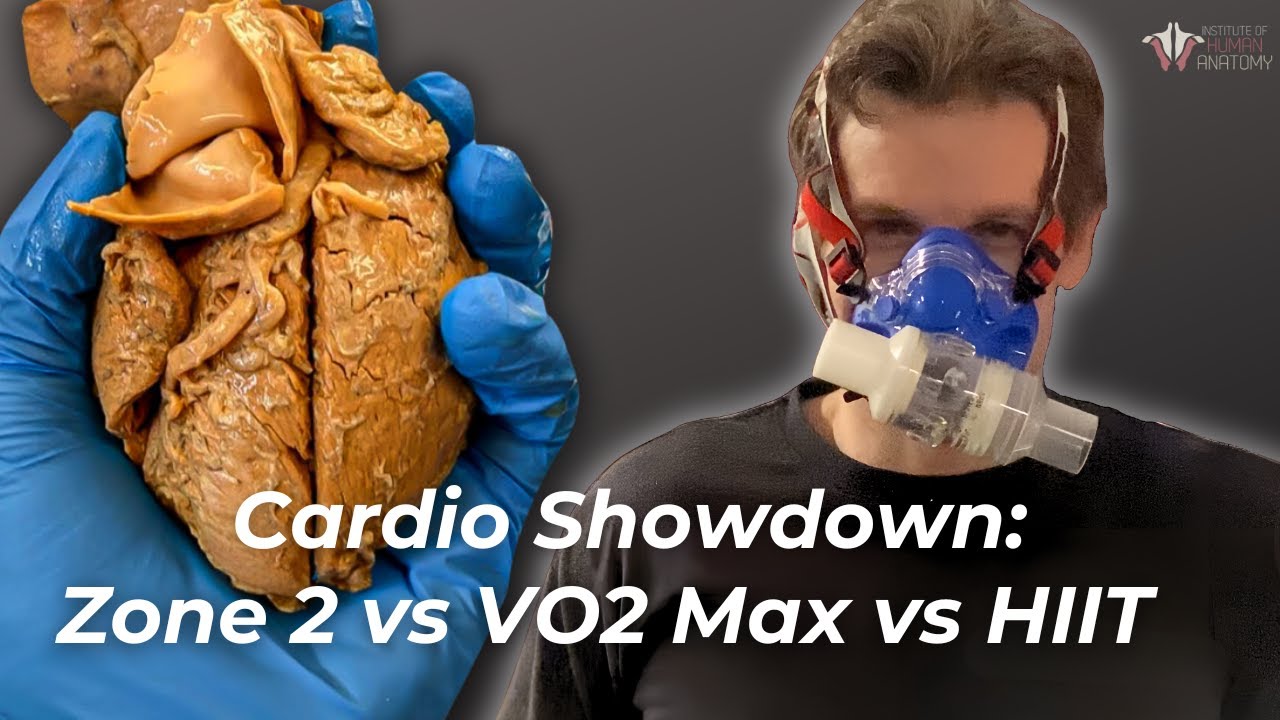
um so with high intensity interval training uh hit there's I've heard you talk about and you've published research uh you've wrote written about it in a popular book the health benefits of high-intensity interval training on V2 Max which um I'm sure you're going to talk all about but um recently there's been a very another form um that's become very popular of training for improving B BO2 Max which is Zone 2 training as defined by a lower intensity sort of lactate threshold training however that type of training does require a pretty big time commitment I mean
anywhere between 3 to six hours a week so can someone achieve similar improvements or really good improvements in V2 Max from doing let's say 20 to 25 minutes of high-intensity interval training three to four times a week and if so you know what are we leaving anything on the table if you know we're not doing that long duration sort of zone two type of training yeah so in short I I think you can do more vigorous or high-intensity exercise for shorter periods of time and at least see similar improvements in V2 Max so for the
individual who is time pressed I I don't there think there's a need to do three to four hours of what I understand to be zone two training uh weekly in order to maximize improvements in V2 Max in in fact there's evidence that would suggests that more vigorous intensity exercise higher intensity exercise can uh potentiator lead to Greater improvements in in V2 Max or eliminate what's known as non-response so some people engage in training and it's very frustrating because their V2 Max doesn't change at all uh and and there's various reasons for that that we can
talk about but uh for example some evidence has shown that moderate intensity continuous exercise even for 6 months or so uh doing guideline based based evidence uh roughly 40% of people don't see a measurable Improvement in their V2 Max now some of that non response was eliminated in a group that was doing the same total amount of exercise but engaging in a in a more vigorous manner so that would seem to argue against uh Zone 2 uh somewhat but I I think you know there's all all roads lead to Rome you know there's many different
strategies that you can engage in successfully and I think a big thing is what do you like right do you like and enjoy vigorous intermittent type exercise then maybe it's for you if you prefer continuous uh lower intensity moderate exercise training and that's just what you like and you absolutely hate intervals that's okay too can you um talk about what V2 Max is we hear a lot about it and why it's important for health longevity and maybe why athletes would be interested in it as well sure so so V2 Max is the maximum rate of
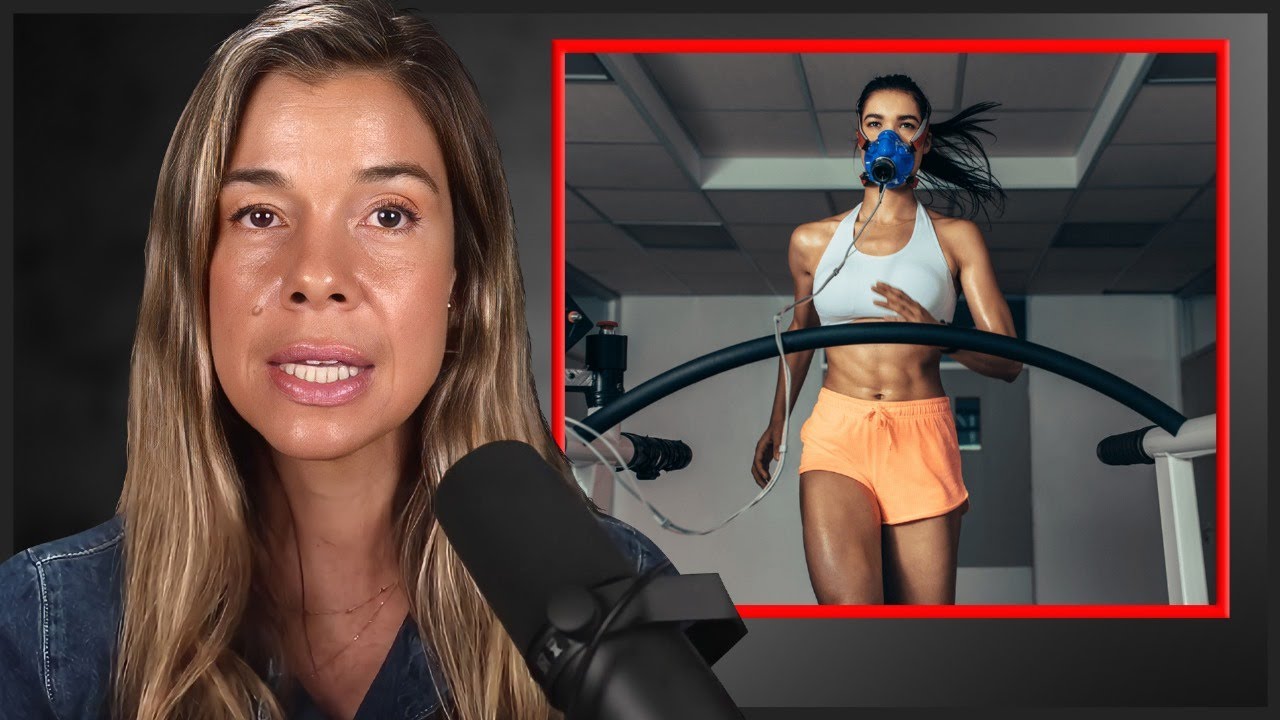
oxygen uptake by the the body it's typically measured during an incremental exercise test so you get up to very high work rates and that's where you'll see your highest rate of oxygen uptake it's determined by many physiological factors and processes but it reflects the peak integrated capacity of the cardiovascular the respiratory the blood the skeletal muscle system to take up and utilize oxygen it's clearly important for athletes it sort of sets the ceiling you know and a challenge for athletes in many events is how close to the ceiling can you work for a defined period
of time and so you know the higher the oxygen uptake the better it's also the the the the clinical correlate of V2 Max is cardiorespiratory Fitness so V2 Max is the best objective measure of cardiorespiratory Fitness and why Fitness is so important epidemiological studies show having a higher cardiorespiratory Fitness is associated with a reduction in all cause mortality dying from all causes as well as developing many different chronic diseases cardiovascular disease type two diabetes so bottom line is having a higher Fitness is better it protects you it reduces your risk of dying and develop diseases
and the best way to measure that is through a V2 Max test so you mentioned these these epidemiological studies these observational studies that are looking at the correlation between higher V 2 Max and let's say all cause mortality there's a really I think important paper that was published in J in 2018 that showed there was an inverse relationship between um V2 Max and all cause mortality with no apparent upper limit and the elite performing athletes or the elite elite performers had a 80% reduction in all cause mortality compared to the lowest performers with their V2
Max um so so my question for you is do you think someone who is doing let's say you know again doing the high-intensity interval training um mostly and 20 25 minutes three or four times a week um do you think they can be one of those Elite is that like what you would think would be an elite performer in terms of their V2 Max or do you have to be an athlete how can someone do we need to do extra you know types of training on top of the the hit to to really get to
that level that 80% yeah and so there there there's lots of things there and I think to be clear the way that um an individual may choose to engage in physical activity or exercise for their General Health is completely different from a way that an elite endurance athlete might might train and that has to do with lots of things including What's the total volume of training so if you're a a serious or an elite or very high level endurance athlete you're engaged in 15 20 sessions of training tring per week you're training 25 30 hours
a week of training and the best evidence uh you know gleaned this there's some scientific evidence largely um you know opinion from highlevel coaches and athletes is about an 8020 split there is sort of the ideal mixer ratio to optimize endurance performance so about 80% low to moderate intensity type training and 20% high intensity training much of an including um interval training uh again that's the way that an elite athlete might train who's putting in 25 30 hours a week I think that ratio can change if we're talking about someone who's engaging in 1 to
two or three to four hours a week of physical activity and they're looking to optimize how to structure that type of training fit within their regular lives and I think there that ratio can change fairly substanti uh and and you can incorporate I I would submit that engaging in more vigorous intensity type exercise if you're only doing one two three hours a week May potentiate or give you a further boost in in Fitness so even even potentially one one hour one and a half hour hours a week because that's that's also something I mean you
mentioned the 8020 split and that's something I I've heard about a lot and I think about it because I am not an athlete I am you know far from an athlete I am a committed you know exerciser I guess you would call it I mean and I um you know I am also very interested in longevity and improving my V2 Max and I want to talk about measuring that you know in a minute but um so it it's you know it's not like finding if you know is there a minimum effective dose where we can
get 80% of the you know improvements in BO2 Max that an athlete would get I mean that you know because if I if I'm if I can get like 80 80% you know I'm I'm in like that that that's a good amount because there's just there's there's no way I will be an athlete like that's not my my life I can't do that you know but I want to get those improvements in BO2 Max correct no and you know I I would consider myself very similar I'm I'm I'm a committed exerciser you know it's in
my calendar I'm sure much like yours is I'm trying to but you know you're busy trying to think what's the best way to to structure uh that but you know so a couple things I think whatever reason you're active or exercising for what what's the goal is it performance is it General Health is it trying to optimize that time and I think for a lot of people it does seem to be this is how much time I have you know maybe it's one hour a week maybe it's two hours a week what's the best way
that I can utilize that time to promote my My overall health and for those individuals again I would submit that there is good evidence that engaging in more vigorous intensity exercise May potentiate the gains that's not to say it's the prescription for everyone and the other thing I think we need to remember about V2 Max is the greatest gains are with the smaller changes in Fitness right so we talk we look at you know people who are have low moderate and high physical activity levels or low moderate and high V2 max levels the greatest bang
for your buck is just getting out of that low range right and then there you continue to gain benefits but you get diminishing returns and the extreme would be the elite athlete who's pretty much doing everything right to maximize their physiology and now they're really just playing on that upper margin you know what what can I possibly do to eek out a little bit more gain that the way that way of thinking and training is not necessarily the way that average everyday people even serious committed exercisers who are primar interested in health need to think
right like Stu I like Stu's analogy of like squeezing the wet towel and like getting the last drops out um you know you know that that's something that you know maybe if I was more of an elite athlete that I would be interested in doing but right now I'm like how can I get to that you know you know where I'm I'm at least 80 80% up getting that V2 Max you know maybe maybe getting all of it if I could like I going going hard and getting it