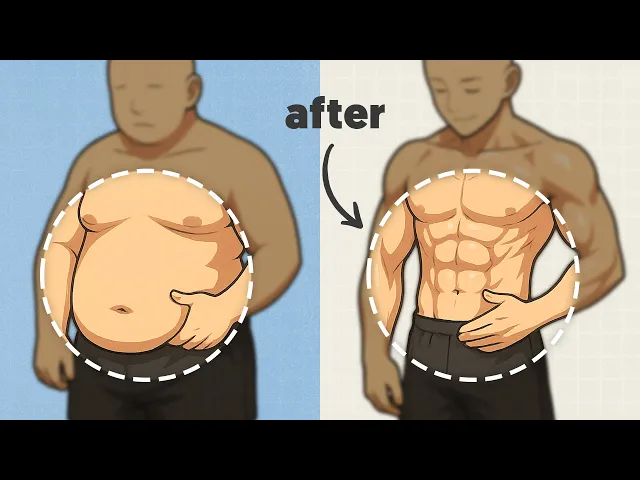
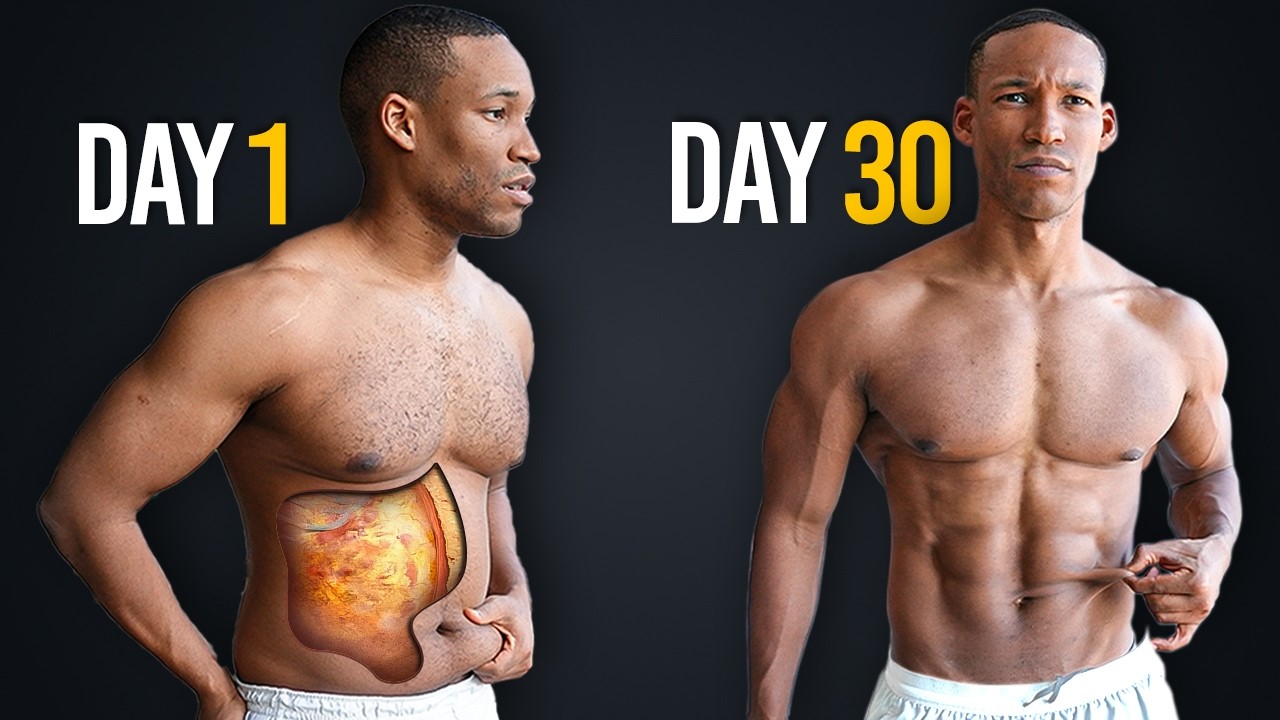
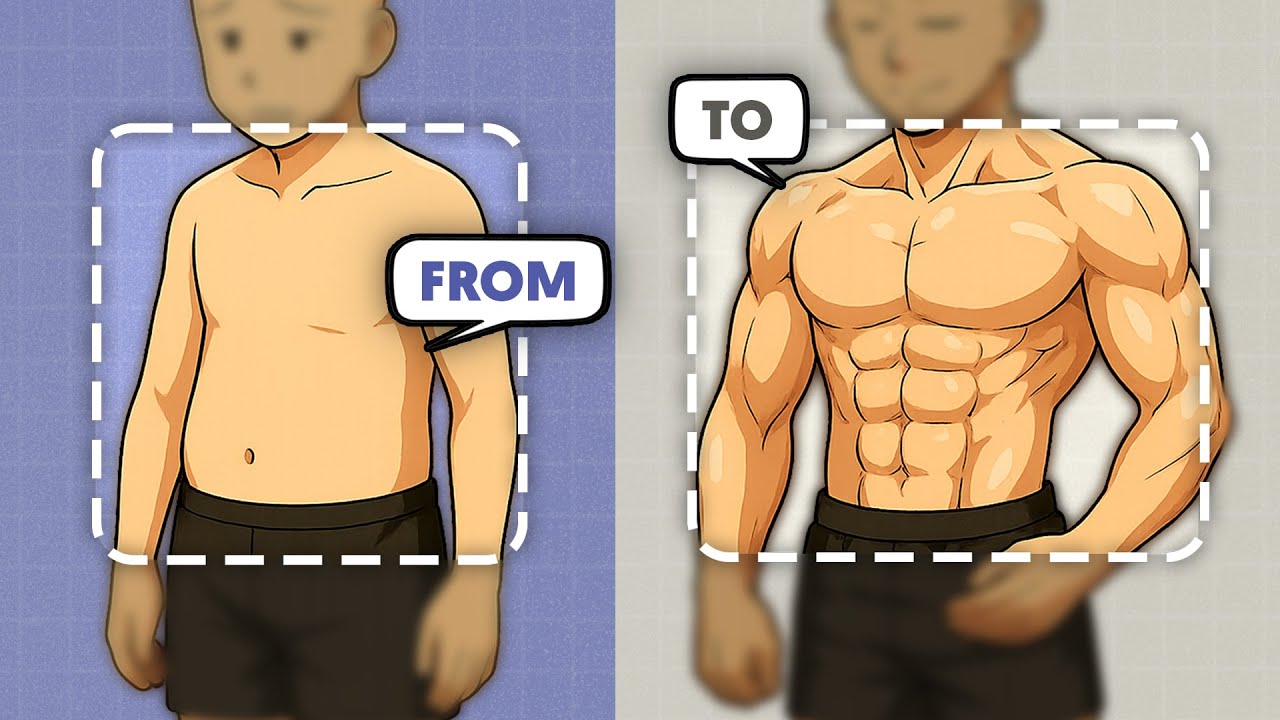
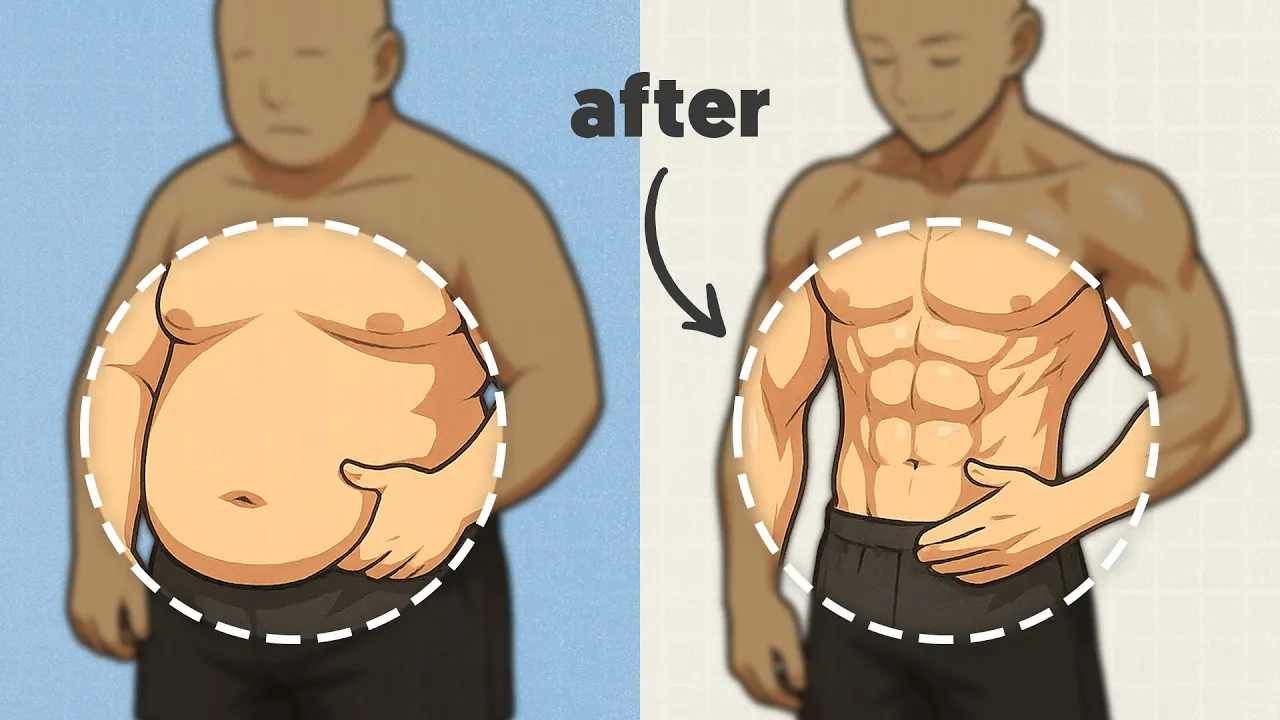
You've tried the workouts. You've cut the carbs. You've even skipped meals hoping the scale would finally budge.
But somehow that stubborn fat isn't going anywhere. If that sounds familiar, you're not alone. And more importantly, you're not broken.
Because if you can't seem to lose fat no matter what you try, it's not about pushing harder. It's about shifting what you're focusing on. Let's break it down for you in five easy to follow steps.
First of all, studies have shown that people who track their food intake consistently lose twice as much weight as those who don't. So, you can't change what you're not tracking. Now, I know what you're thinking.
Isn't tracking supposed to be time-conuming and complicated? Most people aren't failing because they're doing too little. They're failing because they're guessing.
Guessing their calories, guessing their progress, guessing if they're even making a difference. Tracking doesn't mean counting every calorie or obsessing over numbers. It just means bringing structure to what you're already doing.
Start simple. Write down your meals. Track your daily steps.
Set a consistent eating window. One small habit that gives you real feedback will beat a dozen guesses every time. What gets measured gets managed.
Here's the thing, though. If you're not building muscle, you're making fat loss harder than it needs to be. But why does muscle matter for fat loss?
Can't you just do cardio to burn calories? Yes, cardio burns calories, but that's where it ends. Muscle is what keeps your metabolism high.
It's what gives your body shape as fat comes off. It's what allows you to lose fat and eat more food. Training for muscle isn't about ego.
It's about efficiency. You don't need a gym. You don't need fancy machines.
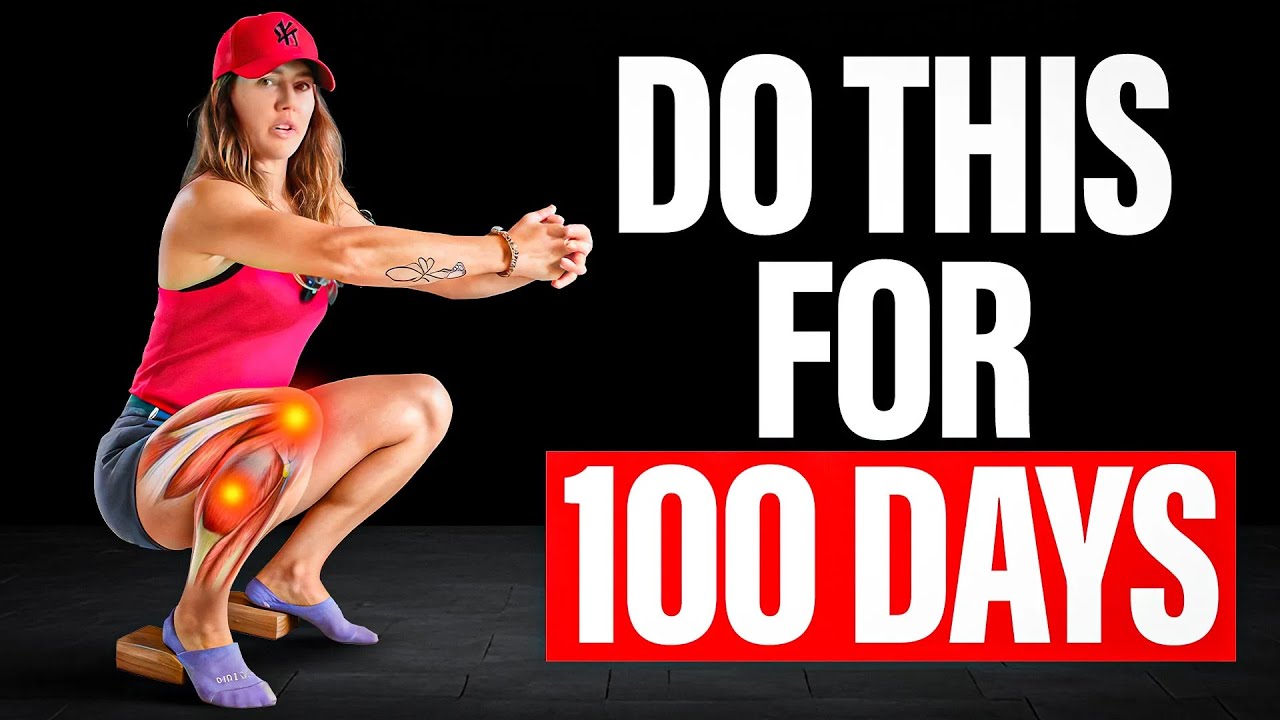
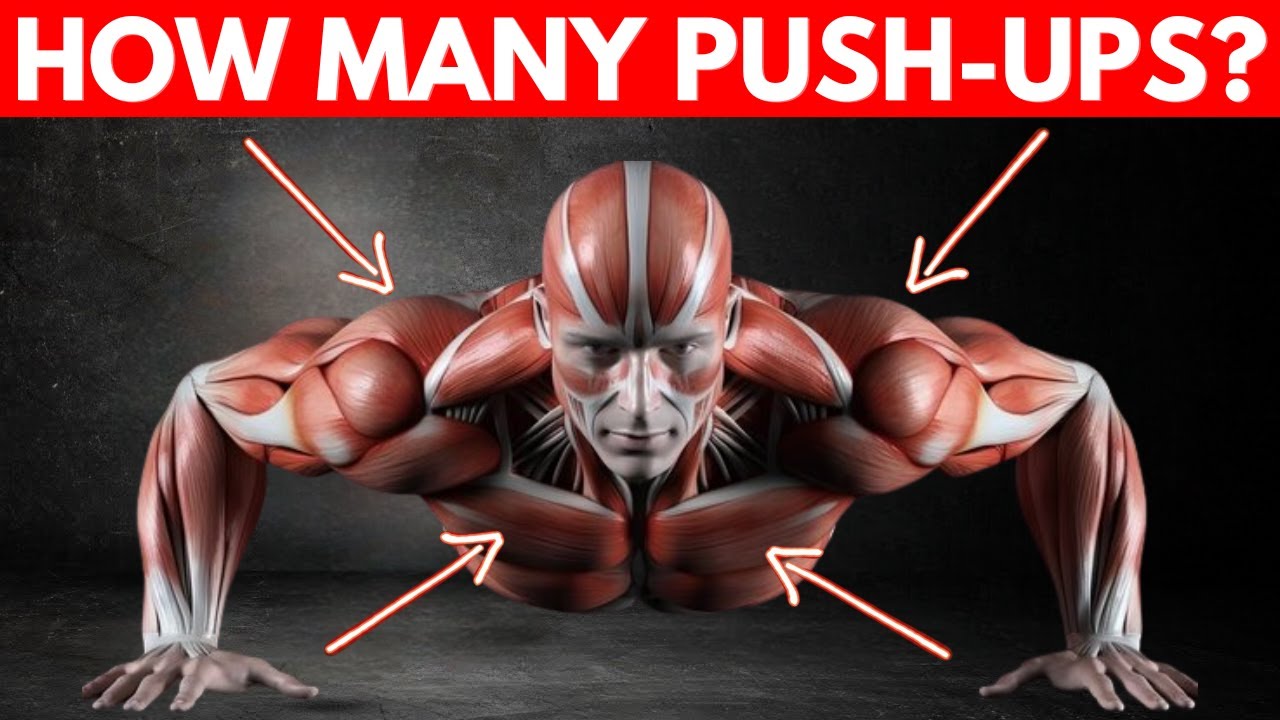
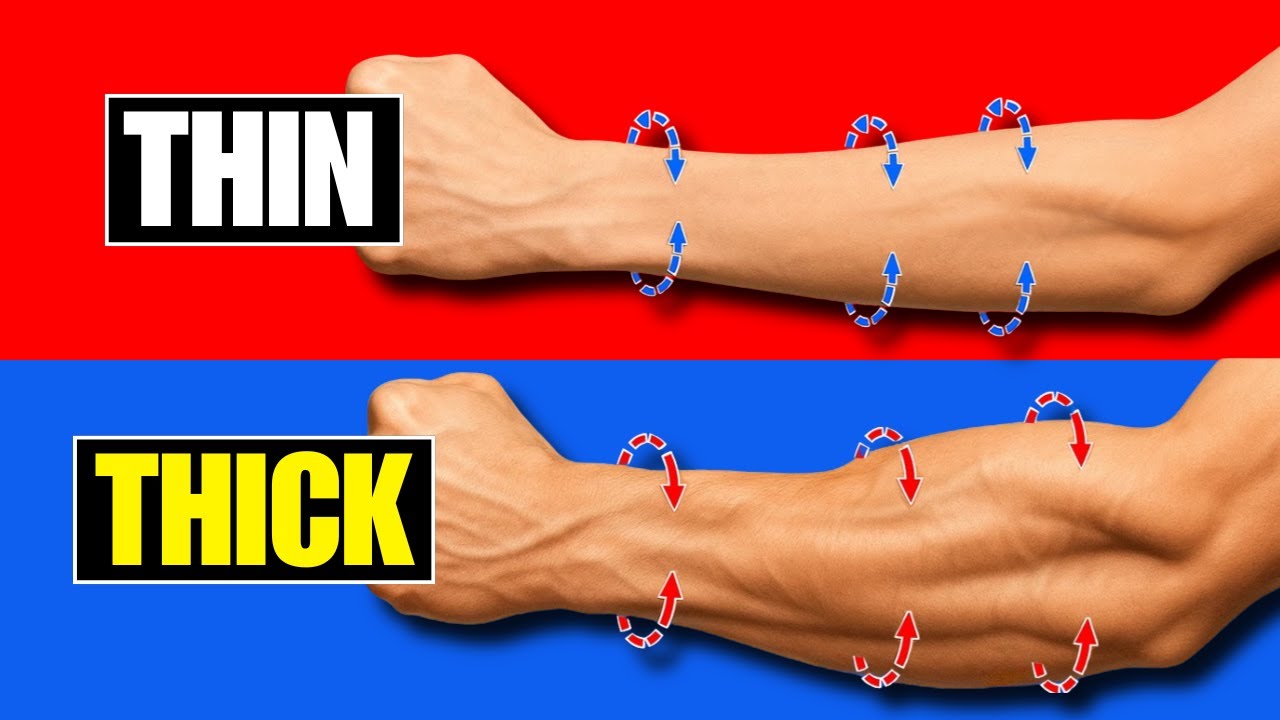
You need body weight resistance, push-ups, lunges, squats, dips, movements that challenge your body, force adaptation, and change the way you look and feel. On top of constant movement to actually lose fat, you need to be putting more focus on your core. Your core should be working all the time.
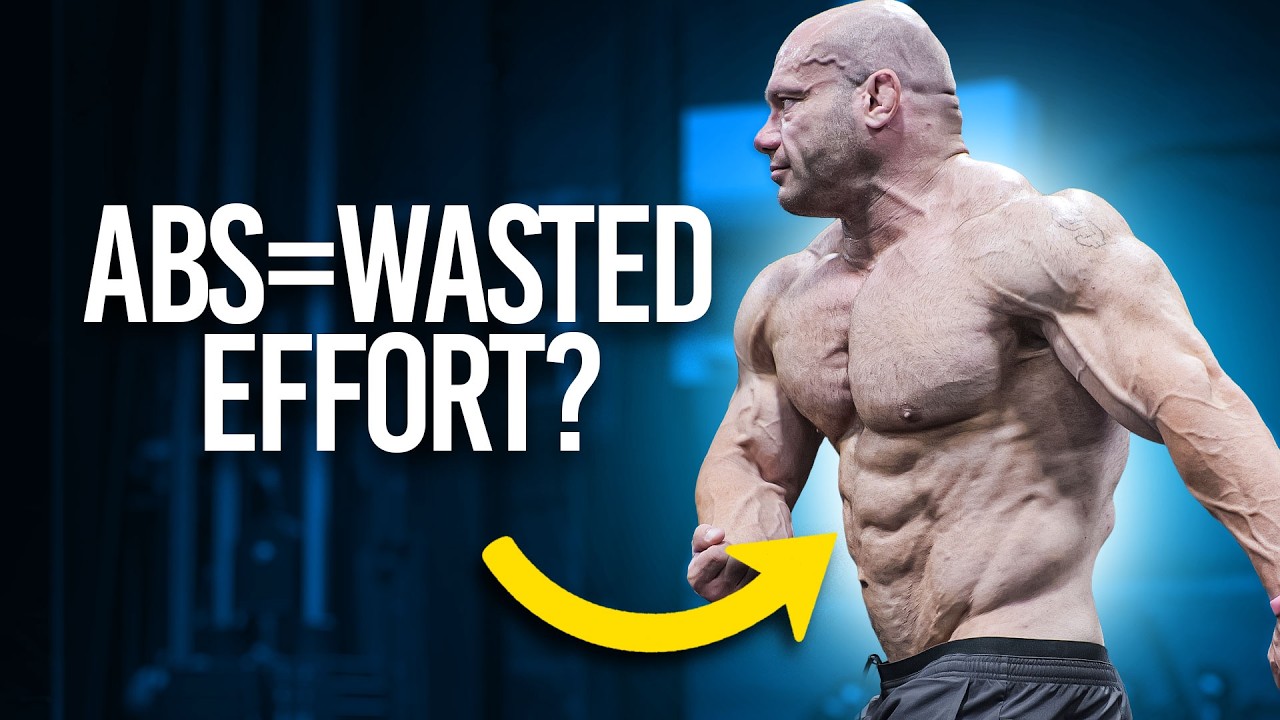
Your core isn't just your abs. It includes your obliques, lower back, deep stabilizing muscles, and it acts like the body's internal support system. Think of it like a natural weightlifting belt, but built in.
When your core is properly engaged, your spine stays protected. Your posture improves. You generate more force in every movement, and you activate more total muscle, which means more fat burned.
And the best part, you don't need to add a separate core routine to your training plan. You just need to learn how to brace. Here's how to do it.
Imagine someone's about to punch you in the stomach. You're not sucking in. You're bracing, locking everything down.
That's how you build a core that's functional, like not just visible. Over time, this constant engagement trains your body to stay tight, controlled, and efficient, which boosts your performance, reduces injury risk, and keeps your metabolism firing throughout the day. It's a small habit that quietly transforms your results.
Although, if you're not sleeping enough, your body is working against your fat loss. But can not sleeping really affect your ability to lose fat that much? Yes.
And more than most people realize, sleep controls the hormones that regulate your appetite, energy, and metabolism. When you're sleepd deprived, your cravings spike, your willpower crashes, and your fat burning hormones get suppressed. You could eat clean and train hard all day, but if you're sleeping 4 hours a night, your body's still in survival mode.
And in survival mode, it holds on to fat like it's storing up for winter. Sleep isn't a break from progress. It's the foundation that holds everything else up.
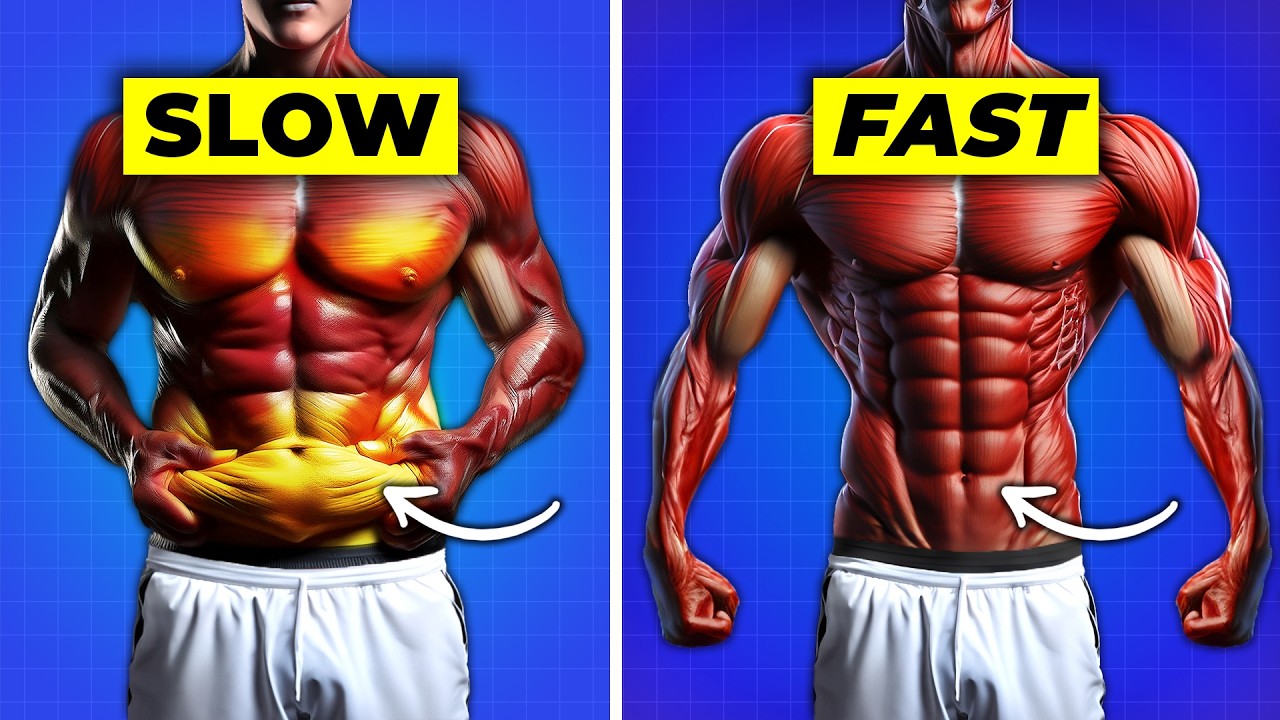
Here's the thing, though. You don't get to choose where fat comes off first. your body does.
So why does it always feel like the areas you care about most are the ones that never change? Because fat loss doesn't happen locally. It happens systemically.
That means your body decides where it burns fat first and where it burns it last. And unfortunately, the areas you really want to shrink are usually the ones it holds on to the longest. For men, that's usually the belly and love handles.
For women, it's often the hips, thighs, and lower stomach. And for pretty much everyone, it's frustrating. But that doesn't mean you're doing it wrong.
That doesn't mean it's not working. Here's what's really happening. When you enter a calorie deficit, meaning you're burning more than you're consuming, your body starts using stored fat for fuel.
But it pulls from the easiest, most accessible fat stores first. You might see changes in your face, arms, or upper body before anything happens to your midsection. That's not failure.
That's progress. And this is where most people give up. They think, "My belly isn't shrinking, so this must not be working.
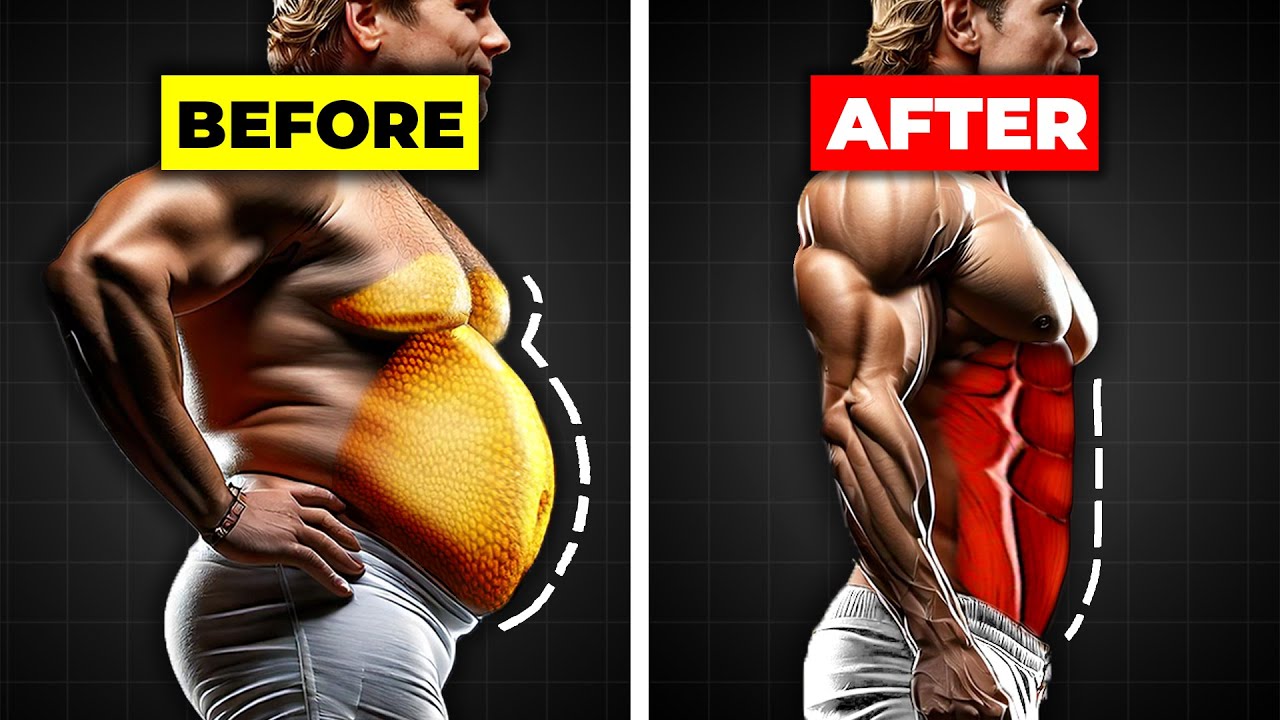
" But if they'd just kept going another few weeks, the fat would have come off. The key is understanding that your body has a sequence and you don't get to reprogram it. Trying to burn belly fat by doing more crunches won't move the needle.
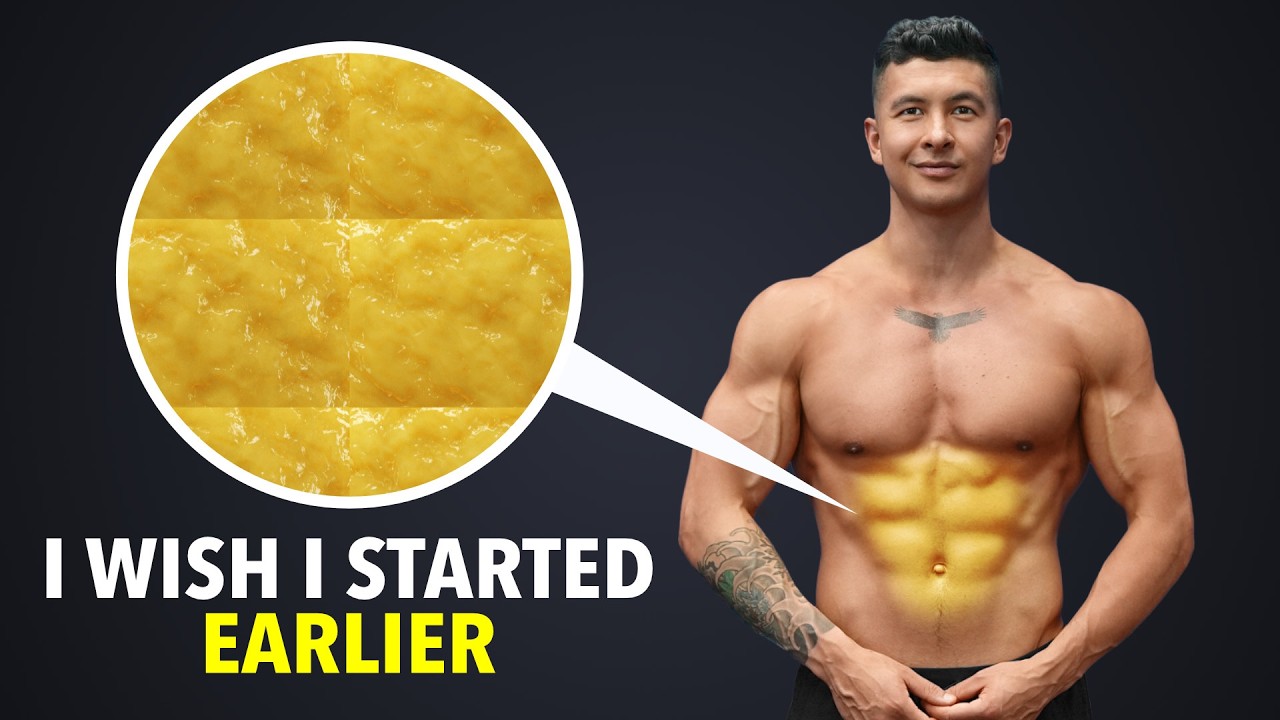
That's a myth called spot reduction and it's been disproven over and over again. In fact, a 2013 study published in the Journal of Strength and Conditioning Research found no significant fat loss in targeted areas. Even after subjects performed over 1,000 abdominal exercises across 6 weeks, if you want your belly, hips, or thighs to lean out, you need to keep losing fat everywhere.
And that means staying in a calorie deficit, strength training regularly, sleeping well, and staying consistent long enough to get to the finish line. Stubborn fat is just last in line fat. Give it time.
Let your body do what it's designed to do. But most importantly, just make sure you're eating the right amount. Step six, because guess what?
Eating too little is just as bad as eating too much. But isn't eating less supposed to help you lose more fat? When you eat too little, your metabolism slows down to conserve energy.
You lose muscle, not just fat. your hormones crash and your body fights back with more cravings, less energy, and worse results. Fat loss isn't about eating as little as possible.
It's about eating as much as possible while still losing weight. That means high protein meals, smart carbs to fuel your workouts, and enough food to keep your body out of survival mode. When you feed your body properly, it works with you, not against you.
So, if you made it this far, let me break it down nice and simple for you, because that's exactly what you deserve. If you can't seem to lose fat, start doing this. Track one thing consistently.
Train to build muscle. Engage your core during every movement. Prioritize sleep.
Stop chasing spot reduction. And eat to fuel fat loss. Not to starve it.
There's no magic workout, no perfect diet, and no miracle supplement. Just habits repeated with purpose. You don't need to do everything.
You just need to do the right things and stick with them long enough to work.