algorithms increasingly control many areas of our everyday lives from loan applications to dating apps to hospital waiting lists as responsible consumers and now creators of algorithms we need to think critically about how the success of an algorithm gets measured what assumptions and biases may be influencing the results and how should that impact how we use them consider a recommendation algorithm your newsfeed doesn't ask you to rate your satisfaction with each result so it doesn't truly know how you feel instead many algorithms rate success based on more quantifiable indicators for example how often users click on
a specific result but this can lead to a false feedback loop where algorithms are more likely to recommend articles with Sensational headlines or cute pictures of cats because they catch users's attention even if when they do open the article they're extremely dissatisfied with the result ultimately this algorithm is measuring success based on engagement and not actual usefulness that that's not necessarily wrong but it'll certainly influence the types of results that users see so as you consume technology keep a healthy skepticism and ask yourself why is the algorithm offering me this result okay so humans are
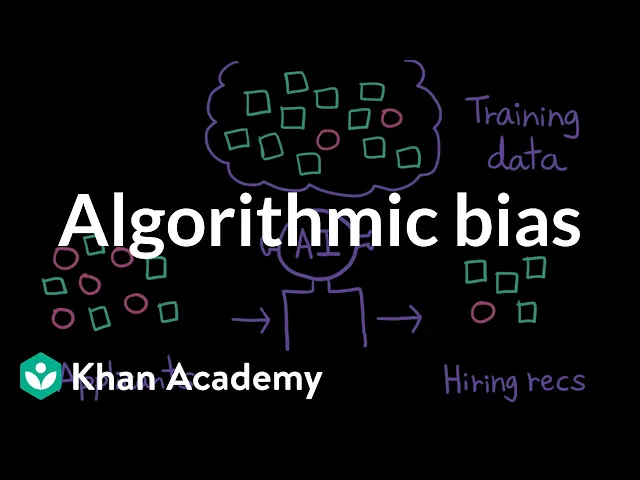
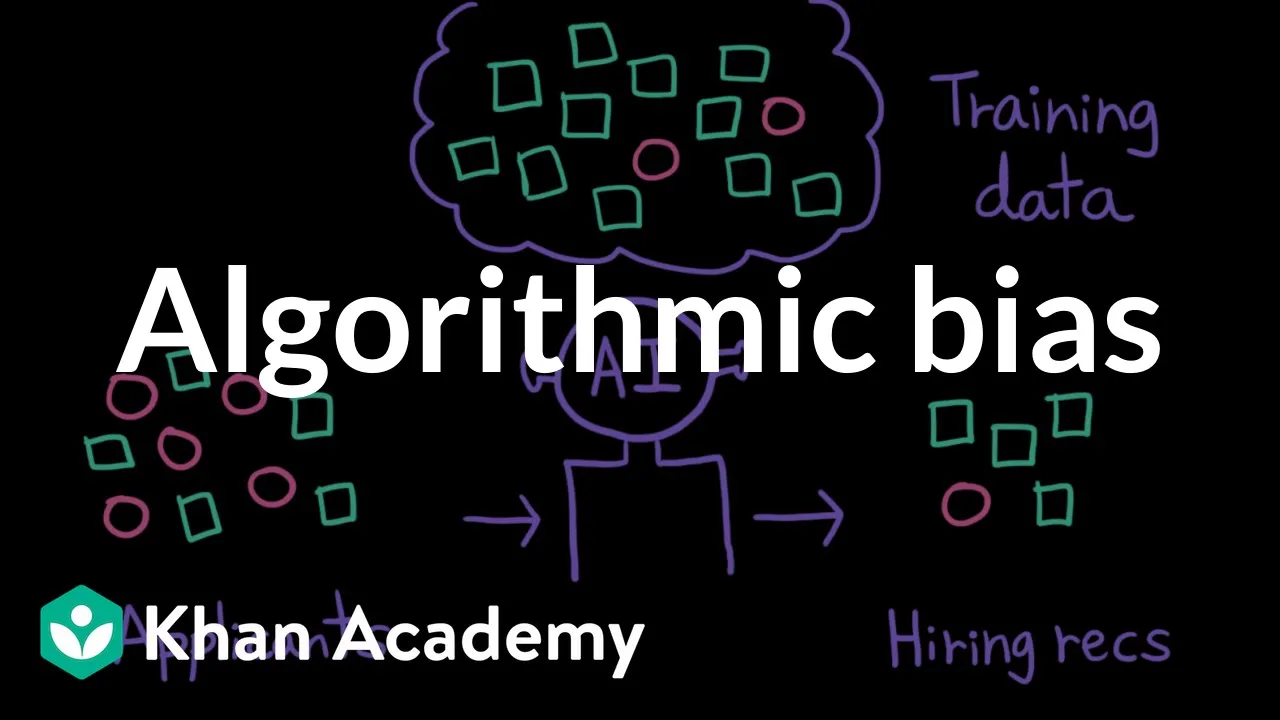
biased but what if I just have ai design my algorithm for me well AIS are trained on data that's created by humans often content on the internet remember that computers see all data whether it's textual audio or visual as a sequence of of numbers they don't understand what's happening in a photo in the same way that a human does most of the time AI generated algorithms are just looking for patterns in the data whether there's a causal relationship or not for example an experimental hiring algorithm found that the AI favored male applicants downgrading rums that
included terms like women's or referenced all women's colleges the existing pool of Engineers at the company was predominantly male so when the AI trained on previous hiring data it had found a pattern that it thought was meaningful don't hire women in practice AI algorithms can actually amplify historical biases because available training data tends to lag behind the current cultural moment and heavily skews English which means other cultures and languages are less represented that's not to say that human generated algorithms are always better than AI generated ones but AI algorithms tend to be less transparent so
it's more important that we hold organizations accountable for monitoring their bias as programmers how can we limit the bias in the algorithms we design it's impossible to perfectly model the real world in a program we'll always need to make some assumptions and some simplifications we just want to make sure we recognize the assumptions that we're making and we're comfortable with how that impacts our results let's evaluate this content moderation algorithm we wrote what assumptions did we make well here we're favoring old older accounts people who have been on the site for a while our algorithm
assumes that those users are more trustworthy now we looked at historical data and did find a correlation here and we don't think account age correlates strongly with any protected class like race gender or religion so I've decided I'm comfortable with this assumption I'm willing to accept the slight unfairness toward well-intentioned new users what about this word count check we're assuming posts with a lot of words are less useful now this might have an unfair impact based on the language of the post because some languages tend to need more words to express the same idea for
example French is often worder than English that's a bias I'm perhaps not willing to accept our site has a lot of users from all over the world and I don't want to favor one language over another so I might go back to the drawing board with this one and either find a different criteria to use or try to fairly adjust the word count limits based on the language this evaluation process is ongoing as this algorithm runs in our site we want to monitor Trends in which posts are featured and which are flagged and adjust the
algorithm accordingly in response to new data