[Music] hello and welcome to philosophy Bob the channel where we discuss and debate different philosophical ideas today we're going to be looking into situation ethics this is an ethical theory proposed by the philosopher joseph fletcher interesting now fletcher came up with situation ethics as a middle ground ethical approach when looking into ethical theories we noticed two extreme sides one is legalism this is the approach that morality must come with a strict set of rules that must be obeyed at all times we should never break these rules at any time and for any reason the other
side is antinomian ethics this is the idea that there should be no rules no restrictions humans should just do whatever they want whenever they want a lawless society right and we can see the issues with both these approaches with antinomian ethics this would just lead to complete chaos a complete breakdown of a functioning society theft murder vandalism they can all happen with no repercussions however with legalism we can obviously see the issues with blindly following rules no matter what each situation is different there are plenty of cases were indeed breaking a rule is clearly the
morally right thing to do for example breaking the driving speed limit to get someone to the emergency room correct so Fletcher developed situation ethics to sit in the middle Fletcher did not believe that morality needs firm strict set of rules that must be applied universally at all times but rather the morally right thing to do depends on the situation and can change depending on the situation but at the same time Fletcher rejected antinomian ethics as he firmly believed there is a universal moral law that humans should follow when determining the morally right action in each
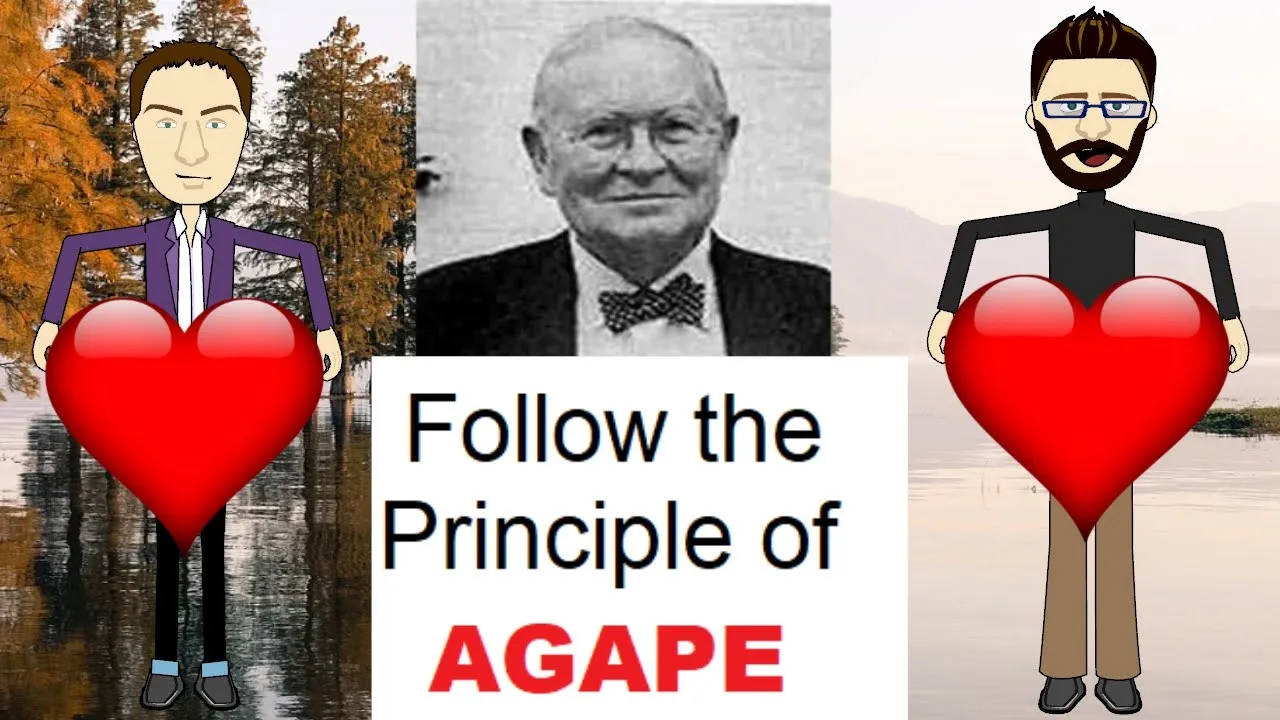
situation so what do we base our moral actions upon if there is not a strict set of rules to follow Fletcher believed there was only one moral law we should follow not a list of laws or principles judging our actions but just one moral law one principle to follow and that was centered on the concept of a God agape what does that mean agape comes from the Greek word agape which means love but the concept of agape is a bit deeper than this coming from the ancient Greek line of thoughts love as we understand it
had different categories one was philia this is referred to as brotherly love friendship how you would love a good friend one would stalk this is familial love how you would love your mother or your child then we have eros this was romantic love and we also have agape this was the highest form of love this was the love we have for mankind for our fellow humans and for God's creation a sort of unconditional love a desire to see your fellow man be happy almost like charitable love agape was not concerned with family or romantic love
it goes beyond emotions and personal feelings it doesn't discriminate or favor any one particular person agape is not really a feeling it is an attitude it is a love shown to all mankind and a desire to do the best thing for everyone wanting to maximize everyone's well-being in the modern day agape is seen as a Christian doctrine it is based on the teachings of Jesus love thy neighbor I see so moral law is solely concerned with agape loving your fellow man and wanting what is best we should then approach every moral situation following the agape
principle whatever we are faced with we must ask what is the most loving thing to do and what will result in the most happiness each situation is assessed on its own merits and so each moral action depends upon the situation so here we see the middle way approach that Fletcher was going for unlike legalism situation ethics has the freedom to assess each situation and decide the best course of action without strict rules if for example we can see that stealing is clearly the most loving thing to do in a certain situation let's say stealing food
to save a child from starving to death now situation ethics would say stealing in this situation is the morally right thing to do moral law is not absolute but we have that one guiding principle of Agape overlooking all moral choices which stops us falling into antinomianism yes I understand what Fletcher is going for but how are we to know what the most loving thing to do is in each situation without a set of behavioral rules in place if each situation is different how can we know what the morally right thing to do is at all
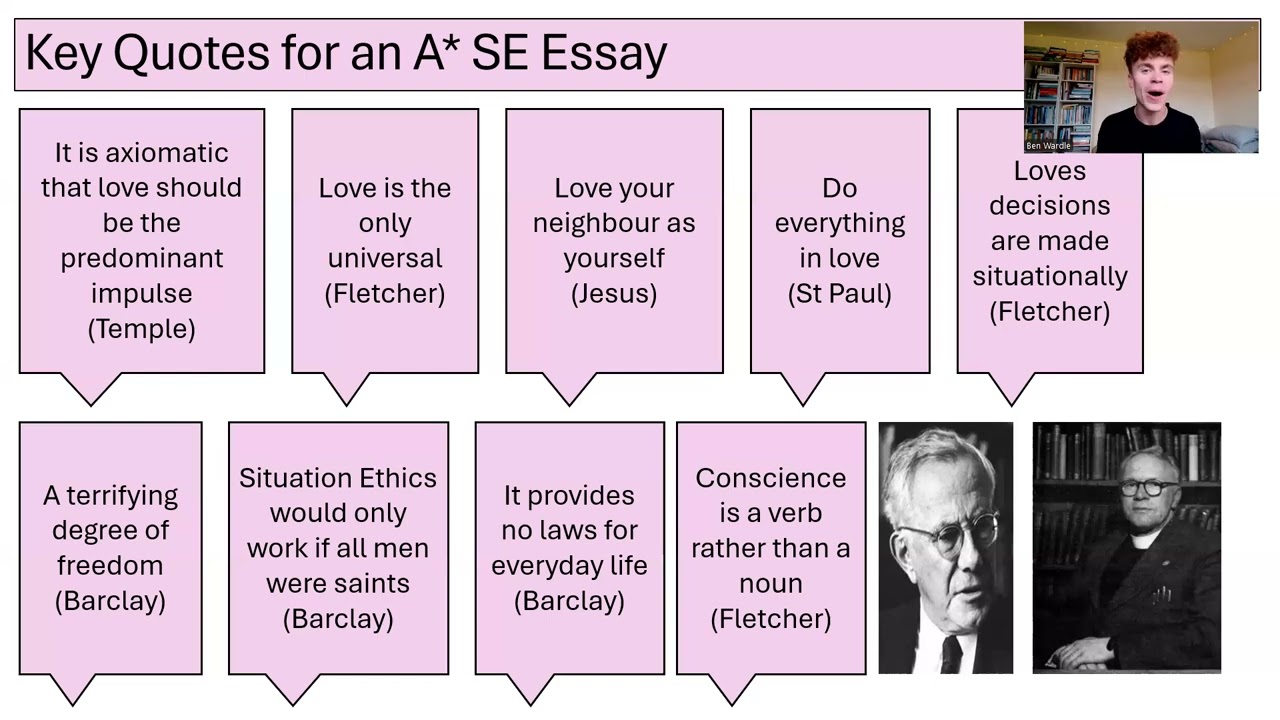
times here is where Fletcher says that conscience is what we need Fletcher uses the term conscience not as a noun but as a verb it is not something we have it is something we do we need to be in a specific situation and when we are experiencing this specific situation we use our reason and our rationality to determine the most loving thing to do this whole experience is the verb of conscience I see to help in determining the most loving thing Fletcher develops the four working principles these are not in themselves rules but rather a
framework for determining the use of Agape in each situation and to know what the most loving thing to do is the first working principle is pragmatism the most loving thing to do must be practical it must be possible to achieve and it must be able to work the second working principle is relativism although Fletcher respected the rules of a specific culture of society mainly for social cohesion he claimed that the morally right thing to do is not solely dependent upon following the rules each situation is different and there will be situations where breaking the rules
are clearly the morally right thing to do as we have previously said stealing food to save a starving child by relativism it does not mean choosing what is morally right and wrong but rather the ability to break rules and laws should it be the most loving thing to do yes I understand the third working principle is positivism by this Fletcher means theological positivism ultimately Fletcher saw situation ethics as a Christian approach to ethics all around the doctrine of Christian love so positivism for Fletcher was ultimately faith in love have faith first believe that love is
the guiding principle have faith that Murrell is solely down to maximizing love once we have this faith we can then apply our reason to the moral situations right and finally the fourth working principle is personalism the idea that the person comes first the person comes before the law laws should be in place only to serve the person and be there to help achieve the maximum love for people should there be a situation where the following of a law would not result in the most loving thing to do then the law should instantly be broken the
person is the center of moral law situation ethics is solely concerned with the good of mankind fascinating so this is the situation ethics Theory the middle ground road to moral decision-making Fletcher in fact gave six propositions as an overview of this theory number one only one thing is intrinsically good namely love so this is what we base all our decisions on agape love for your fellow man number two the ruling norm of Christian decision is love nothing else this is mainly seen through the works of Jesus where his teachings of love came above everything else
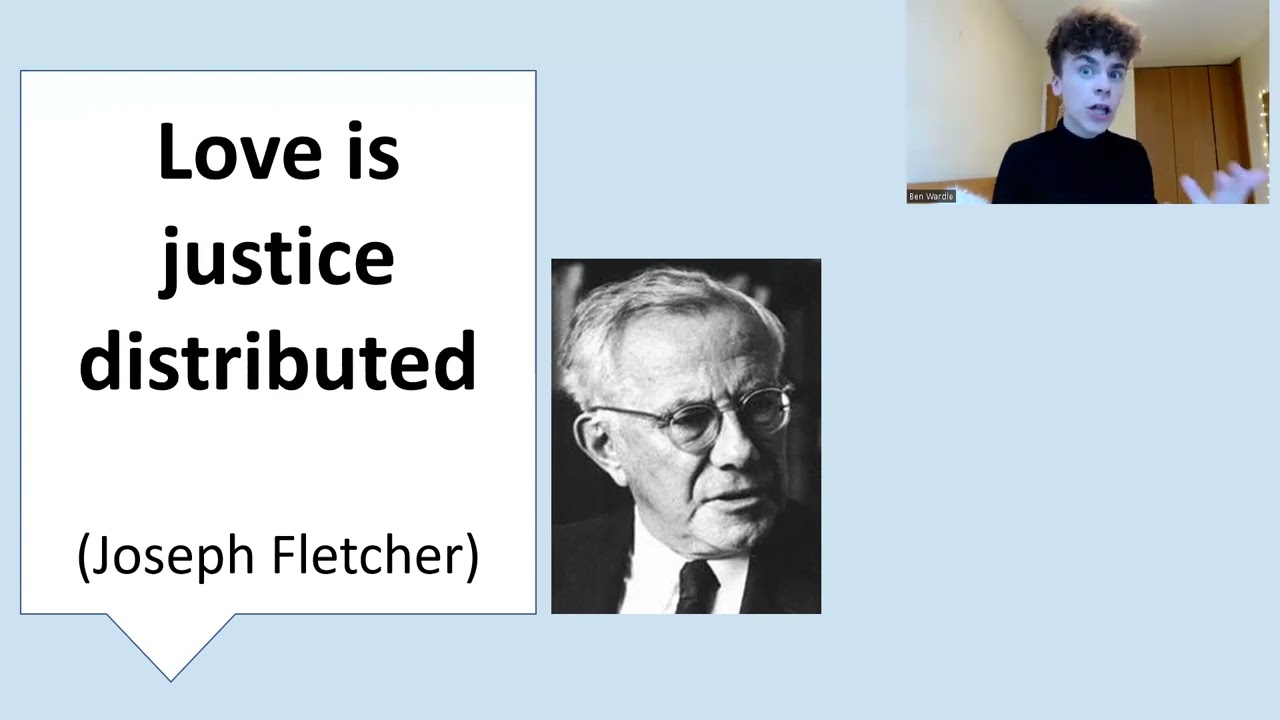
number three love and justice are the same for justice is love distributed nothing else so justice is love shared out to all in the same amounts when everyone has the same love distributed equal and fair then this in itself is just this number for love wheels the neighbors good whether we like him or not so the agape love must apply to everyone it is the attitude of wanting what is best for all people even if you do not personally like some of them this is Christ's teaching of loving your neighbor number five loves decisions are
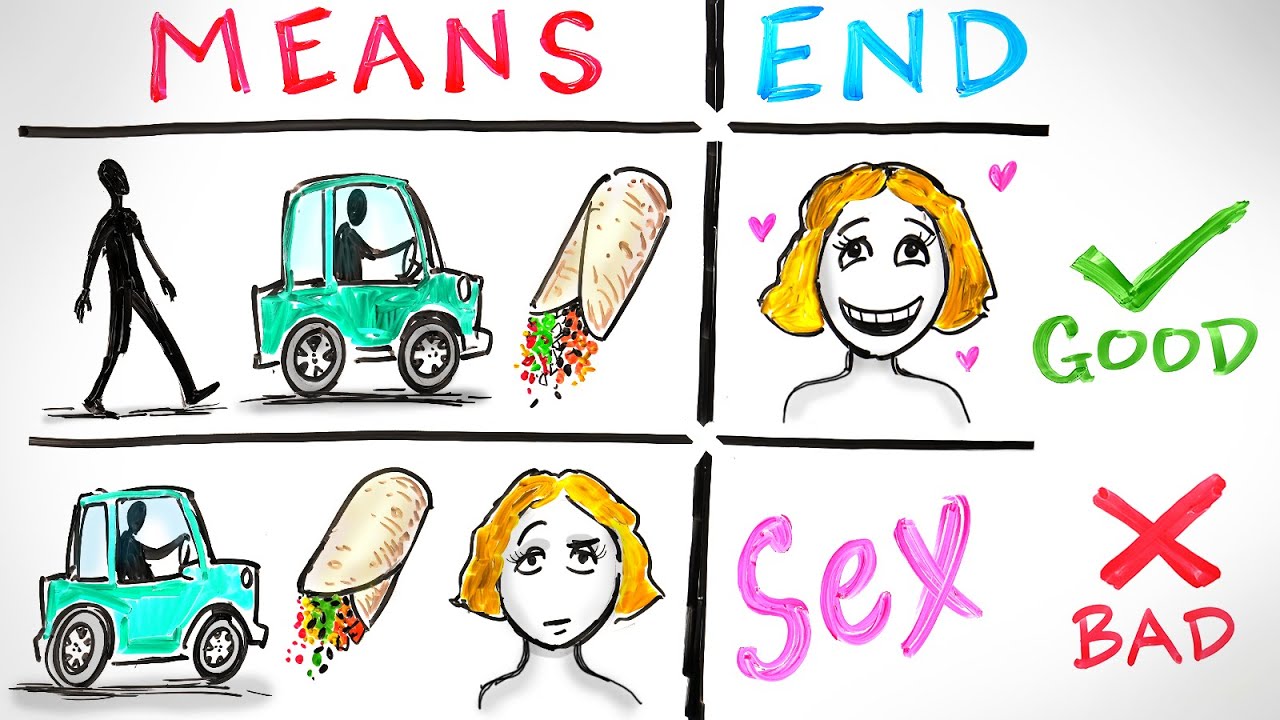
made situationally not prescriptively basically we judge each situation on its own merit we do not put in place blanket laws to cover every situation and we do not decide a course of action until we have assessed the situation and considered everything involved and finally number six only the ends justify the means nothing else situation ethics is essentially a consequentialist theory it is not concerned with things like duty as is the ontological ethics it is only concerned in the outcome and maximizing love for people this truly is a fascinating theory and I can see why it
has been such a popular approach to ethics it gives humans the freedom to decide what is best in each situation it does not give huge rules and regulations on what to do and how to act but instead it appreciates the gray areas of life it charges each action based on the situation and allows humans the ability to use their reason and pursue actions that we believe to be in the interest of our fellow man it is a flexible approach to ethics it is also very practical yes exactly however as with all consequentialist theories I see
some major flaws with situation ethics really like what firstly when you were explaining this to me it just seemed like a reworked version of after territorialism each act is judged by the situation no fixed rules but instead of the greatest good for the greatest number the doctrine is maximized love for people this is practically the same thing and act utilitarianism comes with a lot of its own problems as we can see the greatest good for the greatest number can lead to heinous acts and can permit just about anything I do not think that is entirely
accurate whilst they are similar theories acted silat arianism focuses more on pleasure where a situation ethics focuses on agape this is to do with love and well-being for all mankind the problems that face a qutilat Arianism will not be as prevalent when agape is the main guiding principle I don't think that's true this is just semantics all that's changed is the wording but anything is technically permissible if it can be reason to provide more love but if a certain action results in the most love then why is this a problem because the concept of agape
leaves a lot to be desired it is too ambiguous and too broad all Fletcher says is do the most loving thing but what is the most limiting to do what does this really mean this is where conscience comes into play I think that's an see way out not to deal with such a huge issue situation ethics does not provide us with a definition of what love is and Fletcher is very unclear in this area how can we act towards something when we don't even know what that something is this leads to a very subjective theory
what happens when two people disagree on what the most loving thing to do is this happens all the time people have different opinions and clash on what to do especially in moral dilemmas situation ethics provides no framework on deciding what to do at least with the ontological theories we know exactly what to do or what not to do situation ethics doesn't nothing for us in moral disagreements hmm also do all people have the same faculty to determine the most loving action are all peoples opinions considered on equal merits should the opinions of more intelligent people
be held as more important are there some people who do not have the capacity to make sound moral decisions how do we determine this what if one person genuinely believes the most loving thing to do is option a but 1,000 people disagree and instead believe it is option B should decisions just be made down to majority votes I suppose it depends on the situation but if it is a thousand to one we should probably go with the majority but then we fall into a very dangerous territory can we for example take the life of one
innocent person and use their organs to save five dying people is this the most loving thing to do it probably is as you are saving the life of five people but you are taking an innocent life however if the ends justify the means then does a right to life really matter do any human rights really matter if they can be broken at any time just to generate more love again this is not clear there are no answers to this as a relativist theory we are not given a lot to work with and we are left
in the dark yes I understand also can people really put aside their filial love store glove and their eros love for the sake of agape love we naturally favor our friends family and Nagappa he wants us to treat everyone equally and do the most loving thing for all our personal preferences almost certainly will get in the way of this if the most loving thing to do comes at the detriment of your son or mother or partner can we reasonably be expected to choose such an action well we would have to put personal feelings aside and
do the most loving thing yes this is very easy to say when you are not in the situation but consider this five people are drowning in one area of the ocean and your child is drowning in another area you have a rescue boat but only enough time to get to one side of the ocean now most people in that situation would save their child and although this is not the most loving thing to do I completely understand and would most likely do the same thing yes I see your point but what I think is the
biggest flaw is around the religious aspect of the argument situation ethics considers itself a Christian doctrine which I understand yet it also holds itself to be a consequentialist theory which complements any action depending on the outcome how can it possibly be a Christian doctrine and a relativist consequentialist theory the Bible has hundreds and hundreds of rules and laws in both the old and the new testament in fact God has personally given all humans Ten Commandments that cannot be broken under any circumstances situation ethics would allow all Ten Commandments to be broken if theme the most
loving thing to do how can situation ethics consider itself a religious Christian ethical theory yet completely disregard the Word of God this to me makes no sense Christianity is a rules-based religion it has a strong focus on duty and following the Word of God at all times I cannot accept situation ethics as both a consequentialist ethical theory and a Christian ethical theory very good point well that's all the time we have for now thank you for watching we hope you enjoyed the vibe and what are your thoughts do you think situation ethics is a good
approach to morality would you say you implement this in your everyday moral decision-making or can you perhaps give us a better approach lets us know in the comments below if you enjoyed the video please like and share and if you have an appetite for philosophy and want to hear more of these types of discussions please subscribe to the channel thank you again for watching and we look forward to seeing you all soon bye bye