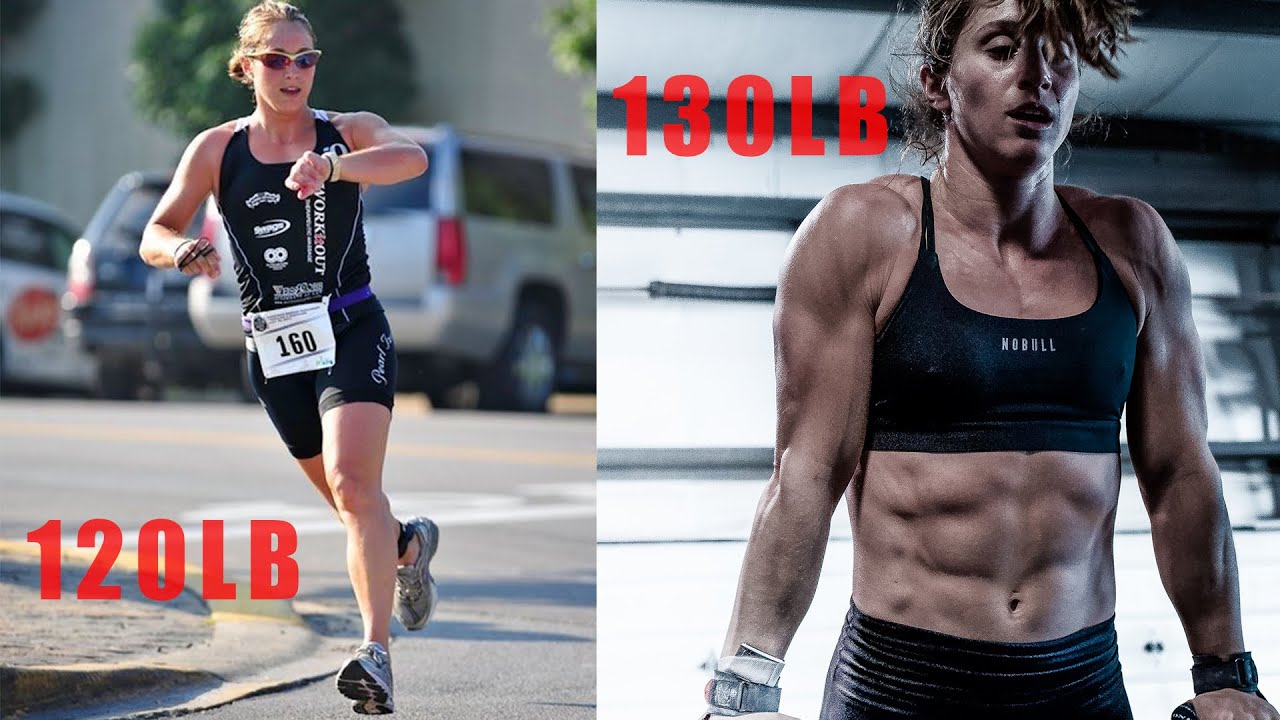
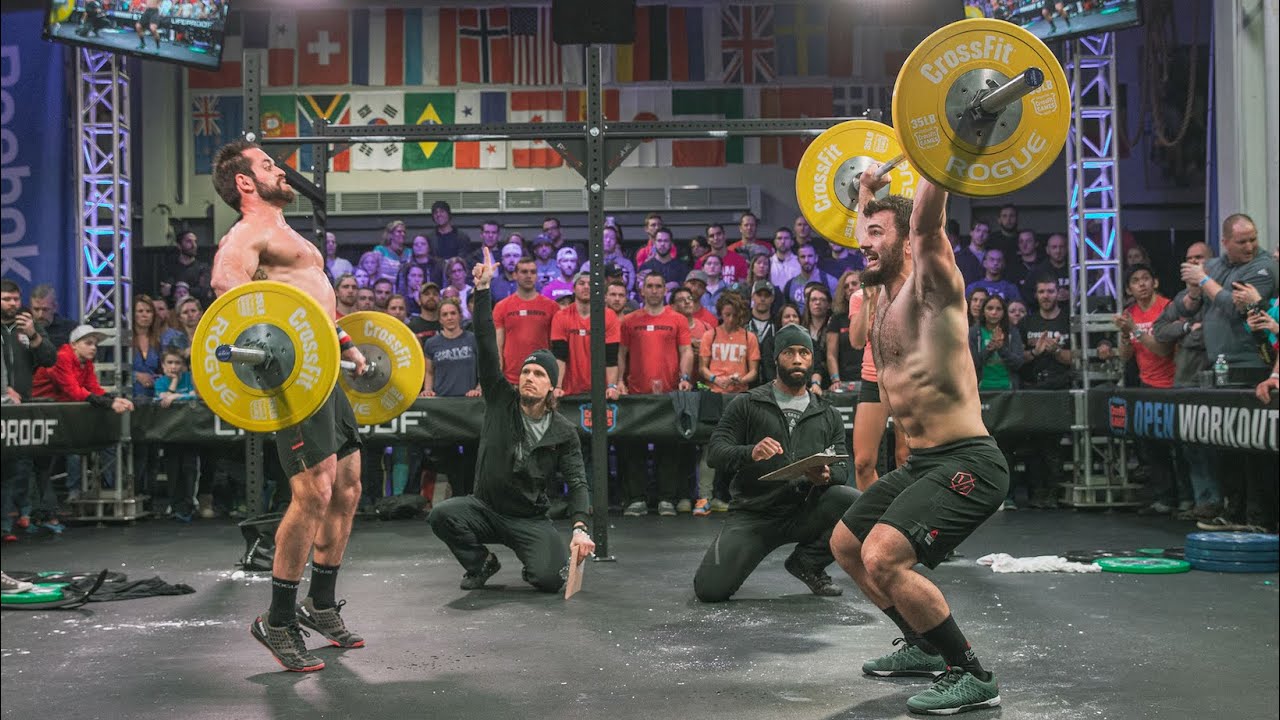
the Joe Rogan experience CrossFit let's see it's a circle back around to that what do they do that you feel you said there's a lot of good things they do they get people moving they introduce people to all these different exercise routines what do you think they do wrong Joe I don't want to pick on CrossFit this so called metabolic conditioning has been around since 1975 at least when Arthur Jones coined that term you know the guy from Nautilus mm-hmm that's when he would people go through a circuit of machines going you know going one
after the next and I'm sure it's been around even before that I would just do things totally different so there is no point in there's no point in me trying to criticize criticize a different system I'm just telling you this is what the science says experience says is how you should be doing it mm-hmm and I think that there are a lot of great people in CrossFit and I just wish you know power to them you would just do it the what like what you're talking about with longer rest periods different sort of training approach
and okay let's say that you're training for the CrossFit Games okay I'd say that's your goal right what you would do is name some CrossFit exercise let's say wall ball okay let's have the throw the ball against the wall good exercise you do this thing with this wall ball for 40 minutes like I told you and you can incorporate a second exercise in between Dustin between stick it in there so let's say you do a wall ball you throw this a few times walk around you do a set of push-ups let's say 5 to 10
reps and you do this for 40 minutes why 40 minutes it doesn't always have to be 40 minutes but pretty much we know if you can sustain it for 40 minutes it's not gonna be over the glycolytic so we just kind of know that I'll give you another example let's say burpees right you can do a burpee but time it in a way that you can keep doing burpees for 40 minutes so you do a wrap walk around do a wrap walk around or even break it up so you do this different across fit specific
competition specific exercises in this particular manner were you able to sustain it again for 40 minutes then part me closer to the competition you start doing what in track is called peaking so when you're running let's say 400 meters or 800 meters athletes when they train in the offseason the Train largely aerobic ly even though their distances are shorter they're still not trying to trash themselves but we do know that even if you develop your mitochondria if you do it correctly and suddenly you throw yourself in an acid bath your body is gonna be unpleasantly
surprised so what you need to do is you need to model that so what's going to happen is a couple of weeks before the competition once a week you were pretty much it's like a something similar to the competition like a water whatever and this will accomplish several things one is it will up regulate your buffers so your body produces baking soda pretty much to cancel out the acid and it's a very rapid adaptation it's very easy to get just two weeks you got it and in addition you also up regulates your glycolytic enzymes which
you also want for competition and again they're very quick to develop very quick to lose as well so finally there is such a thing as heart and respiration rate modelling so which pretty much means that you're gonna be sucking win and if you're not used to sucking win it's not gonna feel good your diaphragm is gonna spasm and not so good so the purpose of peaking is to get yourself in kind of a simulated competition situation where the acid is high enough to make your body adapt to it which adapts fast and to make yourself
comparable with Hari high heart rates and breathing so that's that's the summary that's pretty much how track athletes train [Applause]