Have you ever wondered why in moments of stress or anxiety someone tells us, "Take a deep breath. " The wisdom behind this simple advice is far deeper than it seems. Today, we will explore Chiong, an ancient Chinese practice that uses mindful breathing to restore harmony between body, mind, and spirit.
If you're seeking balance, inner peace, and physical well-being, this journey is for you. Let's discover how Chiang can transform your life one breath at a time. Imagine a river flowing.
It moves around rocks, through valleys, never stopping, adapting to the terrain with both gentleness and strength. Chiong is like this river. It is the cultivation of our life energy orqi which flows within us connecting mind, body and spirit in a single harmonious dance.
Chiong at its core is an ancient Chinese practice that combines gentle movements, deep breathing techniques and meditation to nourish and balance the flow of vital energy within us. This practice is one of the pillars of traditional Chinese medicine and has been used for thousands of years to promote health, longevity, and emotional balance. The wordqi refers to the life energy, the force that permeates everything in the universe.
It's the energy that flows through our bodies, the subtle power that nourishes our organs, muscles, cells, and even our thoughts. According to ancient Chinese sages,Qi is the invisible force that connects all things from the microcosm of ourselves to the macrocosm of the universe. Meanwhile, gong means practice, skill or cultivated work over time.
It is the effort we put into something to master it. So when we speak of chiong, we are literally talking about cultivating vital energy. The foundation of Chiong is mindful breathing.
When we learn to control our breath, we also begin to control our emotions and thoughts. Lasu reminds us, "He who knows the power of breath knows the power of life. " Breath is the invisible thread that connects body, mind, and spirit.
It is the path through which vital energy chi flows and manifests. Lasu. In the first chapter, we discussed what chiong is and the importance of cultivating our life energy.
Now, let's delve into one of the most fundamental aspects of this practice. Mindful breathing. Breathing is such an automatic act that we often don't pay attention to it.
We breathe without thinking, letting the body take control. But the way we breathe directly affects our physical, emotional, and mental health. In Chiong, breathing is not just a physiological process, but a healing tool, a bridge connecting us to the flow of life.
When you are anxious or stressed, your breath becomes short and shallow, often limited to the chest. This sends a signal to your body that something is wrong, activating the fightor-flight system. However, when we breathe slowly and deeply, something magical happens.
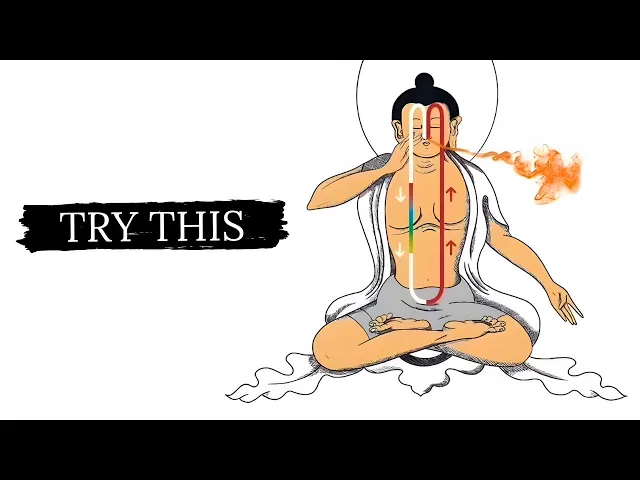
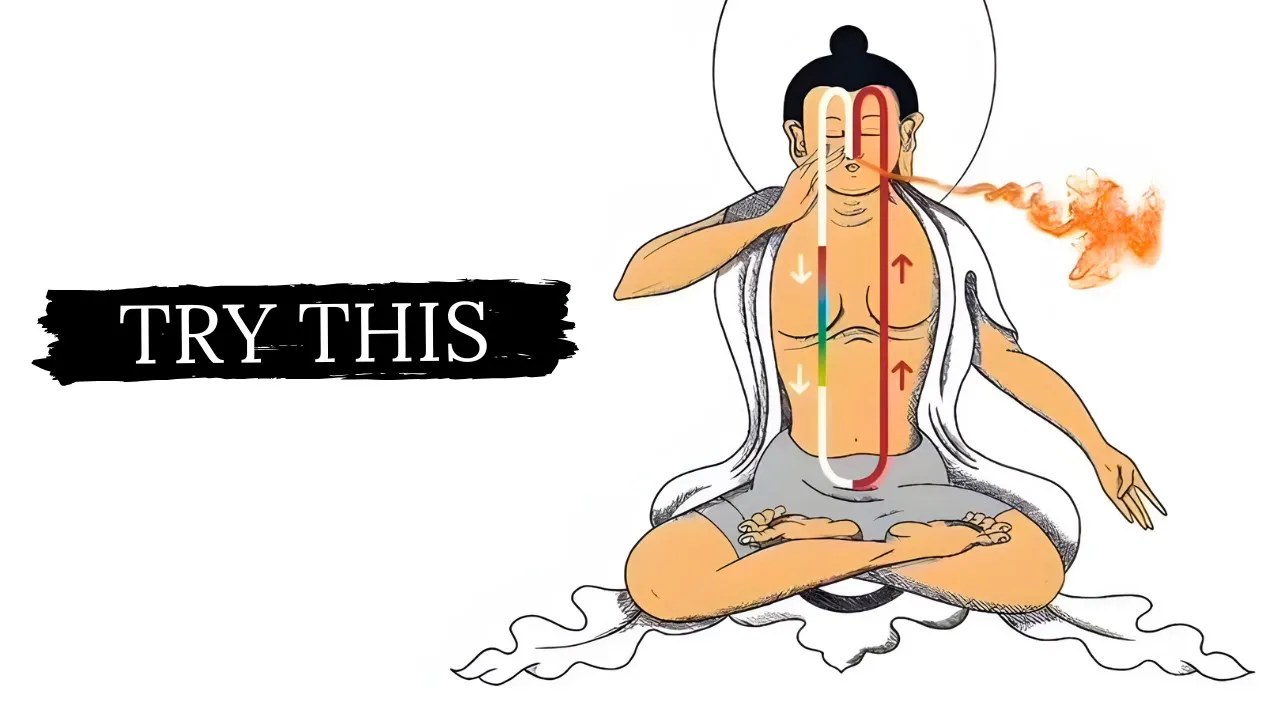
The body calms down, the parasympathetic nervous system responsible for restoration and relaxation is activated and a sense of peace begins to envelop us. In chiong, mindful breathing is known as tuna, meaning inhale and exhale. This practice aims to cultivate chi, allowing vital energy to flow freely throughout the body.
With each inhale, you draw in fresh energy, purifying the body and mind. With each exhale, you release tensions, negative thoughts, and energetic blockages. Chiong uses different types of breathing to directq chi through the body's energy channels known as meridians.
Let's explore three fundamental types of breathing you can start practicing today. Deep abdominal breathing. This is the most basic and essential form of breathing in chiong.
By breathing deeply, you engage the diaphragm, expanding the abdomen during inhalation and gently contracting it during exhalation. This type of breathing allows chi to flow freely into the depths of the body. How to do it?
Sit or stand with your spine straight. Place one hand on your abdomen. Inhale slowly through the nose, feeling the abdomen expand.
Exhale through the nose or mouth feeling the abdomen contract. The focus should be on a long smooth breath. Soft silk breathing seg.
This technique aims to smooth the flow of chi and release tension. The breath is controlled and harmonious as if you were unrolling a delicate silk thread. This helps to calm the nervous system and the mind facilitating meditation.
How to do it? Inhale slowly and deeply through the nose, feeling the air fill your abdomen. When you exhale, do so very gently without rush as if you were unrolling a very fine fabric.
Keep the exhalation slow and fluid without forcing natural breathing. Ziran Huki. This breathing technique seeks to return to the body's natural rhythm.
After practicing deep breathing and soft silk breathing, this technique allows the body to find its own rhythm without conscious control, promoting a deep connection with the natural flow of chi. How to do it? Simply sit or stand with your spine straight and allow the breath to flow naturally.
Observe how your body breathes on its own without any effort. This creates a feeling of serenity and connection with the universe around you. In Chiong, conscious breathing has the power to unblock and nourish the meridians, the energy channels that run throughout the body.
These meridians are like rivers that transportqi to different parts of the body, ensuring that all organs and systems function harmoniously. When our breathing is short and irregular, these rivers can become blocked causing chi stagnation. This stagnation is the root of many health problems such as fatigue, chronic pain, stress, and anxiety.
But when we practice conscious breathing, chi begins to flow again, clearing these blockages and restoring vitality. Regular Chiong practice has a wide range of proven benefits. Modern scientific studies have shown that chiong can help reduce stress, improve sleep quality, boost immunity, and even relieve chronic pain.
Additionally, chiong strengthens the respiratory and cardiovascular systems. This is because deep conscious breathing better oxygenates the body, promoting healthy blood circulation and nourishing the internal organs. The breath is the foundation of healthy living say the tauist masters.
And when we learn to breathe consciously, we are not only cultivating our physical health but also our mental and emotional well-being. Chiong is not just an individual practice. It deeply connects us with nature and the natural flow of life.
In Taoism, nature is seen as a reflection of the tow, the path, the natural flow of existence. Practicing chiong outdoors, surrounded by nature enhances this connection. By synchronizing our movements and breath with the rhythm of nature, we learn to flow with the universe, to adapt to changes, and to find balance even amid chaos.
Lasu reminds us, "The toao is like a river. It flows unceasingly, navigating around obstacles without ever losing its path. " Chiong is more than a breathing technique.
It is a philosophy of life, a practice that teaches us to cultivate vital energy, to balance our body and mind, and to connect with the natural flow of the universe. Conscious breathing is the first step to this transformation. If you seek a more balanced, healthier, and more fulfilling life, Chiong is the way.
Remember, with each breath, you have the power to create peace within yourself. The wisdom of ancient Tauist masters still echoes in our days, inviting us to rediscover the power of conscious breathing and to live in harmony with the towel. Take a deep breath and allow chi to flow freely in your life.
Thank you for watching.