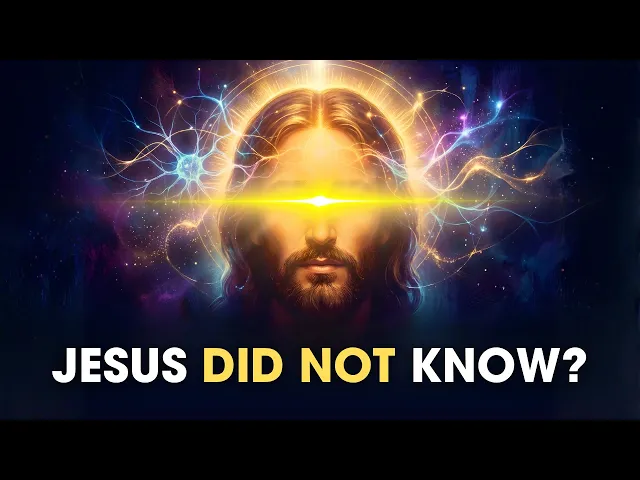
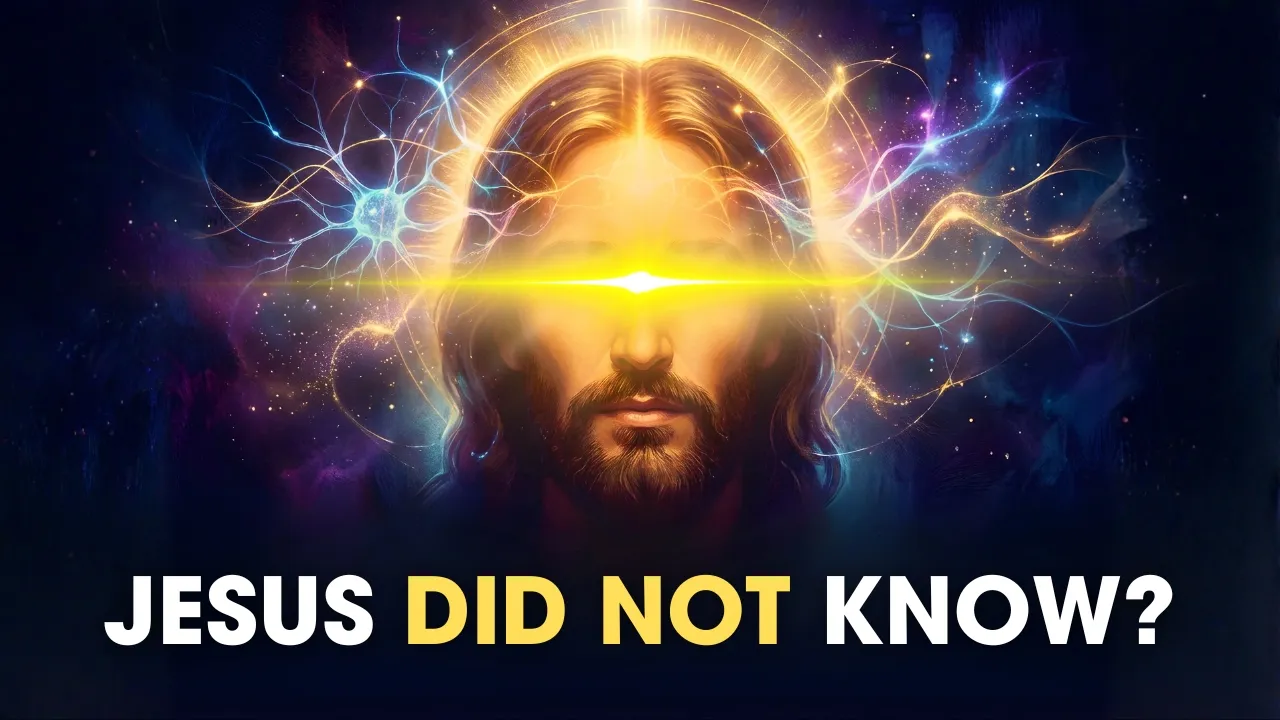
One of the most controversial lines in the Bible is found in Mark 13 and Matthew 24. But concerning that day or that hour, no one knows, not even the angels in heaven, nor the son, but only the father. When speaking of the second coming, Jesus seems to say he doesn't know when it will occur and only the father knows.
Despite the way this appears on the surface, there is more than one logical explanation for what Jesus is saying. The verse doesn't indicate Jesus is not God because we must take into account the whole of Christian theology. There are other passages which explain this.
A common approach to this issue is to say that Jesus limited himself during his ministry. Robert Bowman Jr. and Ed Koseski say that Jesus truly didn't know the hour by virtue of his human nature so he could truly live a human life.
Yet in some way that is difficult for us to understand. He also possessed the divine nature which is omnisient. A common way of framing the matter is to say that the divine son of God knew everything yet chosen his earthly life, not to have all of that knowledge as part of his conscious human awareness regarding such matters as the timing of his future return.
Some theologians put it this way. The son had the knowledge available to him by virtue of his divine This is not merely a Protestant view. In the catechism of the Catholic Church, we read the human soul that the son of God assumed is endowed with a true human knowledge.
As such, this knowledge could not in itself be unlimited. It was exercised in the historical conditions of his existence in space and time. This is why the son of God could, when he became man, increase in wisdom and in stature and in favor with God and man, I've argued for this view in the past, and I still think it is a good and viable explanation.
But there is another approach that we can build off of that was more prominent in the early church and should be considered as well. One of the assumptions we have is that Jesus is being literal in this verse. But what if he isn't?
After all, Jesus often spoke in metaphors, parables, and hyperbole. Mark, we were told Jesus has the ability to read hearts, which is something only God can do. So, it seems Mark betrays Jesus as having the knowledge of God.
In John, it is stated that Jesus does know all things. The reason this is likely not an expression as well is found in John 16. His disciples said, "Ah, now you are speaking plainly and not using figurative speech.
Now we know that you know all things and do not need anyone to question you. This is why we believe But there is push back to this. There are other places where it appears Jesus lacks knowledge.
For example, when the woman with the issue of blood touched his garments, we read Jesus perceiving in himself that power had gone out from him immediately turned about in the crowd and said, "Who touched my garments? " And the disciples said to him, "You see the crowd pressing around you and yet you say, ' Who touched me? ' And he looked around to see who had done it.
" Thus, we can see the verses used to argue Jesus was not omnisient are insufficient to establish this belief. Jesus can clearly read hearts, something only God can do, and accepts the statement from his disciples that he knows all things. Thus, Jesus would only have used a figure of speech when speaking of the hour of his return, which meant that the father will proclaim the hour.