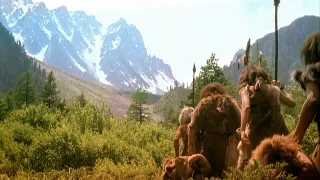
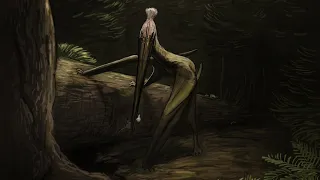
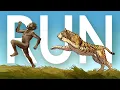
[Music] the shrieks echo out into the darkness Amplified by the Acoustics of the Limestone cave walls strange high-pitched warbles and shrill uncanny laughter resonate into the night over the sound of the pouring monsoonal rain the cool makers aren't worried have been discovered here 400,000 years ago and a few miles outside of what will one day be called Beijing they are masters of the world around them this is jodan which translates to dragon bone cave for its abundance of preserved Place toen material horses deer rhinos and humans or at least our ancestors Homo erectus was perhaps
one of our most accomplished predecessors they walked upright used tools and had brains roughly the size of our own and here in the Limestone caves of China the bones of over 40 individuals of this enterprising homin were laid to rest but they record a perhaps unexpected but not uncommon story of our history far from complete these bones are fragments not buried they were scattered across the cave floor long bone shards be deep pits and scratches and while there are at least five skull caps none of the skulls be faces at first these marks were interpreted
as signs of cannibalism brains are full of energy-rich fat and the shattered limbs are consistent with something trying to access similarly Rich bone marrow but slowly researchers realized that far from being the eron slices of stone knives these marks were made by teeth teeth capable of crunching through bone of ripping off faces these were the marks made by Pachi crocuta breev ostrc the giant short-faced hyena a 1.5 M tall brute this hyena was a deadly predator throughout the place to seen and much like its modern cousins Pache crocuta was more than capable of consuming bones
whole hyenas often swallow bone completely in their haste to access the marrow once a prey item has been dragged home to enjoy they rip off the faces to access the brains then they turn to the bone marrow snapping bone in their powerful jaws and this consumption of bone has an unusual side effect their waist is completely White full of excess calcium jodan bones match this pattern with astonishing Precision though homins are found at this site from 700,000 years ago to 230,000 years ago their bones are more homage to the incredible power and ferocity of ancestral
he hyenas than to the resourcefulness of our ancestors and jodan is not alone across Eurasia this story is repeated in most cases our ancestors didn't win and caves were more likely to ring loudly with the shrill cackles of hyena Pac than with the triumphant laughter of hominins in fact for most of our existence we have been just as likely to be prey as Predator so how exactly did our our ancestors move up the food chain and who attempted to stop us as we did it has not always been an easy journey and there have been
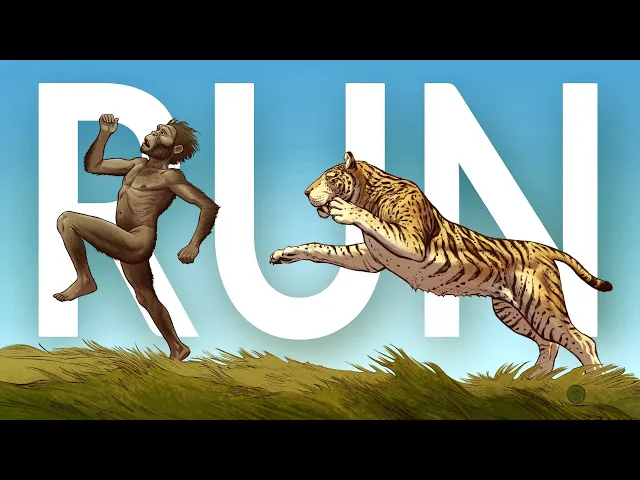
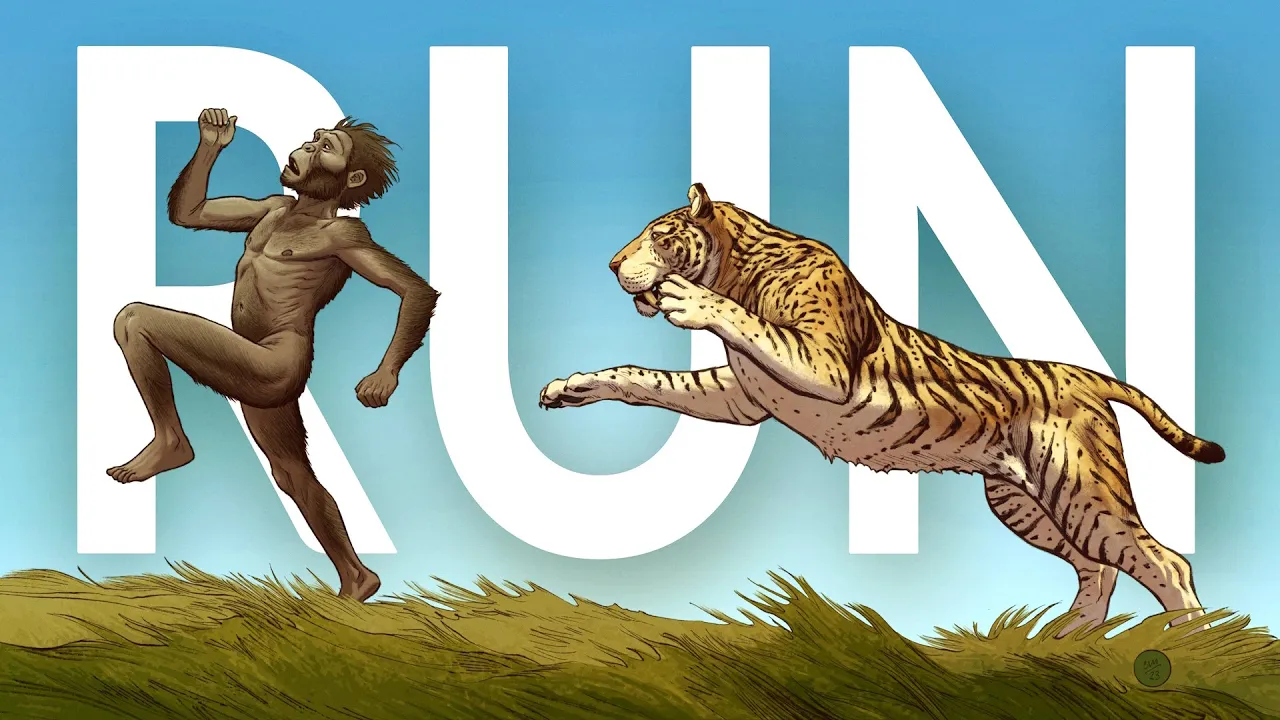
surprising missteps along the [Music] way [Music] 150 years ago a small boy named John Wade walked the Streets of London not too far from the docks on the temps it was a busy day with recent arrivals of ships from the East Indies dock hands were unloading their Curious fair and today's cargo was more interesting than most a set of wild animals including a full-grown Bengal tiger in a wooden crate like many of the passers by Jon watched with great curiosity as the tiger was unloaded and moved towards its new living quarters an iron bar cage
in the Menagerie of Charles jamra the tiger however was not so complacent as the animal was being guided into its new home it pushed out violently with its back legs and succeeded in dislodging the crate just enough to slide through the Gap dashing out of the Menagerie and into the yard for the 9-year-old John it was too great an opportunity to Miss he reached out to pet the tiger and Drew the cat's attention before Jon could pull back the 200 kg tiger was on him massive teeth closed about his head and the tiger began to
drag him down the street it is all too easy to lose our sense of danger when we think of ourselves masters of the world around us but we too are part of the food food chain consistent roles are assigned to organisms across the ecosystems of the earth herbivores eat plants carnivores and omnivores eat herbivores and then at the very top are the apex predators animals who are feared more than they fear others this is where humans tend to sit and perhaps this is what makes us cocky history and prehistory shows our roles can be reversed
far faster than we expect young John Wade was lucky his reminder wasn't lethal The Menagerie owner raced out into the street and beat the tiger across the head with a crowbar until it released the boy he survived though not unmarked his father reported that even once the bite marks had healed Jon continued to suffer nightmares and gained a reputation for biting children at school other tiger victims have not been so lucky indeed throughout history tigers have proven quite deadly nearly 400,000 people died from tiger attacks from 1800 to 2009 in Southeast Asia even today tigers
in the Sunder bands between India and Bangladesh kill 50 to 60 people per year even a single tiger can do incredible damage like the choat tiger which killed over 400 people over four years in the early 1900s in Nepal and India and so while we may be top of the food chain that doesn't mean we don't still share that position with others [Music] our position along that chain is called our trophic level where higher numbers mean that you have fewer things likely to eat you at the base of this food wear by autotrophs any organism
that can make a living from inorganic substances like rocks and carbon dioxide these include plants but there are also bacteria and algae that can survive this way the name autotop means self nourishing typical autot RS turn sunlight into sugars though others prefer a less palatable diet of hydrogen sulfide or methane the next wrong up the chain is reliant on autot trops these are the heterotrophs a word that means other nutrition humans whether omnivorous or herbivorous are all heterotrophic indeed all animals are heterotrophs as we gain our nutrients from eating things like plants or other animals
carnivore omnivore or herbivore all a het trops today's ecosystem has enough complex interactions between heterotrophs that there are three to four different distinct levels though geologically speaking these complex chains of trophic levels are relatively new 3 billion years ago life was less complicated autotrophic bacteria ruled the world many making stacked to layers of calcium carbonate as they built upwards towards the sunlight they digested rocks from this time period are Rippling Horizons of these bacteria secreted rocks known as stratales with no Predators these bacteria lived a presumably peaceful life their only competition other autot troughs their
only challenge harvesting enough sunlight to live grow and make the Next Generation but this agrarian World couldn't last not when ingesting another organism takes so much less effort and energy than creating your sugars yourself indeed we can see the disruption before the Predators themselves even fossilized we too still bear the scars of those first heterotrophs deep in our cellular structure all living animals plants and fungi are ukar meaning we are built out of a complex cell that houses our genetic material in a distinct portion of the cell instead of loosely throughout as it is in
bacteria in fact many pieces of our cells are stored away in distinct membranes like the mitochondria which creates the energy that powers our cells that mitochondria is an example of failed predation at some point in our history an ancestral cell swallowed and then failed to digest another cell left still living that consumed cell became our mitochondria in Plants it happened a second time with an autotrophic bacteria which became the first chloroplast now embedded in the cells of photosynthesizing plants and so a major sign of predation is increased complexity instead of living as isolated cells or
perfectly replicated colonies our heterotrophic ancestors began to form multicellular organisms each cell became responsible for certain biological tasks instead of others creating a more efficient organism capable of growing larger and moving more quickly both our heterotrophic ancestors to eat others and to avoid being eaten themselves as life continued to evolve heterotrophs sort out other forms of nutrition other heterotrophs in the Cambrian 500 million years ago we see a sharp increase in life's diversity of forms but many of these are for defense there are suddenly shells for protection protection and eyes to see the Predators or
your prey with each new evolutionary development the food chains of our early world became more and more complex each successive level of heterotrophs tried to kill without being killed leading to various diets and specializations herbivores omnivores carnivores scavengers and active Predators all the subdivisions of the food chain that developed as the easiest way for an organism to survive and our primate ancestors were no [Music] exception 10 million years after the death of the dinosaurs in the boughs of a sweltering jungle an ancient primate hunts for food on the small side it is less than 200
g in weight with a long face and surprisingly small ey which sit more on the side of its head than on the front it looks a bit like a tree shre but despite this carsters is indeed an ancestral primate one key similarity it uses opposable toes to hang onto branches though its ankle bones suggest it wasn't doing much jumping but whereas today's primates use their sight to locate food this ancient predecessor is not so well prepared its eyes are small and further to the side of the head giving it relatively poor Vision instead carpolestes hunts
using its sense of smell it's not exactly easy the smell of flowers and ripening fruit form a cloying odorous Cloud what will one day be the state of Wyoming in the United States is currently a thick rainforest the world is a hot house Climate about to reach its peak in a temperature Spike known as the paleocene eosine thermal maximum with unusually high levels of carbon dioxide rainforests have reached up into the Arctic and this expanded climate has given one particular group of plants the chance to evolve and flourish flowering plants formerly called [Music] angiosperms today
many of the world's plants are descended from these early angiosperms any plant with a flower or a fruit is an angiosperm and their sudden rise to dominance means that any animal capable of specializing on them is similarly successful the small and unspecialized eyes of carpolestes may not be particularly good at seeing distant fruit but its nose is certainly capable of detecting that ripening scent from a distance grasping feet give it the skill needed to climb for its food and its low crowned molers are fit to crush through soft fruit and resist sugar induced cavities from
a fruit diet the fruit doesn't mind this seeming sacrifice primates are very good at DIS dispersing plant seeds so much so that some fruit eventually evolve characteristics to make them even more tempting to primates thick skin that is difficult for non- primates to remove and large pits that are hard to swallow and thus easily spared carpolestes getss an energy-rich meal and the plant gets to send its seeds to a new location a win-win for the two of them the evolution of fruits and flowers was incredibly important for our primate ancestors it offered a new and
abundant food source with lots of sugar and thus lots of energy while all animals work to find foods that can fuel their bodies primates have higher energy requirements than most in part because of our larger brains there are two relatively abundant and seasonally consistent components of the ancestral and modern primate diet insects and leaves but each Source has its problems leaves resist Digest gestion full of complex molecules like cellulose which require some fermentation time in the stomach to digest small primates cannot eat enough leaves or spend enough time on fermentation to survive with them as
a primary dietary component and so for a small primate a few insects here and there are necessary to make a big impact on their energy intake meanwhile larger primates anything over around 500 G struggle to catch enough insects to use them as a viable food source instead they use their larger body size to properly ferment leaves and so for them leaves are a much bigger part of their diet than insects this is why today the primary insect and animal eating primates the foror are very small like Tas and the leaf eating primates the folivores were
often large like gorillas this trade-off is known as C threshold but there are ways around it the evolution of fruit provided one such alternative root fruit does not need to be fermented so it is easy for small primates to digest during the right season it is very abundant making it easy for large primates to acquire as well this has made Fruit just as important to primates as primates have been to the plants themselves and in the ever escalating battle to find more food some primates turn to nectar and even sap becoming Gores that focus on
the liquid produced by plants modern Gores like Metts have specialized teeth to help them scrape trees and encourage the flow of sap and sticky resin others are opportunistic eating sap that drools from insect wounds the shorter molers of carpolestes and its simple incises suggest that this primate was more focused on fruit than tree sap or animals and during the Paleo scene fruits were abundant but this greenhouse house could only last so long and with changing climates came changing diets 54 million years after that particular carpolestes sought out fruit in the jungle and our ancestors are
much changed in hominids our immediate family that includes all the different types of humans past and present as well as various ape species the evolution of larger and larger brains made energy acquisition even more important our ancestors also needed time to do things like make tools and socialize activities they couldn't indulge in if they spent all their time digesting lower energy foods so they focused on two nutrient rich food sources meat and fat but lacking in sharp teeth and Claws they turned to Tool making we see examples of these first Tools in a nearly 2
milliony old site in Tanzania known as Al V Gorge this Ravine was home to homo habis during the pia scene as evidenced by the tools they left behind though roughl looking these Choppers were incredibly useful the edges were sharp enough to cut through meat as slices and chips on the animal bones at alivi show this leap to using simple tools was shorter than you might think today we see primates like capuchin monkeys using rocks to smash open nuts an excellent starting place for Tool use in hominins but though these Choppers were sophisticated enough to pull
meat from bone they were kitchen tools not hunting tools and it seems our ancestors may have learned how to process meat long before they learned how to catch it instead Homo habilis and other early homins were likely Scavenging their food it also seems likely that they weren't just Scavenging for meat after all taking food from predators is a dangerous proposition but taking bones is an entirely different [Music] story few animals have the capacity or energy to break open bones to access fatty marrow hyenas have been one of the few whose teeth and Jaws are strong
enough to do so this meant that uncracked bones were fairly accessible and ready for harvesting indeed humans today still show certain adaptations for this Scavenging lifestyle after all Scavenging comes with many dangers including food poisoning and so human stomachs have evolved an incredibly low and acidic pH acidic stomachs help to break down the bacteria founding carcasses and our stomach acid is on par with other scavengers even more acidic than most carnivores and omnivores but even prepared with stomach acid and tools the Scavenging lifestyle was dangerous and while bones were less utilized by other animals they
weren't abandoned completely after all while hyenas today are limited to Africa they were much further spread in the place to scene hyenas and hominins were in direct competition for carcasses throughout much of our history and in most cases it seems the hyenas won but not all one site in southern Spain shows the signs of one of these prehistoric standoffs archaeologists in 2001 uncovered a partial skeleton of mammoths meridionalis the southern mammoth analyses of the bones suggested this Mammoth died of natural causes its teeth were so worn as to be incapable of eating a common cause
of death in modern elephants but while the animal's death was not dramatic the fight over its carcass certainly was all around the carcass there are signs of the competing scavengers broken tools from people and a characteristic bone white feces of hyenas but the clearest sign of hominin Victory is actually in what is not present the legs these have been removed from the carcass and are a good indication that hominins arrived first on the scene legs have plenty of meat and bone marrow and are relatively easy to carry and by taking their portion of the carcass
elsewhere these hominids successfully avoided fighting and likely losing to the hyenas and so in some cases we one by default but only some often our ancestors weren't so [Music] lucky 27 million years ago a nocturnal Predator stalks the Trees of ancient England its large eyes take advantage of the low light letting it see the flapping wings of moths collecting on a tree trunk to drink sap that spills on the surface the moths are unaware they're being hunted which makes it easy for this Ambush Predator to slowly sneak up on them once close enough the hunter
strikes in a Flash microc CO's dextrous fingers snatch a moth from the sky the Taral like primate bites the moth's head clean off then swallows the rest it's not a complete meil but it's a start but micrus is not the only predator on the aisle of white for as this small primate goes to grab another moth something strikes from above it moves silently how Taria friend would have neither seen nor heard it coming and its Talons cut short micro corus's life as quickly as a moths and indeed this story is written across mico's Bones the
small jaws found in the headen hill formation are etched in acid showing they spent time in a predator's stomach the acid primarily affects the teeth and the jawbones are left unmarked suggesting it was swallowed whole while the gum line was intact and the fact that the bone is still intact at all this suggests it was thrown up after the meat had been digested all of this evidence points to a singular group of predators [Music] owls well less frightening to humans perhaps owls and other birds have been a terrifying predator for primates in the past many
other early primate bones in Europe and the Americas bear the same acid etching as the ill- fated micro coas the small primate vtix found across Europe during the EOS scene has teeth that is similarly lacking their outer coating and may have been digested then regurgitated by owls in the United States Lima like organisms like fenal Lima and Taria like organisms like stinus are also preserved in accumulations made by owls in fact in some ways we owe a considerable amount of our primate fossil record to the acts of owls while many birds of prey will produce
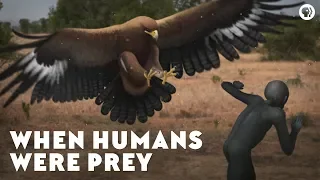
some sort of pellet of indigestible Bones and fur owls are far more complete because they lack the necessary stomach acid to digest them owls often spit up pellets in the same locations leading to massive accumulations of small mammal bones including our primate ancestors but while we have them to thank for our fossil record other birds are still collecting these bones today and some are primate Specialists take the harpy eagle for example a meter long Eagle that lives throughout South America though it weighs only 9 kilos that makes it more than capable of subduing small primates
like squirrel monkeys and capuchins in fact nearly 50% of their diet is primates they're also capable of taking down primates closer to their size like howler monkeys but a limitation exists for Birds they rarely kill what they cannot carry home to their nest this means that outweighing a bird by a considerable margin makes you less likely to become prey as a result increasing size was an important defense against predatory Birds yet most primate species both today and throughout history have been smaller and this is because while being eaten alive by predatory Birds may be a
bit of a negative being small can help primates find enough food to survive even in hominids our ancestors were relatively small for a very long time the first humans sized hominids may have been only 3.5 million years ago with Australopithecus showing that for a long time we were small enough to be fearful of the skies but of course just being larger than an eagle does not free you from predators there's always another Predator waiting take leopards for example baboons in Africa are much larger than South American monkeys weighing in at up to 40 kilos yet
up to 70% of baboon deaths are the result of predation by leopards alone being in a bigger weight class does not save them as dial animals baboons are most at risk when they need to rest leopards are nocturnal and prefer attacking when the baboons are sleeping their attacks are so successful that even the baboon's typical cautionary measures seem pointless for example some baboons have been observed sleeping in trees or high up on cliffs presumably trying to avoid being eaten it has not worked leopards have proven themselves more than willing to scale these obstacles to hunt
the primates though leopards have only been around for 6 million years or so that doesn't guarantee the safety of earlier homins prehistoric Africa was a land full of different predators and to make matters worse often these predators coexisted in the same region at the same time meaning there were multiple species requiring different techniques to avoid in the water lurked enormous crocodiles like crocodilus anthropophagus the suspected culprit for the crocodile bite marks on hominid bones in alivi Gorge nearly 8 m long this crocodile was named for its suspected Behavior anthro means people and fargus means eer
indeed several of the Homo habilis species from alivi have distinct crocodile tooth marks in their feet and ankles the same specimens also bear bite marks from leopards with the true Killer versus scavenger still undeterminable outside of the water wasn't safe either the Savannah was prowled by fast to long-legged hyenas and the 200 kg simitar toothed home theum home aetherium had smaller claws than most Sabertooth cats at the time who was no less deadly for it instead this me it could Chase its prey through the grasslands at great speed it attacked in groups and with nearly
10 cm long fangs homean packs would have certainly been dangerous to hominins if they chose to hunt them even the Shaded Woodlands were not safe for under the cover of trees great Ambush Predators made their home the giant short-faced bear angri oium stalked through the open Forest tied only with aradus in size this bear likely weighed nearly 540 kg nearly twice the size of a Siberian tiger but despite its massive size agrium shared omnivore in common with modern Bears while they likely ate hominids when convenient they were were probably easier to avoid than the many
Woodland cats of the time why fear a bear when the semi arboreal saber-toothed Dino felis could stalk you from the Treetops or leopards could hunt you across Cliffs one difficulty in determining the true danger these Predators presented is that the evidence of active predation is often the same evidence as Scavenging even today many man-eating species are more likely to scavenge corpses than take down humans themselves indeed modern-day hyenas are known to dig up freshly buried bones therefore even if bones do hold bite marks these are just as likely to indicate crimes of opportunity and even
bite marks themselves are relatively rare after all most carnivores attempt to eat meat not bone so to find more evidence of these Predator prey relationships scientists often have to look a little closer at the chemical makeup of the bones themselves in particular they record the relative trophic levels of predator and prey and attempt to piece the two together one such trophic clue is nitrogen an element of many forms that gets preserved in fossil teeth there is an isotope of nitrogen that gets concentrated at higher and higher trophic levels higher up the food chain a heavy
element called nitrogen 15 the more carnivorous an animal's diet the more nitrogen 15 in its teeth and those predators that ate other carnivores and omnivores would have an even denser concentration this means that the moderate level of nitrogen 15 in home theum suggests its diet was primarily herbivores like mammoths however the high level of nitrogen in Dino felis is consistent with eating omnivores like the early honin paranthropus as a result we can tell where hominins fell in the food chain even when bite marks and gouges weren't preserved though of course there are a few cases
where the evidence is a little more obvious take the skull of a young Australopithecus Africanus known as the tongue child the evidence of danger from above is clearly carved into their skull great gouges in and around the eye sockets and distinct scratches crisscross the forehead and cranium the preserved marks of very large Talons these marks are not familiar to scientists for similar marks are found on monkeys eaten by crowned Eagles or Harpy eagles but this raises the question How Could An Eagle have taken down something as large as an early hominin indeed other fossils of
Australopithecus show us this genus was relatively large 150 cm tall 35 kg in weight but the key here is the age according to dental records the tongue child was only about 3 years old when they died small enough for a hungry Eagle to transport without too much trouble even when the adults of a species are too large for a bird to transport their infants often aren't and so size increases alone were not enough to keep them safe what other methods could hominids have used for protection we can take Clues from the behavior of modern primates
perhaps they use different types of habitat at different times of the day after all if enormous Eagles are active during the daytime in the woods it makes sense to be in the savannah during the daytime if possible thorny Acacia bushes may have offered defense as well and early hominids could potentially have used these as shelter perhaps the most important element was [Music] fire it's not clear precisely when hominids mastered fire after all fire occurs naturally and the the burnt remains of a passing fire can be transported easily by water into different habitats archaeologists hotly debate
the timing of human caused fire with some thinking it happened nearly 1 and A2 million years ago in Homo erectus lining up with a marked brain size expansion as a result of cooked food fires would have offered powerful protection against predation but not just the actual flame itself burned habitats are often avoided by Predators especially animals like lions who are easily sported in the open landscape so in that sense lighting fires not only helped hominids digest food it helped them avoid becoming it and Fir making items weren't the only things clasped in our ancient ancestors
hands for in the end it was tool use that would set us apart from other predators and help to break our role in the food [Music] train [Music] in the hot afternoon sun a small primate hides away in a tree Hollow to take a nap they are tiny covered in fur and have large red brown eyes when they're awake at least in the evenings this bush baby also known as Galo will prowl the Woodland to find eggs insects and fruit to supplement its diet but they will not make it to Nightfall a group of hunters
are approaching each bearing a stick in hand they've sharpened these sticks into points with their teeth to create Spears one of them climbs the tree the bush baby has chosen to sleep in it finds the hollow and shoves in the spear stabbing inwards towards the sleeping prey at first the hunter strikes blindly not sure if there is prey in the hollow or not though when they pull their spear out and see blood they know they found a meal but these primate on primate Hunters are not humans nor any ancestor of humans at all these are
present day chimpanzees working together they probe trees with sharp sticks to find the Galos different groups of chimpanzees are known to have different food preferences and while those in fungal enjoy bush baby chimpanzees and gambe prefer the harder to catch Red colbus Monkey red colbus are relatively small primates weighing less than 9 kilos though they are enormous compared to the 1 to 2 kilo bush baby they're also dial making them less of an easy target than the sleeping nocturnal GGO as a result chimpanzees have learned to hunt them in groups the Gade chimpan will team
up in groups of 10 and chase the monkeys into the trees unlike the bush babies the col lus monkeys fight back mobbing chimpanzees in an attempt to scare them off but the chimpanzees are not so easily deterred like any predator they keep an eye out for the weak ones which are grabbed and then dismembered by tooth and hand so prized to these colbus monkeys the chimpanzees have put them at risk of local extinctions through over hunting and so their Spears may be primitive but they are powerful and these ingenious Spears were likely made and used
by early hominid Hunters as well of course wood is not as easily preserved in the archaeological record as stone is but still the earliest confirmed weapons are wooden Spears they come from a Pete Boog in Germany called shuringan Pete bogs are a good environment for preserving organic material they form when wet and water logged areas accumulate mosses and plant material fagna moss in particular has remarkable preservative properties it cuts off oxygen to the ground below it and creates a mildly acidic layer beneath it that prevents bacteria from breaking down vegetation over hundreds of thousands of
years the Moss and plants pile up and preserve animals humans and artifacts that fall into their midst the particular Pete bog the preserved Spears in shaan dates back to 300 or 400,000 years ago forming in a lake that was left behind by a melting ice sheet and it has remained wet and un oxic ever since the preserved Spears are around 2 m long and sharpened a little better than the spears made by chimpanzees both ends are sharp and they appear to have been scraped with Flint instead of fangs and though the spearm makers are not
certain they may have been homo hyle bensis or possibly Neals regardless of the maker these Spears were only the tip of the hunting Revolution after all meat provided our ancestors with plenty of calories in less time giving them more time to focus on creating new better weapons and to take care of their children why fight for meat with a lion or hyena when you could obtain it yourself to start with over time our bodies evolved to become even better at hunting in Homo erectus we already see the signs our shoulders have adapted instead of being
useful for climbing they have developed in a way that is better for growing Spears our Jaws are changing as well becoming smaller and weaker we had learned how to cook our food to make it easier to swallow and of course our hunting technology changed and improved in North America people began hunting with large fluted spear tips known as Clovis points these large stone tools may have helped them hunt large animals like mammoths and sloths indeed in South America around 13,000 years ago the thick fishtail points showed up for the same purpose indeed it seems our
ancestors became good at hunting quite quickly unlike many predators we were able to hunt animals in their Prime not just the old and sick strong adult animals had greater fat reserves supplying us with more energy with less effort and just as nitrogen Isotopes revealed our Predators many Millennia before those same Isotopes begin to show how we moved rapidly upwards through the trophic levels we even hunted other carnivores and omnivores like bears as the ice ages came to an end it became clear that Humanity had not just claimed the food chain we had helped to drastically
change it scientists still debate the exact role of ancient humans in the extinction of megap fora across the world during the latest Ice Age being hunted assuring didn't help and as humans learned more about agriculture and food production we continued to modify food chains across the world we now even to farm animals using breeding techniques to ensure they are even easier to acquire and more docile and delicious than ever we grow crops for ourselves and our livestock changing the natural environment and chasing out unwanted wild Interlopers our impact on the ecosystem has altered herbivore populations
which in turn has impacted other Predators this level of power over our environment shows we are in a much different trophic level than we started out in we are no longer pressed to rise up the food chain instead we've had to modify our own behavior to prevent extinctions of animals on Lower rungs we take tigers and put them in preserves we warn fishermen to stay at Bay indeed in Ethiopia our old predators are now often relegated to nuisances hyenas have to be relocated from airports to allow our planes to land we are now the stewards
protectors and sometimes killers of the animals that once hunted us you've been watching the entire history of humankind don't forget to like And subscribe and leave us a comment to tell us what you think thanks for watching and we'll see you next time [Music]