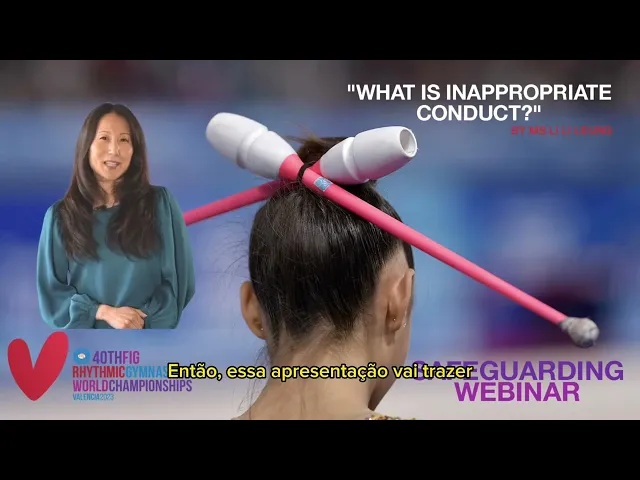
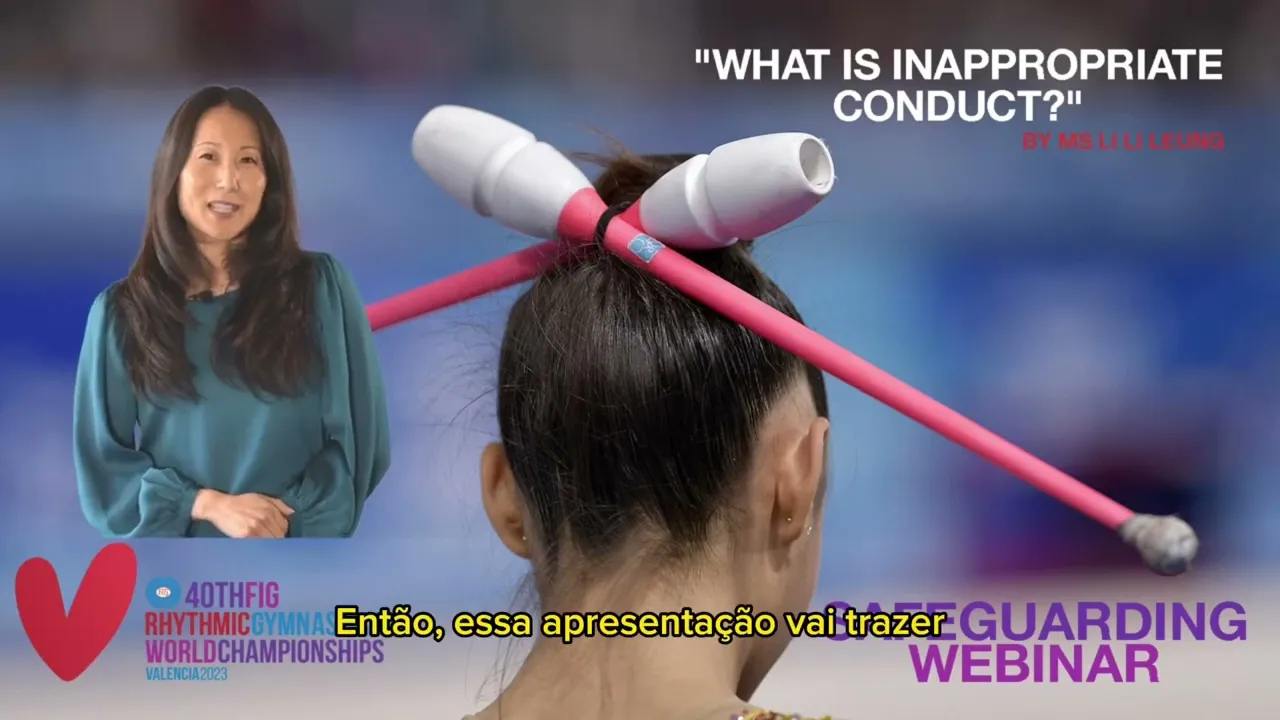
so this presentation will cover an overview of inappropriate conduct how to identify it and we'll also review some examples of it we'll begin with the importance of fostering a safe environment every athlete has the right to train and compete safely regardless of level and whether they are learning a basic gymnastics skill or representing their country on the international stage that is why it is important for gymnastics professionals to foster a coaching environment that is actively working to prevent inappropriate behaviors that can lead to misconduct and abuse and this happens due to an existing power imbalance
every athlete has the right to train and compete safely regardless of level and whether they are learning a basic gymnastics skill or representing their country on the international stage that is why it is important for gymnastics professionals to Foster coaching environment that is actively working to prevent inappropriate behaviors that can lead to misconduct enemy abuse and this happens due to an existing power imbalance USA Gymnastics has identified three primary forms of abuse and misconduct sexual physical and emotional misconduct during this presentation we'll provide an overview of each form and examples of inappropriate behaviors that may
lead to abuse our belief is understanding such behaviors will help prevent abuse and help provide athletes a safer and healthier environment now let's first address power and balance and control coaches should and need to recognize and respect that they innately possess a strong and unequal power over their athletes misuse of this power can lead to sexual physical or emotional abuse some examples of power misuse are deciding who will or will not be part of a team based on favoritism or choosing athletes they can control discouraging medical or mental health treatment requiring excessive exercise for the
purpose of punishment creating a culture of fear that discourages athletes from voicing concerns about their health and safety moving on to emotional abuse and misconduct emotional misconduct is a form of abuse where tactics of intimidation humiliation and verbal abuse are used to gain control of another person the behavior is usually prolonged and repeated and occurs when a power imbalance exists such as between the coach and athlete some examples of that type of abuse are a pattern of verbal abuse such as name calling yelling and repeated personal attacks secrets that are encouraged so saying things like
what happens here stays here if you tell your parents you could be off the team making the athlete feel that they are to blame or at fault so saying things like it's your fault because you don't want to win enough or you misunderstood what I said I would never say that that or even it was a joke and you can't take a joke physical misconduct that includes any action or behavior that causes or reasonably threatens to cause physical harm to another person some examples of physical misconduct are hitting pushing or striking of any kind choking
shoving or any action that places hands on the athlete for the intent to frighten or harm them forcing an athlete to hold a painful stance that serves no purpose of training withholding hydration nutrition food or sleep conditioning against the medical advice of a doctor when an athlete is injured or when the athlete exhibits signs of physical illness or forcing an athlete to train when exhibiting physical reactions of sickness or injury shaking or crying and lastly sexual misconduct sexual misconduct is a type of misconduct that uses power control or intimidation to harm another for the purposes
of sexual gratification or violence this includes any sexual conduct with a minor or inappropriate conduct of a sexual nature some examples of that include touching slapping or otherwise contacting the btics or genitals excessively touching or hugging making unsolicited sexual advances using sexually degrading words to describe an individual or an individual's body telling inappropriate or sexually related jokes retaliating against an athlete who refuses sexual advances offering rewards such as team promotions in exchange for sexual favors or giving inappropriate gifts such as lingerie or jewelry for the purposes of grooming please note that sexual nature of a
minor by someone known to the child is often proceeded by grooming behaviors grooming occurs when someone intentionally engages in a series of manipulative behaviors to gain a family's or a child's trust in order to sexually abuse a child now I'm going to explain some ways to support athletes it's important for you to express care and concern for your athletes physical and mental health you can support your athletes wants and needs for outside of the sport activities such as family time spiritual services or school it's important to listen to your athletes feedback and confirm what you
heard you should also encourage your athletes to use their voice in matters that impact them and include them in the decision- making and Empower your athletes by informing them of their rights to be in a safe and supportive environment so this is just an overview of identifying inappropriate behaviors and some examples of how we categorize misconduct in the US there's more in-depth information related to preventing these inappropriate behaviors I hope you found this helpful and thanks so much for for your time