the thought of buying your first home may feel exciting but also intimidating as this is probably the biggest Financial purchase you will ever make in your life today I want to break down the 10 essential steps of buying a home these come directly from my personal experience helping hundreds of home buyers like yourself through their home buying purchase grab a notebook cup of coffee energy drink if you will I've got a little bit of a longer video for you today but I promise it's going to be worth it because today I'm going to answer all
of the questions you have about the home buying process so let's get into it the first step to buying a home is to plan your finances I like to divide this up into three separate categories that are going to be essential to setting you up for Success savings income and your credit score when I talk about the savings needed to buy a house I'm talking about money that you are going to save up that will specifically go towards covering your down payment as well as your closing costs or fees if you will associated with getting
the loan and buying your house there are tons of different loan options out there that range from zero down payment all the way up to 20 plus per. now depending on your financial situation and how much money you're going to put down that obviously is going to factor into how much money you need to save as well I would say as a benchmark don't plan on using a down payment assistance program right off the bat because keep in mind the more money you have saved for your purchase the better off you're going to be Financial
it's just going to be a lot less of a headache so I would go ahead and say let's plan for kind of the the typical minimum down that you would need which would be a three and a half down for an faj loan fa loans are great for firsttime home buyers now that 3 and a half% down payment does not also factor in your closing costs so closing costs like I mentioned are those fees associated with getting a loan and buying a house this is going to cover things like your title work any of those
loan fees things like prepaids for maybe mortgage insurance or your home insurance all sorts of things go into that so I would go ahead and also budget an additional 3% for your closing costs so let's just say as a benchmark what you would want to do is save up about 6 and a half to 7% total of your purchase price or the home amount to cover the down payment and closing costs because keep in mind mind closing costs are going to be by default your responsibility as a buyer it's not always the case that those
can be negotiated and paid for by the seller also you are most likely going to have to have a down payment I'd say it's just better to go ahead and plan for one there are tons of other videos on my channel that cover down payment assistance programs we cover how to negotiate closing costs so if you don't have these or saving up that money is going to be hard like don't automatically get discouraged but I'm just kind of sharing the best practices now in terms of income that's super important when buying a house you are
going to want to be able to show that you have been gainfully employed over the last two years now I want to elaborate on this a little bit this doesn't mean that you have been at your same job for the past two years necessarily but they just want to see that you have had a good work history for at least two years like steady income coming in so this means you know steady hours if you're hourly it can also mean like no large gaps in employment if you haven't been working for a full two years
that's totally fine as well things like schooling or some type of trade program where you need to go through like maybe an apprenticeship before you can actually start your job can all be counted towards that work requirement now in terms of credit score a great Benchmark is to aim for a 620 or higher that's likely going to be considered a good credit score in lender eyes now there are some loan options that are going to start at a lower credit score than that but just keep in mind that if your score is lower and this
goes for any spouses or co-borrowers as well on your loan that the lender May charge extra fees or a higher interest rate or even require a higher down payment to give you that loan so for any of you who are trying to like set yourself up for ultimate success I would say try to aim for like a 740 as your median credit score that's only going to help you out it's going to offer you many more loan options as well as much more competitive interest rates so if you've listened to everything that I've said so
far and you feel like you were in a pretty good spot to start the home buying process financially you're going to move on to step two which is hiring a realtor now it is so important to hire an agent to represent your best interests as a buyer keep in mind that sellers are going to have their own agent to represent them they are not going to represent your best interests they are really just representing the seller so if you were to work with with them exclusively or call them and try to buy a house just
know that it's their job to kind of negotiate against you so to protect yourself and not have someone who is like a trained negotiator working against you it makes the most sense to hire a buyer's agent to represent you and your purchase alone so that is oftentimes the the role that I will take and I will work directly with my clients to negotiate against all those other people and try to get you the best deal possible now usually hiring a buyers agent does come at no cost to you because in most cases sellers when they
sign a listing agreement they will agree to pay their agent a commission and then usually those agents share their commission with the agent that brings the buyer to the home now this isn't always the case necessarily like there could be a time when maybe you want to see a for sale by owner property and that owner is not willing to pay any type of realtor commission uh maybe the the owner of a home even if it h it is listed with an agent maybe they're not offering uh a ton of commission and it would be
difficult for an agent to split it uh just know that there are some cases where you could as a buyer be held liable for your agent's commission so just have that conversation with your agent Upfront for me personally how I handle that is I always tell my clients that I can see the commission that I would receive on the front end before we even look at a home and I will let you know if you know I would need you to cover my commission and that has only ever come up in my personal experience when
we were looking at for sale by owner homes I'll either reach out to the owner and they'll say yes we'll pay you a commission if you bring us an acceptable offer or no we won't and here's why so don't be alarmed to have those conversations upfront with the agent that you do decide to hire and I will also let you know that a lot of times agents are going to want you to sign a buyer agency agreement this is something that that I have my clients sign up FR and this basically says that you as
a buyer are hiring me to be your agent to represent you and this is my commission that I expect to get and it kind of in detail legally outlines our whole relationship as a you know realtor and a client and how that process is going to work it's also going to allow me to either represent both parties or just one party and all of that is lined out I like to do this upfront because I want you to know that we're going into this together and I'm not just going to abandon you and you're not
going to abandon me and I'm not going to work for somebody else behind your back I do this on the front end so don't be afraid of other agents do that as well when you are trying to find a great agent to help you out you're going to want to try to find someone who is very familiar with the neighborhoods and the cities that you are looking at as well as someone who is used to working with first-time home buyers there are a lot of first-time home buyer loan programs out there there may be certain
grants and just sometimes the process comes with certain new nuances you may need a little bit more explanation on some certain things than experienced home buyers and sellers would so it's important to work with someone who knows how to handle that if on step two you're already kind of feeling like this is a lot of information don't stress about it I have already done this part for you so if you are ready to get connected with a realtor start the home buying process you will find a link in the description of this video and if
you take the minute to tell me a little bit about your buying timeline where you're looking to buy I will make sure that you get set up with someone who is is just as great as me with explaining things who can help you walk through the home buying process once you have hired a realtor the next step is to get pre-approved for a loan now as we've talked about there are so many different loan types out there and I think a big misconception is that certain lenders only offer certain loan types and that actually couldn't
be farther from the truth most lenders are going to offer the the wide range of you know very uh regular common loans so most lenders that you go to are going to offer a conventional VA FHA and nowadays A Lot are offering the USDA loan as well so it's not like you have to apply for a loan over here that's conventional apply for the USDA over here a lot of times these lenders can quot you and offer you all of these options which is great so there are many places that you can go to get
a loan the first thing that I would recommend that you do since you've already been connected with and hired a great realtor is ask your realtor do you have any lenders that are great that you've worked with who's you know your clients have been happy with that you know you you suggest I call and reach out to Realtors cannot receive a kickback for giving you a recommendation for a lender that is completely illegal so this is a great way to kind of pick your realtor's brain a little bit and see who they honestly have really
enjoyed working with and uh get those connections up front front a lot of times these are going to be local lenders who you can talk to easily on the phone maybe you can even visit their office and that just does oftentimes help a transaction go very smoothly in addition to this you can always ask for recommendations from other friends or family members you can go to a mortgage broker who has the ability to kind of take your application and then try different loans with different lenders and kind of give you a good picture of what
different options are available to you with your income and credit score you can go to like your local bank or a local credit union they also have some great loans and then there's also a ton of like big online lenders as well you know them the quick and Loans the rocket Mortgage Services like ownup there's tons of them out there uh to choose from now it is very important to shop around for a loan when you are applying for a home loan regardless of whether it's with a local bank or someone online usually you are
going to fill out some type of online application form whether that's sent to you or already posted somewhere and lenders are going to want to look at a few things with that they're going to want to see a month of pay stubs two years of tax returns 2 years of W2s or 1099s your two most recent months of bank statements as well part of getting pre-approved is going to be a hard credit check it is essential for lenders to do a hard credit poll because they need to know accurately what your credit score is that's
going to be the only way that they can quote you an accurate interest rate understand that this hard inquiry is only going to drop your credit score maybe up to Five Points like it's not going to tank your credit score by any means and with this you are going to have a 45 day period to shop around meaning let other lenders pull your credit as well fill out your applications with them submit your documents to them and compare the loans that they're able to offer you compare the rates compare the fees and you can do
all of that during a 45-day period and all of that will be grouped together as just one hit one hard inquiry so it's a great way to shop around just like we're having Black Friday right now you wouldn't just go online and pay full price for something you want to kind of compare your options because you could be locked into this for the next 30 Years so it makes sense to spend a little time and compare the interest rates and fees once you've gotten pre-approved it is time to move on to step four which is
to start house hunting this is the most fun part for most people my huge Pro tip here is to before you even start looking at houses online make a needs versus a wants list think about your family situation think about how many cars you have think about if your family might be growing while you live in this house and think about all of those needs versus the wants and make a list kind of depicting both not only is this going to help you when you start looking at homes in person but it's also going to
be a great thing to pass on to your realtor because then as a realtor I can see exactly what you want in your home and I can make sure to guide us towards homes that are going to be the best match for you it's so easy to all of a sudden you get that pre-approval letter and then bam every house is open to you like the world is your oyster and you just instantly get overwhelmed during the process so that needs versus wants list is going to be so critical and it's going to be something
that you're going to rely on and go back to to help you make the right decision I'll go ahead and let you know that if you and your realtor are on the same page meaning that you've done a consultation up front you signed your buyer agency agreement you went through the loan process you got preapproved and you've made your needs versus wants list you probably won't need to look at many homes in order to find the perfect fit I would say that if you just feel the need to go look at 20 homes like you
needed to do that before you even started this process like go to your open houses on your own time and get that out of your system because needing to look at 20 homes isn't going to help you when you are in the the buying mindset like this is purely like not entertainment it's not House Hunters it's not selling sunset at this point it is making the biggest financial decision of your life or at least the next few years so you need to be very strategic with that and you don't need to distract yourself by looking
at homes that aren't going to be the perfect fit just because you know like they're really cute so that's just something to keep in mind now after looking at a few homes you'll likely find one that is good enough to make an offer on that's step number five it's very important not to wait too long to make a decision on a home whether you want to make an offer or not there are going to be multiple buyers most likely looking at the same home that you are even if it's a the slower time of year
so just keep in mind that even going home in the evening and saying oh we'll take a night to think about it and we'll reconvene in the morning could make you lose out on a home so understand that time is of the essence when you're looking at a home and deciding to make an offer now when you have found the perfect house and you decide to make an offer understand that there are so many different terms that can go into that and if you feel like it would be beneficial for me to make a video
kind of breaking down how to write an offer like what term go in that let me know in the comments and I'll definitely do it but for the means and purposes of this video you'll you rely on your realtor to help you understand those terms and write up the offer when that is submitted to the seller typically in my market of Arkansas the sellers will have about 24 hours to make a decision I know that that time frame can differ depending on where you are but the sellers will have three options on how they respond
to your offer first they can accept it which is they accept your terms exactly how you've written them that's obviously the best case scenario the second thing that they can do is they can just flat out reject it they don't have to give any reason it's just rejected they don't like it if you get a rejection it does not mean that you can't submit a new offer just understand that and then the third option that they have is they can counter your terms which is basically saying you know yes we like your price that you
offered yes we like you know the closing costs but we you know want a different closing date or something so they can counter your terms and then if you do get a counter you have the ability to agree to that and then you're under contract and if you reject it you can either move on to a new property or you can submit a whole new offer to them if you are able to come to terms with the seller meaning that they either accept your offer right off the bat or maybe you have to negotiate some
of those items on a counter then you can move on to step six which is your due diligence period during your due diligence period you are not only going to have the opportunity to perform any inspections that you see fit on the house but also will go ahead and get your home insurance as well now a general home inspection is going to be probably one of your only outof pocket costs during your home buying experience typically this is around $400 to $450 and it's due on the day of your inspection inspector is going to go
through the entire house you know in the crawl space in the Attic on the roof and really just check it out and give you what I like to consider a report card on the overall health of your property now keep in mind that you are hiring this inspector to find issues or items of note with the home so like the ter people always say like did the House pass inspection like there's really no pass or fail because I mean I've seen people I've bought homes as is where there is an inspection that is lengthy lengthy
lengthy but I mean it didn't it didn't not pass the inspection it's it's really just like a report card like here are some things that are in great condition here are some things that might need some updating and some work so in addition to having the home inspection done understanding that these home inspectors are more of trained generalists they understand you know what is code in your area they can look at things but they're not like licensed professionals so they're not HVAC texts they're not roofers so you may choose depending on the findings of your
home inspection to have some of those professionals come out as well and give you a second opinion during this due diligence period now in my market this period is 10 business days so two full weeks and in addition to that Home Inspection you may choose to get other inspections done this is the time to do anything like a a mold test an air quality test maybe a lead or radon test anything that you see fit can be done during this time additionally this is when you are going to want to get home insurance quotes it
is going to be very important to get home insurance protect your investment but then also your lender is going to want to make sure that you have that as well so collecting quotes during this time is a great thing to do make sure that you can get pretty affordable home insurance on your property and some properties may be subject to additional types of insurance so think like flood fire hurricane earthquake insurance depending on where your home is located at the end of your due diligence period period you will need to review your inspection report and
see how you want to move forward this would mean that you're moving into step seven which is potentially negotiating repairs now unless you bought an Asis home where you wrote in your contract like I'm taking this in its current condition as is you have the ability as a buyer to negotiate repairs with the seller how I like to handle this with my clients is letting them know upfront that any items that are not operating in in working order like how they're supposed to run are warranted things to ask for in this negotiation of home repairs
you'll even likely have this if you decide to purchase a new construction home they may also call this a punch list if you go that route once they receive this list they'll likely take a few days to review it in my market they have five business days so like a full week to review your requests and they will probably go ahead and get some quotes of Their Own to see how much these repairs might cost them at that point they have three options it's similar to negotiating your original offer they can accept your requests and
say yes we will go ahead and address all these repairs they can reject your repair list and say nope sorry we're not doing any repairs that's pretty unlikely if you didn't already negotiate an as's contract most sellers are going to be reasonable about reasonable things so don't stress about that too much the third option is that they can counter your repair list so they'll say yes we'll take care of a b and c but not D and then you guys would go through a negotiation period back and forth and see if you can come to
terms on those repairs so that both sides feel comfortable and are excited about moving forward once those repairs have been agreed upon you will move on to the next step step eight is the appraisal now the appraisal is going to be ordered by the bank and it is is honestly only there to protect the bank is not necessarily going to be a good determination of the actual market value of your property but what the bank does is they send out an appraiser to give them a value of what the Appraiser's opinion of the value of
the home is and this is purely to protect the bank and the bank's financing that they are giving you they are not going to give you more money for the home than they deem through the appraiser that the home is worth so just know that this appraisal can come back in three different ways one the house can appraise at your sales price meaning if you are under contract for 300,000 the appraisal comes back at 300,000 option two the appraisal can come back with a value higher than what you are under contract for that's great that
means that you could potentially have a little bit of builtin equity in your home and depending on if that value is higher you may be able to work with your lender to negotiate some extra closing costs or things like that the third option is that the appraisal could come back below the value that you were under contract on the house for if that is the case you may need to do a little bit of renegotiating on your contract usually like I said reasonable sellers are going to probably come down on their value and come to
the appraised value so that the transaction could keep moving forward no one is usually trying to work so hard against the other party in these real estate transactions so if if everything is going smoothly and let's say that the house appraised for like $5,000 less than you're under contract for you may be able to negotiate a little bit of a better deal because it didn't appraise one extra note that I want you to keep in mind regarding appraisals is that sometimes depending on the condition of the property and also depending on your loan type appraisers
may have specific notes and repairs of their own that need to be taken taken care of prior to your closing I see this most commonly with VA and FHA Loans because those are typically a little bit stricter when it comes to the health and safety standards that the appraisers are looking for so one thing that you can typically always say is like for those types of loans like a USDA an fhaa a VA understand that like this house has to be like in good livable Condition it's like not really a fixer upper so like the
home has to have the basic appliances like I'm not talking about refrigerator but like it has to have a range for cooking it can't have like you know open drywall it needs to have floor coverings for example like it can't have like pulled back carpet uh another thing is like handrails are a big thing like if you have stairs there needs to be a handrail there so if you are under contract let's say you're using an FHA loan and your appraisal comes back and let's say the value is fine but the appraiser know some items
that need to be added they will write that in there and you will likely get a copy of that your agent will get a copy of that and you'll need to send that over to the seller's side and they will need to make those repairs that were requested in the appraisal prior to your closing and that's going to be important because the appraiser will need to come back out to the property and check that those things have been done to give the bank like an all clear to give you the loan so just just keep
that in mind as well there could be add additional repair items that are necessary for the appraisal doesn't always happen but I'd say if you're trying to push the limits with the property condition you may see that and I know that's a little tricky so if you have like specific questions uh let me know in the comments below and I'll happily tell you kind of what my experiences have been with those appraisal repairs if you have made it through all of these steps you have had your home inspections you've negotiated repairs you've ordered the appraisal
and the appraisal has you know come in fine the value is fine no repairs the next step is Step nine which is going to be your final walkthrough this is going to be your opportunity before closing usually done maybe the day before closing or even a few days prior to where you go back to the house and you check up and see like is the house still good is it still in the same condition as I'm expecting hopefully it didn't have any you know negative adverse changes since the time you went under contract additionally this
is your opportunity to make sure that those repair pairs that were negotiated have been completed now this can be done a few different ways you can either check yourself uh you can request receipts of the work that was done from the sellers I would say typically if you're going to ask for the receipts make sure that your realtor goes ahead and when you are writing up your list of repairs have them put in there that they want that you want the receipts that's going to be exceptionally helpful because sometimes it's just a mess to try
and track down receipts after the fact another option is to go ahead and hire your home inspector to come back another time usually for a discounted rate and just check those items to make sure that they have been addressed for you so this is your your one last time to kind of make sure everything is still good you're still excited about it before you go to the closing table right around this same time of your final walkthr you should be getting your clear to close from your lender meaning that they have everything ready to go
loan is approved and they will be sending you your closing disclosure or your CD three business days prior to your closing date and this CD has all of your final loan numbers on it so this is going to have your interest rate it's going to have your loan amount your cash to close meaning like the amount of money that you need to bring with you to closing and that will take us to step 10 which is actually closing on your house at this time take a careful look over your closing disclosure make sure that all
of the figures look correct nothing should be unexpected really at this point and take a look at your cash to close figure that's going to be the amount that you are responsible for bringing to closing that covers your down payment and your closing costs now there's usually two ways to Tender this don't show up to closing with a big briefcase of cash that would be a nightmare they will not let you buy the house but rather you will likely either have a wiring instruction to send money to the title company or attorney's off office wherever
you're closing or you will need to bring a cashier's check not like a personal check or anything but a cashier's check for that amount made out to who is doing your closing being you know the attorney's office or title company on your closing day you will bring your cash to close if you are bringing a cashier's check or have that pre-wired ahead of time and you will definitely need yourself any co-borrowers spouses that are going to be on the loan will need to attend as well and you will need to bring a copy of your
photo ID don't forget that typically I'd say a closing for a buyer who's getting a home loan would be about 30 minutes and this is a great time to ask additional questions to your closer but then also your lender or your agent who will likely be present as well and that's it complete all of these steps and you will have officially bought your first home since I'm just going to go ahead and pretend that you're one of my clients at this point I'd go ahead and plan for a good three to six months to get
through all of these steps that way you are not putting yourself under like very stressful time constraints things can always be moved up moved back if needed but giving yourself ample time is only going to help same thing with having that extra savings now if you've taken all this information and you're ready to get going on the next step to learn even more about how much house you can afford and dive into how lenders are going to look at your finances and your financial picture to determine really your loan amount make sure to check out
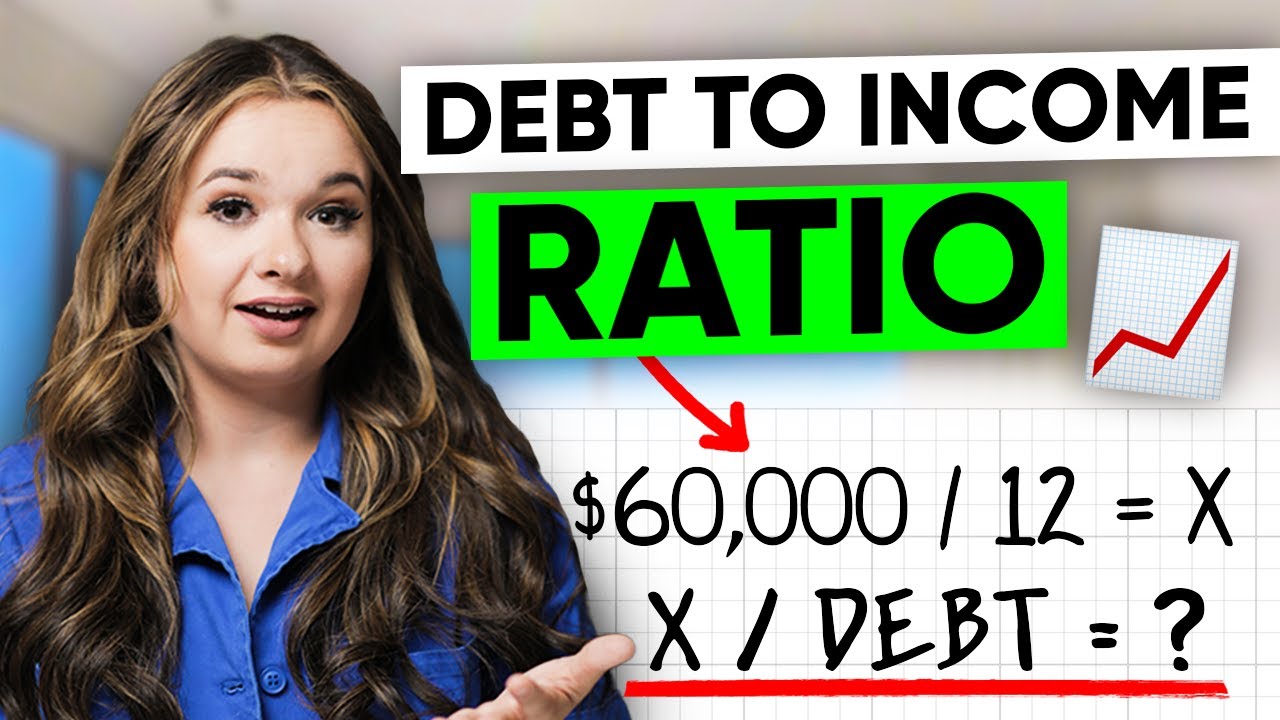
this video I made explaining a debt to income ratio I walk you through an example of what to look at in terms of your income your debts and how that is calculated so that you guys can determine what your likelihood is of getting loan approval upfront thanks so much for watching I'm Nicole ner and I will see you in the next one