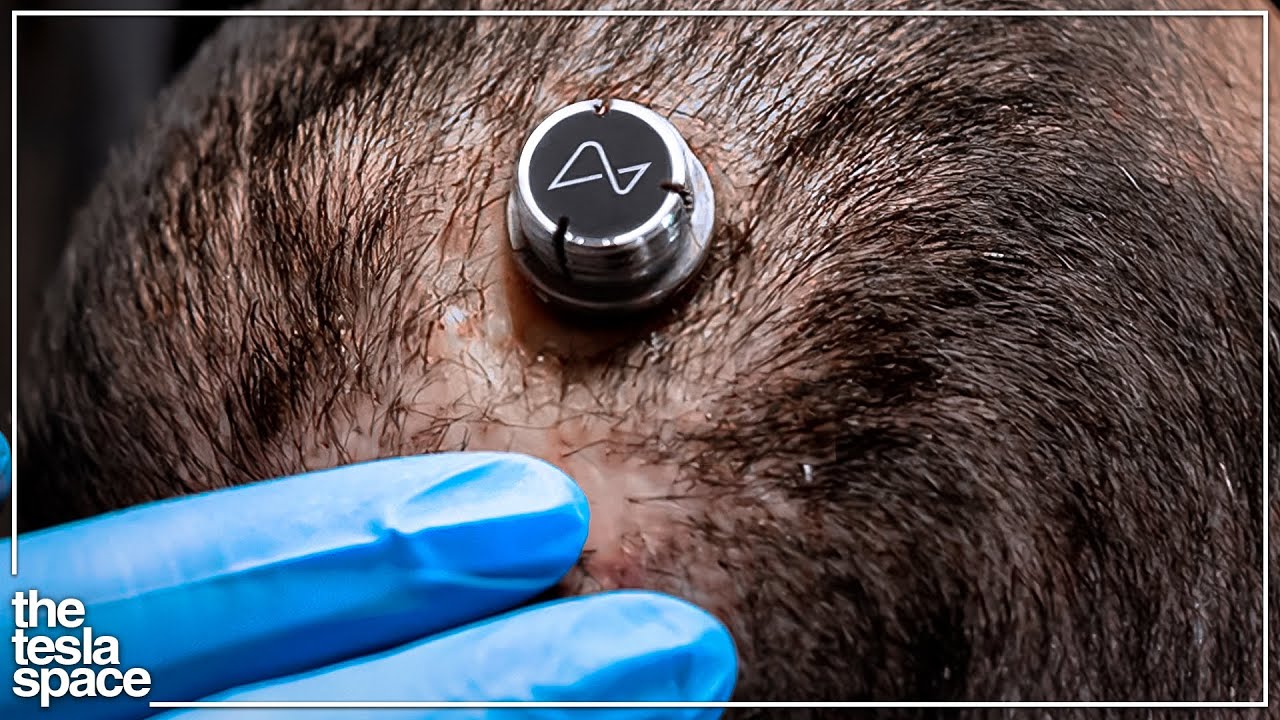
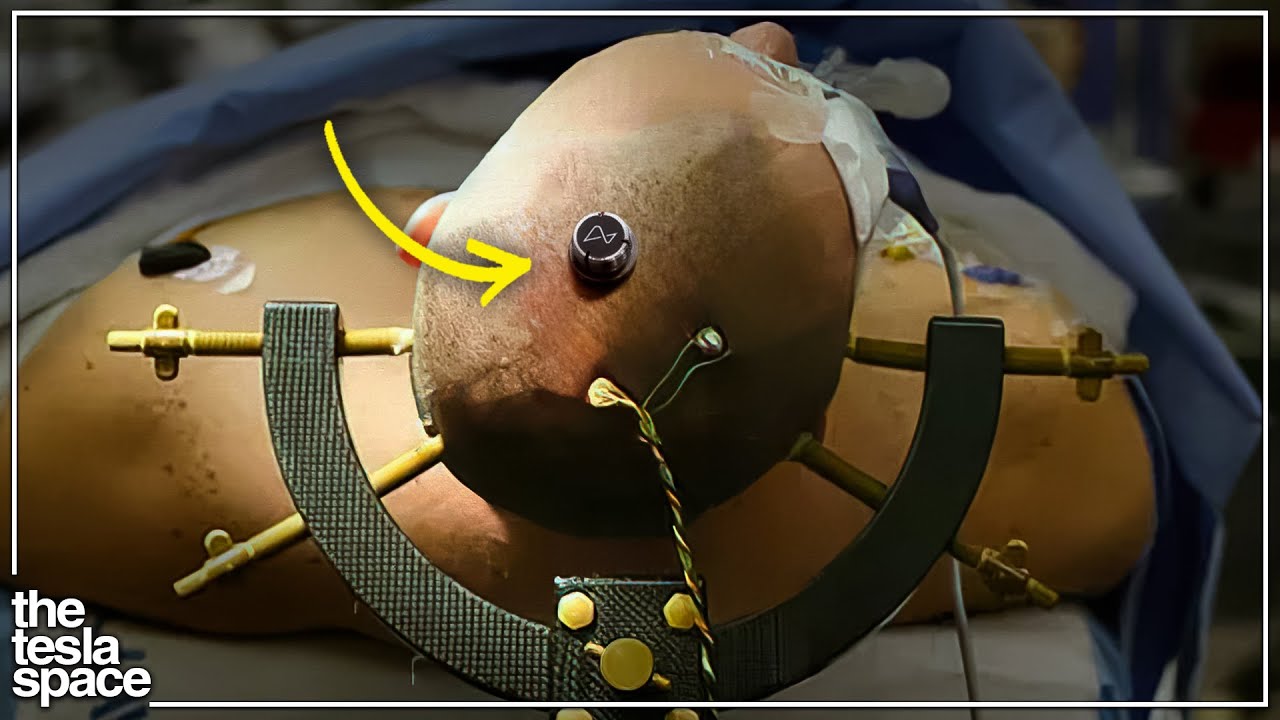
the United States Food and Drg Administration has finally given their approval for Elon musk's brain implant company neuralink to begin their first ever clinical human trial let that sink in this is not just a big deal for neurolink but it is an amazing new opportunity for the field of Neuroscience brain computer interface is nothing new it's been around since the 90s but the approach that nerlink is taking with their invasive BCI implant is entirely novel the way that this company is leveraging modern technology to create an ultra high bandwidth interface directly into the cerebral cortex is light years ahead of anything that has come before the window of opportunity for neuralink to change the world is open and here is how they're gonna do it let's foreign on May 25th neurolink announced through their Twitter account that they have received FDA approval to launch their first inhuman clinical study now that's not necessarily an all clear to start opening up people's skulls right away but it is a big first step on that very important path the FDA acknowledged in a statement that the agency has cleared neuralink to use its brain implant and surgical robot for trials on patients but declined to provide any more details this is a moment that has been seven years in the making the startup was founded by musk in 2016 with a grand vision of curing all brain diseases reversing spinal cord injuries and correcting disabilities plus some other stuff about interfacing the human brain with artificial super intelligence to prevent a Terminator style apocalypse but we're not going there today waiting on this approval has felt like a much longer time because as early as 2019 Elon was making prediction that human trials were coming very soon and then it became an annual occurrence for Elon to assure us that knurling trials would happen by the end of this year but at an official neuralink Show and Tell event on November 30th Elon and his team stood on the stage and promised that FDA approval was coming within the next six months that turned out to be pretty much bang on accurate and the FDA announcement actually came as a bit of a surprise to us having read this Reuters Special Report published on March 2nd which explicitly stated that the FDA had already rejected neurolink's application for human trials based on safety concerns and going on what was said in the text it kind of appeared like the company was essentially dead in the water within the multi-thousand word article Reuters refers to more than a dozen unnamed sources who claim to be both current and former employees of neuralink according to their uncited reports neurolink is a widely unsafe recklessly fast pay based work environment that is littered with dead animals obviously from where we are sitting there's no way for me to know the real truth of the matter but either the Reuters article was based on wonky inaccurate accounting or the FDA just doesn't care and approve the technology anyway and that's all we're gonna say about that because honestly it doesn't matter regardless of what may or may not be going on behind the scenes neurolink is approved to move on to the next phase of development right now and we'll just have to see how that plays out and let the results speak for themselves we still don't know the specifics of the clinical study but we do have the indication that it will involve up to 10 patients at the most and these people will be chosen based on their specific physical disabilities or illness it's really important to remember here that this device and the related surgical procedure is new and therefore it is dangerous there's no getting around that any volunteers for the test will have to decide that the risk of death or further damage is still better than remaining in their current state neurlink has stated that their first practical application will be relatively simple the goal is to allow a person who suffers from full body paralysis to control an electronic device like a computer or smartphone using only their thoughts and this is a concept that neuralink has already demonstrated successfully in their animal testing with the macaque monkeys in April 2021 neuralink first introduced pager the Mind pong monkey and they showed that a totally normal healthy looking monkey could play a simple video game using nothing but a wireless connection between his brain and a computer then two years later on April 18th nerlink posted a screen capture to Twitter that claims to be a demonstration from the same monkey pager still alive and well and operating with a new upgraded neurlink implant in the video the company says that pager is again using only his mind to to wirelessly control the movements of an on-screen cursor and click on the blue boxes neurolink writes that the monkey has already achieved up to 88 the accuracy of an average person using a mouse so if this is what neuralink has already been able to accomplish just by training a monkey then the possibilities for a human user should go much further neuralink has theorized that a person using their device could actually have better control over a smartphone than someone using their hands but this is still only scratching the surface of what neuralink will truly be capable of fuel the content you love with the Tesla space and Space Race Store the store will be live on Sunday May 28th but here's how you can get exclusive Early Access and discount codes all you've got to do is visit shop. theteslaspace. com or click the link in the description and sign up with your email on Saturday May 27th you'll receive an email with your one-time discount code and a password to access the site before everyone else so don't miss out head over to shop.
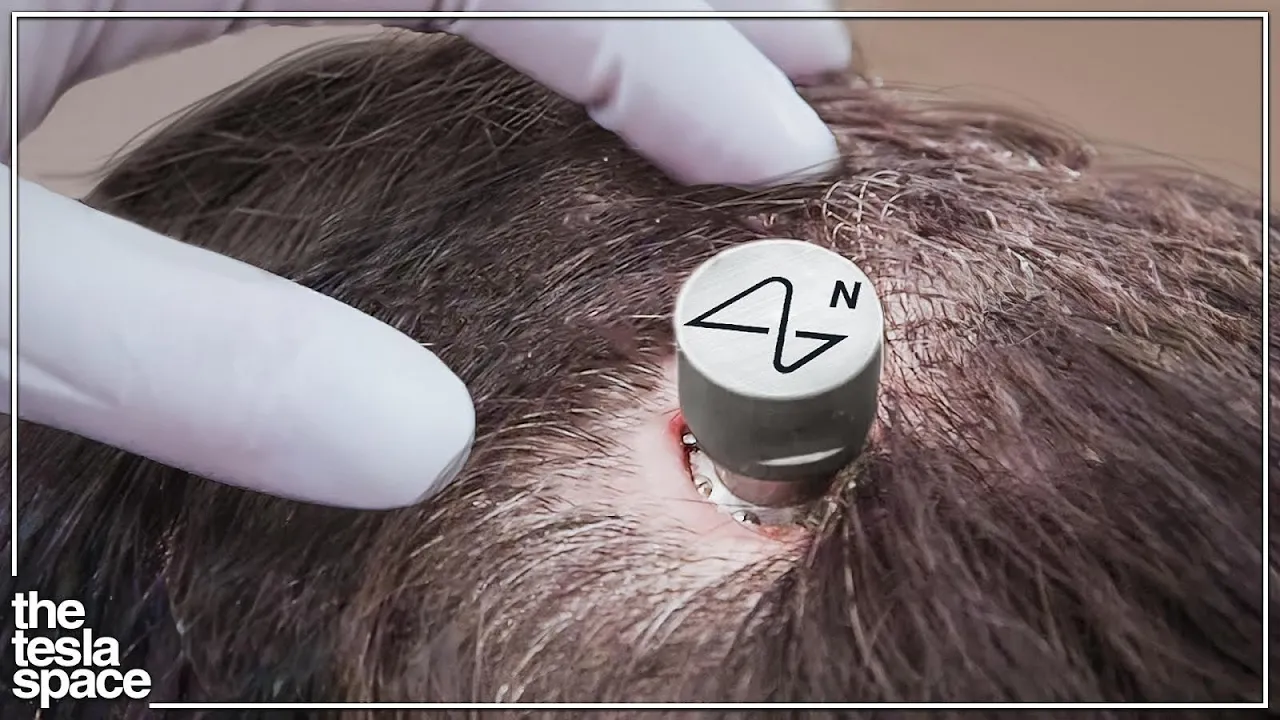
theteslaspace. com now to reserve your spot the concept behind the brain computer interface is pretty simple your brain is essentially just a ball of soggy electric meat and it controls the rest of your body by generating specific electrical signals and then firing them out through your nerves and into your organs and muscles those electric pulses are like the programming language of the human body your brain is sending command prompts through your spinal cord but sometimes that connection between the brain and body gets broken either by a physical injury or a degenerative disease so BCI can function like a bridge for those electrical signals to bypass the broken connection it's important to recognize that this is nothing new BCI has been around since the 1990s and there have already been plenty of successful experiments done where patients have been able to to control a computer with their thoughts and much more the Mind pong monkey thing does not make neuralink special it's the unique design and implementation of the technology that sets them apart existing BCI technology can be split into two philosophies invasive and non-invasive you've probably seen non-invasive bcis it's like a weird hat with a ton of electrode sensors all over it this can read the electrical signals in the brain but it doesn't do a very good job to get a good connection to the brain we need to go invasive with our BCI the current industry standard for invasive BCI is something called the Utah array it's a square computer chip with a whole bunch of little electrode spikes coming out of it so what they do is cut out a chunk of your skull insert the Utah array into the outer layer of your brain and then attach a miniature Computing device directly onto the top of your head that connects to the array on one end and has a big wire coming out the other end typically they will have to do this twice so you'd have two spikes in the brain and two computer boxes with wires coming out the top of your head this sounds gruesome but it is extremely effective the best example I've seen so far is the story of gertyan oscom this guy was injured in a motorcycle accident 12 years ago that left him paralyzed from the waist down but he's recently regained the ability to walk thanks to BCI technology in Mroscom's case he has electrode arrays inserted into both halves of his brain and those are connected with the two devices that he wears on a head strap those brain sensors are then wired into a device on oscom's Walker that is then wired into a second electrode array implanted in his spine the computer placed in between the two implants uses machine learning to decode the neurological signals coming out of the brain and then converts those into electrical stimulation that is delivered to the spinal cord which will trigger the desired muscle movements as miraculous as this technology is at its current current state there are some obvious drawbacks and severe limitations even the researchers working on Mroscombe's Case have said that the brain to spine interface is pretty much just limited to simple actions like walking and wouldn't be able to restore more complex functions like arm and hand movement the goal at neuralink is to take that proven concept and maximize the effectiveness through advanced technology so all of that equipment that we saw the patient wearing on top of his head would be replaced by the neurolink N1 implant Elon loves to describe this device as a Fitbit that sits inside your skull and that's actually very accurate to what it is neurolink has been recruiting Engineers from the wearable tech industry to help them develop the N1 with its Bluetooth connectivity and a wireless charging system but the real game changer at neuralink is the design of their electrode wires instead of the rigid metal spikes that have been used in the past neuralink wires are thinner than a human and hair and flexible like thread right now the N1 device is attached with 64 individual wires each one carrying 16 electrodes for a total of 1024 channels of communication between the implant device and the Brain this is an extremely high bandwidth direct connection to the brain which is what will be required to restore those more complex physical movements to people suffering from full body Paralysis on April 11th neuralink shared this image on Twitter that shows the tip of their wires it's hard to comprehend what we're looking at here because this photo was only made possible through an electron microscope at the tip is a little hole that allows the surgical needle to thread the wire and this tip is so small that it's just about the width of a few red blood cells across above that sticking out from the right side are the individual electrode contacts that will detect neuron activity again each electrode here is the width of about two blood cells this is unfathomably small and that's where the R1 sewing machine robot comes in it needs to stick that tiny thread right into the brain matter it doesn't need to go very deep it's only going in a millimeter or so but this needs to be done very quickly and very accurately the electrode needs to get as close to the Target neuron as possible but it also needs to avoid hitting any of the blood vessels that run through the cortex there are a lot of them and it also needs to do this on a moving Target don't forget that your brain is constantly pulsating with the rhythm of your heartbeat so the R1 actually has a very Advanced targeting system that allows it to place the thread precisely and safely currently the R1 is using a combination of a camera video feed and an optical laser to position the needle so far neuralink has constructed a double operating room at their Austin Texas headquarters and that's possible where the first human trial of both the N1 link and R1 robot will occur but the company's goal for the not so distant future has been to build their own Medical Clinic where they can treat multiple patients so that may or may not already be in development as we speak don't forget to give this video a thumbs up today if you liked it that is so important for getting our content out to more people if you enjoy the content then you'd probably also enjoy our Weekly Newsletter so sign up with the link down below at theteslaspace.