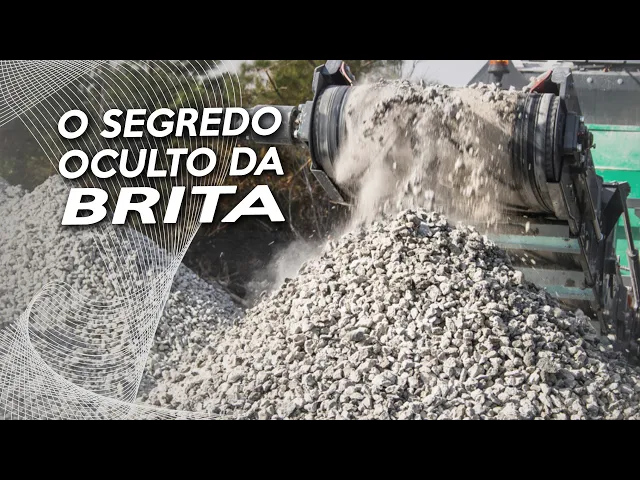
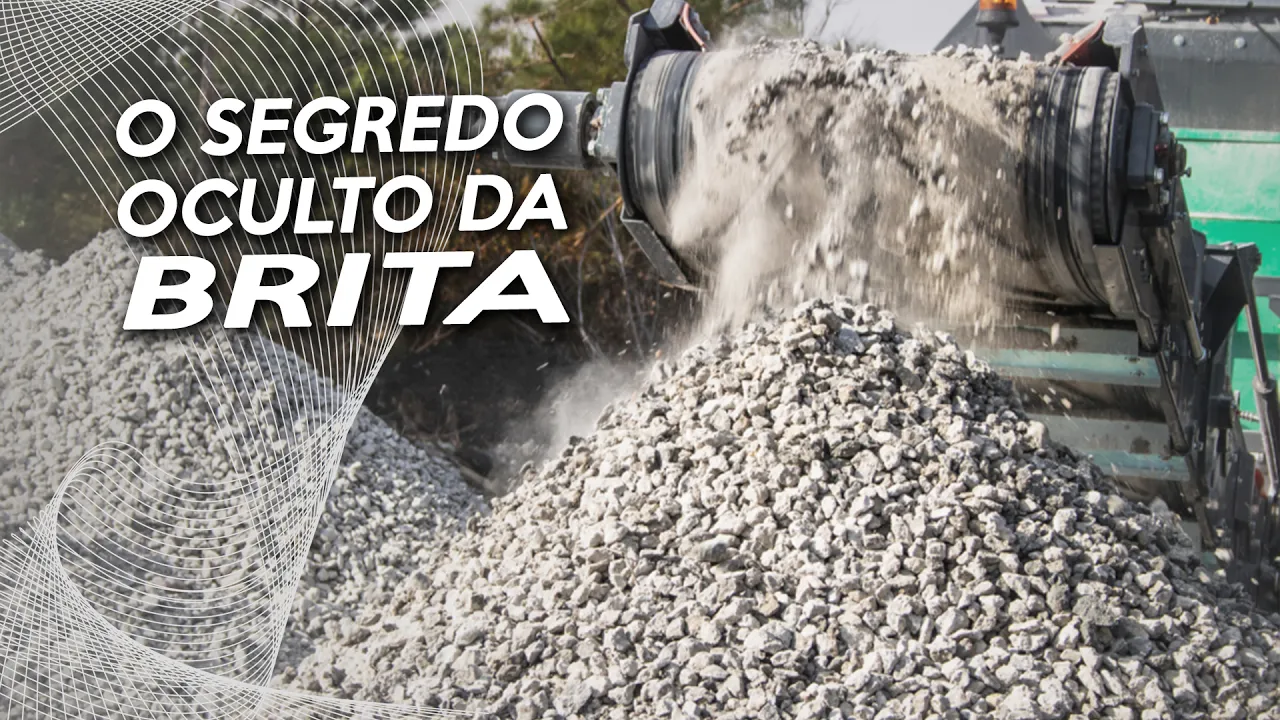
What is gravel? Hey Engineering Lovers, you've certainly seen this here somewhere, whether on a construction site, on the floor of a parking lot or in a mixture to make concrete. But do you know what exactly gravel is, and why it is important?
But before I tell you more about brita, take the opportunity to subscribe if you are not already subscribed, leave your like, and activate the notification bell and if you find our content interesting, consider becoming a member to help us continue producing content here on the platform and be remembered in our videos. But then, what is gravel? Crushed stone is a fragmented stone material and is therefore also known as stone, and is a fundamental component in many civil engineering and architectural applications.
It is essentially composed of fragmented rocks. These rocks can be granite, basalt, limestone, gneiss, among others, that is, gravel is nothing more than a rock, but on a smaller scale. They are classified into different sizes, which are usually designated by numbers.
In general, the numbers generally correspond to the average diameter of the particles, with a lower number indicating smaller particles and a higher number indicating larger particles. Well, we know that rocks are very common elements, but how did they come up with the idea of using this material in the applications we have today? The idea of using rocks in different sizes in engineering dates back thousands of years, and its use has developed over time.
Since the dawn of civilization, people have looked for materials that are resistant and durable for building the foundations of houses, structures, roads and even paving. Natural rocks, such as granite and basalt, which are used in the production of crushed stone, were logical choices due to their strength and availability in many regions. Throughout history, rock extraction techniques have improved, making the obtaining of crushed stone more efficient.
As civil engineering developed, there was an increasing demand for consistent, high-quality construction materials and that is where crushed stone came into play . to be seen as a reliable material. After many experiments and research, it was possible to better understand the properties of crushed stone and how it could be used more effectively.
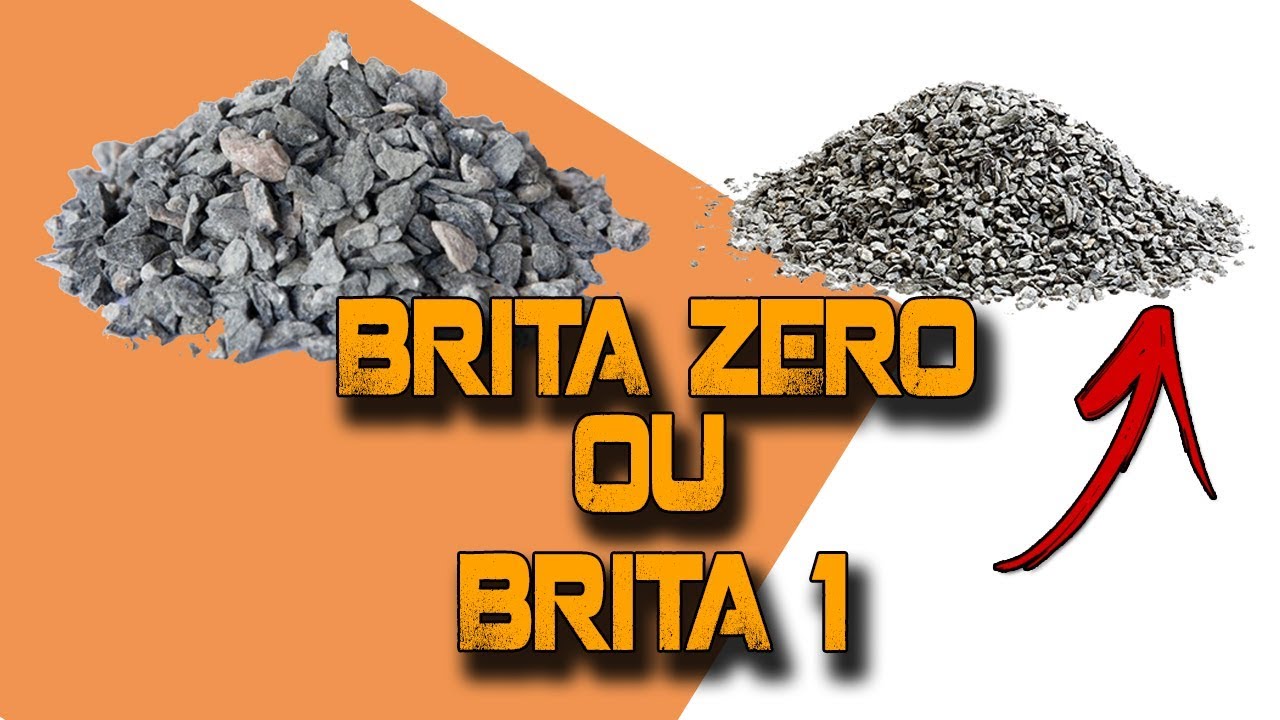
Today, according to Brazilian standards, we can specify 6 types of crushed stone, namely crushed stone powder, crushed stone 0 or gravel, crushed stone 1, crushed stone 2, crushed stone 3 and crushed stone 4. Each type of crushed stone has a granulometry range, where the gravel powder can reach an average diameter of 4. 75 millimeters, the gravel 0 from 4.
75 to 9. 5 millimeters, the gravel 1 from 9. 5 to 19 millimeters, the gravel 2 from 19 to 25 millimeters, gravel 3 from 25 to 50 millimeters and gravel 4 from 50mm to 76 millimeters.
There are other types of crushed stone that we can find on the market, but they do not have a standard classification, such as rachão or hand stone and running spout. The hand stone is usually found between 10 and 40cm in length and the running spout does not have exact dimensions, this is because it is a mixture of gravel that varies from crushed stone powder to crushed stone 3. Each type of gravel has its role in different types of use.
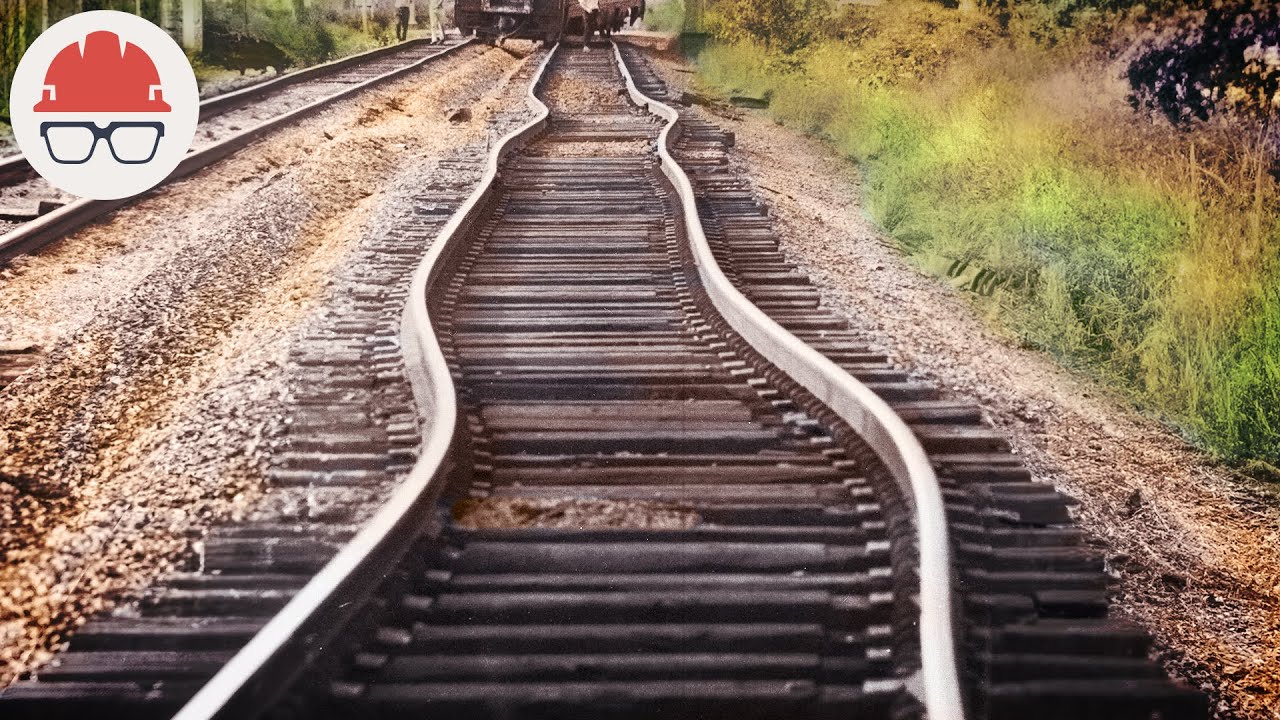
For example, gravel 1 and 2 are widely used in civil construction for concreting structures, while gravel 4 and hand stone are widely used in retaining walls such as gabions, road subgrades and ballasts for railways. But, how does the Brita extraction and processing process work ? It all starts with identifying areas with rock deposits suitable for crushed stone production.
These areas may be open pit quarries or underground mines. Site selection depends on the geological characteristics of the region and the availability of resources. In open-pit quarries, the first step is to dismantle the rocks.
This involves using explosives to fracture the rock into smaller pieces that can be easily handled. After blasting, the fragmented rocks are excavated and loaded onto trucks or belt conveyors to be taken to the next stage of the process. The extracted rocks are taken to crushing facilities, where they are processed by crushers.
Crushers are machines designed to reduce the size of rocks and there are various types such as jaw crushers, impact crushers and cone crushers, which are selected based on the desired final size of the crushed stone. After crushing, gravel is formed and it goes through a classification process. Using sieves and screens of different sizes, the crushed stone is separated according to its average diameters, using the same diameter range that I mentioned at the beginning of the video.
In some cases, the gravel may also go through a washing process to remove impurities, such as clay and dust. This is especially important when crushed stone is used in concrete production, where the presence of impurities can affect the quality of the material. After separating the gravel, it is separated and stored in piles or silos before being distributed to customers.
It is important to keep the gravel stored properly to avoid contamination with other materials and even the mixing of different grain sizes. It is important to highlight that the crushed stone extraction and processing process can have significant environmental impacts, mainly due to explosions and dust released. Therefore, sustainable management and recovery practices for mined areas are adopted to mitigate these effects.
Recycling construction materials, such as concrete and asphalt, is also becoming an increasingly important practice to reduce the demand for virgin crushed stone and minimize environmental impacts, without losing the quality of the final product. So, did you know that there was this whole process to get to this simple component? Have you ever worked with gravel on any project?
Did you know the grade of gravel? Leave it here in the comments and I want to know. Next door, there are two video options that you might like and that are worth checking out to continue following our content.
And if you want to contribute to us, leave your like, subscribe to the channel and consider becoming a member of the channel.