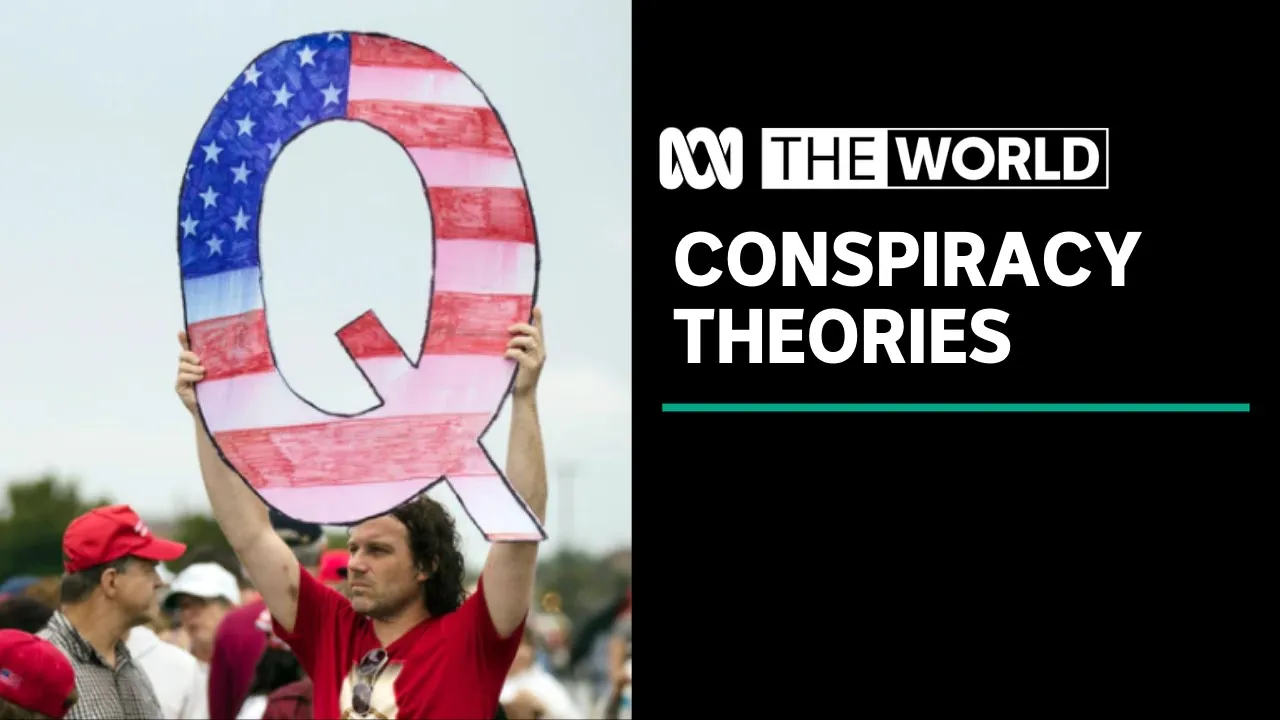
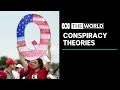
One Big Driver of conspiracy theories is the security big that comes from simple explanation for negative events so it provides a very tempting bomb for folks who feel the world that just passes them by um so it really gives people a sense of control how has a social media in recent years impacted the way that such theories are discussed and spread so social media has indeed fueled this explosion of conspiracy theories and while conspiracy theories have always existed Studies have shown that they are on the rise and social media clearly has contributed to the spread
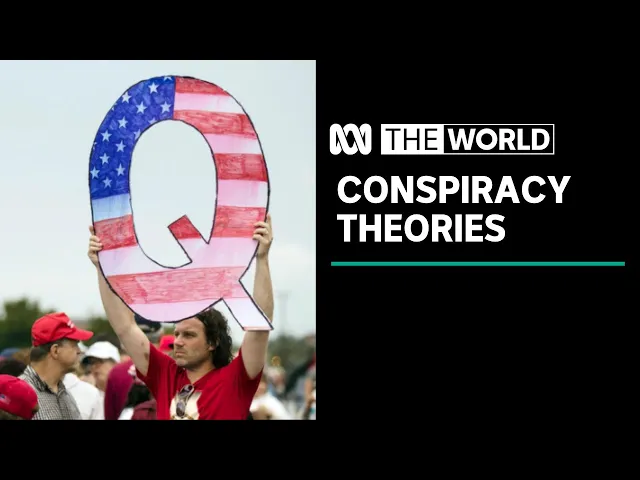
of misinformation and the deliberate algorithm of social media preying on people's emotion which makes clear thinking online nearly impossible for people so why do groups such as Q Anon have such a loyal following so Q Anon is a good example of a socially driven Conspiracy Theory what I mean by that is individuals are motivated by the social belonging that comes from developing hatred of an outgroup of Elites and if you want on deliberately Works to build this sense of belonging so unfortunately those that feel a bit as Outsiders naturally are more attracted to this type
of movement can you tell us a bit more about the particular groups of people who might be more inclined to believe conspiracy theories unfortunately people who do poorly on critical thinking tasks like evaluating arguments are more likely to be susceptible to conspiracy theories we mentioned social media earlier our Studies have shown that people who have heavier usage of social media are also more susceptible to conspiracy theories and how might engaging in conspiracy theories actually jeopardize people's ability to improve their sense of agency for example well um you know I think one thing that we've noticed
um as an issue with social media is even on the subject of covid-19 so this is actually life and death Health matters and our surveys have shown that more than one-third of our respondents in a survey acknowledged a belief in at least one covid-19 myth such as that the virus would die in the summertime last year which it obviously has not um so increased usage of social media unfortunately also increases susceptibility susceptibility to help them that surround fake news a lot of media Outlets have tried to counter conspiracy theories emphasizing the importance of fact checking
for instance what effect does this usually actually have actually a better heightened acknowledgment as well as education of media literacy can indeed improve people's um definition and findings of fake news countries like Finland for example have taken a country policy public policy to teach media literacy in schools to fight against misinformation and fake news and what are some of the conspiracy theories that people have really caught on to and why do you think these in particular have attracted Believers whether it be to do with covid-19 or um any any other issue that you believe that
is doing really well on social media well again it goes back to preying on people's emotions so anything that has sort of a magnified impact that's why click bait you know anything that does um touch on people's emotions radicalism naturally catch on faster just like those that are uh clickbaited more on Twitter for example are typically um short quotes that are sensationalists and I guess for us when it becomes a concern is when conspiracy theories become dangerous how can this be addressed at what point do they become a real concern well it's it's a concern
across be it for our health or obviously what happened in the cat in the capital as mentioned earlier in the U.S this is a real danger for democracy uh because of people's misinformation um how we actually approach uh information and frankly we as information consumers are missing Liberty as well Helen liebuig thank you so much for joining us really appreciate it thank you