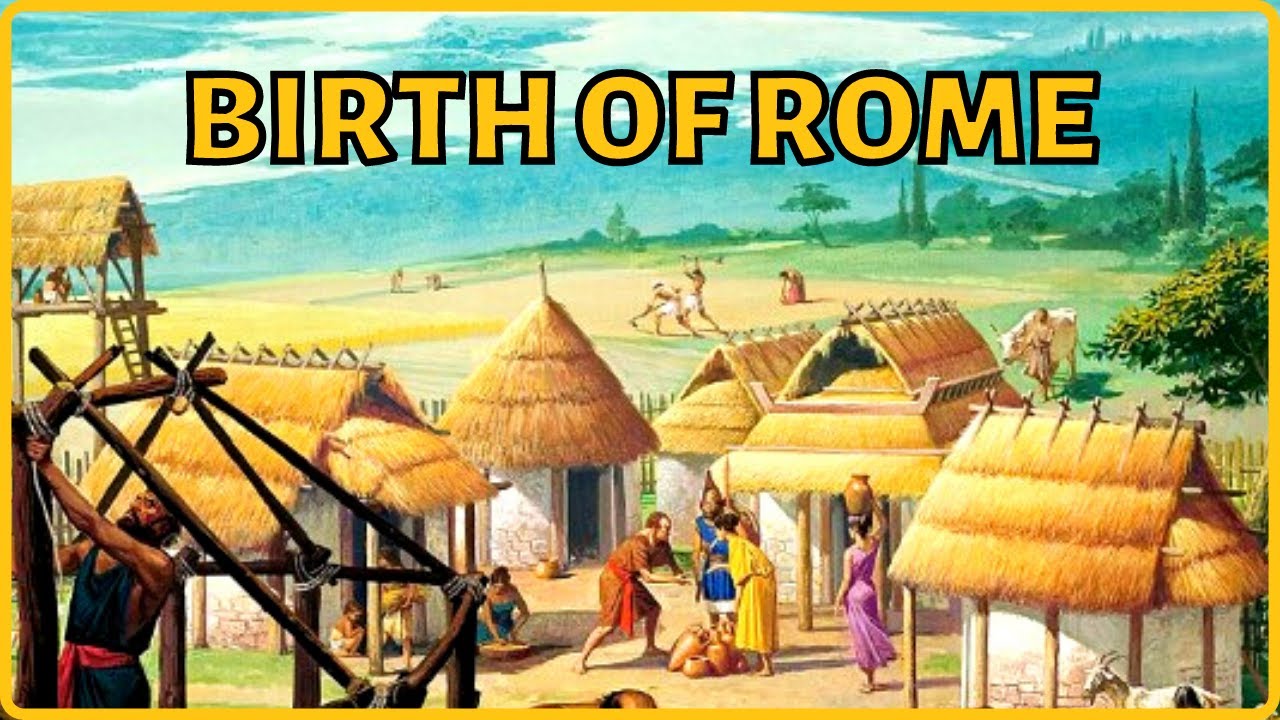
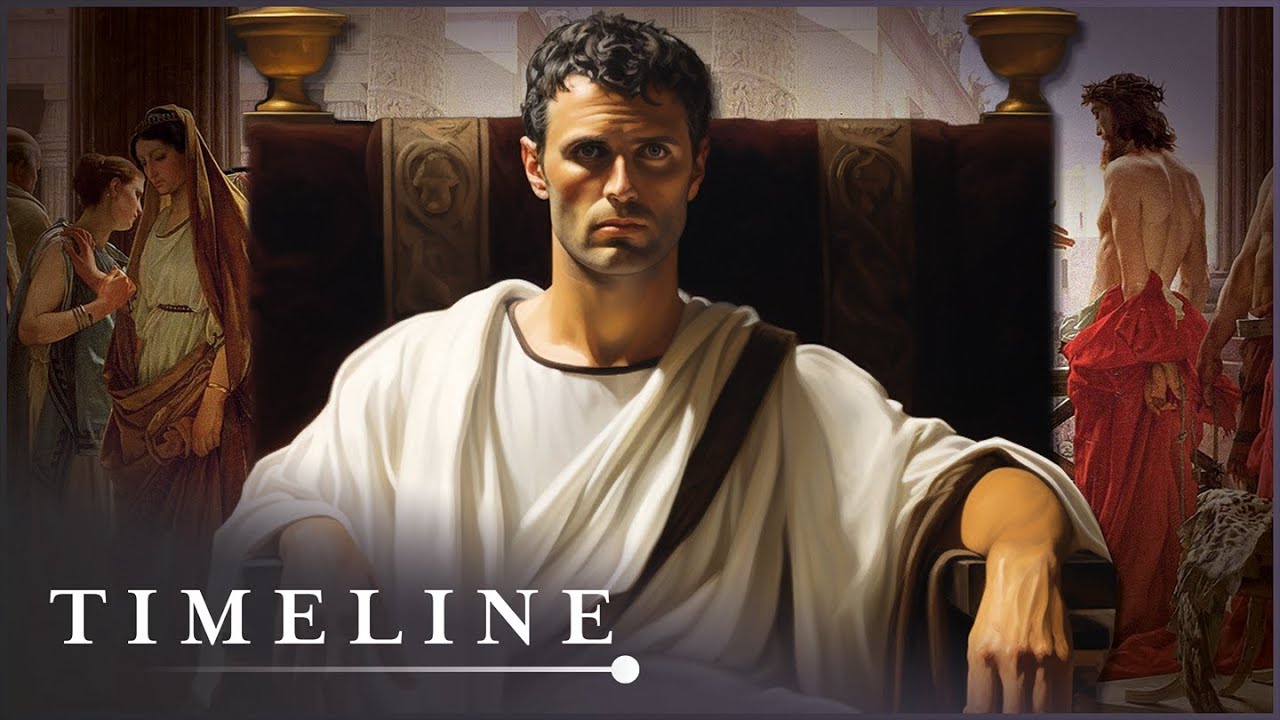
the year is 66 CE Judea a land soaked in history and Faith burns the Jewish people Yearning For Freedom rise up against their Roman oppressors the first Jewish Roman War a conflict that will shape the destiny of both Empires has begun this is the story of how Rome created Christ the Roman Empire a vast Dominion casts a long Shadow the Jews are a proud and ancient people clinging fiercely to their traditions and Faith uprisings erupt with alarming regularity each a testament to the Jewish spirit and a threat to Roman Authority the Romans need a new
approach a more subtle form of control a new religion the great Jewish Revolt of 66 CE shakes the Empire to its core in 70 CE after a long and bloody Siege Jerusalem falls and the second temple is destroyed the destruction of the temple is a cataclysmic event for the Jewish people but for Rome it represents an opportunity From the Ashes of the old order a new one will arise Christianity in the aftermath of the Revolt Rome faces a dilemma they decide to create a new religion one that preaches peace and submission to Authority Christianity this
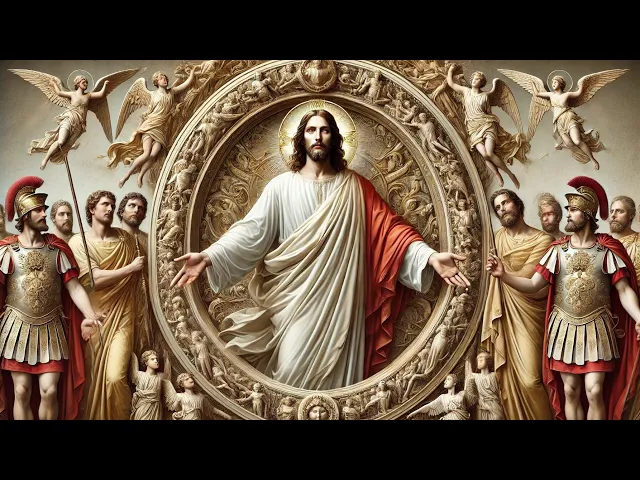
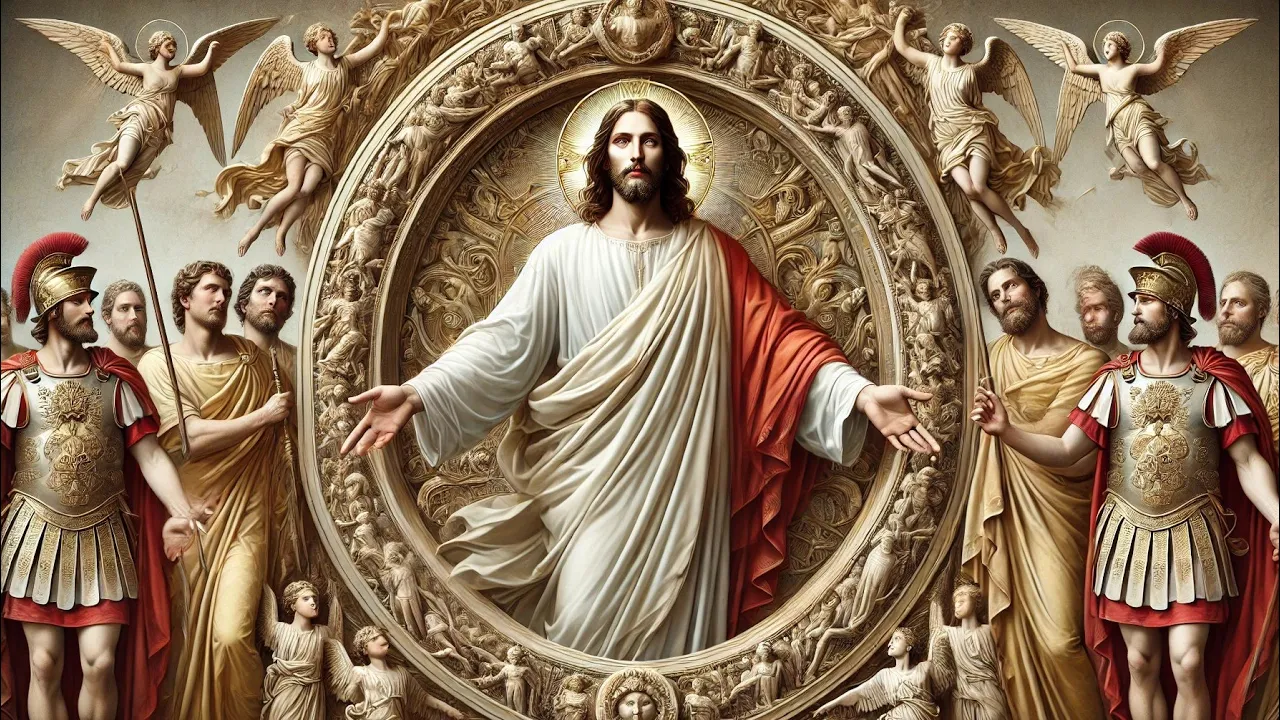
new religion will be carefully crafted to promote Roman values and quell Rebellion at the heart of this new religion will be Jesus Christ a pacifist Messiah for centuries the story of Jesus Christ has captivated billions but what if this story is built on a lie what if Jesus Christ was a tool of Roman propaganda creating Christ challenges one of the most deeply held beliefs in western civilization prepare to question everything you thought you knew about Jesus Christ and the birth of Christianity to understand the Genesis of Christianity we must delve into first century Judea the
Jewish people airs to a rich spiritual Heritage chafed under Roman rule from this oppression Rose a spirit of defiance fueling Messianic movements among these the zealots burned brightest challenging Roman Authority the zealots were a collection of factions United by their hatred of Rome they believed that God would fight alongside them delivering them from their enemies their tactics varied from assassinations to open Warfare making them a significant threat to Rome Rome needed a drastic solution to extinguish this flame of rebellion picture this the second temple in Jerusalem it was the Center of Jewish life and faith
but for the Romans it was something else entirely it was a symbol of Defiance the heart of Jewish resistance when the Romans destroyed the temple in the year 70 it was a turning point it was devastating for the Jewish people a real crushing blow to their hopes but from Rome's point of view destroying the temple was seen as the only way to bring peace to Judea [Music] the aftermath of the Revolt was a time of profound despair for the Jewish people Rome saw in this despair an opportunity to introduce new ideas and forms of authority
the stage was set for a new chapter in the romanization of Judea Christianity this new Faith would be a tool of pacification disguised as a religion of Salvation no figure better embodies this period than flavius Josephus his writings provide invaluable insight into the political and religious landscape of first century Judea however his objectivity is highly suspect as he wrote under the watchful eye of his Roman captors his account must be read with a critical eye aware of potential bias and manipulation into this environment of Despair the seeds of a new Faith were swn this Faith
carefully cultivated by Roman authorities would preach peace and submission at the heart of this new religion would stand a Messianic figure Jesus Christ this Messiah would preach love and forgiveness urging submission to Roman rule flavus Josephus a name etched in history yet shrouded in controversy after a Siege in Galilee he surrenders to the Roman general Vespasian Josephus now a Captive Embraces the role of a historian chronicling the events of the war but can we trust his words was he a dispassionate Observer or a skilled propagandist Josephus occupies a unique position a Jewish scholar bound to
the Roman Empire his writings strive to present a balanced account but often tip in favor of Rome his portrayal of the Jewish Rebels aligns with Roman propaganda depicting them as Fanatics this tendency raises red flags for historians and Scholars josephus's defection to the Romans continues to fuel debate and speculation he offers several explanations for his actions incl including a prophecy for telling Vespasian rise these justifications however ring Hollow for some suggesting self-preservation the question of josephus's true motivations remains a subject of intense debate josephus's magnum opus the Jewish War stands as a towering achievement a
detailed and dramatic account of the conflict that would shape the destiny of both Jews and Romans yet even within this seemingly comprehensive Chronicle the Spectre of bias Loom large critics argue that josephus's account is carefully crafted to present a particular narrative one that glorifies Rome demonizes the Jewish Rebels and justifies their brutal suppression his descriptions of Roman military prowess are often lavish replete with details of their discipline strategy and technological superiority in contrast he portrays the Jewish Rebels as disorganized prone to infighting and ultimately doomed by their own fanaticism this stark contrast fuels suspicions that
Josephus was writing to please his Roman patrons providing them with a sanitized version of history that emphasized their heroism and minimized their atrocities the destruction of Jerusalem a traumatic event for the Jews becomes in josephus's telling a necessary consequence of their own stubborn resistance perhaps the most contentious passage in all of josephus's writings is the so-called testimonium flavian a brief paragraph in Antiquities of the Jews that seems to confirm the historical existence of Jesus Christ this passage has been the subject of intense scrutiny and debate for centuries while some Scholars accept it as genuine many
others believe it to be a later interpolation a forgery inserted by Christian scribes eager to bolster the historical credentials of their faith the passage itself is brief and somewhat ambiguous describing Jesus as a wise man a worker of Miracles and the purported Messiah however its tone and content differ markedly from josephus's usual style leading many to question its authenticity the debate over the testimonium flavianum remains unresolved a testament to the enduring ambiguity surrounding Josephus and his writings was he a secret believer in Jesus subtly inserting this passage as a testament to his faith or was
his work hijacked by later editors eager to exploit his reputation for their own theological purposes josephus's Legacy remains a complex and contested one he is hailed by some as a brilliant historian his Works an invaluable source of information about a pivotal period in Jewish and Roman history others view him with suspicion questioning his motives his loyalties and the ultimate veracity of his narratives the truth as is often the case with historical figures caught in the crosscurrents of power and ideology likely lies somewhere in between Josephus was undoubtedly A Gifted writer a keen Observer and a
product of his time his writings offer a window into the world of first century Judea its religious fervor its political turmoil and The Clash of civilizations that would shape its Destiny however we must approach his works with a critical eye always aware of his position his biases and the possibility that he was shaping his narrative to serve the interests of his Roman patrons the creating Christ Theory while controversial encourages us to question accepted narratives to delve deeper into the historical record and to consider the possibility that even our most cherished beliefs may have their roots
in political expediency and the manipulation of Faith so everything's in place Judea still hurting after the Rebellion wants peace Rome sees this as a chance to start a new Faith this new faith will become Christianity but not the Christianity we know today Rome shapes it with messages of peace and obedience at the center is Jesus Christ the Messiah his teachings fit Rome's need for order this early Jesus is a peacemaker his message stops disagreements and promotes rule following Rome knows faith can control or incite Rebellion they twist Faith to ensure compliance turning it away from
Rebellion to obedience Central to the romanization of Christianity is the portrayal of Jesus as a pacifist a stark contrast to the fiery revolutionaries who had risen and Fallen before him this image of a Meek and Mild Jesus turning the other cheek urging his followers to love their enemies serves a clear political purpose the Jewish people steeped in a tradition of resistance against foreign rule yearning for a warrior Messiah to deliver them from oppression are presented with a radical alternative a savior who preaches nonviolent who counsels submission to Earthly authorities no matter how unjust or tyrannical
this message so antithetical to the prevailing Spirit of rebellion is carefully disseminated through carefully crafted narratives Parables designed to instill a sense of passivity to redirect anger and frustration away from Earthly targets and towards a distant Heavenly Kingdom the Romans through their subtle influence on the development of Christian doctrine effectively neutralize the threat of Jewish militancy the image of a sword wielding Messiah leading a righteous Army against Roman oppression is replaced with that of a pacifist urging his followers to embrace suffering to find solace in the promise of a Heavenly [Music] reward perhaps no aspect
of Jesus's teachings is more politically expedient more aligned with Roman interests than his pronouncements on obedience to Authority the famous dictum Render unto Caesar the things that are Caesars and unto God the things that are Gods serves as a Cornerstone of romanized Christianity a Divine justification for submission to Imperial rule by separating the secular from the spiritual Jesus or rather the Roman crafted version of Jesus effectively neutralizes any potential for religious opposition to Roman Authority taxes laws even the brutal realities of Roman occupation are placed firmly within the realm of Caesar to be obeyed without
question the separation of spheres serves as a powerful tool of social control it discourages any attempt to challenge the status quo to seek redress for Injustice within the existing power structure resistance Rebellion even peaceful protest are rendered theologically suspect a Defiance not only of Earthly rulers but of God's will itself the Romans through their subtle manipulation of Christian doctrine achieve a master stroke they transform obedience from a political necessity into a religious obligation ensuring the compliance of their subjects not through Force but through the dictates of their own conscience while the figure of Jesus shrouded
in mystery and subject to centuries of theological interpretation stands as the symbolic heart of Christianity it is Paul of Tarsus who emerges as the architect of its spread and its evolution into a religion amenable to Roman rule Paul a Roman citizen and a scholar versed in both Jewish and Greco Roman thought plays a pivotal role in transforming Christianity from a small Jewish sect into a Faith with global aspirations his tireless missionary Journeys his prolific writings and his skillful blending of Jewish Messianic tradition with Roman ideals prove instrumental in shaping the course of Christian history Paul's
emphasis on faith Over Law his pronouncements on the universality of Salvation and his repeated admonitions to obey governing authorities all resonate with the Roman desire for a religion that transcends National boundaries and promotes social order his Epistles widely circulated among early Christian communities become foundational texts shaping the beliefs and practices of a nent faith and within these texts the message of obedience to authority of acceptance of Roman rule as part of God's divine plan is repeated with unwavering consistency one of the most significant Transformations within early Christianity a transformation that aligns perfectly with Roman interests
is the shift from a religion rooted in Jewish law and tradition to one that Embraces Universal Salvation open to all regardless of ethnicity or cultural background this shift championed by Paul and embraced by Roman authorities proves crucial in expanding Christianity's appeal Beyond its Jewish Origins the rigid dietary laws the complex rituals and the exclusive nature of Jewish identity all of which presented barriers to wider acceptance are gradually downplayed or discarded altogether in their place emerges a message of inclusivity a faith based on belief in Jesus Christ as the universal savior open to all who accept
him as their lord this transformation proves immensely appealing in a multicultural Empire like Rome where diverse populations each with their own Gods and Customs chafe under the often intolerant dictates of romanization Christianity stripped of its Jewish particularism becomes a religion ripe for appropriation a tool for unifying a diverse empire under a single easily controlled Faith the Romans recognizing the potential of this Universalist message subtly encourage its spread seeing in it a way to transcend cultural differences and promote a sense of shared identity within their vast Dominion Central to the appeal of Christianity and a key
element in its romanization is the concept of forgiveness Jesus's message of love compassion and forgiveness resonates deeply with a population yearning for Solace for release from the burdens of sin and guilt yet this emphasis on forgiveness while undoubtedly appealing on a personal level also serves a clear political purpose it encourages acceptance of Injustice a willingness to turn the other cheek rather than resist oppression it promotes a focus on individual salvation on securing a place in the Heavenly Kingdom rather than challenging Earthly inequalities the Romans ever pragmatic understand the power of forgiveness as a tool of
social control by encouraging a focus on personal piety and the promise of future reward they effectively deflect attention from the very real injustices of the present Rebellion after all is often fueled by a sense of righteous anger a desire to write wrongs and hold oppressors accountable Christianity with its emphasis on forgiveness offers a powerful antidote to this impulse it encourages acceptance even Embrace of suffering as a means of spiritual purification a test of faith that will be rewarded in the afterlife the concept of a kingdom not of this world a Heavenly realm where the faithful
will find Eternal peace and Justice forms a Cornerstone of Christian belief this belief while offering Solace and hope to the oppressed also serves to redirect their aspirations away from Earthly Liberation and towards a distant future reward the Jewish people yearning for a messiah to restore their Kingdom to break the chains of Roman rule and Usher in an era of peace and prosperity are presented with a spiritualized Kingdom one that exists outside the realm of Earthly politics and power struggles this shift in focus from Earthly to Heavenly aspirations serves Roman interests perfectly by emphasizing the ephemeral
nature of Earthly existence and the promise of a glorious afterlife Christianity effectively neutralizes the threat of Jewish nationalism the struggle for an independent Jewish State a kingdom rooted in the material world fades in significance compared to the pursuit of eternal life in the kingdom of God the Romans through their subtle shaping of Christian doctrine achieve a master stroke they transform a religion with the potential to incite Rebellion into one that encourages quietism acceptance and a focus on securing a place in a Heavenly Kingdom far removed from the Troubles of the Earthly realm the year is
69 ad Rome is still a mess after a civil War people want things to be calm again they want a strong leader out of all this trouble a new family takes charge the flavians they want to fix things make Rome strong again and change everything about how their huge Empire Works their leader is Vespasian he's a tough General a practical guy he knows how to use power the power of the Army and the power of religion he saw how religious beliefs can cause trouble how they can be dangerous for Rome fighting the Jewish re in
Judea really changed him it changed how he saw the world and how he ruled Vespasian is different from the other Emperors he knows he can't just use Force he has to be clever he has to change how people think what they believe in he knows that real power isn't just about stopping people who disagree with you it's about changing their stories their values their hopes and even what they think about God the flavians want order they want things to be stable and they want everyone to believe the Emperors have the right to rule because God
chose them they see this new Christian group is something they can use they think they can change the Christians message to help the Roman Empire become powerful again the year is 69 ad Rome is still a mess after a Civil War people want things to be calm again they want a strong leader out of all this trouble a new family takes charge the flavians their leader is Vespasian he's a tough General a practical guy he knows how to use power the power of the Army and the power of religion it changed how he saw the
world and how he ruled he knows that real power isn't just about stopping people who disagree with you it's about changing their stories their values their hopes and even what they think about God the destruction of the second temple in 70 CE marks a turning point in Jewish history the Romans see an opportunity to reshape the religious landscape of Judea the Jewish people scattered and demoralized are vulnerable the flavian dynasty steps in as architects of a new spiritual order they understand that a conquered people are fertile ground for new ideas Christianity offers a potent alternative
to the shattered remnants of Jewish nationalism but this Christianity will bear little resemblance to the faith that inspired early followers of Jesus it will be a Christianity promoting obedience and submission to Earthly power Powers the flavians recognize in the nent Christian Movement a powerful tool for pacifying a Restless population Vespasian founder of the flavian dynasty embodies the Roman ideal of the Emperor as a god king a ruler whose authority stems from military might and divine mandate his Reign restored order and rebuilt the Empire elevating his status through propaganda he embraced the title of pontifex Maximus
blurring secular and spiritual life VES temples and coins honored him he was hailed as a savior and restorer of order Titus vespasian's son reshaped judea's religious landscape his brutal Siege of Jerusalem contrasts with his later image as a benevolent ruler the flavians mastered narrative control turning Conquest into stories of Peace Titus was celebrated as a hero his victory immortalized in a triumphal Arch this image legitimized Roman rule in Judea as a benevolent [Music] act the flavian dynasty acutely aware of the power of imagery and symbolism employs a sophisticated propaganda machine to disseminate its message to
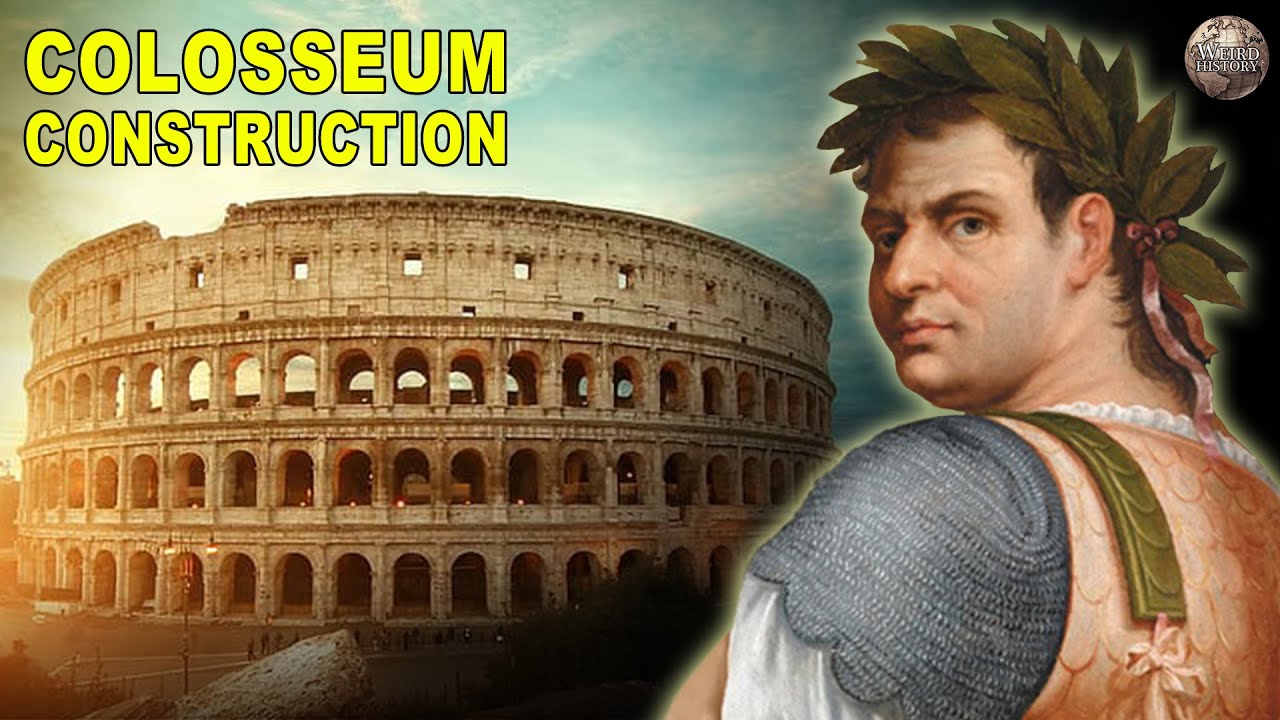
legitimize its Rule and to secure the Loyalty of its subjects this propaganda takes many forms Grand architectural projects like the Coliseum and the Arch of Titus designed to inspire awe and project an image of Imperial Grandeur coins bearing the likenesses of emperor their features often idealized their accomplishments celebrated and official pronouncements histories and poems that extol the virtues of the ruling Dynasty and legitimize their hold on power this same Mastery of propaganda this understanding of the power of narrative is evident in the shaping of early Christian belief the gospels far from being objective historical accounts
bear the Hallmarks of carefully crafted narratives their stories structured their characters idealized their message aligned with the prevailing political realities of the Roman Empire the Miracles attributed to Jesus for example bear striking similarities to those attributed to Roman emperors often involving healings exorcisms and even the bringing back to life these parallels suggest a deliberate effort to elevate the status of Jesus to present him as a figure worthy of reverence even worship His power equal to if not surpassing that of the emperor [Music] himself flavius Josephus the Jewish historian who famously defected to the Romans during
the first Jewish Roman War becomes an instrumental figure in shaping The Narrative of this tumultuous period his writings serving as a bridge between the Jewish and Roman worlds Josephus granted his life and a place at the flavian court in exchange for his loyalty dedicates his considerable literary skills to crafting a history that justifies Roman actions demonizes the Jewish Rebels and presents Vespasian and Titus as merciful conquerors Bringers of peace and order to a turbulent region his Works particularly the Jewish war and Antiquities of the Jews while offering invaluable insights into this pivotal period must be
read with a critical eye always aware of his position his biases and his desire to please his Roman patrons josephus's account of the Jewish War for instance emphasizes the fanaticism and infighting among the Jewish Rebels portraying them as ultimately responsible for their own destruction he minimizes Roman brutality highlighting instead their restraint their offers of peace and their attempts to avoid unnecessary Bloodshed this carefully curated narrative serves the flavian agenda perfectly shifting blame for the destruction of Jerusalem onto the Jews themselves while presenting the Romans as reluctant conquerors forced into action by the intransigence of their
enemies the creating Christ Theory suggests Christianity's Origins are intertwined with Roman political realities it raises questions about belief power and the manipulation of historical events the evidence suggests a nent Christian Movement shaped by Roman hands Jesus transformed into a symbol of Roman peace and Authority the flavian D y exploited Christianity for Imperial interests the parallels between the flavian cult and early Christianity are undeniable the creating Christ Theory challenges us to question accepted narratives the nent Christian faith emerging from first century judaa did not develop in a vacuum it was shaped and romanized its theology infused
with Roman Concepts and ideals this adaptation left an undeniable imprint on Christian doctrines and beliefs the hierarchical church structure Ure mirrored the Roman system of governance early Christian communities adopted a more hierarchical structure with bishops priests and deacons this shift reflected the Roman emphasis on order and hierarchy this structure facilitated the spread of Christianity and Roman control over the church Greco Roman philosophical Concepts further aligned Christian theology with Roman thought early Christian thinkers Incorporated elements of stoicism platonism and other schools this Fusion created a hybrid Faith resonating with the intellectual Elite of the Roman Empire
the Jewish people yearning for deliverance from Roman rule awaited a messiah a warrior king to restore their Nation this Messianic figure represented hope for a better future however Jesus spoke of a spiritual Kingdom not of this world this shift served Roman interests neutralizing resistance Jesus offered hope that transcended political realities his kingdom was beyond human comprehension a master stroke of Roman manipulation so there's this idea called the creating Christ Theory a lot of academics dismiss it but there's actually a surprising amount of evidence that supports it we're finding this evidence by taking a fresh look
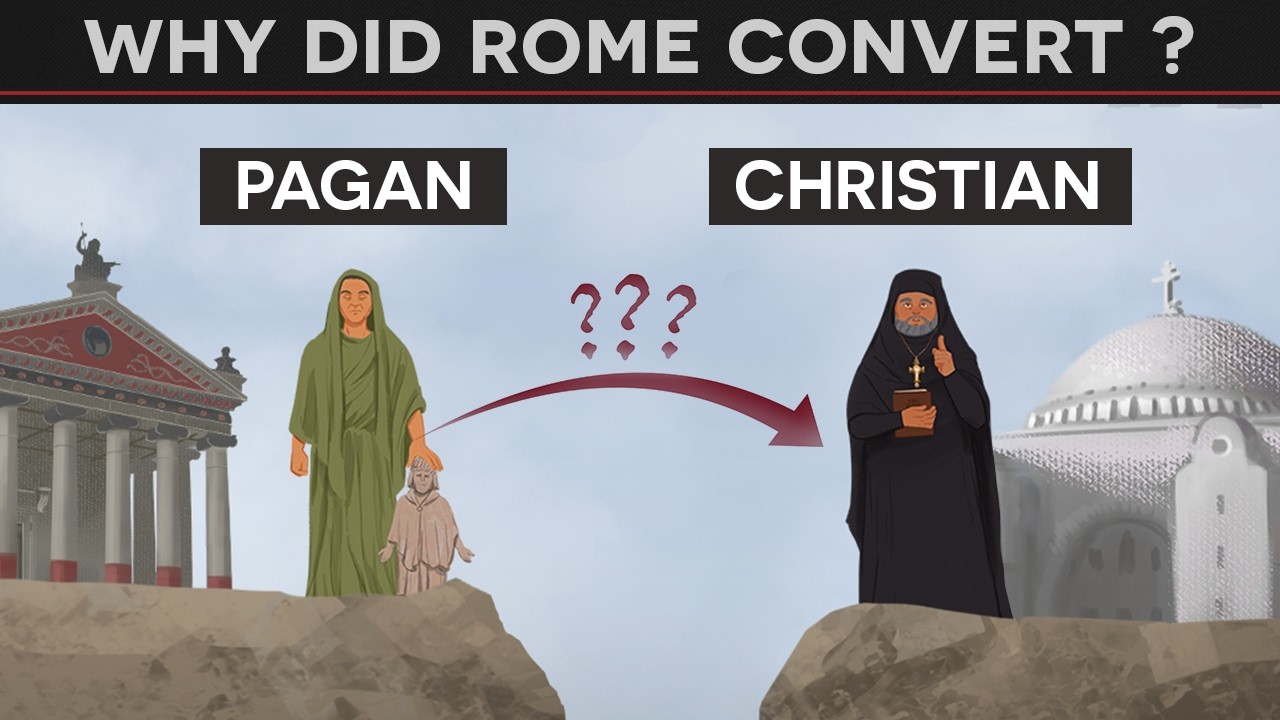
at historical documents and archaeological discoveries these little Clues from the past when you put them all together tell a pretty interesting story they suggest that early Christianity was really connected to to the Roman Empire one interesting clue is the timing of some key events the second temple in Jerusalem was destroyed in the year 70 this was a huge terrible event for the Jewish people and it happened right around the same time that a new more Roman style of Christianity started to appear this new version put less emphasis on Jewish laws and traditions and more emphasis
on obeying Authority and the promise of Heaven this might just be a coincidence but it makes you wonder if the Romans purposely tried to replace the temple with a religion that was easier for them to control and there's more archaeologists are finding some really interesting things they've discovered old Roman Villas decorated with early Christian symbols they've also found evidence that the Romans supported some early Christian communities this suggests that the Romans and early Christians were much closer than we thought and that the Romans probably had a bigger influence on early Christianity than we realized this
challenges the old idea that Christians were always persecuted it suggests that things were much more complicated with times of conflict and also times of cooperation the Romans were practical people they saw that Christianity could be a useful tool to keep Society under control and that's probably why they were willing to let it grow and even help it along in those early days flavius Josephus a Jewish historian defected to the Romans during the first Jewish Roman War his works the Jewish war and Antiquities of the Jews offer insights into first century Judea Josephus Justified Roman actions
demonized Jewish Rebels and presented Vespasian and Titus as merciful conquerors the creating Christ Theory challenges traditional views suggesting Roman involvement in shaping early Christianity historical timing romanization of Theology and parallels with Roman propaganda suggest a complex relationship the Romans masters of real politic may have shaped Christianity for control this Theory while controversial invites us to reconsider history by the early 4th Century Christianity Once A persecuted sect on the fringes of Roman society stood poised on the brink of a remarkable transformation the seeds sown in the blood soaked soil of Judea carefully cultivated by Roman hands
had taken root spreading their tendrils throughout the vast Roman Empire what began as a carefully crafted tool of Roman statecraft a means of pacifying a Restless populace and reinforcing Imperial Authority had evolved into a force to be reckoned with its message of Hope salvation and obedience to a higher power resonating with a growing number of Roman citizens but both slave and free the once Mighty Roman Empire beset by internal strife economic instability and the constant threat of Barbarian invasions found itself in a precarious position the traditional Gods once seen as guarantors of Roman power and
prosperity seemed to have abandoned their people their temples silent their oracles offering no Solace into this spiritual vacuum stepped Christianity its message of Hope and Redemption offering a Lifeline to a desperate populace the promise of a Heavenly Kingdom a realm of Eternal peace and Justice resonated deeply with a people weary of War corruption and the uncertainties of Earthly existence the year 312 CE marks a pivotal moment in the history of Christianity a turning point that would have profound implications for the future of both the faith and the Roman Empire it is in this year that
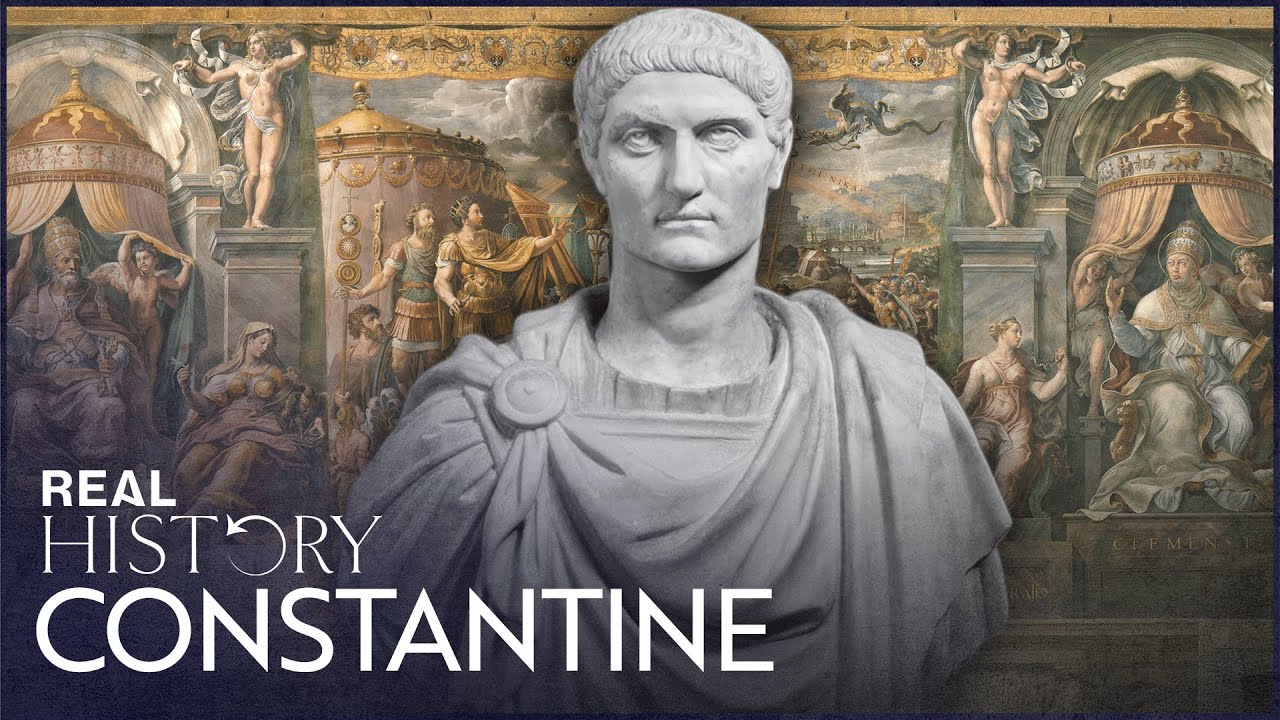
Constantine and ambitious general vying for control of the Empire claims to have experienced a vision of the Christian cross accompanied by the words in this sign you will conquer whether this Vision was a genuine religious experience or a shrewd piece of political opportunism remains a subject of debate what is undeniable is that Constantine's subsequent Embrace of Christianity culminating in his 3113 CE Edict of Milan which granted religious Toler to an throughout the Empire had a profound impact on the trajectory of the Faith with the backing of the emperor Christianity was transformed from A persecuted sect
into a favored religion its status elevated its spread encouraged its churches rising from the Shadows of the Catacombs to the heart of Roman cities Constantine's motives however remain a subject of scrutiny was he a True Believer touched by the Divine or did he see in Christian Christianity a powerful tool for unifying a fractured Empire its message of obedience and submission to a higher authority perfectly suited to his Ambitions with the backing of the Roman State Christianity underwent a dramatic transformation its message spreading like wildfire throughout the Empire its influence seeping into every aspect of Roman
Life churches once humble gatherings in private homes or hidden in the Subterranean labyrinths of the Catacombs now Rose in splendor their soaring arches and intricate mosaics Testaments to the Newfound wealth and influence of the church the cross once a symbol of Shame and persecution now adorned the standards of the Roman Legions a potent reminder of the Empire's Embrace of the Christian faith the Roman legal system once the Bedrock of Imperial Authority began to incorporate Christian principles its harsh punishments tempered by Notions of mercy and and Redemption the gladiatorial games those bloody spectacles that had long
entertained the Roman masses were gradually outlawed their brutality at odds with the pacifist teachings of the church the Roman Empire once a Bastion of paganism its Pantheon of gods and goddesses reflecting its diverse cultural heritage was undergoing a profound spiritual transformation its ancient Traditions challenged its very identity reshaped by the inexorable rise of a faith born in a remote corner of its vast Dominion the spread of Christianity throughout the Roman Empire was not simply a matter of organic growth fueled by the fervor of its converts it was a deliberate and carefully orchestrated campaign aided and
abetted by the Roman State its message tailored to resonate with the diverse peoples brought under Roman rule Roman roads those marvels of engineering that crisscrossed the Empire facilitating trade and communication now served as conduits for the spread of the Christian faith missionaries often traveling under the protection of Roman officials fanned out across the Empire preaching the gospel in bustling cities and remote Villages adapting their message to local customs and beliefs the Roman military that vast and disciplined force that had forged and maintained the Empire now played a key role in spreading the faith soldiers exposed
to Christianity during their campaigns and stationed throughout the Empire became unwitting evangelists carrying the message of the Cross to distant lands furthermore the Roman State actively promoted the translation of Christian scriptures into various languages ensuring that the message of the faith could reach a wider audience transcending cultural and linguistic barriers this strategic dissemination of the Christian message facilitated by the infrastructure and resources of the Roman Empire played a crucial role in transforming Christianity from a regional sect into a global [Music] religion the Roman Empire's influence endures through its language laws and architecture the Roman Catholic
Church exemplifies this Legacy its structure traditions and Global reach reflect Rome's power the Pope's Authority Echoes the Roman emperors Rome Spirit lives on in these institutions and beliefs the journey through the origin of Christianity has been one of questioning of challenging long-held assumptions peeling back layers of myth and Dogma to reveal the raw often uncomfortable truths beneath the evidence points to a conclusion many find unsettling even heretical the traditional narrative crumbles under historical scrutiny a complex story of political expediency and crafted narratives emerges Christianity a tool of Roman statecraft transformed Jesus into a symbol of
submission the romanization of Christianity was not a sudden takeover a hostile coup it was a gradual and Insidious process a subtle weaving together of Roman ideals and aspirations with the fabric of a nent faith the gospel narratives written decades after the events they purport to describe bear the unmistakable imprint of Roman influence the Miracles attributed to Jesus his pronouncements on obedience to Authority his emphasis on a Heavenly Kingdom that diverted attention from Earthly struggles all aligned perfectly with the Roman need for order and control Paul of Tarsus a Roman citizen well-versed in both Jewish and
Greco Roman thought played a pivotal role in this transformation his tireless efforts to spread the Christian message his skillful blending of Jewish Messianic tradition with Roman ideals and his insistence on obedience to governing authorities all served to shape Christianity into a faith that could flourish within the Roman Empire the choice presented to the people of the Roman world was not between Christianity and paganism but between different versions of Christianity the original revolutionary faith that challenged the status quo and the romanized version that reinforced it and it was the latter backed by the full weight of
the Roman state that ultimately prevailed the Roman Empire may have crumbled centuries ago its Legion vanished its Emperors turned to dust but its Legacy particularly its influence on the development of Christianity continues to shape the world we live in the Roman Catholic church with its hierarchical structure its emphasis on tradition and Authority its Global reach stands as a testament to the enduring power of Roman statecraft a living embodiment of the Empire's ability to shape not just the physical world but the spiritual realm as well the very language of the church Latin the language of Roman
law and administration serves as a constant reminder of its Origins the Pope the spiritual leader of millions sits upon a throne that traces its lineage back to the Caesars his authority though spiritual in nature undeniably influenced by the Roman concept of centralized power The Echoes of Roman influence can be seen in the architecture of countless churches and cathedrals in the rituals and ceremonies of the church even in the very structure of Christian thought itself the romanization of Christianity was so complete so thorough that it is difficult to imagine what the faith might have become had
it not been for the guiding hand of the Roman State the creating Christ Theory while challenging even threatening to some is ultimately a call to honest inquiry an invitation to confront the complexities of history and the often uncomfortable truths it reveals it does not seek to diminish the power or importance of Faith but rather to understand its Origins to trace its Evolution and to acknowledge the role that human agency often driven by motives far removed from spiritual Purity has played in shaping the beliefs that shape our world the truth as is often the case is
far more nuanced and complex than simple narratives allow the origins of Christianity are not a story of black and white of good versus evil but a tapestry woven from threads of faith power manipulation and the enduring human need for meaning and belonging the challenge for each of us as we grapple with the implications of this new understanding is not to abandon Faith but to redefine it to ground it not in blind acceptance of received wisdom but in a spirit of critical inquiry Open Hearts and a willingness to embrace the full complexity of our sh if
you enjoy our content we'd love your support by joining one of our Channel memberships you help us continue you creating videos like this one while gaining access to some amazing perks as a member you'll unlock exclusive content available only to supporters earn loyalty badges to show off in comments and live chats and enjoy priority responses to your comments shoutouts and more the best part memberships start at just $2.99 a month less than a cup of coffee even small contributions make a big difference for the PJ Bible TV team in covering production costs and delivering the
content you love and if you're not ready to become a channel member today but still want to support us there are other ways to help engaging with our videos is a tremendous way to show your support by taking just a few moments to like the video share it with friends family or on social media and leave a comment you're telling the YouTube algorithm to share our content with more people your support no matter how you choose to show it means the world to us thank you for being part of the PJ Bible TV community