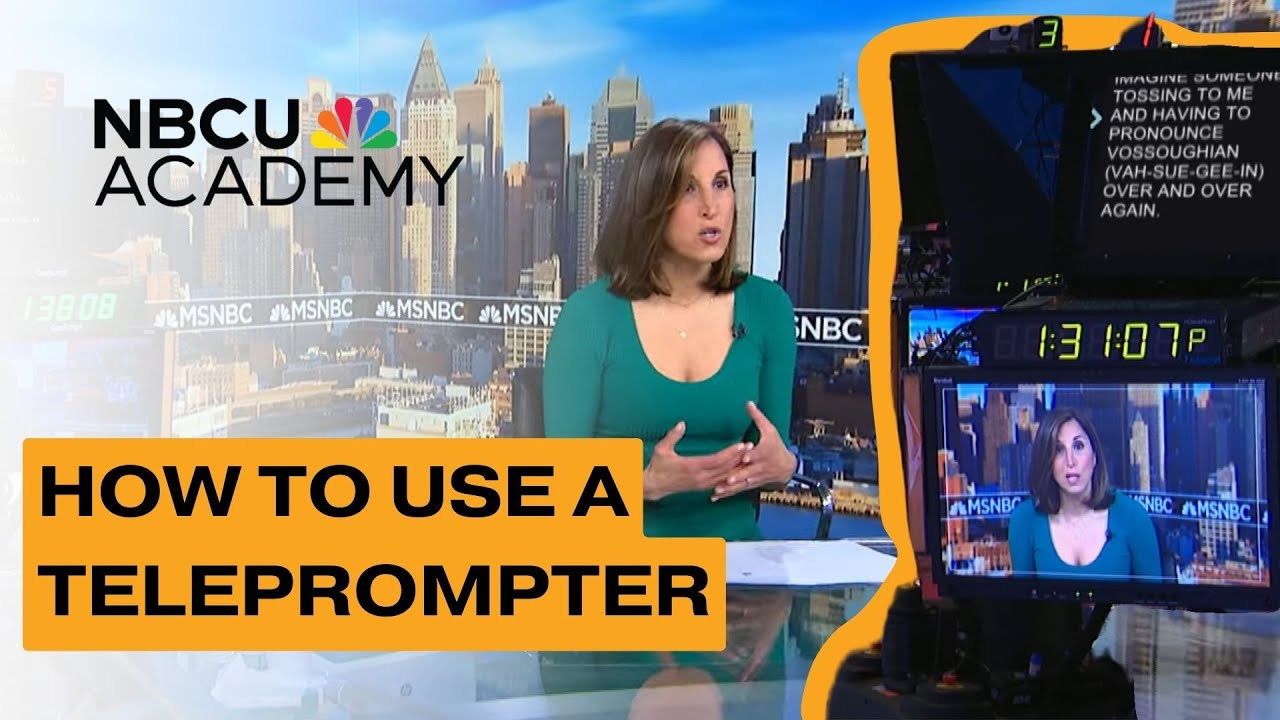
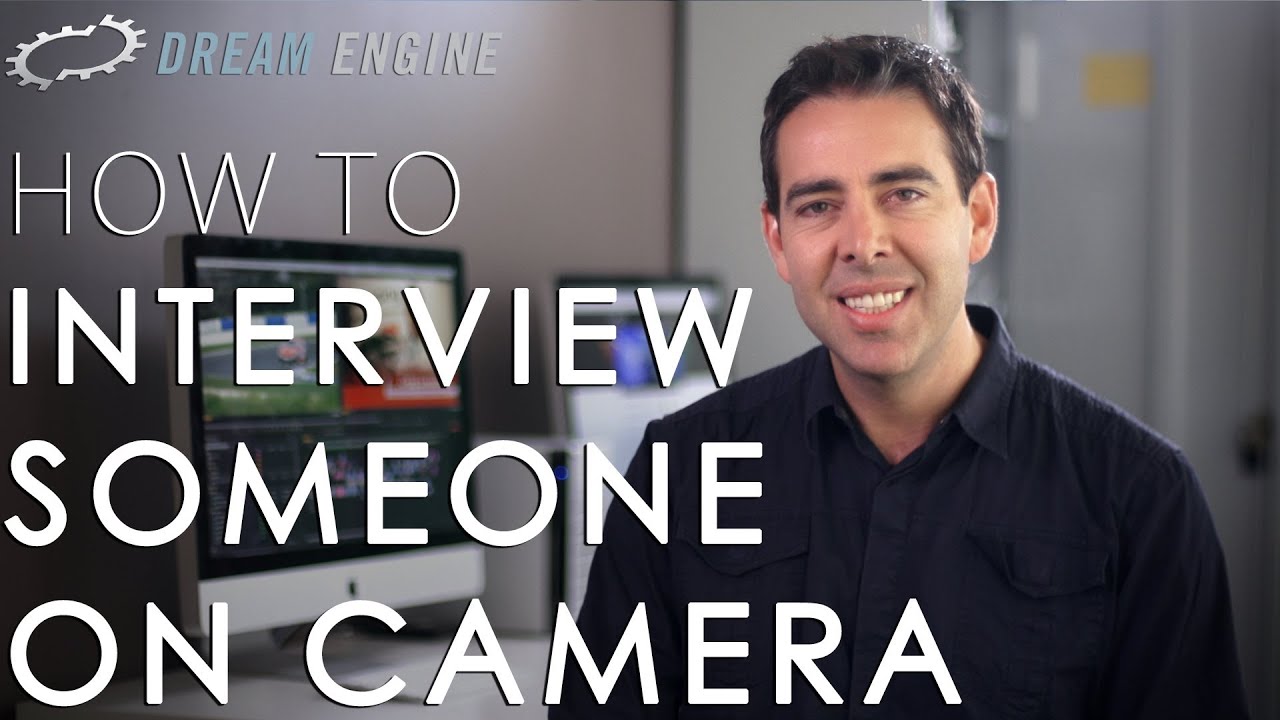
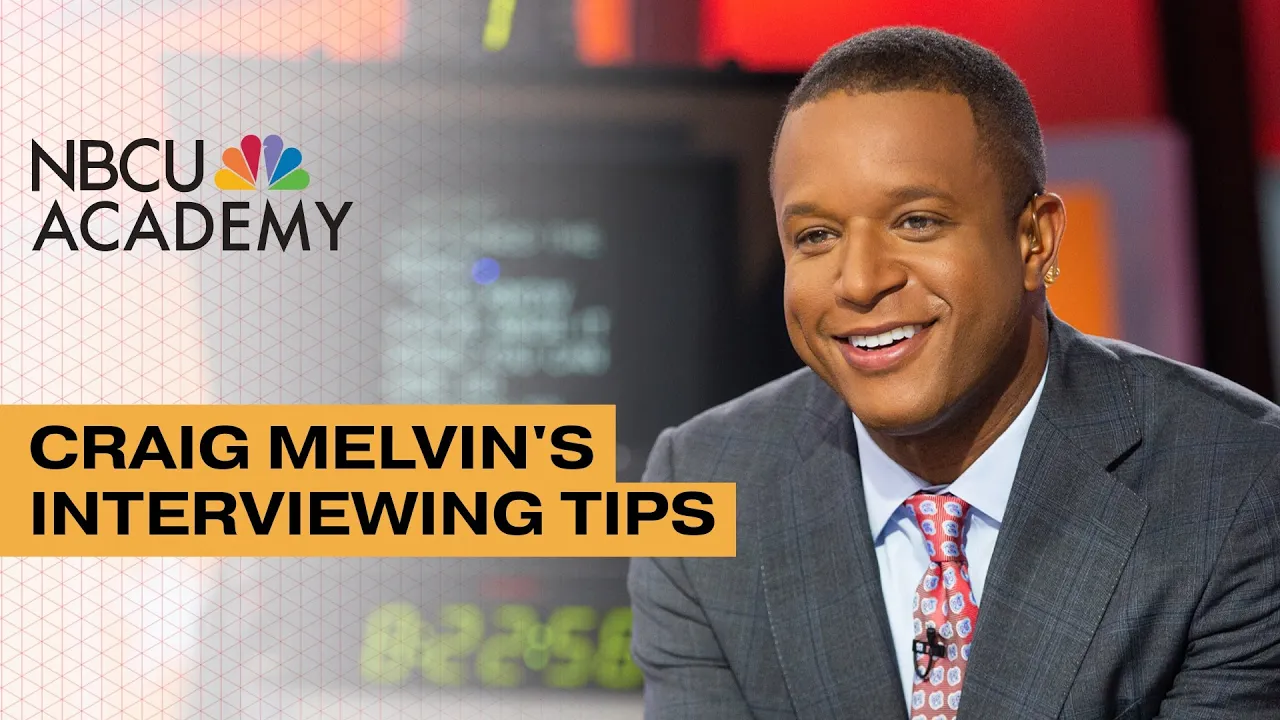
I like to ask short simple questions is what's happening at the southern border is it a crisis I have found and continued to find the shorter the question the longer the answer what does this friendship look like post football man hopefully it's uh it's miles down the road baby when you can see someone look down or look up or pause for a beat or two when you got the call what'd you think it became real that's a sign of a good interview I'm Craig Melvin with the Today Show and Dateline NBC and right now I'm
just going to share a few tips on interviewing foreign [Music] how do you get more people of color in the ownership positions what kind of grandmother is is Amy Grant I don't know if people knew you were going to go four and five how did it feel last night to hear those names call so the purpose of the interview should be to elicit new information about a subject about an event about an idea a personal place I think really good interviews do a couple different things they elicit some sort of emotion I want whoever is
listening or watching the interview to feel something you got me choking up now I want the audience to learn something new I want them to have discovered something new about the subject about the person about the event that they did not know before the interview starts and the third thing I think in any good interview and again there are exceptions to the rule there should be a smile there should be maybe even a chuckle laughter there should be a moment in every interview where you can just be normal so preparing for interviews is it's It's
tricky because it depends on the kind of interview you know if you're going to get 20 or 30 minutes you can go pretty wide you can cover a lot if you're getting five or ten minutes which is oftentimes what we'll have for live interview on The Today Show you can't hit six or seven topics you've got to focus on on two or three and really try to go deep for really big interviews if I'm sitting down with the president of the United States that requires a great deal of preparation you want to read and watch
as much of that person as as you possibly can leading up to the interview things that they have said or in some cases written about in the the weeks and months leading up to it during the campaign you pledge to reunite hundreds of children who have been separated from their parents according to our reporting and in your first 100 days not one child's been reunited I don't think how is that I I don't think that's true but that could be what we have done good interviewers are smart enough to know what they don't know and
if I'm sitting down and I'm talking to someone who is a legitimate subject matter expert then I have to read in Thoroughly and sometimes pretty quickly to get up to speed on things sometimes I write questions down sometimes I write themes down it depends on the person that I'm interviewing like if I'm interviewing someone who has interviewed a lot then I'll sometimes write down themes I'll keep the questions here I've also found especially in the wake of disaster I have found that it can be off-putting to a lot of folks if you're talking to them
like this but you're looking down to ask your questions and you're looking back up you're like a robot reporter it's difficult to establish a connection when you're not making eye contact when you're not reading facial cues if I'm interviewing someone who is not used to being interviewed on a regular basis I spend a fair amount of time before I even start asking questions on the record just shooting the breeze you help them take their guard down not because you want to get them but because you want them to feel comfortable when people feel comfortable talking
to you it comes across on camera sometimes people will ask do you have any techniques or tactics or tricks that you're using in interviewing I have found that when I'm interviewing someone and you ask a question especially if it's a pointy question and they sit there for a second or two and they start to answer she came back to which we'll craft your mom died why tone lots of great memories and deliberately weighed a beat or two like in my mind we're talking two or three seconds and you'll find that people like to explain the
answer that they they just gave you and then if you sort of look at them and you're like like you don't really understand what they're saying they try to explain it even more and that's when you get the good stuff the interview it's not about you it's not about the person asking the question make the interview about the subject make it about the person sitting across from you they'll appreciate it the audience will appreciate it a good journalist should be an agent of the audience on our best days we're working on behalf of the person
who's watching us or listening to us