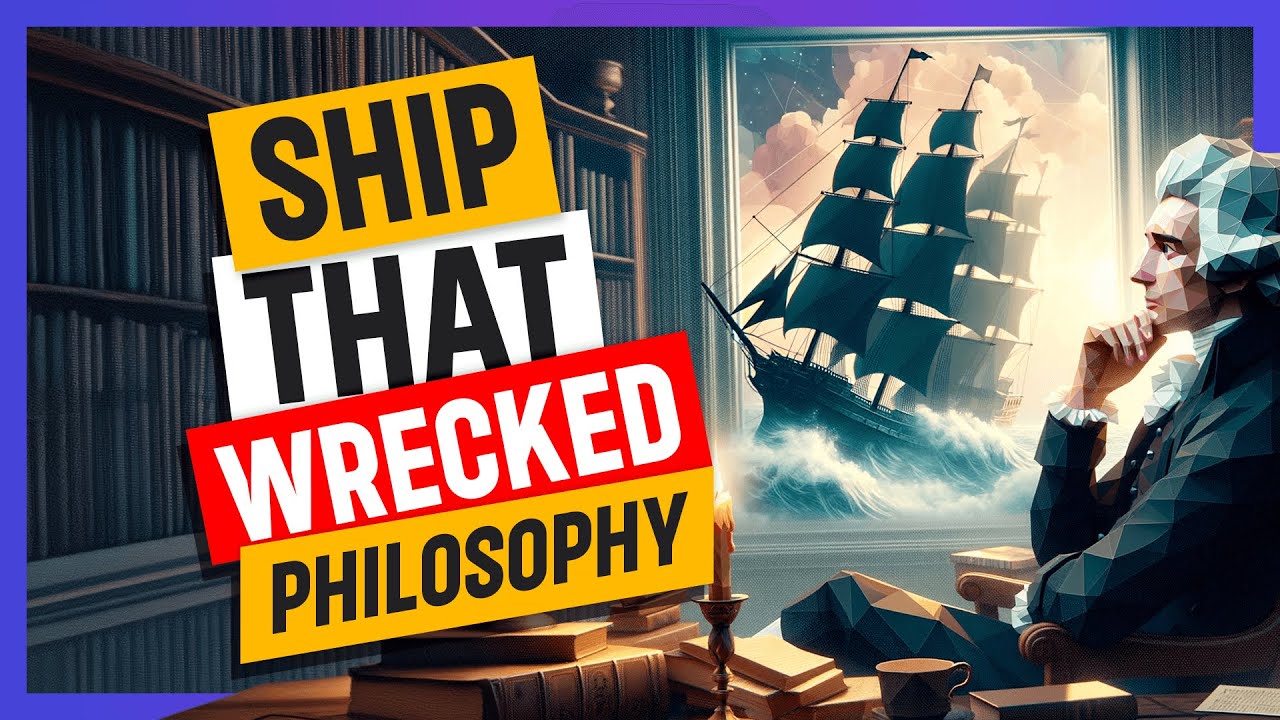
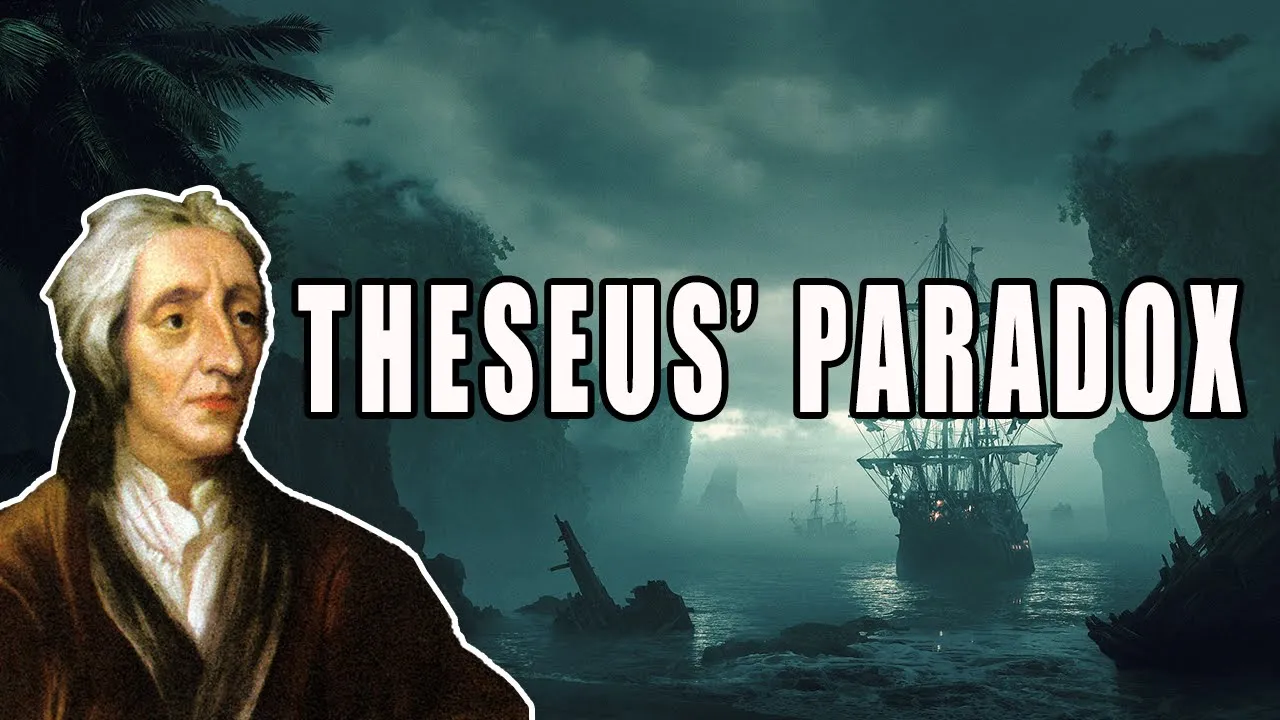
the sun rises over the ancient city of Athens casting its golden light upon the bustling port in this vibrant Harbor a ship unlike any other lice actor this is not just any vessel it's the ship of Theseus a paradox that has challenged philosophers for centuries The Story begins with the Great Hero Theseus who after slaying the Minotaur returns to Athens aboard this very ship as a symbol of their Hero's triumphant Victory the Athenians preserve the vessel replacing its aging and decaying Parts one by one over time every single component of the ship is replaced but
here lies the conundrum is this restored ship still the same ship of Theseus let us delve into the various philosophical theories that have attempted to solve this Paradox first we'll explore the concept of identity as put forth by John Locke he argued that the identity of an object depends on its continuity Through Time rather than its constituent Parts according to look The hippothesis Remains the Same vessel as long as it retains the same functional and structural organization yet this notion of identity is challenged by the no identity Theory which posits that there is no enduring
self or object proponents of this idea such as David Hume argue that identity is an illusion and that objects themselves are constantly changing collections of experiences memories and attributes under this framework the ship of Theseus would not retain its identity as it's perpetually changing enter the philosopher Thomas Hobbes who presents a new twist in the tale he asks us to imagine that someone collected all the original parts of the ship of Theseus and use them to construct a second vessel now which of these ships if any is the true ship of Theseus this hypothetical scenario
forces us to confront the complexities of identity and in subjectivity of our understanding the Paradox also raises questions about the nature of change and continuity heraclitus the ancient Greek philosopher famously stated that you cannot step in the same river twice he believed that everything is in constant flux and our understanding of identity is only an attempt to impose stability on a world that is inherently unstable so to further illustrate this point we turned a modern day example your own body over the course of a decade nearly all of your cells are replaced yet we still
consider ourselves to be the same person despite these continuous changes it is through the continuity of our Consciousness and memories that we maintain our sense of identity even as our physical form undergoes constant transformation the ship of Theseus Paradox also serves as a metaphor for The Human Experience Chip's parts are replaced over time we too undergo constant change physically mentally and emotionally we are shaped by our experiences relationships and the choices we make leading us to wonder if we are the same person we were a decade ago or even yesterday in the end the shipothesis
remains an unsolved Paradox a testament to the complexities of human identity and existence it challenges our understanding of self and prompts us to question the nature of change and continuity as the sun sets on the Athenian Harbor the reconstructed ship stands as a symbol of our own Journey a voyage with the ever-changing tides of Life In Search Of The elusive answer to the riddle of identity
![PHILOSOPHY - Metaphysics: Ship of Theseus [HD]](https://img.youtube.com/vi/dYAoiLhOuao/maxresdefault.jpg)