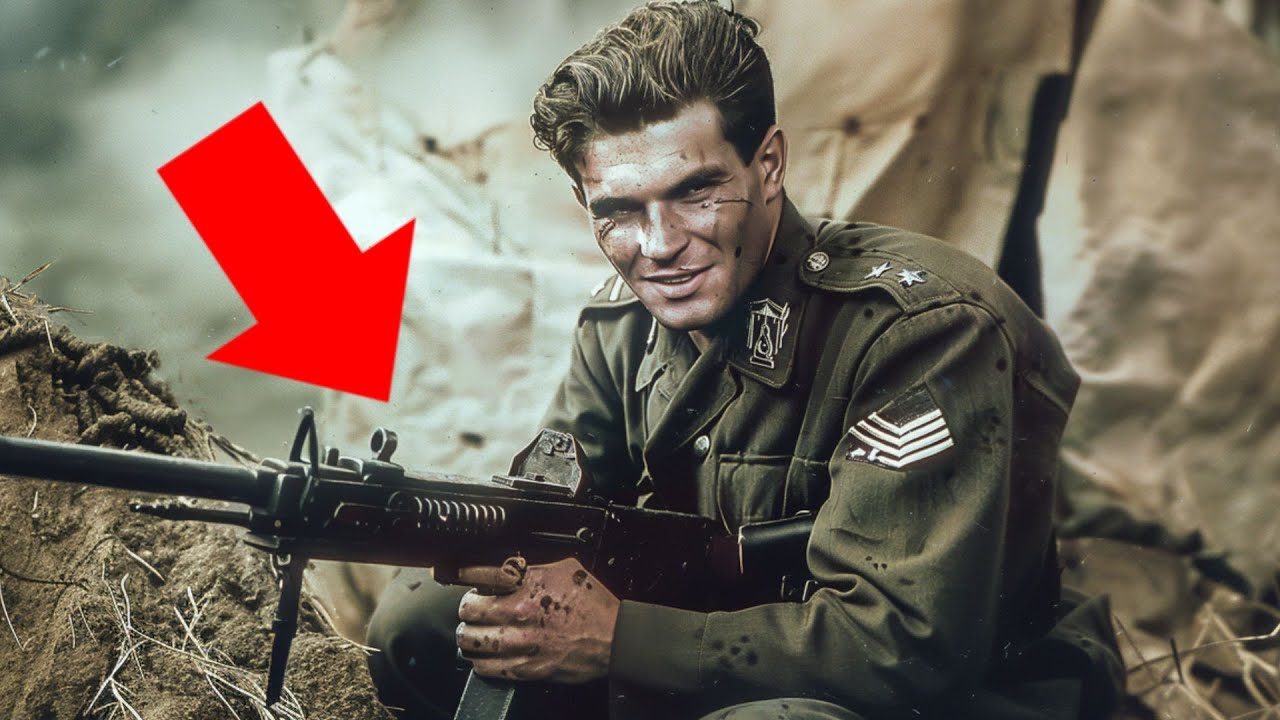
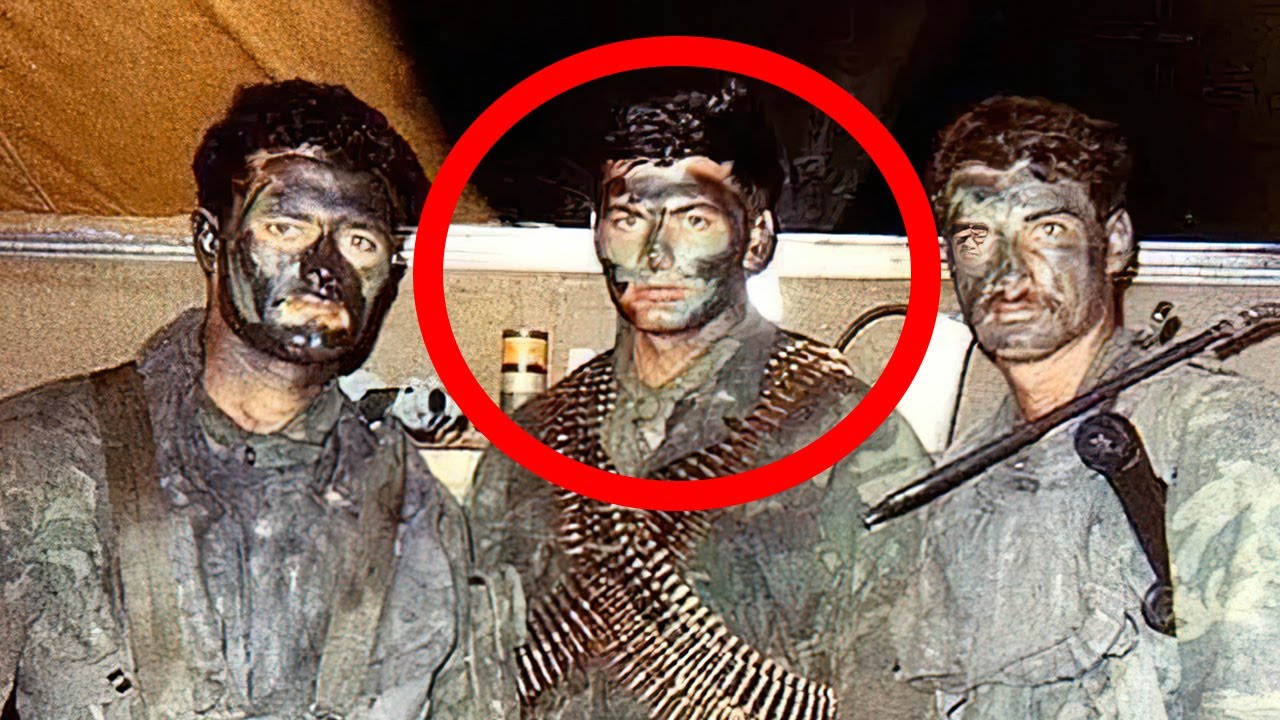
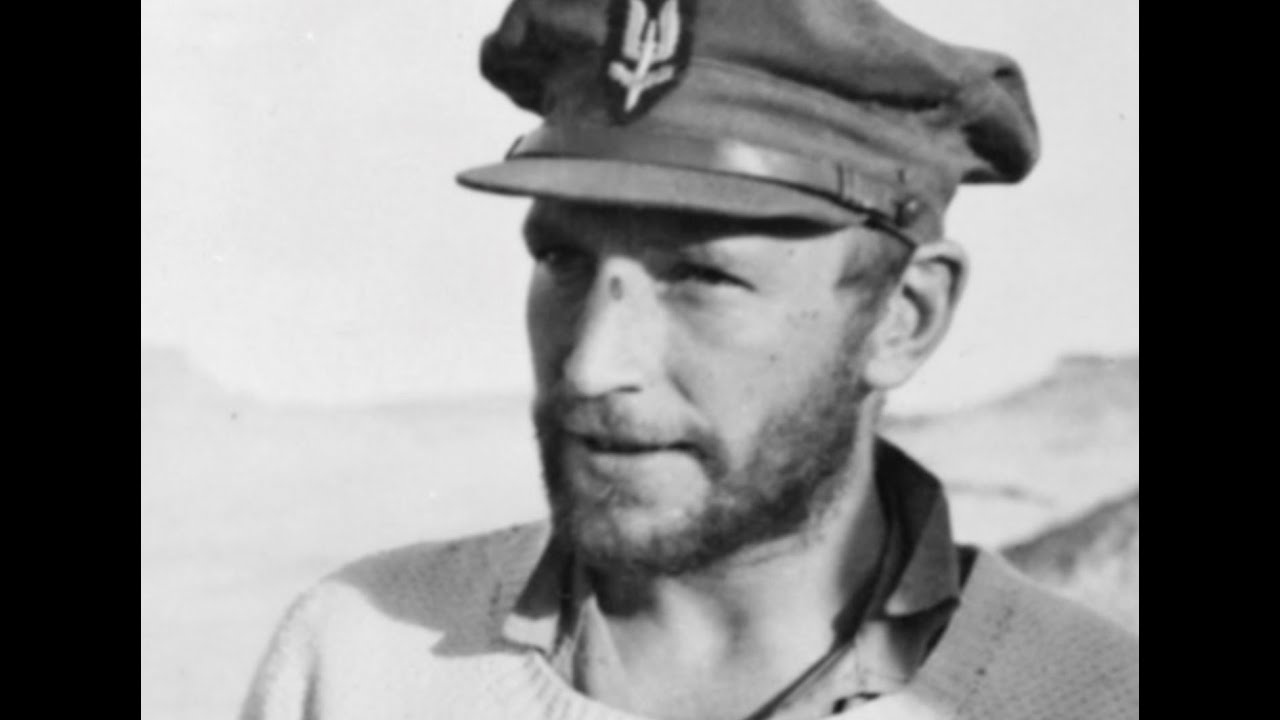
The SAS commandos silently infiltrated the German air base at Bagush, removed the nearby guards with their knives, set up the plastic explosives in every aircraft nearby, and crawled out of the perimeter completely undetected. Minutes later, the towering figure of Paddy Mayne, the Irish Lion, observed the fireworks from afar. The enemy base was in flames, but that was not enough for the Irish warrior, who said: (QUOTE) “Damn, we did 40 aircraft.
Some of the bloody primers must have been damp. ” Unsatisfied with the havoc he had just unleashed with only three SAS commandos, he ordered them back to their heavily armed jeeps and told them the job was not over yet. The commandos wanted to obliterate the entire base, storming into the blazing perimeter guns.
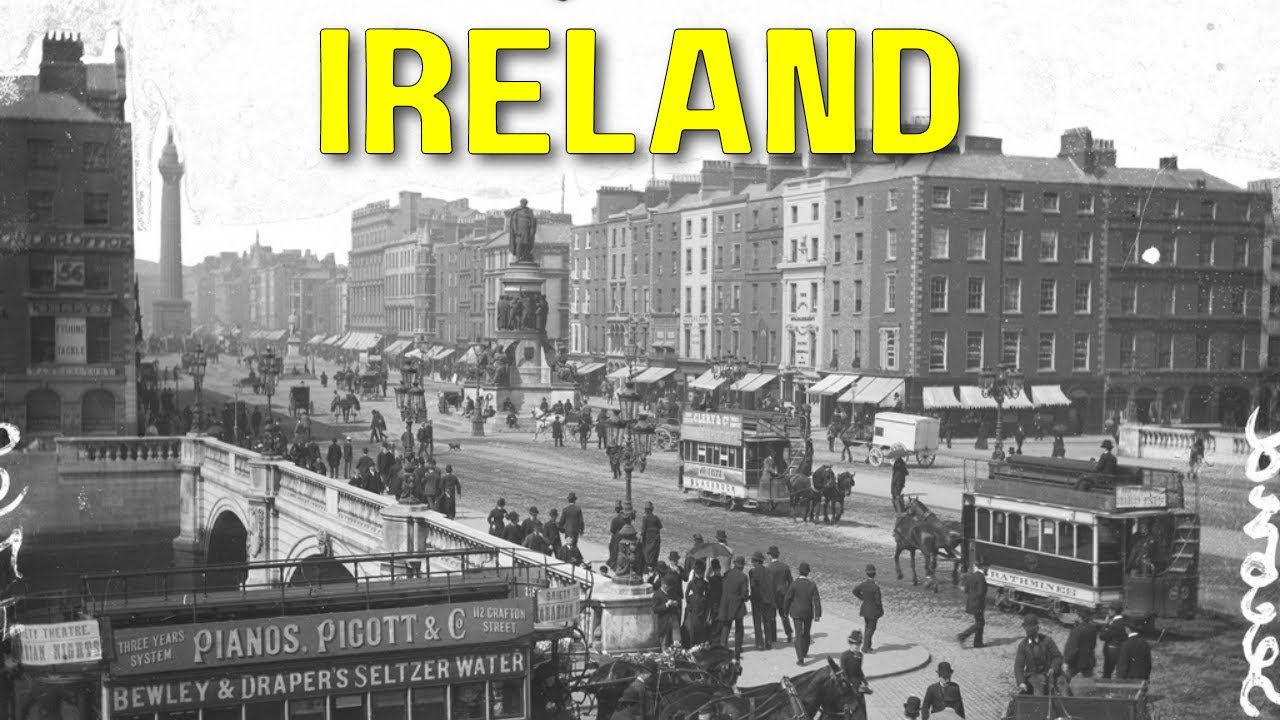
Such was the restless nature of the Irish Lion Commando, unleashed onto North Africa, leaving a path of destruction and paralyzing the Axis powers. Robert Blair Paddy Mayne, born on January 11, 1915, in Newtownards, Northern Ireland, was the sixth of seven siblings. He hailed from an affluent Protestant family in the United Kingdom.
Paddy was named in honor of his mother’s second cousin, Captain Robert Mayne, an officer enrolled in the British Expeditionary Force who perished in combat during the early months of World War 1. Even as a boy, Paddy would never shy away from action. On the contrary, while attending elementary school, Paddy Mayne joined the school’s 1st XV and the local Ards RFC Rugby teams.
As if that was not enough, Paddy diversified his skills, becoming a novice shooter at a local club and enjoying sports with less contact, such as golf and cricket. After finishing high school, Mayne studied law at Queen’s University Belfast to become a successful lawyer. While studying, Paddy became an officer cadet at Belfast Contingent, Officers' Training Corps.
The restless Irish warrior also took boxing classes when he was not reading, eventually becoming a heavyweight boxing university champion in 1936. Paddy Mayne’s impressive athletic build and stamina also drove him to become the second-line striker of the Ireland rugby team. Paddy Mayne and his team won six games, and in 1938, he was chosen for the British Lions tour to South Africa.
During this tour, Mayne’s rugby team complained there was not enough fresh meat in South Africa. He promptly reacted by hunting down a Springbok to feed his teammates. Although 23-year-old Mayne did not win the tour, his Irish blood made headlines due to his hard-drinking habits, comradeship, and thirst for adventure and trouble anywhere he went.
As the war in Europe loomed on the horizon in 1939, the restless heart of this young man would be oriented to God, King, and Country in the fight against the rising threat of the German Third Reich. In March 1939, Mayne joined the Supplementary Reserve in Newtownards, receiving a commission in the Royal Artillery as the British Army readied itself for war. Paddy Mayne’s legal and sports careers were interrupted abruptly after France and the United Kingdom declared war against Germany in September 1939 after the invasion of Poland.
After several regiment transfers, Mayne joined the Royal Ulster Rifles at the time of the British retreat from Dunkirk and volunteered to join the recently created Number 11 Scottish Commando. Mayne’s physicality was put to the test during the brutal training he had to endure to become a commando of the 11. Mayne became a weapons expert, demolitions expert, swimmer, rock climber, map reader, and close-quarters combat expert.
By the time Mayne was dispatched to the Mediterranean in the summer of 1941, he was already a seasoned warrior who embodied the fighting spirit of the Irish people. The superb athlete but unruly soldier participated in the failed Litani river raid in Lebanon, where over a hundred Commonwealth troops perished. Still, the Irish warrior effectively led his men, exposing his life under heavy fire.
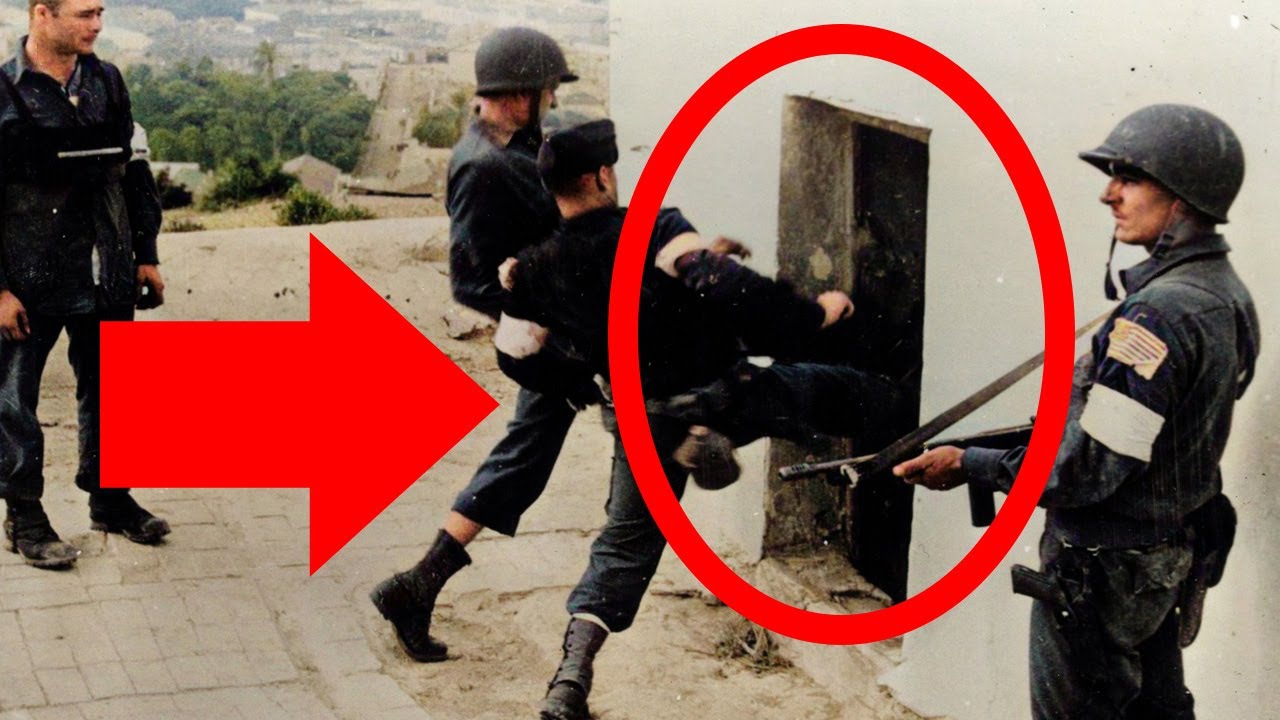
While resting in Cyprus after the failed operation, Mayne’s impetuous temperament took the best of him after getting mad with his commanding officer for not including him on the list for a secret raid to abduct General Erwin Rommel, the Desert Fox. During supper, Mayne knocked his colonel out after attacking him with a roundhouse kick to his jaw. Although this was more than enough to bring Mayne’s military career to an abrupt halt, his mention in dispatches regarding his previous deeds spared him from years in jail.
It was in a prison cell while awaiting a court martial for striking his superior officer that Paddy Mayne was recruited into the Parachute Unit. His new commanding officer, Colonel David Stirling, was the founder of the legendary SAS or Special Air Service. Mayne’s bravery on the battlefield had caught the attention of Stirling.
Thanks to a personal recommendation letter from a Lieutenant in the 11 Scottish Commando, he joined a legendary unit about to become one of the first special operations units in the world. Many men of Paddy Mayne’s temperament, rough and rebellious, were transferred to the North African mainland for specialized training. There, Colonel Stirling would forge them into authentic commandos.
Here, the British were engaged in a furious fight against the Italian Army and the Afrika Corps, led by the audacious Desert Fox. The Commonwealth troops had difficulty beating Rommel’s tactics. Stirling sought to change that with the Long Range Desert Group or LRDG.
During the night of December 14, 1941, Mayne and the LRDG commandos led a dashing raid on Tamet Airfield, Libya. His team ruthlessly burst into the officer’s mess hall and mercilessly gunned down the Italians and Germans inside. The commandos then set up explosives on several aircraft and key points around the base.
Not content with that, Mayne, the Irish Lion, wrenched out the control panel of an enemy fighter, earning him the praise of his comrades in the SAS. The successful raid destroyed over 24 enemy aircraft, several ammunition depots, fuel dumps, and communication lines. The Axis troops, believing the enemy would not attack Tamet again, resumed labors as expected.
It proved to be a big mistake. Paddy Mayne and the commandos paid a second visit to their counterparts on the 27th of December, destroying 27 other aircraft and a multitude of trucks, trailers, and supplies. The Irish Lion was awarded the Distinguished Service Order for his actions during both raids, and his reputation among the SAS operators increased with each subsequent operation.
Paddy Mayne and the SAS returned to action in early 1942 when Erwin Rommel launched his counteroffensive against the Gazala Line established by the Commonwealth forces. The Irish commando was promoted to captain just in time for a new series of daring raids behind enemy lines in the deserts of North Africa. Earning a Reputation Paddy Mayne and his commandos were dispatched to the Benghazi sector, wreaking havoc in the nearby airfields and harbor.
Anywhere the Irish Lion went, destruction followed. Days later, Captain Mayne, two corporals, and one private quietly infiltrated the Berka Satellite airfield occupied by the Axis forces to sabotage it. Under cover of darkness, the commandos crawled through the sand and rocks of the surroundings and reached the base on the morning of March 15.
The men then stealthily attached explosives to aircraft, fuel dumps, and a stack of torpedoes. The result was utter destruction. 15 aircraft went up in flames, plenty were damaged, and massive explosions around the base completed the picture.
Mayne and his men escaped untouched but had to walk more than 30 miles to their rendezvous point. Despite this triumphant sabotage, Rommel’s excellent leadership led to an Axis triumph over the British Eight Army, capturing more than 30,000 allied troops, several generals, and much-needed supplies for the Afrika Corps. The British were driven all the way to El Alamein, near Egypt, by June 1942.
While the British were pounded at Malta and engulfed in dashing dogfights with Luftwaffe aircraft, Paddy Mayne and commander Stirling decided it was crucial to attack enemy airfields to bring the tide of the battle to their favor. This led the SAS to outfit a fleet of jeeps for swift mobile warfare across North Africa, turning the commandos into a fully motorized unit. The all-terrain vehicles were armed with Vickers and Browning .
50-caliber machine guns to rain destruction on every enemy outpost they came upon. On July 4, 1942, the SAS went after the Axis airfields at the Bagush-Fuka sector, some 100 miles deep into hostile territory. During the night of July 7, the fearless Paddy Mayne and three commandos infiltrated the base and blew 22 Luftwaffe fighters to pieces.
Unsatisfied with the results, Mayne and his men stormed the enemy airfield with their jeeps and opened fire with their machine guns until they ran out of ammunition, destroying 12 other enemy aircraft. With a grin on their faces after the smoke and fire emerged from the enemy base, Captain Paddy Mayne gave the order to turn back at full speed. Like ghosts in the desert, they disappeared without a trace.
Taking Command Following Mayne’s latest success, Stirling devised an even more ambitious plan with his cooperation. Both decided to raid the Luftwaffe base at El Daba, 50 miles from El Alamein. This would not be an easy operation.
The Germans would be awaiting them this time. However, both commanders planned accordingly. Leaving concealment behind, they would attack the base, guns-blazing with the sudden apparition of their jeeps.
The SAS jeeps would plow through the perimeter and destroy every obstacle they could during their runs inside. And they did so on July 9, tearing apart 14 aircraft. Other 20 were added to the list after another raid on the Fuka installations, affecting the Axis’ airpower in the region.
On July 27, Stirling and Mayne led a raid against the Sidi Haneish airbase, where the Luftwaffe had stationed bombers and Junker Ju-52 transport aircraft. Over 18 SAS jeeps stormed the facility under a full moon, completely taking the Germans by surprise and destroying or severely damaging at least 40 aircraft. By the time the war in North Africa ended following the African Korps’ defeat, Mayne was credited with destroying over 100 enemy aircraft.
Honored Following the capture of Commander Stirling in January 1943, the 1st SAS regiment was split into the Special Boat Section and the Special Raiding Squadron. Mayne, now turned a Major, became the commander of the Special Raiding Squadron and led operations in Sicily and Italy until the Allied troops set a permanent foothold in the Italic peninsula. In January 1944, Mayne was promoted to lieutenant colonel due to his exploits in the peninsula and given command of the reformed 1st SAS Regiment.
As a seasoned warrior, Mayne led his men in daring operations across France, Belgium, Norway, and Germany. During the liberation of France, Mayne cooperated closely with the French Resistance, earning him a second bar to his Distinguished Service Order decoration. In Oldenburg, Germany, Mayne earned legendary status after his squadron was pinned down by enemy fire.
The restless Irish warrior lifted his wounded men one by one and led them to safety before returning to the battlefield and single-handedly destroying the enemy gunners entrenched in a farmhouse. Field Marshal Montgomery and even King George VI expressed Paddy Mayne deserved the Victoria Cross, but this was rejected in favor of other awards. When the war ended, Mayne returned to his homeland to work as a solicitor and secretary of the Law Society of Northern Ireland.
The Irish Lion lost his life in a car accident in 1955. Exactly 50 years after his passing, the idea of awarding the Irishman with the Victoria Cross emerged again, leading to a heated debate among military personnel. Regardless, Mayne’s incredible physical prowess, energy, and daring bravery during his years in Africa remain immortalized today in books, films, and World War 2 military history.