in this video you'll learn about the world of crisis communications and how social media plays a significant role in this specialized area of communications and marketing what is a crisis crisis have been defined as events that either cause harm or the potential for harm to an individual or organization whether the harm produces physical emotional or environmental damage to individuals and communities involved in the crisis or damage to the corporate reputation or financial standing of an organization the range of harm is different for in each unique situation full understanding of a crisis encompasses not only the
actual event but also the process or time leading from an event including the subsequent perceptions of the crisis by various stakeholders while most research has been dedicated to focus on traditional crises social media crises are quite different due to where they start Texas A&M Professor Tim Coombs who is one of the leading scoot researchers and scholars and crisis communications classify social media crises as acting somewhat like zombies in nature compared to traditional crises what Coombs means by this is that a social media crisis is an incident or triggering event that happens on social media or
on a particular platform rapidly spreads from person to person spreads virally to become a traditional news story advances in social media have opened a world of opportunity for sharing information across public and private sectors and disseminating necessary information about a crisis among stakeholder groups emerging communication platforms are transforming how crisis communicators reach their audiences and partner with agencies in a variety of situations these transformations and adoptions not only change how individuals and organizations communicate during a crisis but also how others perceive their actions and behaviors and the overall reputation of brands or corporations involved in
the situation new types of social media crises arise every day and the brands need to be prepared for that here are some examples of social media crisis you might come across cyber attacks or the hacking of social media accounts this happens when an account is compromised and is sharing either inappropriate or spam content that is not reflective of the brand voice and mission advocates calling for boycotts on advertisers when audience members are not happy with how the organization is practicing they may use social media to voice their outrage and cause others to follow them live
video video is unpredictable and can show a situation happening in real-time causing chaos and emotion to spark fake news and rumors information that is not true can circulate online which will distract from the real information about the crisis being shared employees going rogue sometimes employees go off script and go against social media policy behavior this comes about when employees perhaps do not agree with the actions by their employer or they feel no one will catch them these have to be addressed and handled in a timely and appropriate manner trend jacking during a sensitive situation trend
jacking happens when you take advantage of a situation that is trending in order to get your commercial message out outrage based on something that has been shared or posted people view social media platforms as first impressions and if they see something they do not like they will voice these concerns openly and loudly online so what do you do if you're experiencing a social media crisis do not panic when a problem arises on social media you want to ask yourself a few questions first is this a real crisis or not as Melissa Agnes discusses in her
book crisis ready there are differences between what an issue is and what a crisis is if it is a crisis you need to own it and take responsibility for your actions you need to have a sound team in place for your crisis team you will want to have a mixture of professionals who are part of your team like the CEO and key decision-makers representatives from the legal department are going to be key to make sure the actions and messages follow the law in addition subject matter experts will continue communicating the key specifics that the media
may have questions about for example a health specialist on Ebola for the Center for Disease Control internal representations from the brand like PR marketing accounting finance and HR are also key to have as part of the crisis team each member will be able to come in with their subject matter expertise and offer a unique perspective lastly one of the most important things you need to have is a crisis plan a crisis plan outlines all the steps needed to take during a crisis it describes who should be involved when to respond prepared statement and the action
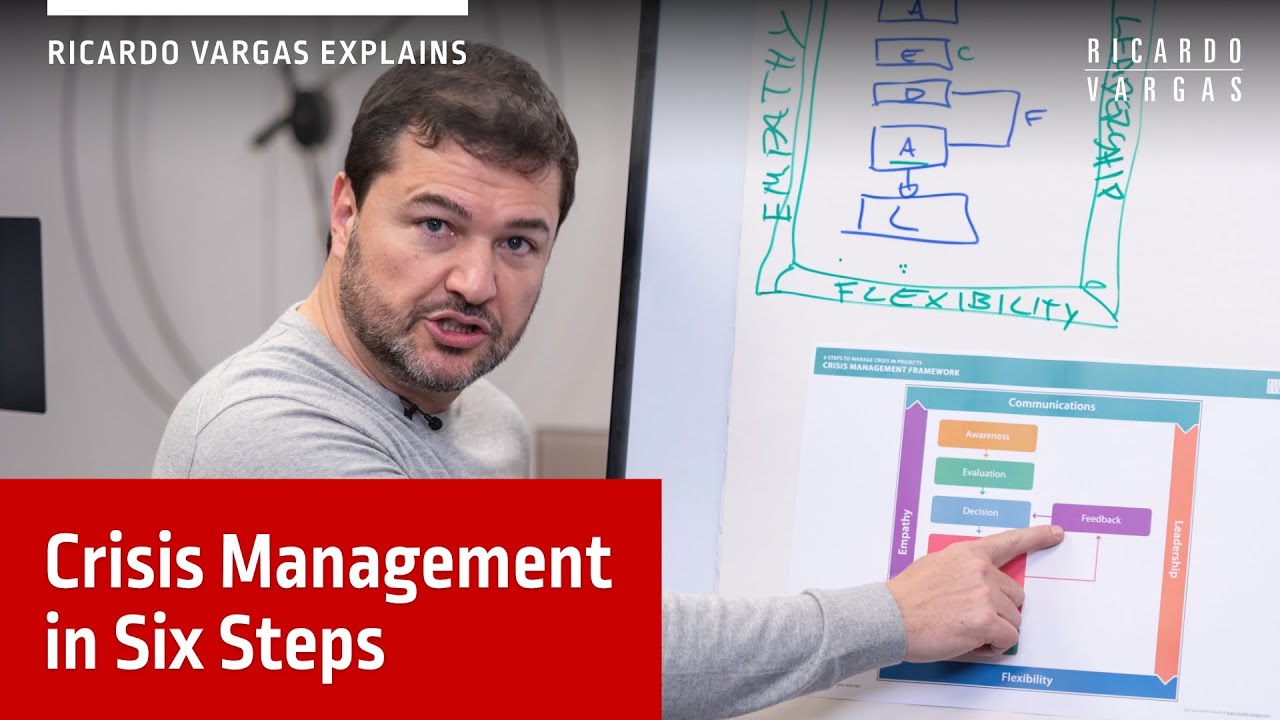
plan if a crisis escalates you should regularly look at this plan and revise based on the social media platform changes as well as in response to the rising issues and challenges that need to be accounted for in a crisis when a crisis emerged you do not want to be responding on-the-fly preparation is key to be as proactive as possible when a crisis hits there are three different stages to a crisis preparation pre crisis response crisis and recovery post crisis preparation comes in many forms like sending a proactive monitoring system training all your team members in
crisis communication setting social media guidelines and protocols creating a message map for responses and statements for each given situation building a healthy and interactive relationship with key parties even the best brands can have preparation plans in place but they still are in the midst of a crisis during the response stage crisis or the trigger event occurs and it is game on in the response stage a social media manager and their team has to react quickly compassionately with authoritative and clear words and actions understand the emotions being shared on social media pay attention to bad comments
sentiment and false information that could be spreading integrate social media messages to the appropriate medium and audience monitor and integrate comments and to crisis plans strategy provides statements to audiences to take certain actions embracing self-efficacy once the crisis has been resolved in address their recovery or post crisis stage emerges and we have to evaluate the overall sentiment of the messages determine the overall response in the media and amongst key audiences analyze the data to see what lessons to take away evaluate team members and the response strategies from the crisis determined best practices and lessons learned
what exactly is involved in a crisis plan there are many different types of crisis plans out there but you need to first build one that fits your team resources and the industry you are in here are some must-have components for your crisis plan a good mix of executive personnel to enforce decisions management to coordinate and partner with communication experts to craft the messages make sure you also have someone from legal and potentially Investor Relations involved brainstorm all of the potential issues that could arise start by making a list of everything you can think of that
could be a crisis or a problem this could be events like gun tear and lying executive a fire white-collar crime delivery problems with your product internet trolls gone wild data breaches sexual harassment website issues you name it assign a level based on how much it will affect your company's bottom line then determine exactly at what point will you push the issue up the literate risk ladder determine which stakeholder will be notified at what risk level managers executives partners clients vendors local and federal authorities and the press create a list of internal contacts and their titles
the departments that should get involved include their email addresses phone numbers and alternative contact numbers alert the stakeholders using the risk levels you've preset you'll also need a social monitoring program that will help you see all of the incoming social conversations that you have a sense of the urgency of the crisis or problem if there is a situation that needs an apology do it and do it fast within 60 minutes be as sincere and as transparent as possible the longer you wait the more the situation can spiral out of control is a proactive move to
see what mentions key words and conversations are emerging about a brand in crisis it is not only important to explore what is being said but who is driving the conversations these conversations can tell us a lot about any potential early warning signs level of sentiment for the brand and crisis who are the influencers driving the conversation for example advocates customers media or trolls and any issues that need to be addressed in a timely manner there are different ways to approach this let's look at examples from two case studies Southwest Airlines which has established itself as
a proactive party to social media because of its dedication to timely customer service was responsible to the engine explosion incident that happened in April 2018 with one of their planes in this crisis the team responded promptly and discussed the ways in which they will be addressing this type of CO situation in the future in 2017 uber took actions that were counted two individuals protesting at New York's JFK Airport during President Donald Trump's travel ban customers of uber were outraged by the actions of the CEO and voiced their frustration publicly which resulted in a worldwide viral
movement on social media of people deleting the uber app in 2018 there was also a delete Facebook crisis which came about when Cambridge analytical Elections consulting agency were outed by a whistleblower for hijacking data from over 87 million Facebook users without their knowledge as a result goober and book had to address the delete goober and leave Facebook movements online many felt that the companies took too long to respond to the crises and their statements appeared to not be tailored to the situation uber CEO eventually left the company and Mark Zuckerberg had to testify to Congress
both brands had different results to their crisis but neither had a sound listening and monitoring protocol to guide them in how they needed to respond you also have to know where the crisis first started on social media most of the time a crisis sparks on a particular platform this is where you have to be since this is where your audience will be having the conversation surrounding the particular incident not responding or being present on social media could result in a bigger situation to address which could impact the company more in the future within the social
listening and monitoring protocol you have set forth you do want to make sure you are empathetic to the current landscape and emotional state of your audiences this is not the time to promote posts or news Jack and crisis situation in addition researching why certain trends are trending is crucial because not understanding the context of things could result in getting yourself into a bigger crisis in this day and age where everyone wants to be relevant and training on social media this could actually result in creating crisis for yourself look at what happened a few years ago
to DiGiorno's and the why I stayed hashtag the brand entered a serious conversation about survivors of domestic violence by stating they stayed because of the pizza the brand apologized for this incident and recognized it was a key to first free search a trending hashtag before jumping into the conversation with that being said here are some tips for handling social media during a crisis make sure to pause scheduled social media posts pause paid ads on social media channels pause marketing emails assess the plan blogging and campaign schedule for appropriateness create a blog posts addressing the situation
as needed provide talking points for executives as needed check all content for relevant references that could be perceived as offensive or rude in light of the event cancel any planned product updates or changes create a plan for employee communications as needed communicate issues and customer support via social media notify folks speaking that day on need to address or not and relevant talking points consider creating a flowchart of action make sure you disseminate your plan to internal stakeholders for the most part social media crises can be prevented educational training is key and crisis simulations need to
be conducted to make sure all parties are aware of what they need to do if something happens if a mistake happens own it and take responsibility make sure you address this proactively and in a timely manner never say no comment this is what you do not want to do there are always ways to address a question from the media and others if you do not have the information at a given time for example stating at this time we are still in the midst of an investigation and do not have all of the facts however we
will be providing an update on Tuesday to provide more details for you all don't engage in a flame war trolls and those who are not your fans may want to start a heated conversation with you to create an emotional spark while it is tempting to reply it is better to not engage in a conversation that could escalate into a bigger situation do not blame the intern many times there's a perception that if something goes wrong it's because of the intern that's not always the case and it is key to not allow this narrative to spread
amongst the online community understand the role of the spokesperson and key players involved how you present yourself is just as important as what you say first impressions matter make sure the statements you share on social media reflect these points use your best influencers and advocates these individuals are not just for promoting new products and services but could be your best allies in a time of crisis in summary preparation is the name of the game for having a strong crisis communication plan like the changes we see in social media we have to be prepared for the
incidents that could negatively impact our brand culture reputation and community listening and monitoring for these potential crises could help in being a proactive and effective social media professional [Music]