[Music] patients and doctors are partners who need to work together to make decisions that meet the needs of each patient for doctors that means providing information to patients about their diagnosis and possible treatments in a way that patients and family members can understand for patients and family members that means telling doctors what's important to them and what concerns them and also asking questions to make sure they fully understand when they work together patients and doctors can get the most out of their visits and make the best possible plan you can prepare for a visit with
your doctor by thinking ahead about what you want to ask and tell your doctor this will help you get the information you need to make the best decision for you clinical trials should be considered as an option when discussing treatment choices this includes your initial treatment or subsequent treatments throughout the disease journey so a conversation about clinical trials is appropriate to have at any time when asking about clinical trials a conversation guide may help you to consider what questions you have before your visit you can look through the guide and mark the questions you want
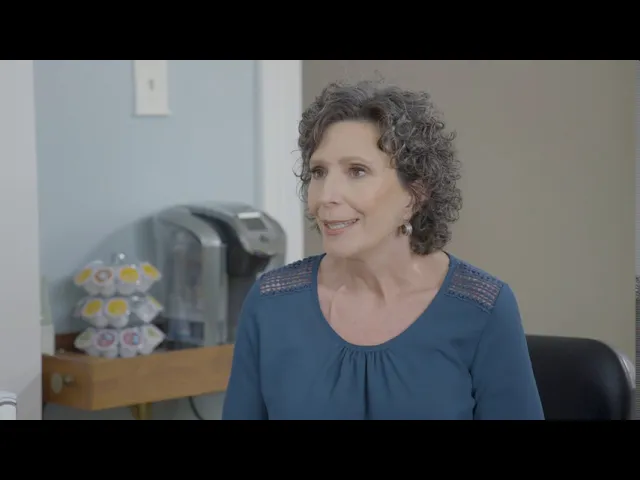
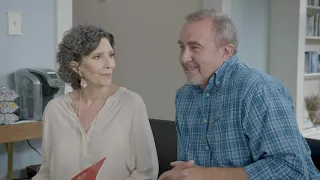
to ask remember that you are an essential part of your treatment team and it is okay to initiate a conversation with any of your questions or concerns when talking with your doctor five key skills may help you get the most out of your visit watch as this patient michelle and her husband bob use paces to talk to her doctor about clinical trials as a treatment option so i wanted to talk about clinical trials i've been hearing that people go on clinical trials i've looked through the internet at some of the trials that other patients are
going on and i don't know if they're trials that would be right for me and quite honestly i don't even know how i feel about trials but um i have a lot of questions and so i'm wondering is a trial right for me a clinical trial well i'm glad that you brought this up and i like that you came in with questions uh yes i think there might be some trials that might be potentially beneficial okay so we might be interested uh but i have some questions uh you use the word randomized um i guess
i don't know what that means does that mean she may not get the medicine so you ask a good question first a randomized study means that we're our patients by asking these questions and checking understanding michelle and bob are able to get the information they need about clinical trials it is important to have a discussion with your doctor to clear up any misconceptions you may have about clinical trials so i'd still be getting the treatment though for my cancer correct you would still be getting aid treatment for your cancer and again when you're randomized you
will either receive all right so but what would might be some of the side effects because i'm still working and i can't afford to miss a lot of work and quite honestly i'm concerned about you know not having hair and what i might look like while i'm going through the treatment truthfully if this ends up taking us out of town to another hospital or something like that i don't know that we can do that so i'm a little concerned for that well i'm glad that you told me about these concerns about your work and travel
let me go over some of the details about the side effects and if you think of any more questions please give me a call they'd want you to be comfortable with this decision before proceeding happy to set up a time for you to speak further with the study team and then we can schedule time to visit perhaps a week from now so that we can finish going over your questions and seeing whether you'd like to proceed with the study all right okay thank you i think we're going to discuss it and think about it and
of course i'd like to discuss it with my family because i think they're going to have some questions as well as you saw michelle and bob use the paces approach and the clinical trial conversation guide to discuss clinical trial options with her doctor by using these tools you can get the most out of your visit to receive a clinical trial conversation guide you can call a leukemia and lymphoma society information specialist at 1-800-955-4572 or you may print the guide from lls.org forward slash clinical trial communication check off questions that you want to ask your doctor
and talk with your caregivers to see what questions they have bring it with you to your doctor's visit to help you remember the questions you want to ask lls is ready to assist you in finding a clinical trial that may be right for you our information specialists and clinical trial nurse navigators may be reached by calling seven 1-800-955-4572 or visiting lls.org forward slash clinical trials [Music] you