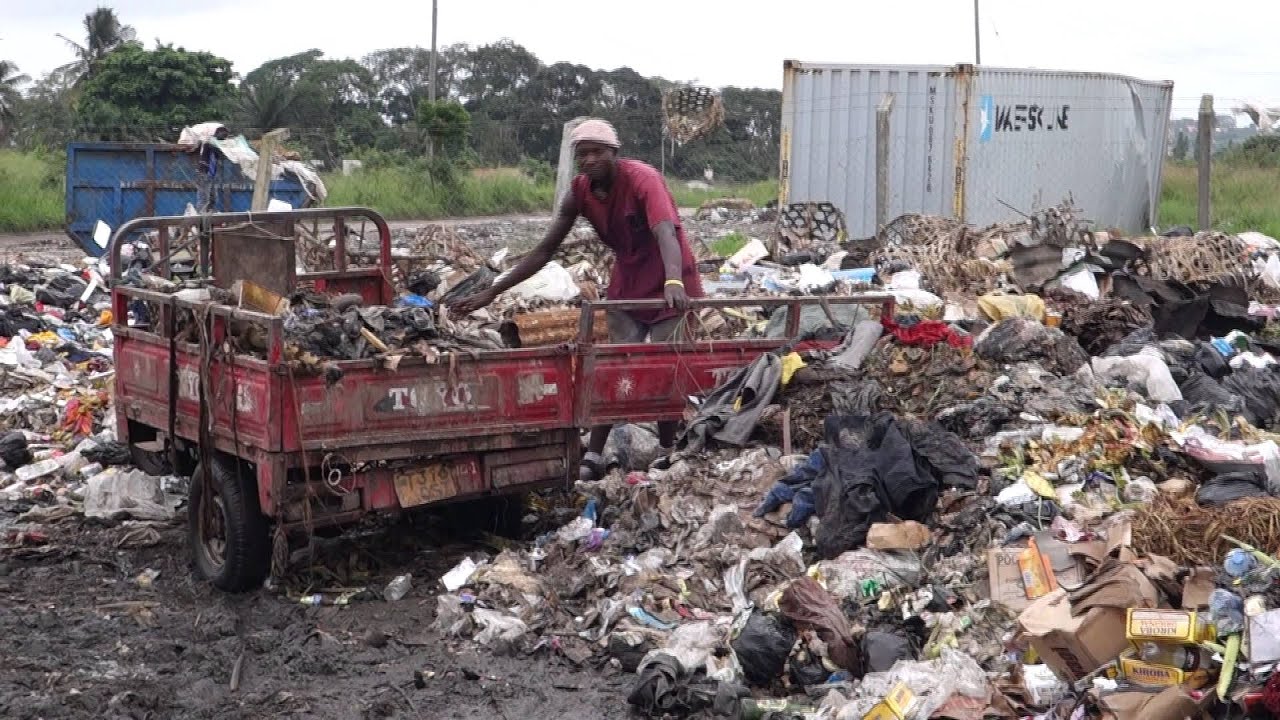
During my many years of experience in waste management in developing countries and many travels and visits to waste treatment facilities around the world, unfortunately, I have often come across waste-to-energy projects and treatment facilities that have been built, but then have after a short time, like this one in India. However, there still remains a strong drive by many to install such facilities. Promises are often made to solve all the waste problems with some sophisticated technology.
Local actors are often overwhelmed with such offers, and have difficulties assessing their seriousness and feasibility. This module is based on the waste-to-energy rapid assessment tool. I will briefly walk you through the suggestions listed in this report.
This report is available in the key readings or also on the website. This report provides a series of simple checklists to help decision makers ask the right questions. Before even starting with step 1, the first question is: Is waste-to-energy the right solution for you?
Feasibility of incineration or pyrolysis technologies will depend on the calorific value of waste - and this depends on water content. So if your waste is mainly organic and bio-degradable, it will typically also be very moist. If your organic fraction is higher than 50%, then it is likely that incineration will not be a good solution for you.
On the other hand, if the project is about anaerobic digestion, then you will want an organic fraction at hopefully 100%. Also, a high fraction of inerts is also detrimental to incineration, but also to anaerobic digestion. Simply said, stones do not burn and do not degrade.
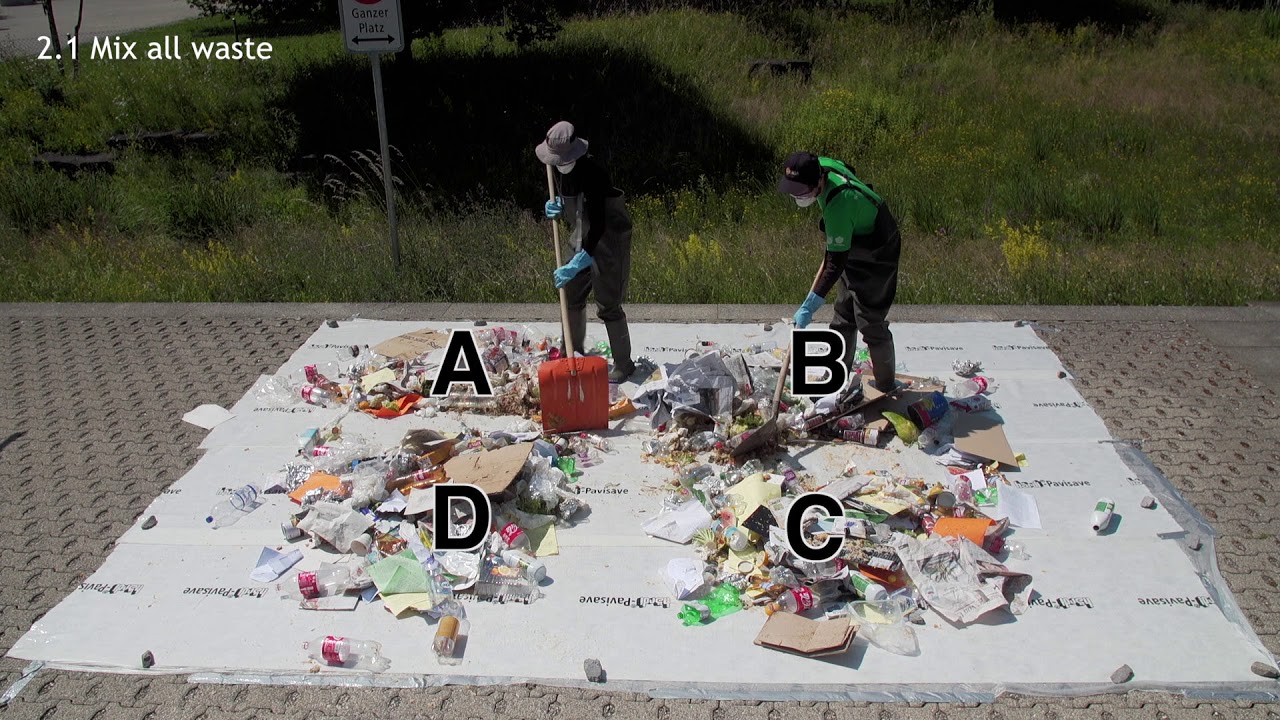
So it is important to have a good knowledge of your waste characteristics. If you do not have this, then make a special effort to obtain this through an in-depth, well conducted study, which is representative of your city. Another question to ask is: Do you have the financial resource for such a solution?
Do you have the capital costs? Or even, if the capital is available, you also need to think about the operational and maintenance costs or even the capital re-payment costs. Can you afford the gate fees that you would have to pay to the operator on an everyday basis?
So now, after these initial questions, let us look at the 10 steps. The first step recommended is to check on the company that is offering this solution. This is visualized by this comic.
Check all information about the company. Web search the company or even the consortium. Even, check on news reports around the company or on their facilities.
Can you find reports about financial problems? Or previous practices? Maybe even corruptive practices?
You can also check for past environmental or safety issues linked to this company. Then comes the question if the project and solution fits to the legal and policy framework. Is it allowed?
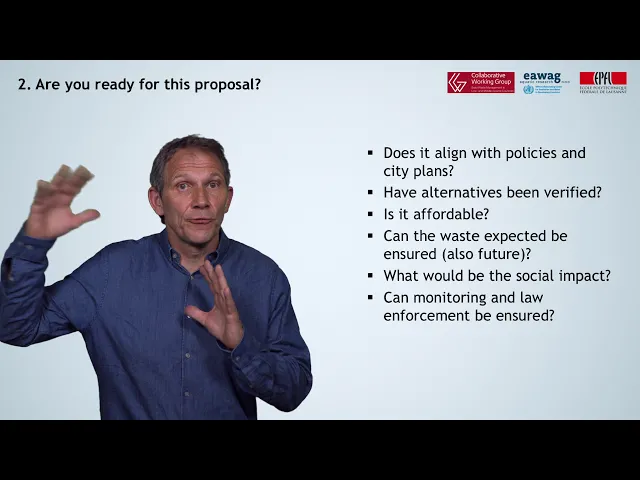
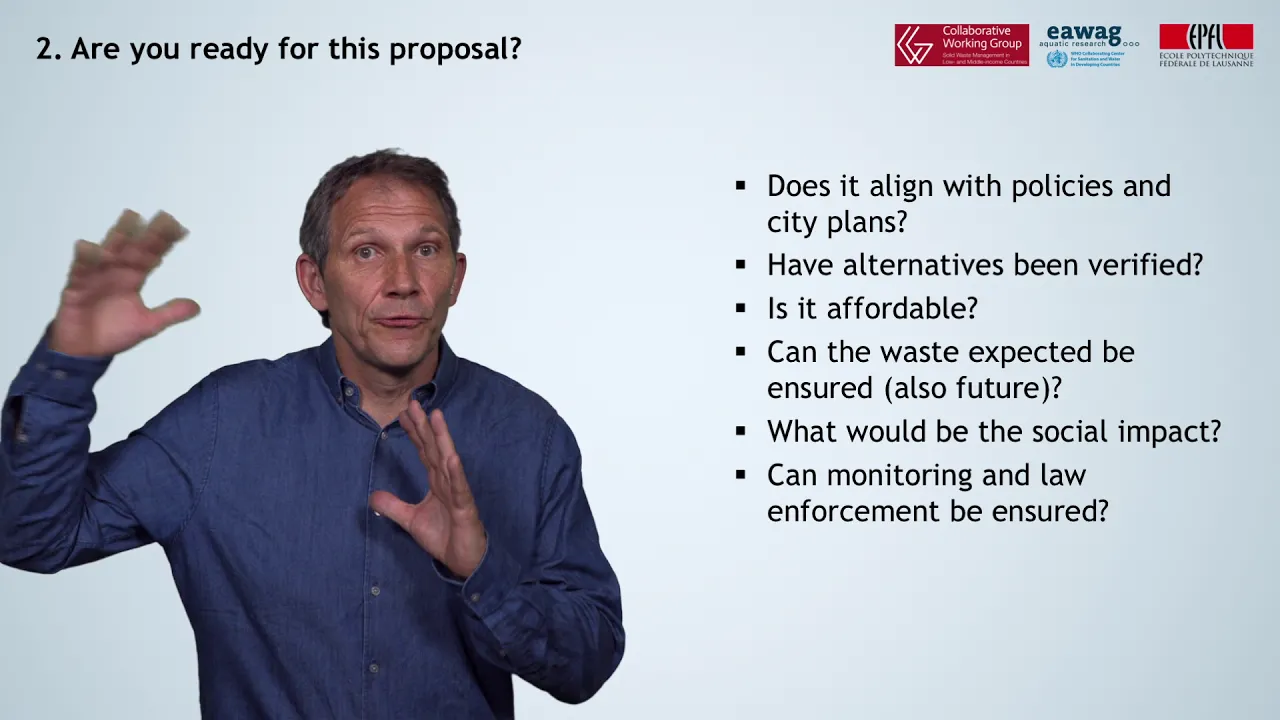
Does it fit national policies? Does it align with these? Have alternatives to this offer been evaluated?
Can the waste that this project requires actually be insured - also regarding projections for the future? Are environmental and social standards in place to control this? And can these rules be enforced?
And what are the expected impacts? The third set of checklists focuses on the technical requirements. What type of waste and what amounts are needed for the project?
What does the project promise in terms of technical solution? Is this a proven technology? Or something that is so innovative that it has been never been implemented before?
Also, ask what the by-products from this process are, and how will these be managed safely. Now that you have come so far with all your inquiries, it is time to recheck the seriousness of the offer and of the company. A fifth set of checklists in the report regards aspects of financial feasibility.
Study the cost breakdown very carefully. Are the assumptions on salaries or fuel costs realistic? What are the payment conditions in this project?
What are expected gate fees? When do these payments need to be made? Are some fiscal exemptions expected?
Are the capital costs secured? This is relevant even if the company offers to invest with its own capital. Have they secured this capital from investors or banks?
What revenues are expected? At this point, if you have come so far and have not yet discarded the project, then it is time to get some serious help. Yes, this may cost you something.
But it is definitely worth it. Let's face it: These consultant fees are minimal compared to a failed investment in such a large-scale project. Now at this point, you can take a look at the contract details.
What contract is proposed? Will a private enterprise operate this facility? Will they at one point transfer it to the municipality?
What is the contract period? Who will be owner of the infrastructure? What does the contract state as commitment from the municipality?
What gate fees does the project expect? And how does this compare to other waste management solutions? What will be the basis for performance and how will this be measured?
Are there penalties defined for both parties? Are the revenues expected realistic? For instance, the energy tariffs?
And finally, what is the contingency plan, the plan B, when something goes wrong? For instance, when the facility has broken down and is in repair. The eighth step involves checking on the environmental and social impacts.
Regarding environmental impact, there is also the issue of long-term liability, as some impacts may show themselves after many years; maybe even after the builder and operator has transferred the responsibility to somebody else. The ninth step is to then gain a see-for-yourself experience. It is crucial to request a visit to a comparable facility in another country or region.
Here, you can see for yourself how such a facility is working, what conditions need to be met, and compare it with the possibilities in your city. Also, it is a chance to meet local people involved or affected by the facility. Ask them about their challenges.
The specific experiences. This gives you an idea of what to expect or what to address with the project team before going down this road. Also ask the local actors for data and evidence on emissions, operational costs, calorific value, revenues etc.
etc. So now you have come this far, and you are more confident that this solution is a good idea, credible and appropriate. Often, waste-to-energy solutions, however, encounter opposition from social and environmental groups.
Maybe because of a bad track record or reputation. Or maybe because of the social impacts. Sometimes, technology choices are opposed for political reasons.
Stakeholder opposition can be strong enough to disrupt project development, causing delays and leading to added cost. So an approach to overcome this is to proactively seek interaction with these groups. Be transparent on all the steps you have gone through to verify and assess the seriousness and appropriateness of the project.
This means involving on one hand the regulatory stakeholders, but then also community stakeholders, and other stakeholders that have the power to disrupt the project. So, we have gone through the ten steps of an assessment process. Actually, the assessment phase may not be so rapid as the guide suggests.
It will take some time. But I seriously recommend to take this time to carefully evaluate the information. Go through all the steps.
This decision you are taking is an important one. Therefore, you should really be sure to have the best possible information for an informed decision based on objective and impartial evidence. Thanks for watching.