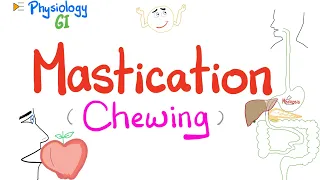
swallowing addition is the process by which food mouth to the stomach this movement is controlled by the nervous system and involves both voluntary and involuntary muscle contractions before food is swallowed it is mechanically broken down in the mouth by chewing or mastication the salivary glands secrete the enzymes lingual lipase and salivary amylase salivary amylase begins the chemical breakdown of starch carbohydrates in the mouth the water content of saliva helps bind particles together to form a bolus that can be swallowed swallowing occurs in three stages the first is a voluntary phase called the buccal or oral
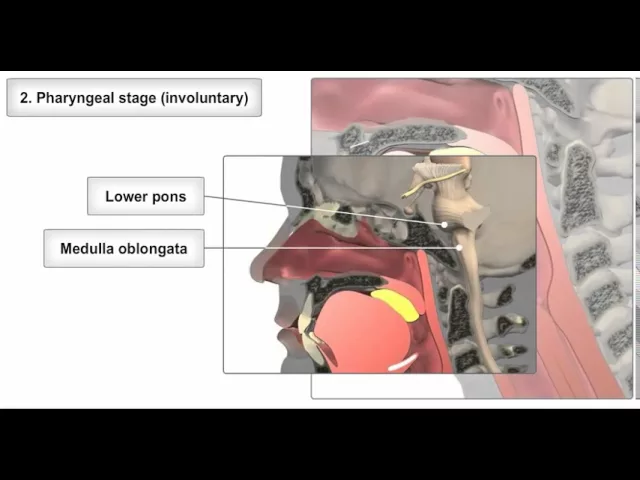
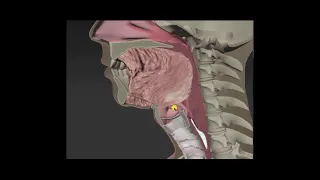
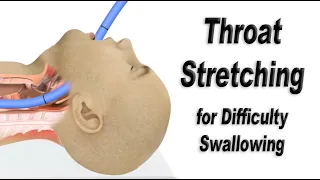
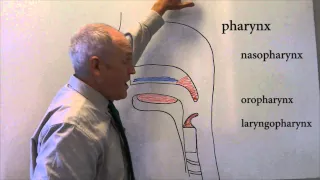
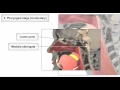
transit phase here the tongue moves upwards and backwards against the hard and soft palate to push the bolus into the oropharynx next is the pharyngeal stage in which involuntary movements push the bolus through the pharynx and into the esophagus movement of the bolus stimulates receptors in the oropharynx which send impulses to the deglutition Center in the medulla oblongata and the lower pons of the brainstem the brain signals the soft palate and uvula to close off the nasopharynx and the epiglottis to seal off the larynx this prevents the bolus from entering the respiratory tract the upper
esophageal sphincter relaxes to allow the bolus to move into the esophagus and contracts to reduce back flow into the pharynx in the final esophageal stage the bolus is pushed onward by peristalsis a progression of involuntary wave-like contractions of the circular and longitudinal smooth muscles of the esophagus as the bolus approaches the end of the esophagus the lower esophageal sphincter relaxes and the bolus moves into the stomach so in summary food moves from the mouth through the oral pharynx and esophagus and then into the stomach