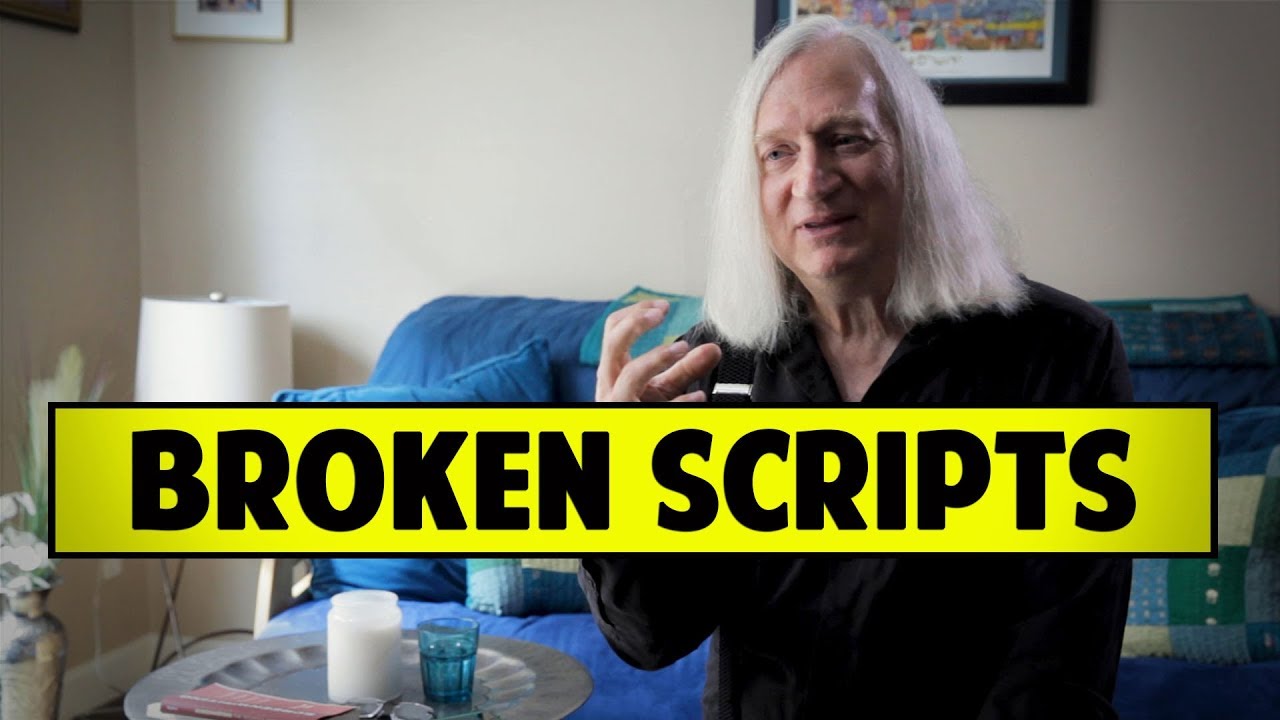
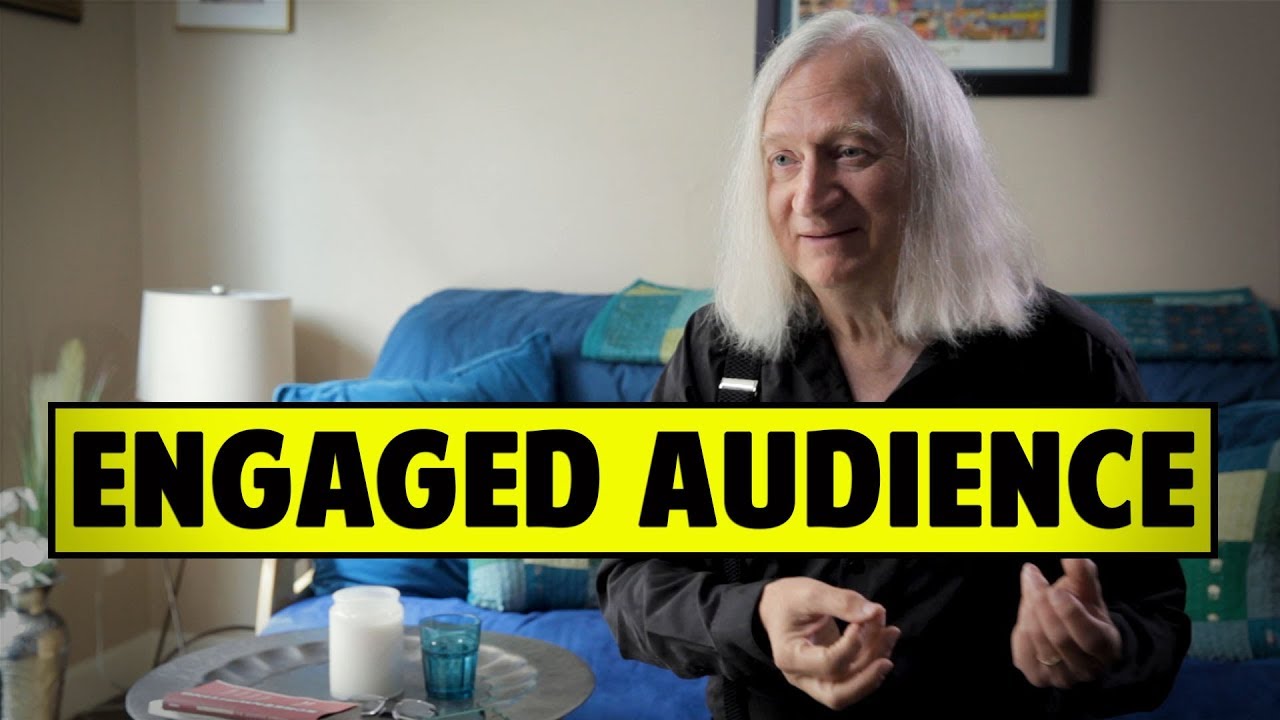
Film Courage: Paul you went to USC and took screenwriting at USC? Paul Gulino, Professor at Chapman University Dodge College: Correct. Actually Columbia I studied screenwriting at Columbia University and I taught at USC for five years during the 90s. I was a originally a English major than a history major at Columbia as an undergraduate history was about stories about people doing things so there was maybe a natural inclination there and then while I was an undergrad we used to take our super 8 sound camera and make comedy shorts and this is your audience may not remember
this but there was a time when movies were shown in front of big audiences not on a little screen and if you were working in comedy it's very useful to show your stuff and from an audience and find out what's working what isn't so we would do that we were making movies having fun and then when I was an undergrad I met Frank Danielle who took over the film program at Columbia along with Milos Forman a director who was his former student and I met Frank Danielle took a class with him and it was it
was something of a revelation his approach I sensibly sat in on it I wasn't supposed to be there but he let me do everything and write it was a Writing Workshop and so I wound up staying there to study as a grad student at Columbia with with Frank Danielle and then when went out there and started writing doing my thing working both in theater and trying to write screenplays and then moved when I moved to California was able to sell a screenplay again started with that and then the I'd always was interested in teaching because
I had a good role model in Frank Danielle but I didn't feel like I should teach until I'd actually sold something and maybe got something made because if it's like it validates the approach that you've been taught that you would then teach then I got an offer to teach a USC and I thought well I haven't sold anything and then I realized oh I have sold something yes I would like to teach so I wound up teaching there from 93 to 98 and that was a great experience great students and then in 98 I had
an offer to come to Chapman University and the film program was getting under way it had been existing for a little while but it had become a separate film school in 96 so I was just getting there - I was the first screenwriting professor that they they hired and so I've been at Chapman ever since what were your notions of selling a screenplay when you were undergrad at Columbia versus once you had already been established at USC come to dodge College well the to sell a screenplay I guess you mean when I was a grad
student when I was an undergrad I didn't know the scripts our movies are written I didn't know that sure what were some of your earlier notions of selling a screenplay and what would be like to be a working screenwriter versus having been whether it be in the trenches or teaching or around career screenwriters well from the get-go I was interested in I guess you could say connecting with an audience okay so that's the impulse and I saw myself as a filmmaker and not a screenwriter and Frank Daniel's notion was that it's the same thing that
a film is made before it's shot it's made on paper first and a screenplay as a conception of a movie is the equivalent of filmmaking in fact Alfred Hitchcock was once quoted as saying he was the writer told me this the writer of psycho said that when they collaborated on the movie psycho the script and and the final meeting was just a formality with the producer or they were done with the project he said Alfred Hitchcock looked really depressed and the writer asked him so what's wrong is something wrong in the script you said no
the script is fine now I have to go shoot it so that idea of being a filmmaker was what motivated me now in terms of the market back then it's what I understood back then and I don't think it's really any different now is that there's nothing you can do to sell a screenplay there's only things that you can do that increase the likelihood of it because there's so many variables and we were what my approach was I guess I called it the corporate sneak-attack approach I thought okay I'm a writer I think I've gained
a lot of skill with this teacher but in order to connect with someone who can actually read it I need to get into the industry so I took the first job in the industry act again which was at Showtime and that was about maybe six months after I graduated you know did temping for a while in New York City and then was able to get a full-time job there just as a secretary but I was able in that job to meet everybody in the company because I floated I was like a permanent temp floating around
and meeting pretty much everybody in the company as I worked in the different departments and then was able to eventually do script reading and then by that means meet an agent so you're asking what was the approach to selling a screenplay any number of things can happen but my strategy was to try to make connections through work and get someone to read the script and that's how I did it I also would just send out postcards to agents describing my background and also I got recognition from a fest from a contest the nickel fellowship and
the writers guild had a fellowship so I said okay I've been recognized read my stuff and just keeping on going persisting and trying also to keep on with the craft now it was a day job but my ideal schedule that I tried to keep was wake up at 5:00 in the morning go for a quick run and right for a couple hours and then go to work at 9:00 and Coast the rest of the day because the important stuff was done one bit of advice that I always followed that Frank Danielle had suggested he said
and I think Lawrence Kasdan the writer director also had a similar idea he said don't get a job when you do your day job and you're earning your they're paying your dues don't get a job that's somewhat creative because it could be it can satisfied your creative impulse and then you you won't be as passionate about your writing so for example don't go into copywriting for PR advertising don't go into marketing things where you're gonna write copy or publicity or whatever the areas might have that because you're going to do that during the day and
you're gonna create something and then you're gonna go home and you're not gonna be as hungry for that so I when I wound up settling down in at Showtime I wound up in research which was quiet nobody did anything except they generate these statistical reports and I would just sit there and write my screenplays during the during the day as much as I could don't tell anybody at Showtime that I tried to tell them I was working at hard but you know so does that answer your question about the market or the my expectations for
how to sell it just write something that people don't want to put down that grabs them they can't put down and then be patient and try working one step at a time to get it out there and to meet people that can maybe get get something done with it and the first writing actual job that I got was through a friend and this is in 1990 so there was a period of a lot of independent low-budget stuff going on and I had a degree in this I'd studied with it people knew what I'd studied I
had a sample script I had a new one by a couple of new ones that I'd done and through that means some director was looking for a collaborator on a rewrite of a project and it was just somebody I knew and so we had a few thousand dollars and you get something and then you just get started that way that was the market back then and then nowadays it's in some ways it's because of the this outburst of output of predicted production happening I think it's probably a much better situation you have I I like
to say George Lucas when he came into the industry he he said that he felt like a seam opened up in history a seam open and he and his cohort got in a very special moment in history and they were able to do these amazing things and I feel like a seam in history has opened up again with the arrival of streaming and with the internet being able to be a distribution place and the the apparent demand for for product now right now it's happening whether all these streaming things things will survive whether something like
Whidbey can really generate there's a big enough market for a 10-minute webisodes on your cell phone we're going to find out but right now there they're out there looking for material and they have to generate it so that's a lot of interesting things happening from being at Showtime what did you learn about a-flat script versus a viable script to me I'm looking for something it's it's pretty basic it's does it grab me and does it keep me however they accomplish that is it does it flow does it have a natural flow does it make me
want to turn the pages in my training I learned somewhat how to do that and then in subsequent experience and study and we talked about it in the books the the techniques that you can actually do there are tools you can use to keep the audience engaged but essentially that was it I wasn't looking or nor was I instructed to look for any particular type of material I was just handed things and some of the things I did were reading stage plays like can we make this into a Showtime on Broadway production would that work
sometimes they'd send me off to see a theater group that kind of thing and I'd have to give it a report on my judgment on that but beyond something that grabs you and keeps your attention I'm not that that's pretty much it now there was one script and I think I'll have to it'll have to remain nameless there was one script that I remember from that time a couple years that I was doing that and I thought this is funny this is smart this is clever I sure hope this gets made somehow and that was
like 1983 okay 84 and time went on and then sure enough it got made 20 years later I thought oh that's great same title but by then it had been so rewritten that it was a famous disaster and it was too bad but that would be an example there was one that just the cleverness of the writing the the way the characters were so sharp the way it flowed was made me remember it it stood out in the pile of material so interesting why do you think so many whether it's hands got you know in
the pie or why do you think that it had such a fresh voice and then it was almost this is just my word but destroyed maybe that's too strong but well it's not too strong it's the mode of production I think in at least four big movies is is a problem I think because when you have a big movie and this wound up being a big studio movie I just think there's so much pressure that it work that there's defensive things that happen and we need to make sure that the okay I'm not sure this
draft is right let's get another writer in and then you know there's there's so much at stake that it it has an effect on the product and it can become incoherent and it is a collaborative medium and there's always going to be even in the best of circumstances you could have a great writer director producer casts and and script and it could still fall flat its imprecise but there seems to be the storytelling tends to flatten out in these situations because one of the elements of that I talk about more in the first book about
dramatic irony dramatic irony is of course Alfred Hitchcock used it create suspense to create to use to create a story that involves withholding some information from the audience some information from the characters when you reveal it that requires someone who's really watching it and imagining it in their own mind the whole time and if you've got a lot of people involved somebody's gonna go oh my goodness we sure the audience is going to get this well you better make it clear and if it's clear its risks being boring the three three three questions that Frank
Danielle shared with us that I still think apply to any story he said there's three question that you ask when you're crafting a story 1 what does the main character want and what are they trying to avoid hey that's question 1 - what is this the main character no and what does the main character not know and then the third question is what is the audience know what is the audience not know and I don't think most writers realize that you have control over those second two that the audience especially when I work with students
the audience doesn't have to know everything all the time and the characters don't have to know everything all the time you can withhold some information you can play games in fact my takeaway from the book that Connie and I did the science of screenwriting see it that came out last year was this applying constructivist psychology to the storytelling process this is something that was in the 80s a film critic David Bordwell came out with a blockbuster scholarly work in which he squarely placed storytelling in the realm of the constructivist psychology and that simply means that
most of our experience in life most of our experience of reality is based not on knowledge but on inferences that we make based on clues so that you have what's called top-down processing bottom-up processing is you see things that goes into your brain and you make note of it and you store information top down is you see something in the world and your brain automatically compares what you've experienced before with what you're seeing and then you make a conclusion you know there's shortcuts that we're doing all the time you've never seen the back of this
chair but you've seen chairs so you assume the back kind of looks like any other chair it would be a surprise twist at the back of this chair had a dragon hiding out there you know because that's not normal what you're normally associated with that concept so in when you're telling a story you're you you if you understand that that's how audiences are responding their house a movie is they're looking for clues and they're going to put them together and they're actively involved in constructing a reality you're the one as a screenwriter as a storyteller
you're giving them the clues you're turning them and get in Frank Danielle's term you're making them the smartest people in the world you're making them so brilliant because they're seeing all these clues and you're the one who's actually giving them to them but they think they're figuring it out and they're gonna try to anticipate where you're going because they've seen movies before the this is an ocean conceptual framework called a schema they've seen a movie they know how movies are they know they have tend to have a character who does this and that and when
you know that you can play games with them and that's the for me the most fun thing about screenwriting is creating worlds and driving people crazy getting in their heads and you can learn how to get in their heads just a very simple example suppose I show you a movie there's a shot of a husband and he's buying the wife and his wife flowers and chocolate and an anniversary card okay and on his way home from work okay then meanwhile you see the wife has got a gun and she's hiding it in the bedroom drawer
okay what are you gonna think well it's pretty obvious isn't it he's wants to make love and she has other plans right okay that's where the audience is gonna go and that's you could pay it off that he comes home with the flowers she pulls out the gun and shoots him or you could then disclose later that the gun that he's gun collector and the surprise and this is a present for him this is a gun he's been looking for she saved up for it and she wants to give it to him for anniversary present
and then you find out that he poisoned the chocolate so you we just told a twist is just telling two stories at the same time the one the audience thinks it's seeing and the one is actually seen and you're relying when you do that kind of thing on the audience's propensity to figure it out and be smarter than you and once you've got them going that way you can have all kinds of fun so that that's one element of the constructivist psychology that that we mentioned in the book and have examples of the filmmakers doing
that you know doing that kind of thing why do two different audience viewers see a scene in different ways well why do they that's again relates to constructivist psychology that we all experience have different experiences of the world and we bring different things to the movie and we're gonna have therefore different perceptions based on our own experience I had this interesting moment in a class once where I had a still frame of Nurse Ratched in one flow of the Cuckoo's Nest and it's just after she's presided over this rather chaotic group therapy session and there's
there's a lingering close-up of this character and I had several different interpretations of that look and one was that she's a sadist and she's happy that she destroyed all these people the other is that she's really upset that it didn't go better in other words that she's empathetic same exact image different people bringing different things to it and so that's one reason why it's virtually impossible to have a movie that everybody's gonna love or that there's one formula that that will be universally appealing because there are these different kinds of experiences we have comedy is
something that is very specific to culture and that's something else that at least got to mention in here that comedy tends to be very cultural specific and that's because I joke is a very bare-bones story and the audience is the one that brings cultural experience into it in order to get it so that's why I pointed out again in the book if you look at IMDB okay you look at the top rated movies of all time in their database just as a sample you don't get to a comedy until number 30 because some people are
gonna find it funny and some people aren't drama maybe a little more Universal in terms of what maybe other factors involved but so yeah the the search for a universal universally successful formula is in vain in fact the other thing is that once you have a really successful movie like Star Wars it exists so now that's part of people's experience so any subsequent movie is going to be seen in relation to Star Wars so if I do the exact same movie again people are gonna think I saw that already or if I do a variation
and they're gonna they might think well that's kind of similar to Star Wars isn't it you know it's it affects how we experience things so the fortunately the quest for a universal formula is is in vain it's it's in a creative field like this in the kind of relationship there is between filmmaker and audience can you explain the eight sequence template sure this originates in two ways two places it originates in Hollywood history by the accident of the one real film 35 millimeter film that became standardized by the first decade of the 20th century the
first movies by that by that time let's say that by 1910 there are single real experiences there are ten minutes long and for various reasons in the teens of Hollywood split in two directions from the single real film to what we call full-length features multi real films hour and after two hours three hours and in the other direction to the serial which is a real or two installments series and the reason you have the origin of sequences is that in the u.s. the distribution system was so rigorously one real a week or two reels a
week that when they started to generate full-length feature films they were still distributed a couple of reels a week so if you look at manuals of the time it's been writing manuals they're about 60 titles that came out in the 19-teens on how to write a photo play because the market was kind of wide open and people wanted to write these thing you'll get instructions about making sure that each reel has a climax to it so that the audience will be interested in seeing the next reel and then they'll see the next one after that
so it was almost like a limited series the feature film by the late teens we are seeing them all the distribution system is changing and you're seeing in theaters what we would normally experience as a feat full-length feature but the the idea of writing by the reels survived into the 20s and 30s and you can see the scene evidence of it in the way the continuity scripts are marked they're often marked by sequence letter sequence ABCD and that is where what we call sequences come the nomenclature comes from what Frank Danielle discovered in teaching in
the 80s he discussed the three-act structure in terms of setting up a situation developing it and then paying it off but he found that the students struggled with the middle part of the script because it's intimidating how do you fill up 60 pages in the middle and usually 30 pages to set it up 60 pages in the middle and 30 pages in the third act so he revived this idea of sequences he said well don't think of it in terms of one you know act of sixty pages think of it as four 15-minute scripts that
each one builds on the last and so thus the the sequence approach is born you're not going to try to tackle a whole 120 pages just figure out these 15 minutes the first one first 15 minutes and then the next 15 minutes then that's gonna really do some kind of major problem for a character so then they're gonna try to explore the next for the next 15 minutes and the the effect is actually very liberating because you wind up not worrying about how you're gonna fill up these pages but more about how you're gonna trim
them down because now you've got all this material but it also helps you explore a premise really fully you have a character let's just take a classic dramatic construction character wants something and there's obstacles okay if the end of the first act they we know what they want we know what the obstacles are gonna be well what is a character gonna do character doesn't know what the movies about character just thinks oh this is this is easy I can solve this so they try something and that's in your conceptualization of the story the character tries
the easiest thing that they can try and then the filmmaker the screenwriter comes up with an obstacle why that doesn't work that's a baby 10-15 minutes all right so now they got to try something else what's that gonna be and you can develop it and each sequence has its own integrity ideally the the paradigm is that each sequence is going to have three acts also it's going to have some kind of setup you don't have to do as much setup because we know the characters but you're gonna have to introduce new circumstances they're gonna try
to get something and then it's gonna end with some kind of resolution usually negative because it's positive maybe the movies over but it leads to the next sequence and to the next one and so you wind up with actually a kind of a nested structure because the scenes dramatic scenes have the same three acts that's why I tend to like three acts you can depends on how you define it but if you understand it as working with tension which tension is just putting something in the audience's mind hope and fear the character wants something are
they going to get it or not that's what I'm wondering about and if I care about the character then I'm gonna stay tuned because I want to see the answer to that so it's you don't need more than three acts for that you just need to set that up and then you need to develop it and then you get the answer so each act the act set up the whole thing then each sequence has its own ok character wants something and there's problems and then each scene has a character that wants something in there's obstacles
so it's like this iterative structure that keeps the audience involved because we're constantly wondering about what how it's going to come out for the character and one thing that we also recover in the in the book down science of screenwriting is this this process of connection to a main character and what the theories are about why we have that and it's certainly important if you come into a if you're at a park and you come in up on a tennis game and two people are really battling each other it may be interesting but it's not
gonna be dramatic to you cause you don't know them but if if you do know one if one of them and you know that they just mortgage their house and put everything on this gain and then you know the other person is a hustler then every child my god you've got something that's transformational but you have to make that connection emotionally and so so to get back about the sequence structure you have many versions of the new three acts and sequences and then in the scenes and that is the suspense the tension that keeps us
interesting and we also we have a chapter on the contrast in film and that plays also into this approach which is that in order to maintain audience attention the stimulus has to be changed frequently otherwise you you zone out you you lose connection you don't think about other things and you need to reset the audience's brain periodically and filmmakers do it you can see evidence of it and changing light and dark loud and soft fast and slow but you also see it in tension and release tension maintained for too long it's tedious but if you
release it and give us a chance to reset then you can go on and build it up again and again and again until you reach the the culmination of the picture and then finally you try to release it entirely and then people get people to say yeah I see that movie again I'm gonna call my friends I want to see it is it based on a time limit actually is there an actual science to the to the down to the minute of what we can handle and turn what when where our mind wanders I my
understanding us and this is something that Connie might be able to confirm but our attention can maybe last about three to five minutes and then we need to re reset it somehow and dramatic scenes tend to be about three to five three minutes usually about three pages and before you need to have some new character enters you cut away to something you have a new development something to scramble it up so yeah you I I don't think in fact the sic premise of this book the inspiration for making your doing the science of screenwriting was
if you see patterns in its movies and you see patterns and the advice about movies is there a deeper reason for it it's there a physiological basis for it there's a there's a cartoon and a New Yorker cartoon that has it kind of illustrates the idea there is a an audit or a theatre a movie theatre and it's filled with cats okay all the cats are the whole audience and on screen is a shoe with a shoelace that's loose okay so okay a cat's gonna find that completely enthralling a human being maybe not so much
but what we do find enthralling you're gonna see the patterns there we are gonna look at that we're gonna look for certain things and be satisfied by certain things so the physiology kind of determines what we're what we're seeing on screen so I I kind of see the book as it as I mentioned it's kind of a argument subtler okay what's fashionable what advice is essential what isn't what do we need to know what do we not need to know well it's like well go back to the scientific basis for things and see is there
something there that dictates it or is it just an option so that that's part of the inspiration for it what is information dump is it a good thing a bad thing oh well this is the question of how do you get information to the audience people want to know why people on screen are doing what they're doing in order to communicate that you have to give them background information get us let us know what the circumstances of the movie are and the question is how do you how do you convey that information and the human
mind doesn't respond well to raw information that's just dumped on them we need a context to remember it and a great example is the recipe I don't know of anybody who gets a recipe because they're cooking something reads it once and then goes and does it it's a constant what do I need now what do I need no you know that's because it there's no context for that information it's just dumped on you in order for us to get accepted information and take it in we need it needs to be embedded in something else and
it needs to be in little bits and pieces and so we talked about exposition strategies which I will be familiar to some people that people have written about this but it's giving us clues again and we start to figure it out who these people are what they're about and a puzzle is a great way to get people to take in information pose us something that's mysterious are curious and right away I want to know what what's happening what do we who are these people and it's in a way it's like if you want people to
eat make them your eat your dinner make sure they're hungry you know okay get them hungry for the information and then they're ready ready for it ready to take it in and that that's that's what we talk about is information dump kind of the mirror opposite of that would be like a screen crawl okay this is what happened here and here and here and the guy Kate he was born here he raised there the people won't remember that Star Wars begins with that scream crawl but they also it's part of the style of it and
all the information that's on there gets repeated in various ways during the course of the early part of the story so it's actually more style than it's necessary for anything else you know you're probably not going to remember that so that's that the we do you know talk about give examples of different kinds of strategies that filmmakers have use to get us interested in these things so but often movies begin with a puzzle successful ones so I'm kind of visual a puzzle and then we get curious and then we want to see get we get
a little bit of information then we get a little bit more and then finally before we know what we're in but the key is to smuggle the information in in little bits preferably in the narrative so that we don't know we're getting that we don't know where we're we're not aware we're getting the information like American Beauty let's say taking that as an example we sort of dissect that in terms of the the puzzle analogy right that's been a long time since I've seen that but that begins with that disembodied voice he's talking and he's
is he airborne soaring over the top am I remembering it right I believe so and then it one at some point you see a net benning's character she's holding like an open house maybe right and and she's you know she's got the realtor face on and she's super happy Pollyanna and then they shut the door and she kind of like has a meltdown and then you go oh wow this is really good yes that's well that's giving you clues he doesn't tell you what happens I think he says in a year I'll be dead and
that's creates anticipation of course the key and this is when we talk about page-turner we're talking about anticipation I'm into it I want to anticipate what's happening I'm trying to figure it out that's a little clue that gets thrown out there and it makes us wonder in fact that's something in the first book the screenwriting the sequence approach it's called a deadline I mean I didn't invent that term but it's the term that neurologists use a deadline is a just what it sounds in that movie it's exactly what it is he's going to be dead
in a year but a deadline is a certain time limit that people are working under the characters are working under you know I got six days to get to X I've got to be at home by midnight or X that's a very useful tool the deadline but we're okay so with American Beauty right they just give you a little clue make us curious then you have their the clue that suggests somebody who's happy and then you give us a surprise twist we learn more and then now we're curious and the curiosity keeps propelling us in
how does the character arrive for screenwriters is it something that's very vivid in their mind like almost this is a real person even if it's not or is it a hazy vague thing that develops over many drops I think it ultimately it's gonna depend on the writer and I've known writers that work they have a great character and they just want to see what kind of circumstance would be right for this character to explore in fact Frank Danielle used to say that you could see a story as like a scientific experiment where you take a
known substance and a environment that you know and you put them together and see how they react find out what what happens you want to find a character some people will go with that first okay this great character what kind of circumstance would challenge them the most make them explode basically and but most people tend to come up with a story I find first and then they explore well what kind of character can can that be would work for my story that I have and in terms of how right different writers work I know some
writers will base it on a person they know and sometimes that's very useful and the advantage of that even if it's the the person they know has nothing to do with that a story is that you can get real specific as you know the character you know you know that how they are and you're not gonna deny they're capable of some things are not capable of other things but so but I've been in a situation where I based a script on a person who was in the story and then at the end of the draft
I was like that's not the right person for that story so I wound up going through I called it a major character ectomy change that that hurt alright well actually worked out of me I'm good okay but so yeah so different writers have different processes but the key for me is make it specific as you can you don't I do have students who'll say Joe 19 is a typical freshman it's like there's no typical freshman there's no typical anything everybody's a little everybody's unique and you look for that but so yeah that's that's been been
my experience of it what about the science of connecting to character right that is again something that we dedicate a chapter to one term that gets used that I think can limit imagination is the idea of a hero a hero we can't talk about the hero's journey and then people say well if I got a hero the connotation of a hero is someone whose heroic someone who's likable and does brave things that's not necessarily what's meant by the hero's journey but that's the connotation that people have and the fact is that people tend to like
to watch people with flaws and you don't want to eliminate that you have people that aren't necessarily admirable in fact one there we talked about a psychologist named Jonathan gacho has a book on this is that that we watch characters who are flawed because we learned from them that that again quoting a convictive exact psychologist who said it he said that stories are flight simulators for life like you can a flight simulator so you can make mistakes and not die and a story is watching other people make mistakes so you can learn to not do
those things and so it's the question of does your character have to be likable well the answer is it's all about what's called the primacy effect first impressions if they're the example of JP McMurphy okay even the Cuckoo's Nest you howl like a bullet is someone who's committed statutory rape who's gets into fights all the time it is in jail and slacks off and doesn't want to work just wants to play cards you tell someone no I got this character you guys I don't want to spend time with that character that's who he is but
when you first meet him he's not doing those things when you first meet him he's like being released and he's like whooping up for joy and then he's out there hanging out with people and trying to encourage people looking at their cards and things so our first impression of him is that and that allows us to bond with him and then as the course of the story we get to see his flaws come out and how they play into the circumstance of that movie in Bruges is the same thing you know you would have a
character who's who's a hired killer and he killed a little kid back said anybody still he killed a kid and no he's he's wondering what to do but you don't know that when you first meet him he's like a little boy complaining that he's stuck in this place looking at museums and there's a dark side to it but we get to know him that way and then we gradually learn about him and by then were on his side so but the question of connecting to a main character is what exactly happens we talk about it
again in the there are different theories there is this idea of course that you like a character so you sympathize with them but there's also a theory that you you become the character that you literally go through a process that one theorist argues is the basis for morality that you go through the process where you can feel the pain that the other person feels like the example given is person decides a woman decides he's going to murder the old man next door and then imagines what it'd be like to be murdered and then imagines that
they are the one being murdered feels the pain and says no not gonna do that so that it's more than just liking a character it's actually a process by which you merge and become emotionally connected there's another I don't know if we talked about this in the book but there's a this notion of mirror neurons - in the brain that them that looking at a chocolate pie what looking at someone eating a chocolate pie fires the same pleasure neurons in your brain as you eating it so that you that's not several science I guess yet
but there are strong connections that that audiences make with with the character that allows them to go on this journey and and purge themselves you know of emotion as Aristotle said many years ago and I think it's a this this poses a challenge oddly enough for virtual reality because virtual reality a few years ago they're really struggling to come up with a way to make it a mass consumption product like a hit like you have jaws or Star Wars or at the movie theater you'll have a similar thing going on with public theater where they're
playing doing something and the problem with that is that you when you surrender to a movie character you're surrendering you're not there anymore you stop existing now you don't have agency you don't do anything you're just watching it and you're enthralled and you are it but if you're in virtual reality you still have agency you're not the person there you're actually making decisions so you're inevitably pulled out of it and bright for a game I'm glad they haven't developed them too far because I'd be addicted and I'd never do anything but play virtual reality games
it's wonderful but this process of audience connection with a character whether it's in movies or a storyteller is involves real close connection and therefore learning and you see a character go through what we call character arc that's when they become consciously aware of something they didn't know before that's a lesson they they have to learn or you have a tragedy where the character never learns but we learned that they did something that they couldn't recover from they didn't learn in time or you get something really twisted like Cuckoo's Nest where the character is heroic and
we don't want him to learn we want him to always be heroic it's just that the tragedy what happened but something else happens so there's there's variations what is a dangling cause dangling cause is one of the tools that keeps the audience anticipating and it comes from belief French formalism narratology the narrative theory and the I simply stated we we respond we talked about this them but to cause an effect we look for cause and effect we are geared toward understanding the world that way and it's easy for us to follow stories narrative events when
there is a cause and effect it's evident dangling cause is a cause that you don't get the effect right away but you anticipate so boy likes girl boy kisses girl cause of effect boy likes girl boy says I'm gonna kiss her before the weekend is over dangling comes we're gonna pick up that effect later but it dangles over in the audience's consciousness so it's one of the tools in the screenwriting of the feat the sequence approach that we talk and that I talk about that helps keep the audience wondering what's going to happen next I
mentioned deadline that's one telegraphing sort of what is coming literally there's an appointment at five o'clock today we're going to meet at gerry to that area tell the audience that when you cut there you don't have to explain why we're there you've been told the deadline like The Hurt Locker or even yeah the the one American merican Beauty we know what it's good that when he's close to being dead it's gonna move he's going to be over there's dramatic irony where we are engaged because we want to see what happens when the truth comes out
and then there's dramatic tension which is when we're wondering what how would the person get what they want or not or will they escape what they want or not and I think if there's anything in my approach what we're trying to do here that I emphasize with the students is there's always talk about rules should I follow the rule should I break the rules should I do this or that and to me the problem with rules is or understanding rules or even if you want to call them guidelines is that if you follow the rules
congratulations you're one down you're following you're following you're not leading you're following and having followed them the rules don't applaud and they don't pay you anything a better question asked is what's the effect what's the effect of my choice in the story on my audience because now I'm one up I'm in charge of what's happening I'm in charge of how I'm affecting my audience and the tools that are in these books that's the idea what are the choices that you didn't know you have that you have that you can use to affect the audience and
audiences do applaud and they pay you so I like my students to be in the power position where they're figuring out what they want to do rather than what whether they can follow something so true or false if we focus on the audience everything will fall into place with our screenplay if we focus on the audience everything will fall into place true or false no nuance we focus on the audience we can we have a better shot of succeeding at connecting with an audience that's the closest I can come so focusing on the audience keeping
structure and mind sequences things like that okay yep and it gives you that freedom you know if you know what they're anticipating you can play games you you how do you break a rule well Alfred Hitchcock on don't want to give it away but Alfred Hitchcock exploited the fact that in a Hollywood movie there's a main character and the main characters star and the star lives through the movie maybe they die in the end but they live through the movie knowing that that's what the audience is expecting what happens if you kill them off 40
minutes in well that's going to have a huge effect well but you can do other things to make up for the loss if you understand what the function of a character is then you can create do something else to compensate for that and keep the audience interest that even though the characters gone I'll leave you with one joke and I know got a and but it's it's like this if you were to write a book knock-knock jokes what would you do you would say you would look at all the knock-knock jokes you say it's very
simple these are the rules you say knock knock the other person says who's there you give a partial answer they say partial answer who and then you give them the the punchline okay that's the rules that's my book and that's that's how you if you want to be successful okay knock knock oh who's there control freak okay now here's where you say control freak ooh see I just broke the rules but what I was doing was trying to elicit a laugh the point was the effect not the rules it's knowing what you think exploiting the
fact that you have a schema an understanding of what a knock-knock joke is I can play games
![Screenwriting Tools & Strategies To Keep The Audience Engaged - Paul Joseph Gulino [FULL INTERVIEW]](https://img.youtube.com/vi/BXE_4QOQkYA/maxresdefault.jpg)

![Go Into The Story: Screenwriting 101 - Scott Myers [FULL INTERVIEW]](https://img.youtube.com/vi/Bt3XiZmFuX8/maxresdefault.jpg)