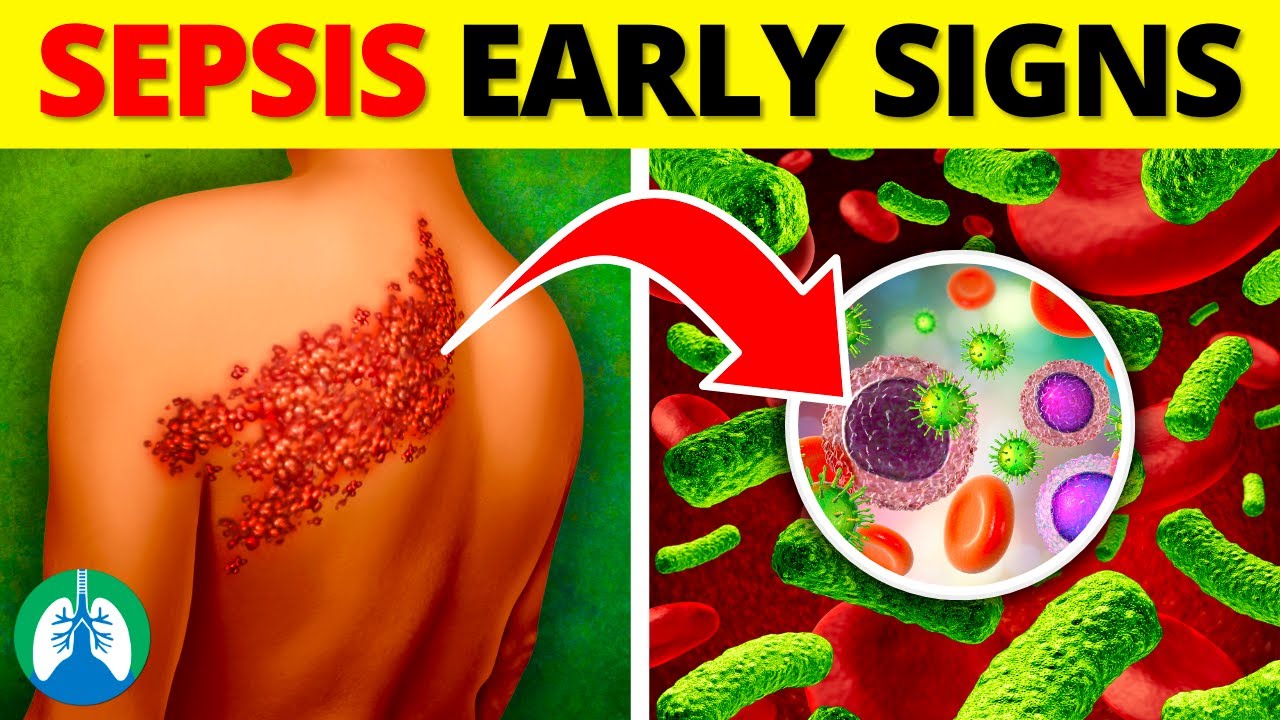
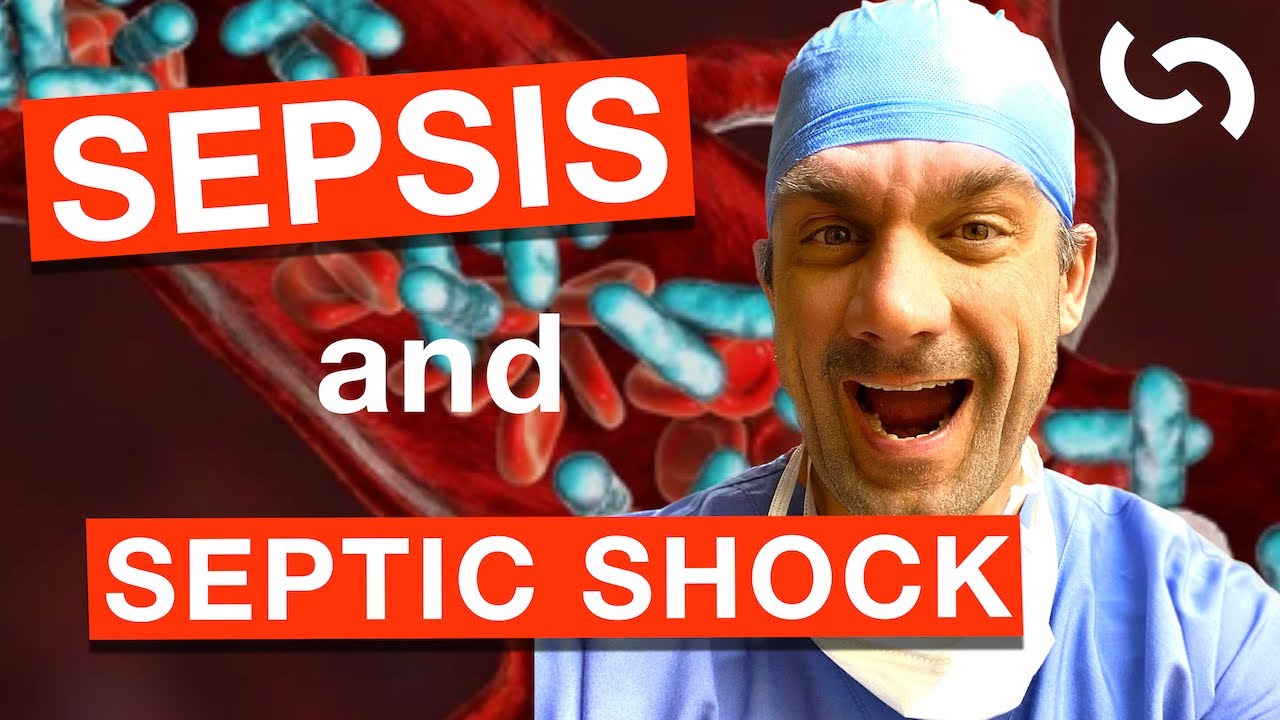
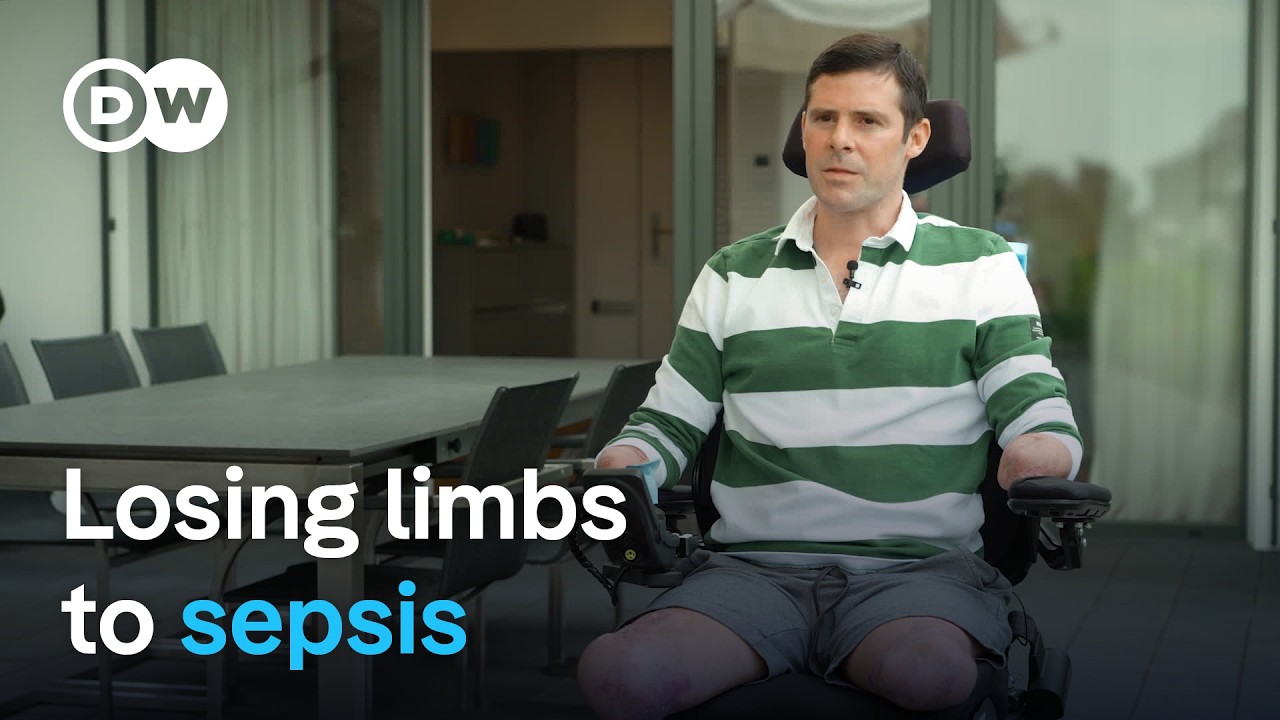
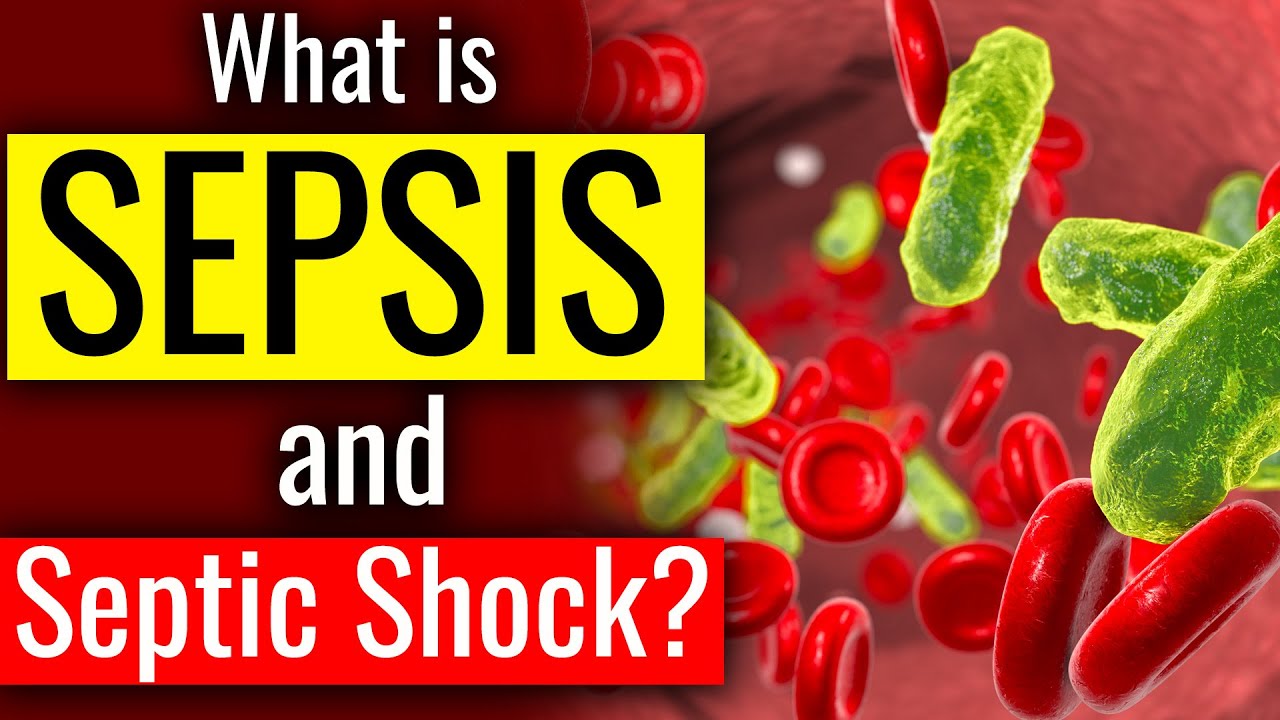
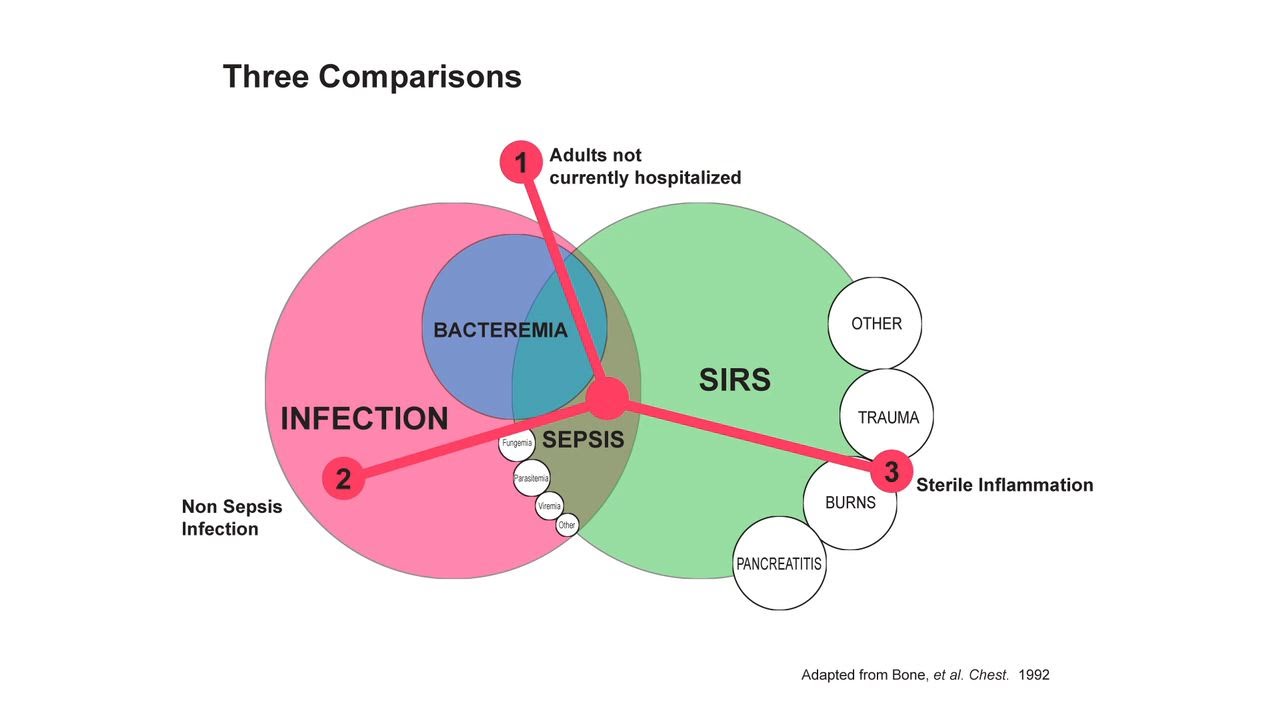
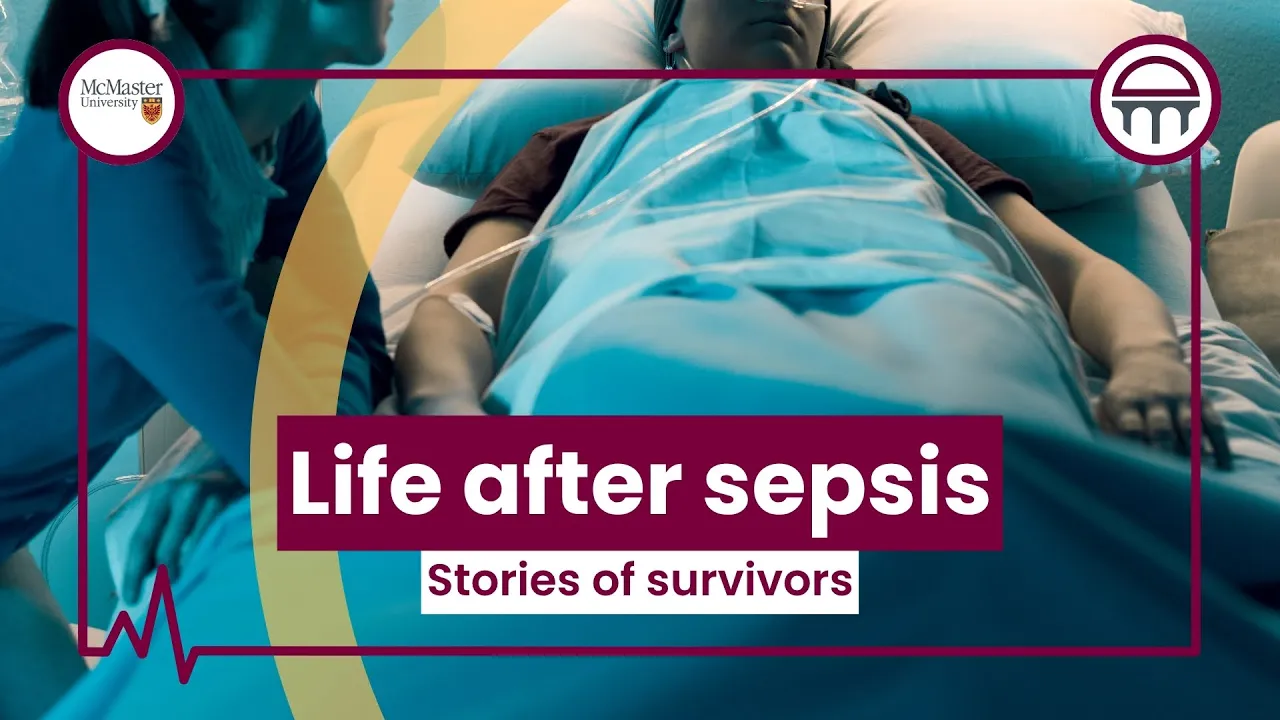
each year millions of patients worldwide suffer from an episode of severe sepsis after being discharged from the hospital these seemingly healthy individuals may be unknowingly leaving with a new disability here we describe the lingering health consequences among survivors of severe sepsis so what is sepsis sepsis is triggered by a local infection it could be bacterial or viral and start through an infection of a wound an infection of the urinary tract or pneumonia in the lungs your body's immune system works to fight the infection but when that infection enters the bloodstream your immune system may go
into overdrive causing inflammation throughout the whole body systemic inflammation interferes with the body's normal blood flow and may result in a drop in blood pressure this makes it difficult for the blood to carry oxygen to the major organs and can quickly become life-threatening this is the definition of severe sepsis when an infection is complicated by organ failure such as the heart lungs or kidneys the successful treatment of sepsis is dependent on early detection so watch out for the following symptoms substance can affect anyone but certain groups of people are higher risk than others such as
individuals who are very young very old or who have a compromised immune system in the United States sepsis represents 10% of all ICU admissions the number of substance cases each year exceeds 750,000 and this number is steadily rising the main goal of treating sepsis is to reduce short-term mortality with prompt resuscitation and antibiotic therapy assuming the patient survives the episode conventional medical wisdom would suggest that the problem has been averted and the patient should do well but do they fully recover one study investigating the long-term consequences of sepsis examined whether sepsis is associated with an
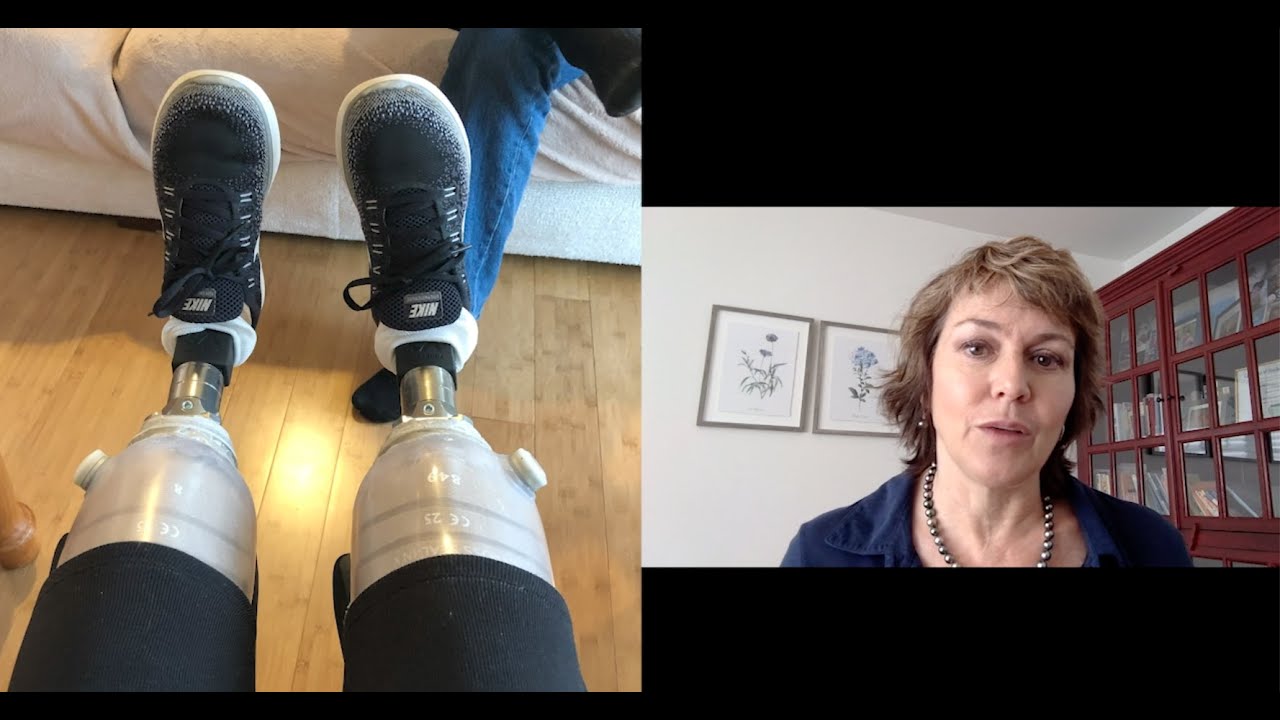
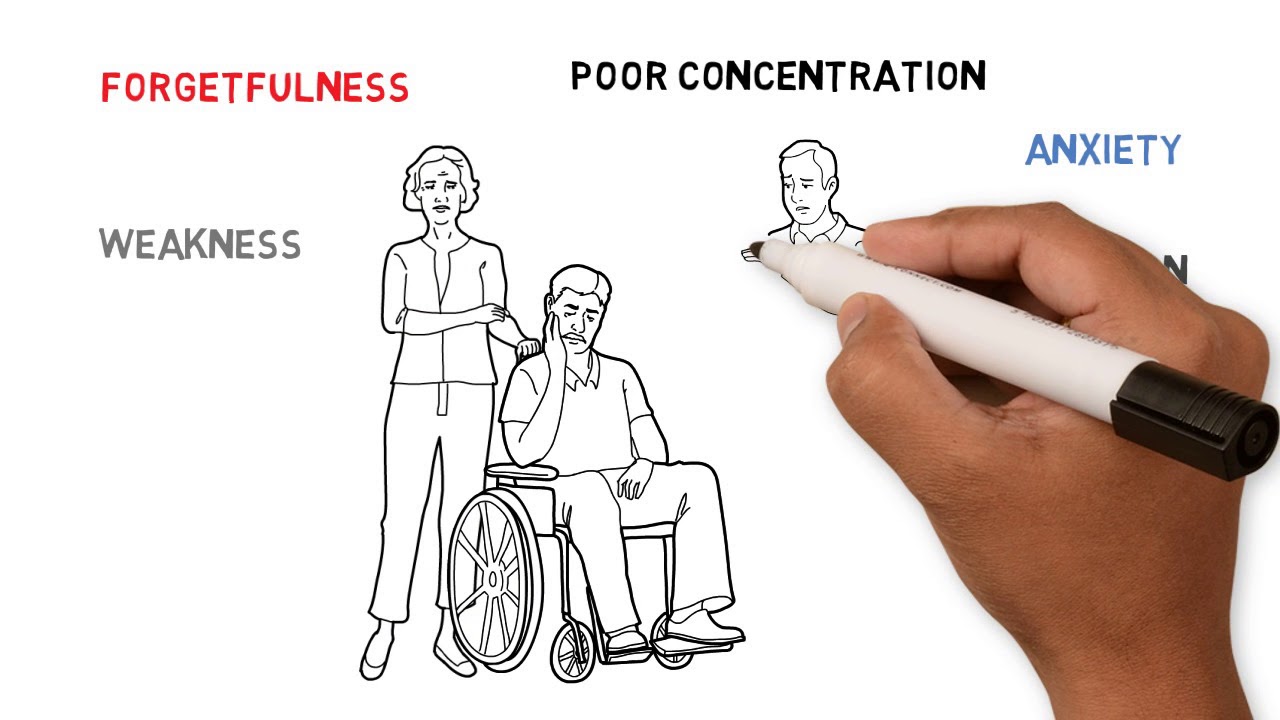
increased risk of physical and cognitive impairment a group of sepsis survivors over the age of 50 were followed for eight years after having severe sepsis participants were assessed on eleven daily tasks that make up their functional status for instance walking dressing eating preparing food or taking medicine the survey also measured their cognitive function assessing for memory basic math abilities naming and orientation sepsis patients with no functional limitation before the infection gained an average of nearly one-point-six new limitations in their daily lives for example 40% of sepsis patients later had trouble walking while 20% needed assistance
with going to the grocery store or preparing a meal nearly 17% showed signs of moderate to severe cognitive impairment compared with only 6% before the infection a three-fold increase overall nearly 60% of sepsis patients experienced worsening cognitive or physical function after their infection however I will remind you that the study design was observational in nature and that any inference is made are that of association and not causation so what are the implications of studies well this is an under-recognized public health problem that affects not only the patient but also their families and our healthcare system
as a whole among the elderly it is estimated that 20,000 new cases of moderate to severe cognitive impairment may emerge due to subsys the level of severe cognitive impairment found in these patients is associated with an additional 40 hours per week of care provided by the family analogous to taking on a full-time job but it's not all bad news because the onset and acceleration of cognitive impairment due to sepsis is partially preventable in many patients therefore this information can help physicians assess care options for sepsis survivors and predict long-term outcomes implementing sedation management and early
physical and cognitive rehabilitation while these patients are still in the ICU is the first step toward prevention preventing sepsis and the disabilities that arise from it could reduce healthcare costs as well as the burden on these patients families if this issue sparked your curiosity you can have a more detailed look at the current research investigating the problem below and if you like this video feel free to like share and comment and make sure to subscribe to the demystifying medicine Channel