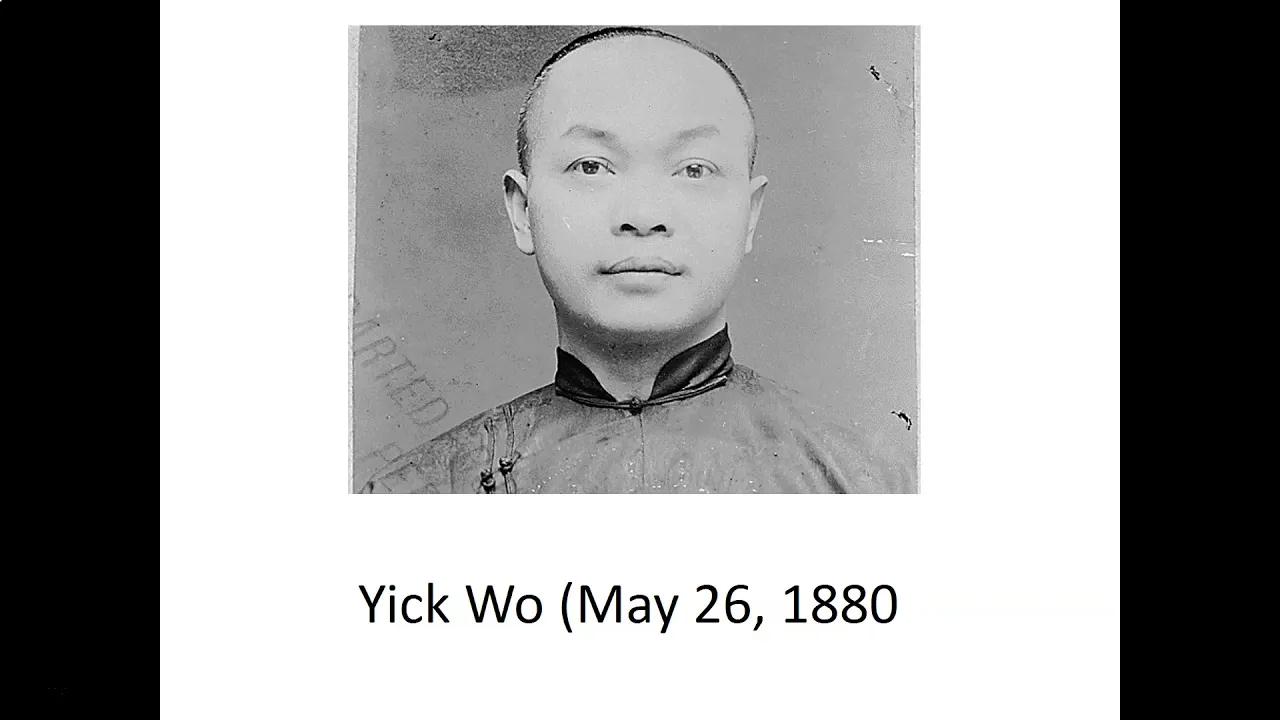
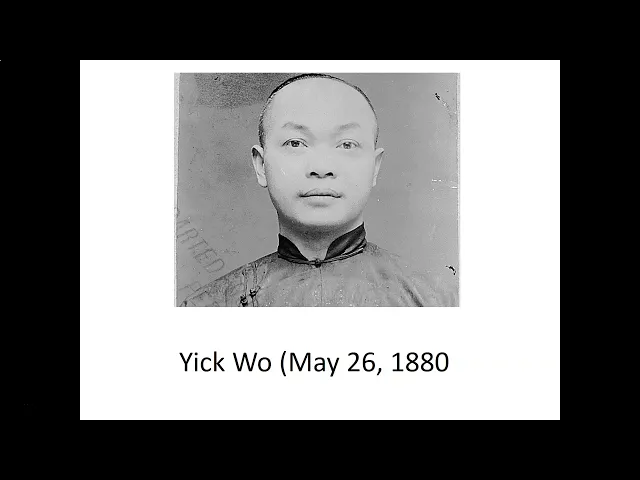
hi and welcome to the lecture on racism and discrimination in california history the case of san francisco before i get started with this uh talk i would like to say that i have decided to use san francisco as kind of a case study uh and we can walk through history from the 19th century actually even before the 19th century all the way uh to uh current times in order to illustrate the fact that racism has unfortunately been alive and well from jump street from the first days and even before the state reached its status with statehood in the united states so let's move on now and talk about the objectives of this lesson so in terms of learning outcomes for this lesson as you can see here by the end of this talk uh listeners all of you should be able to identify ways in which individuals suffered from discrimination in san francisco should be able to analyze the impact discrimination had on targeted individuals and communities for that matter and you should also be able to articulate ways in which those discriminating maintain power both individually and structurally so let's take a look at our very first people in california namely the native americans as you all know the native americans suffered a great deal of injustice many many native americans were essentially walked over bowled over by issues such as manifest destiny as a concept where essentially white individuals had the belief in the god-given right that they would be moving westward damn the consequences and a number of native americans were essentially murdered there was genocide that took place we know the examples you certainly know the example from a recent talk that i gave as well as your reading about how in which the native americans were actually treated in the mission system the california missions we know that there were bounties on the heads of indians etc the list goes on and on as a result as you know the population of native americans including native californians that is california indians dwindled dramatically during the 19th and 20th centuries you also know from a recent talk and in fact i'm using the very same slide that i used when i gave my lecture on the gold rush a foreigner's foreign miners tax was imposed in 1850 1851 in which essentially people of color and specifically the chinese mexicans peruvians chileans and other people of color were discriminated against in terms of being charged a foreign miners tax in which they were often charged twenty dollars a month to work in gold mines in the gold fields that were essentially already been worked over so this is an example of the treatment of people of color and you can see here uncle sam that is the representation of the united states government essentially kicking a chinese man um in the butt uh and you can see the uh horrified look on the face of the chinese gentleman as he is being essentially shown that he needs to pay this foreign miners tax or to get out that's certainly the message we see here another thing we um should uh talk about is a very famous case in which there was a man in san francisco a white man by the name of hall and he committed murder against another man and this was in 1854 and what ended up happening was that the only person who witnessed this crime was a young chinese gentleman who served as a a servant or a house worker and this individual happened to be chinese and when this case went to court the chinese man went to court to testify but it was immediately thrown out as a chinese as chinese individuals were not allowed to testify in a quote-unquote white man's court and so the testimony was immediately thrown out and so hall could not be in fact prosecuted as a result of this again another example of the kind of racism that took place in the mid 19th century this is an interesting case the cubic air ordinance this happened in july late july of 1870 and this is a case in which it was a trumped-up case in which individuals were told that in order to be a public health secure they needed to follow an ordinance that suggested in fact that demanded that required that each individual have 500 cubic feet of air space in a dwelling and of course this was nothing but a phony trumped up physical uh you know public health ordinance that had very little to do with the concern over the public and have more to do with harassing particularly chinese americans and you can see here that there's a county jail on the irony is that these men are you know squished uh pushed like sardines into the county jail for violating this ordinance and again it was about harassment and so often the san francisco police and the public health officers would go into chinatown and would examine and inspect houses and again if there were too many people living in a small dwelling essentially they would be harassed and they would either be fined jailed or both and again this was a public health ordinance that was phony essentially that it was a way of harassing and denigrating chinese americans here's a picture of dupont avenue now known as grant avenue in san francisco this was in the late 19th century just to give you a sense of that part of town let's now talk about other ways in which chinese were discriminated against many chinese worked in the laundry industry and actually ended up carrying various items in these baskets you can see this man had a shoulder rod a stick a dowel across his shoulders and he was carrying two baskets these were known as shoulder pails and this was outlawed in 1871 because it was alleged that these shoulder pails particularly the rods could actually be used as a weapon and therefore they were made illegal again another attempt to harass the chinese another way of harassing the chinese and discriminating and showing blatant racism was that the chinese had of course the q you know the long braided hair and this was originally a way of showing reverence to the emperor in china and many chinese would hide their cues under a half because white many white people discriminated against them and one way of humiliating a chinese man would be if he got caught for a crying would be and of course to cut off his cue to cut off that long braided hair and again this is a way of humiliating uh chinese men again another show of racism that was alive and well in san francisco and other parts of the state and the country here is an example a great example of a man who was named yik wu and yikwu actually owned a san francisco laundry and he owned the laundry laundry service on third street and he owned that for 22 years every year he was able to the city and county of san francisco passed his business as a reputable one but it did not do so on the 23rd year on the 23rd year he was told that he needed to close down his business well yik wu did not take this stand as sitting down he essentially stood up to what he knew was nothing but just trumped up racism and he actually hired a lawyer by the name of hal mcallister you'll note that mcallister street in san francisco is named after hal mcallister so gekwu hired hal mcallister as an attorney and they went all the way to the u. s supreme court and even utilized the 14th amendment of the u. s constitution and yikwu wins yiquo continued with his business in 1886.
this case would be later used in the 1950s and sixties during the civil rights movement so yikwu's case was the one that was used to base the rest of the arguments again just another example this is uh an advertisement in what was known as the wasp which was a magazine that often featured very racist representations you can see one here this is called the perlis ringer this was to advertise essentially a washing bucket to wash clothes before washing machines were fashionable and you can see here there was a white guy who has his hands on the literally the lever that would ring the clothes through and you see sitting on the ringer a chinese man who was literally being put through the ringer and we know what that means in modern parlance literally means really going through the paces and really being worked over and this is certainly the case here it was very common to see signs this was the late 20th 19th century this was july late july of 1892 a sign that says chinese with a question mark no no no and it says come to 10th and a streets at 7 30 on monday evening and express your opinion on the chinese question shall we have chinese no no no again extraordinarily racist before we turn to executive order 90 66 which you see on the screen now i'd like to finish by uh the chinese part of the lecture in terms of how the chinese were treated by also talking and reminding us about the chinese exclusion act that happened in 1882 and was subsequently put into effect uh for a number of years actually decades up until the early 1940s 1942 as a as a matter of fact and so as you know uh the the chinese exclusion act was in effect from 1882 to essentially 1942 and there's a reason for that and i'll get into that in a moment and essentially what the chinese exclusion act did is it disallowed any immigration from china to the united states unless the individuals were born in the united states that was the stipulation and so essentially what it was designed to do was to essentially really stop and slow down and put a stricture on chinese immigration to the united states and you might ask well you know why all of this racism i i mean i think that i could answer the question by saying that there was a kind of nativism that was put into effect that where if you ironically if you weren't a native and many of us are not natives of the united states the only people who can claim to be natives are the native americans literally but there was a nativistic movement in which it was essentially very waspy in terms of white-centered it was centered on whiteness and that uh white people were favored and so a lot of other folks from different ethnic and cultural backgrounds were discriminate against we can see this time and time again and also uh during the uh late 19th early 20th century uh there was an issue with the chinese uh due to the idea this conception and it's very hypocritical in many ways that the chinese were taking jobs away from white folks that was essentially the claim and there were lots of examples that would show that this was the big fear and how one of the big motivators or bases for the kind of racism that happened against the chinese and the irony is as you all know by now that the chinese helped in the surface industries the chinese helped build the trans-continental railway the chinese uh helped in a number of ways and so it's very hypocritical that then all of a sudden when the chinese were seen as a threat that there would be fervent and vitriolic racism against them and that needs to be pointed out so kind of finishing up the case of racism against the chinese is a is a huge example the chinese were in many ways a group that was very deeply discriminated against in san francisco history throughout california history and in fact throughout the united states let's now talk about um racism particularly aimed at the japanese you'll see here executive order 1966 an executive order 1966 had to do with um really a japanese exclusion and this happened in 1942 and as you know world war ii happened uh and uh the japanese bombed pearl harbor and what happened was that there was a lot of anti-japanese sentiment that actually led to an executive order by the president of the united states whereby a hundred and ten thousand japanese americans were interned in the various camps you can see here that this is a sign that gave instructions to all persons of japanese and ancestry living in the following areas where they would actually have to within a very short period of time within 24 to 48 hours have to move out of their homes and actually go to what we know as relocation camps you can see here this is actually the site of what is now tampering shopping center this was a horse race track back in the day and you can see here this picture from 1943 that shows that um there are a bunch of makeshift housing horse barns that were horse stables that were actually in the center part of the of the track and this is where individuals of japanese ancestry would be uh relocated temporarily before they were actually sent off to more so-called permanent internment camps in the western part of the united states i should also note here and i don't have a an illustration but there was also a temporary relocation housing in the back part of sharp park golf course in pacifica and so again there's were these various areas of relocation centers where japanese americans were told in short order that they needed to leave their homes go to report to these temporary relocation centers and then they would be processed so to speak again very hurtful and very nasty signs that were made you can see here in this sign in the 1940s a woman pointing up in a sign that reads japs keep moving this is a white man's neighborhood not very nice in fact extraordinarily racist like yik wu an earlier example of sticking up for his rights was fred koromatsu a very very principled uh japanese american man who in fact refused to sign up to be relocated he was essentially found in the east bay and arrested and what ended up happening was that he did not give up and continued to fight the story is much richer than i can convey in this lecture but he fought and actually uh his case went up through the court system and he actually ended up um being vindicated at some level so he was of course an american citizen of japanese ancestry he refused to pack up and go anywhere so the police as i said in the east bay uh specifically in san leandro the police found and arrested korematsu and sentenced him to a relocation camp right when world war ii was over koromatsu took his case to the highest court in the united states namely the u. s supreme court which in fact unfortunately justified his exclusion based on our being at war with japan but from 1945 on korematsu continued to fight on through the court system to have his arrest record erased finally in 1984 he wins totally in the internment case from a federal judge due to fred koromatsu's treatment as i said earlier there were 110 000 japanese americans in internment camps in the united states the federal government never admitted fault eventually as a result of various court cases some japanese-american families were given restitution or money to repair what horrible travesties happened against them initiated by the san francisco excuse me by the united states government you can see here in 1998 fred koromansu was given the medal of freedom which is the highest civilian medal that can be given to an individual and there is uh to this day the the california's fred korematsu bay uh and he of course is an example of a person who was very much devoted to civil liberties and to social justice let's now uh take our attention to uh a famous baseball player who happened to be african-american we're talking now about willie mays and this was willie mays's old home this was at 175 miraloma drive in san francisco and as the story goes when he came from new york to play for the san francisco uh giants he was he and his wife wanted to buy a home and essentially were told that they should not be buying such a home and there were lots of examples of this throughout california and throughout the country in which there were covenants on homes which restricted the sale of homes to people of color and african-americans suffered disproportionately in this regard and so neighbors would get together and not want to sell homes to those other folks so people were often othered well willie mays was no exception he fought very hard and of course uh he ended up buying this home at 175 miraloma drive but it just goes to show us what these covenants that were on homes even though the supreme court struck those down in the 1950s it was still informally this discrimination was informally motivated and and carried out throughout various neighborhoods this is just a slide that says discriminate is a judgment to be create unfair treatment prejudice etc we have an example here now moving to discrimination having to deal with lgbt issues and this is an an example that takes us to a gay man who was a drag queen uh his name was jose saria and he went by the name of empress norton and you'll hear about joshua norton you'll read about it in your book and we'll also have a lecture uh that'll include his name a very kind of odd character in san francisco but uh empress norton this was kind of a spoof on emperor norton and this was a man who uh actually here here he is here dressed in drag jose summaria and chris norton who actually was ran one of the first openly gay men who stood for a pub an election in the united states he lost but he actually stood for election he was a san francisco uh resident and he would often end up uh working at and singing at um a gay bar known as the black cat on montgomery street we saw the slide earlier and he would often do a lot of uh shows there like drag shows and there would be a lot of lgbt few folks who would congregate there and it should be noted that there was a lot of police harassment of lgbtq individuals and jose zaria stood up and made political statements against such discrimination and uh as a matter of fact uh we can see as we move on in this lecture that uh we have a slide here of gene compton's it was a cafeteria on taylor street and he may say well what the heck does this have to do with those basic aria well it is connected in the sense that gene compton's was another area another space in which lgbt and particularly gay and transgender individuals would congregate and meet and one day in august of 1966 the police came in and began harassing the patrons of gene comptons and there broke out a riot a riot broke out in in 1966 and you can see that there's a plaque that was put on jane compton's cafeteria and it talks about the cafeteria right in 1966.







![[4K] – Full Flight – Cathay Pacific – Airbus A350-941 – SYD-HKG – B-LRU – CX110 – IFS 944](https://img.youtube.com/vi/0Bl_Oocqysg/maxresdefault.jpg)